Imagine being in a situation where help is far away, and your safety depends entirely on what you have with you. What would you want in your survival kit to keep you safe, comfortable, and ready for anything?
Your survival kit can be a lifesaver, but only if it has the right items. You’ll discover exactly what to have in your survival kit to face emergencies with confidence. By the end, you’ll know how to prepare yourself smartly and avoid common mistakes that could cost you dearly.
Keep reading to make sure your survival kit is truly ready when you need it most.
Basic Survival Gear
Basic survival gear forms the foundation of any effective survival kit. These essential items help you manage the most urgent needs: water, food, and shelter. Without these, staying safe and comfortable in an emergency becomes a tough challenge.
Water And Hydration Tools
Your body needs water more than anything else. Carrying a reliable water container is crucial—consider a durable water bottle or collapsible bladder that fits your pack easily. Don’t forget about purification tools like water filters or purification tablets; untreated water can lead to serious illness.
Have you ever thought about how much water you really need daily in survival conditions? It’s usually about one gallon per person per day. Packing a lightweight, portable water filter can save you from dehydration in the wild.
Food And Nutrition Supplies
Energy is vital for survival, so pack non-perishable, high-calorie food items. Think energy bars, dried fruits, nuts, and freeze-dried meals that don’t require cooking. These items provide the necessary fuel without adding much weight to your kit.
When was the last time you tested your survival food? Rotating your food supplies regularly ensures freshness and readiness. Also, consider including a compact utensil set to make eating easier.
Shelter And Warmth Items
Protection from the elements can make a huge difference. Pack a lightweight tent or emergency bivvy sack to shield yourself from rain and wind. Adding a compact sleeping bag or thermal blanket can help maintain body heat in cold conditions.
Have you noticed how quickly temperature drops at night? Even in mild climates, having something warm can prevent hypothermia. Small items like hand warmers or a rain poncho can add layers of protection without taking up much space.

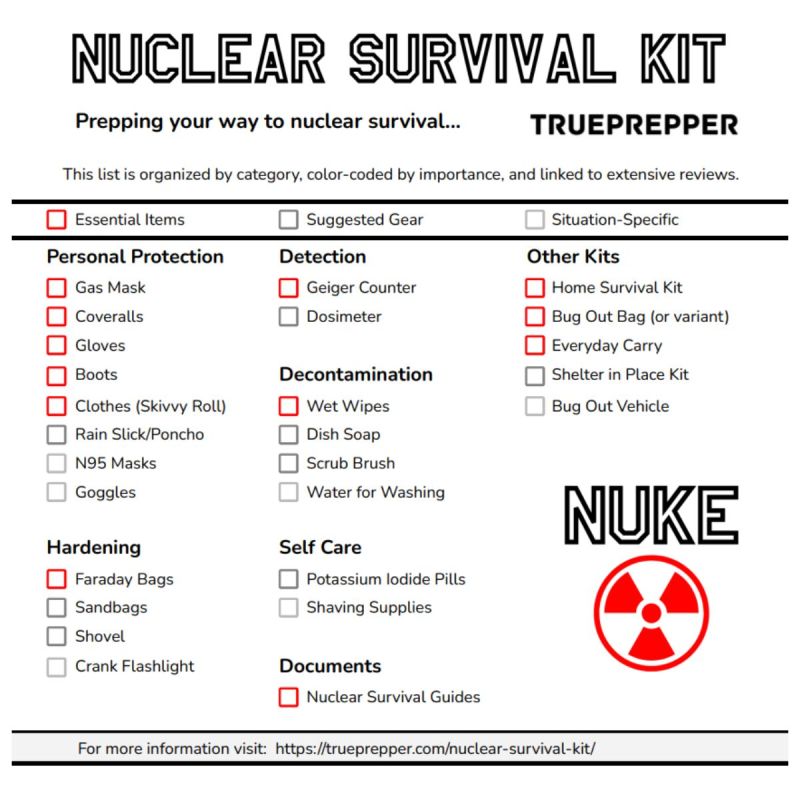
Credit: trueprepper.com
First Aid Essentials
First aid essentials are a must-have in any survival kit. They help treat injuries and reduce the risk of infection. Having the right supplies can make a big difference during emergencies. Prepare to handle cuts, burns, and other common injuries with ease.
Wound Care Supplies
- Sterile gauze pads for covering wounds
- Adhesive bandages in various sizes
- Antiseptic wipes to clean cuts and scrapes
- Medical tape to secure dressings
- Elastic bandages for sprains and strains
- Disposable gloves to keep hands clean
- Scissors for cutting tape and gauze
Medications And Pain Relief
- Pain relievers like ibuprofen or acetaminophen
- Antihistamines for allergic reactions
- Antibiotic ointment to prevent infection
- Hydrocortisone cream for itching and rashes
- Anti-diarrheal medication for stomach issues
- Oral rehydration salts to prevent dehydration
Personal Hygiene Products
- Alcohol wipes for disinfecting skin and tools
- Hand sanitizer to kill germs quickly
- Face masks to reduce exposure to germs
- Toothbrush and toothpaste for oral care
- Small towel or wipes for cleaning up
Tools And Equipment
Tools and equipment are essential for survival situations. They help with daily tasks and emergencies. Having the right gear can make a big difference. Choose items that are durable, lightweight, and versatile. These tools support shelter building, food preparation, and safety.
Multi-tools And Knives
Multi-tools combine several functions in one device. They often include pliers, screwdrivers, and scissors. A good knife is also vital. It can cut rope, prepare food, and protect you. Pick knives with strong blades and comfortable handles. Keep these tools sharp and clean for best use.
Fire Starters And Lighting
Fire is crucial for warmth, cooking, and signaling. Carry reliable fire starters like waterproof matches or lighters. Flint and steel kits are excellent backups. Lighting helps you see in the dark. Pack a headlamp or flashlight with extra batteries. Choose LED lights for longer battery life.
Navigation Aids
Knowing your location can save your life. Carry a compass and a detailed map of the area. Learn how to use them before heading out. GPS devices are helpful but rely on batteries. Always have manual navigation tools as a backup. Mark your route and check your position often.

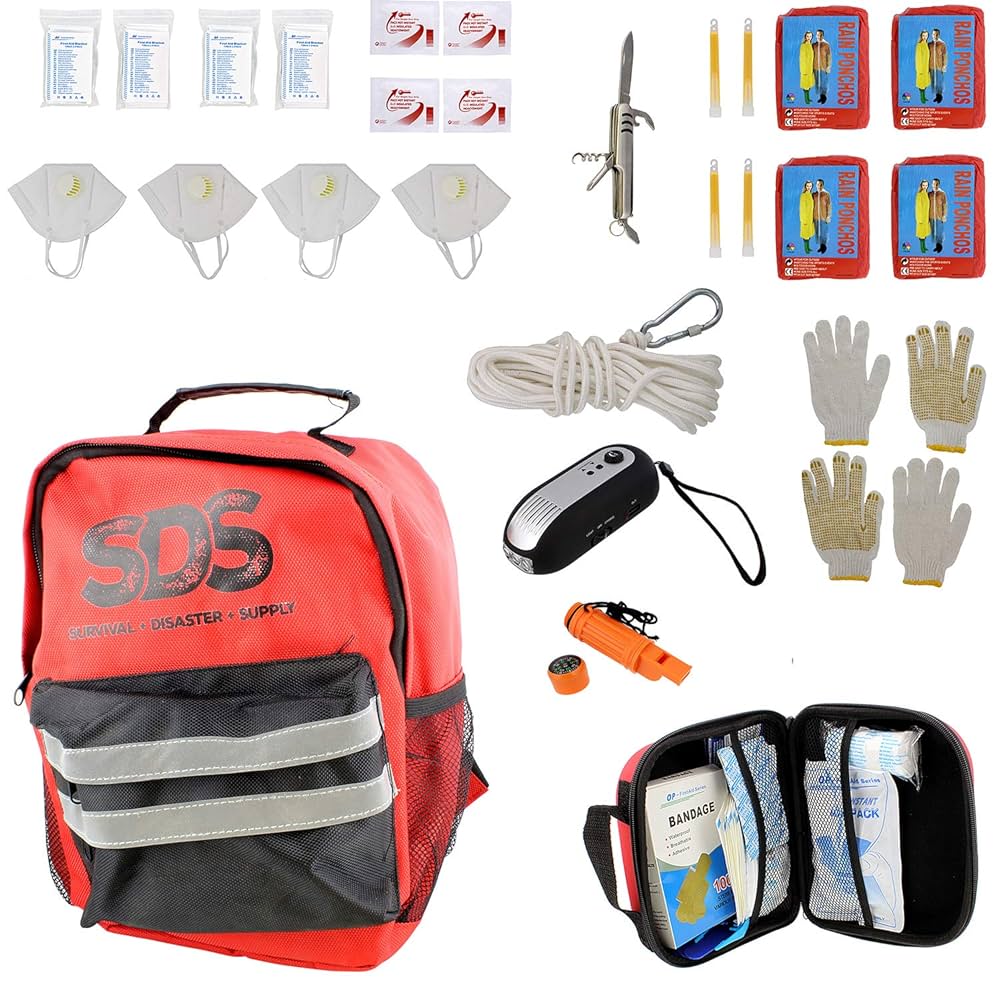
Credit: trueprepper.com
Communication Devices
Communication devices are essential in any survival kit. They help you send and receive signals. Staying connected increases your chances of rescue. These tools work even in tough situations. Always choose reliable and easy-to-use devices. Keep them accessible and ready for use.
Emergency Radios
Emergency radios provide important weather updates and news. They often run on batteries or hand-crank power. Some models include NOAA alerts for storms and disasters. Radios keep you informed when other devices fail. Choose compact radios with multiple power options.
Signal Mirrors And Whistles
Signal mirrors reflect sunlight to attract help from far away. They work well during the day and in clear weather. Whistles produce loud sounds to alert nearby people. They require no batteries and are lightweight. Both tools are simple but very effective.
Chargers And Power Banks
Chargers and power banks keep your devices powered longer. Solar chargers are useful when electricity is unavailable. High-capacity power banks can recharge phones and radios multiple times. Always keep them fully charged before heading out. They ensure your communication tools never run out of energy.
Clothing And Protection
Clothing and protection play a vital role in any survival kit. They help maintain body temperature and guard against injuries. Proper clothing and gear increase comfort and safety in harsh conditions.
Weather-appropriate Clothing
Choose clothing based on the environment you expect to face. Lightweight, breathable fabrics suit hot weather. Insulated and waterproof layers work best for cold and wet conditions. Avoid cotton as it holds moisture and chills the body. Opt for synthetic or wool materials instead.
Protective Gear
Protective gear shields you from cuts, scrapes, and insect bites. Include sturdy gloves and durable boots in your kit. A wide-brim hat offers sun protection. Safety goggles guard your eyes from debris and dust. A face mask can help filter dust and smoke.
Emergency Blankets
Emergency blankets are compact and lifesaving. They retain body heat in cold weather. Use them to prevent hypothermia or as a shelter layer. These blankets reflect heat back to the body. Keep several in your kit for multiple uses.

Credit: trueprepper.com
Important Documents And Money
Important documents and money are essentials in your survival kit that often get overlooked. Without these, you could face serious challenges accessing help, shelter, or resources during an emergency. Preparing these items carefully ensures you can prove your identity, pay for urgent needs, and reach out for assistance when it matters most.
Identification Papers
Keep copies of your ID, passport, driver’s license, and any other critical identification in a waterproof pouch. These documents verify who you are and can help you access services or cross checkpoints if needed. Think about situations where you might need medical care or emergency housing—having IDs handy can save you hours of trouble.
Cash And Cards
Cash remains king when electronic payment systems fail or aren’t accepted. Carry small denominations in a secure, easily accessible place. Alongside cash, keep a backup credit or debit card for emergencies. This mix gives you flexibility; cash can cover small purchases, while cards can handle larger expenses or online transactions.
Copies Of Emergency Contacts
Write down phone numbers and addresses of family, friends, doctors, and local emergency services. Store these contacts both on paper and digitally if possible. Imagine losing your phone or it running out of battery—having printed contacts ensures you can still reach out for help or provide critical information to responders.
Specialized Items
Specialized items in your survival kit can make a significant difference when facing unique challenges. These are not the usual basics but tailored tools and supplies that address your personal needs and specific environments. Including these items ensures you’re prepared for situations others might overlook.
Personal Medications
Everyone’s health needs are different, so your survival kit should reflect that. Include any prescription medications you need daily, plus extras like pain relievers, allergy medicine, or antacids. Don’t forget items like insect bite creams or antiseptic ointments if you know you’re prone to infections or allergic reactions.
Think about your last illness or injury—what did you wish you had on hand? Keeping medications in a waterproof container prevents damage and ensures they stay effective. It’s a small step that can save you a lot of trouble.
Tools For Specific Environments
Your survival kit should match the environment you expect to face. If you’re in cold climates, add items like hand warmers, insulated gloves, or a compact emergency blanket. In desert areas, a water purification system and sun protection gear are essential.
For urban settings, consider a multi-tool with functions like glass breaking or a portable charger for your phone. What unique challenges does your environment bring? Tailoring your tools helps you stay ready and confident.
Extras For Comfort And Safety
Survival isn’t just about basic needs; comfort and safety items can keep morale high and reduce stress. Pack a small flashlight with extra batteries, a whistle to signal for help, and a compact first aid manual. Even a lightweight rain poncho or a small book can provide psychological comfort.
Have you ever noticed how small comforts can change your outlook during tough times? These extras don’t take up much space but can make your survival experience much more manageable.
Frequently Asked Questions
What Items Are Essential In A Survival Kit?
A survival kit should include water, food, a first-aid kit, flashlight, batteries, and a multi-tool. Additionally, consider adding a whistle, emergency blanket, and matches. These items ensure you’re prepared for emergencies, providing safety and sustenance until help arrives.
How Much Water Should Be In A Survival Kit?
Include at least one gallon of water per person per day. This supply should last for three days. Water is vital for hydration, cooking, and basic sanitation. In emergencies, having enough water is crucial for survival and maintaining health.
Why Is A First-aid Kit Important In A Survival Kit?
A first-aid kit is crucial for treating injuries and preventing infections. It contains essential medical supplies like bandages, antiseptics, and pain relievers. In emergencies, immediate access to these items can stabilize minor injuries and manage health issues until professional help arrives.
Should I Include Food In A Survival Kit?
Yes, include non-perishable food items like canned goods and energy bars. These foods have a long shelf life and provide essential nutrients. Having a reliable food supply in your survival kit ensures you maintain energy and health during emergencies.
Conclusion
A good survival kit keeps you ready for emergencies. Pack water, food, and basic tools first. Don’t forget a flashlight and first aid items. Clothes and a whistle can help too. Check your kit often to keep it fresh. Being prepared gives peace of mind.
Stay safe by having what you need close. Small steps make a big difference in survival. Always plan ahead and stay alert. Your kit can protect you in tough times.