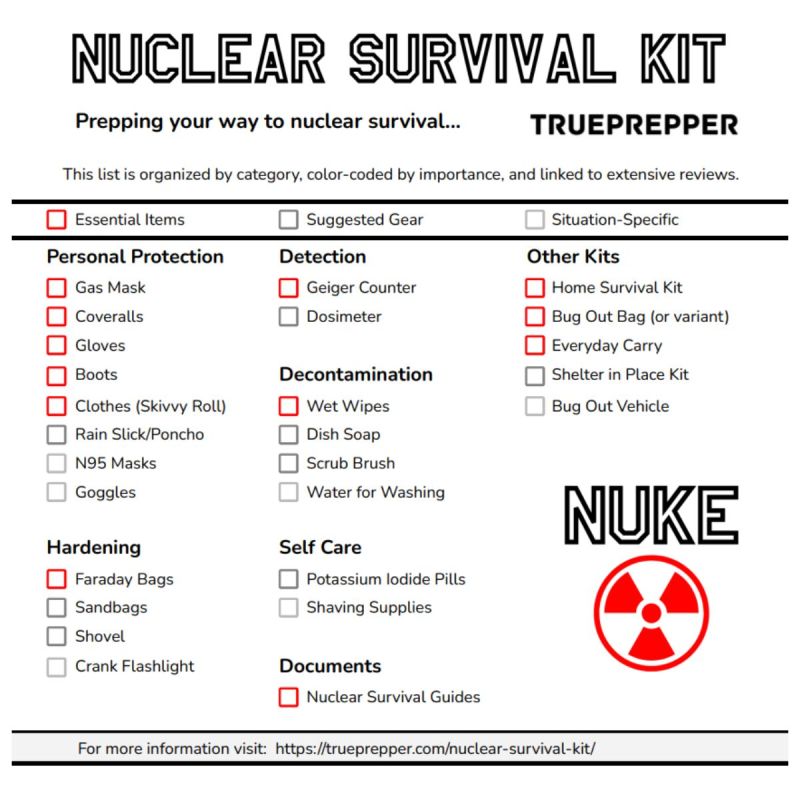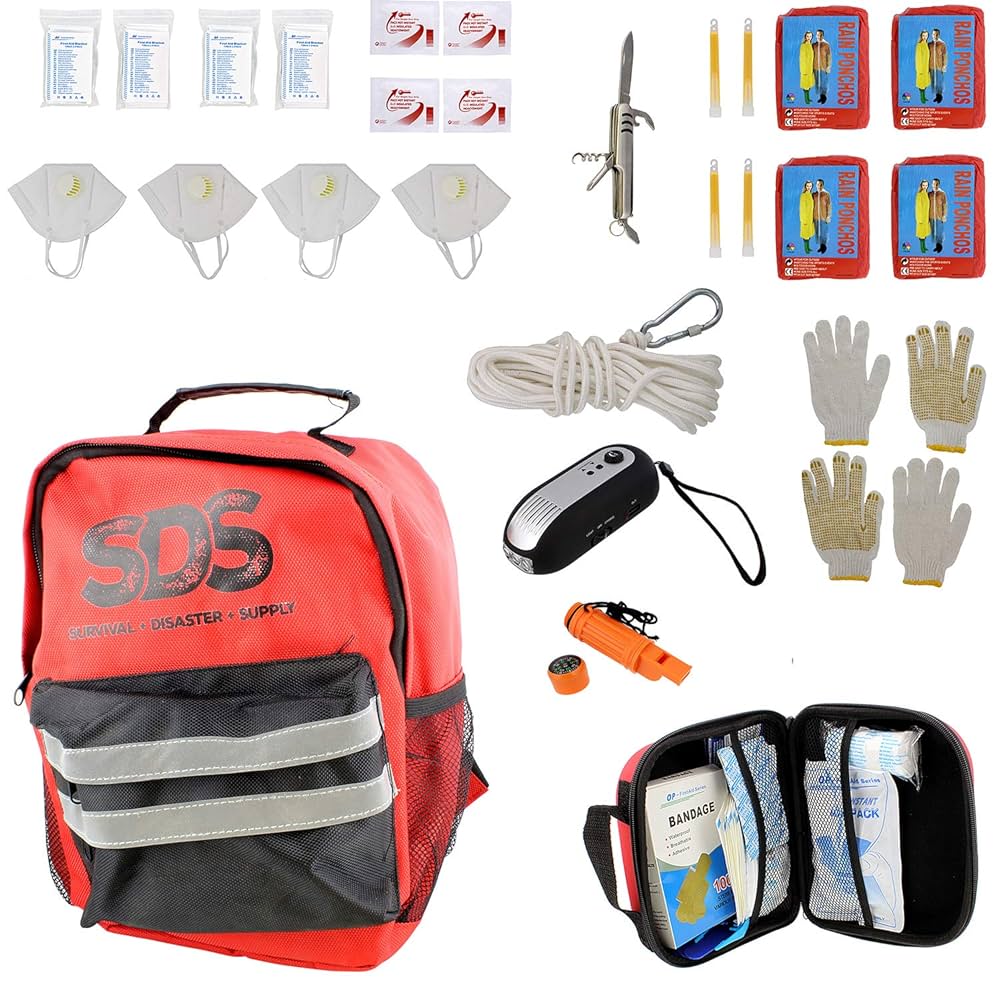
Imagine being in a survival situation where every sense matters. Your hearing can either keep you alert to danger or leave you vulnerable to distraction and stress.
That’s why having ear plugs in your survival kit isn’t just a small extra—it could be one of the smartest decisions you make. You’ll discover how ear plugs protect your focus, improve your rest, and even help you stay calm when it counts the most.
Keep reading, because understanding this simple tool could make a big difference in your safety and well-being.
Importance Of Ear Protection
Protecting your ears during emergencies is often overlooked, but it plays a crucial role in your overall safety. Loud noises can happen suddenly and without warning, causing immediate damage or long-term hearing problems. Including ear plugs in your survival kit ensures you’re prepared to shield your hearing from these dangers.
Noise Hazards In Emergencies
Emergencies often come with unexpected loud sounds like explosions, alarms, or heavy machinery. These noises can reach levels that damage your hearing almost instantly. Have you ever experienced ringing in your ears after a loud event? That’s a clear sign your hearing took a hit.
Noise hazards aren’t just about volume—they can be sudden and intense, catching you off guard. Without ear protection, you risk permanent hearing loss or tinnitus. Ear plugs act as a simple but effective barrier against these harsh sounds.
Impact On Hearing Health
Hearing damage from loud noises doesn’t always show up right away. Repeated exposure to high decibel levels can lead to gradual hearing loss over time. Protecting your ears early can save you from costly and irreversible damage.
Imagine trying to communicate or hear important signals during an emergency with impaired hearing. It becomes much harder and can increase your risk of danger. Ear plugs help preserve your ability to hear critical sounds when it matters most.
Situations Requiring Ear Protection
Not every emergency situation is quiet. You might face:
- Fireworks or explosions during natural disasters
- Heavy equipment use in rescue operations
- Sirens and alarms signaling danger
- Gunfire in civil unrest or survival scenarios
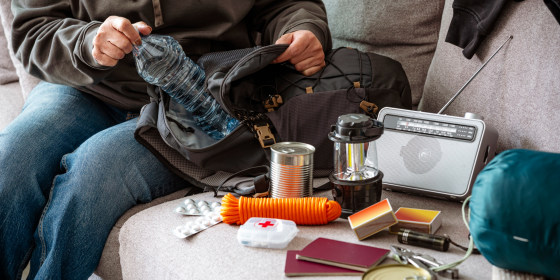
In these cases, ear plugs are more than just a comfort—they are a necessity. Have you thought about how you would protect your hearing if these noises erupted nearby? Adding ear plugs to your survival kit ensures you’re ready for these high-noise moments.
Credit: www.nbcnews.com
Types Of Ear Plugs For Survival Kits
Choosing the right type of ear plugs for your survival kit can make a big difference in comfort and effectiveness. Different materials and designs offer unique benefits depending on your environment and needs. Understanding these options helps you prepare better for unexpected loud noises or situations requiring hearing protection.
Foam Ear Plugs
Foam ear plugs are lightweight and inexpensive. They expand to fit the shape of your ear canal, creating a snug seal that blocks out noise effectively. If you’ve ever tried sleeping in a noisy place, you know how much these can help you focus or rest.
One downside is that foam plugs wear out quickly and need to be replaced often. Still, their ease of use and affordability make them a popular choice for survival kits.
Silicone Ear Plugs
Silicone ear plugs are reusable and moldable, offering a flexible fit. You can shape them to cover the outer ear or fit inside the canal, depending on the design. They resist water and sweat, making them ideal if you expect wet or humid conditions.
If you’ve been caught in a sudden storm or near loud machinery, silicone plugs provide reliable protection without the discomfort of foam. They’re easy to clean, which adds to their practicality for long-term use.
Custom Molded Ear Plugs
Custom molded ear plugs are made from impressions of your ears for a perfect fit. This personalized design offers superior comfort and noise reduction. If you need to wear ear plugs for extended periods, these reduce irritation and pressure.
While they cost more upfront, their durability and effectiveness can save you from long-term ear issues. Have you considered investing in a pair that fits like a glove rather than settling for generic options?
Benefits Of Including Ear Plugs
Including ear plugs in a survival kit offers several key benefits. They protect your ears from loud noises and help you stay calm. Ear plugs also make it easier to rest and focus in noisy environments. Their small size means they fit easily into any kit without adding weight.
Noise Reduction Capabilities
Ear plugs block out harmful loud sounds. This helps prevent hearing damage during emergencies. They reduce background noise, making it easier to concentrate. Quiet surroundings improve decision-making and mental clarity. Protecting your ears is crucial in chaotic situations.
Comfort And Usability
Ear plugs are soft and fit comfortably inside the ear. Many types mold to your ear shape for a secure fit. They stay in place during movement or sleep. Using ear plugs does not cause pain or irritation. Easy to insert and remove, they suit all ages.
Compact And Lightweight
Ear plugs are very small and light. They take almost no space in your survival kit. You can carry many pairs without extra bulk. Their size makes them easy to store and access quickly. Lightweight gear helps keep your kit manageable and efficient.
How To Use Ear Plugs Effectively
Using ear plugs effectively can make a big difference in your ability to stay calm and focused during an emergency. It’s not just about stuffing them in your ears; proper use ensures comfort, protection, and long-lasting effectiveness. Let’s look at how you can maximize their benefits with a few simple habits.
Proper Insertion Techniques
Start by rolling the ear plug between your fingers to compress it into a thin, crease-free shape. Gently pull the top of your ear upward and backward to straighten the ear canal. Then, insert the compressed plug deeply but comfortably into your ear canal and hold it in place for a few seconds until it expands.
Never force ear plugs in too hard; discomfort means you’ve gone too far. If the plug sits too shallow, it won’t block noise effectively. Have you noticed how a good fit makes a surprising difference in blocking out loud sounds?
Maintenance And Hygiene
Keep your ear plugs clean to avoid infections. If you use reusable plugs, wash them regularly with mild soap and water, then let them air dry completely before storing them. Disposable plugs should be replaced after each use.
Dirty or worn-out plugs lose their noise-blocking ability and can irritate your ears. Think about how often you check your survival gear—your ear plugs deserve the same attention.
Storage Tips In Survival Kits
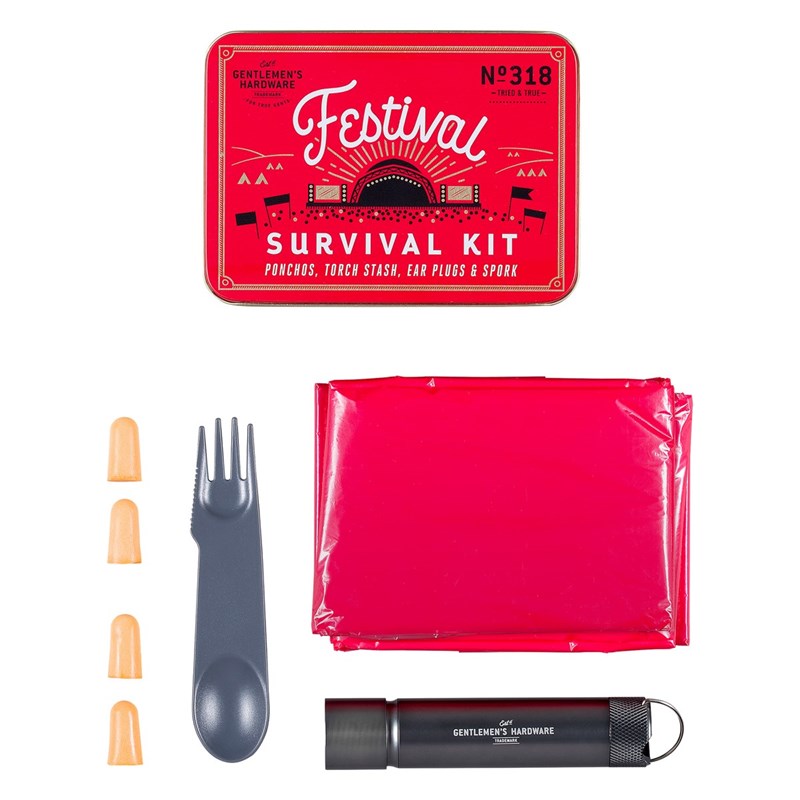
Store ear plugs in a clean, dry container inside your survival kit to protect them from dust and moisture. Small plastic cases or resealable bags work well to keep them safe and easy to find.
Don’t just toss them in your kit; organization matters when seconds count. How accessible are your ear plugs when you need them most?
Ear Plugs In Different Emergency Scenarios
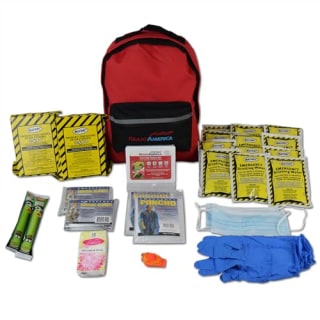
Ear plugs are often overlooked in survival kits, yet they play a crucial role across various emergency scenarios. Their ability to protect your hearing and help maintain focus can make a real difference when chaos erupts. Let’s examine how ear plugs serve you in different types of emergencies.
Natural Disasters
During natural disasters like hurricanes, earthquakes, or tornadoes, loud noises are common. Sirens blare, debris crashes, and emergency vehicles race by. Using ear plugs helps reduce overwhelming noise, allowing you to stay calm and think clearly.
Imagine being caught in a storm with howling winds and constant alarms. Ear plugs can protect your ears from potential damage and prevent stress from noise overload. This lets you better hear important instructions or communicate with others nearby.
Man-made Emergencies
In situations like industrial accidents, explosions, or nearby gunfire, sudden loud sounds can cause permanent hearing damage. Ear plugs provide essential protection to preserve your hearing.
Beyond protection, they also help you concentrate on assessing your surroundings and making quick decisions. In a noisy, dangerous environment, muffling background noise lets you focus on critical tasks such as finding shelter or assisting others.
Long-term Survival Situations
Living off the grid or staying in a shelter for extended periods means dealing with constant noise, like generators or crowded conditions. Ear plugs offer a simple way to carve out quiet moments for rest and mental clarity.
Rest is vital when resources are limited and stress runs high. Using ear plugs regularly can improve your sleep quality and help you maintain a sharper mindset for the challenges ahead. Have you considered how much noise affects your ability to stay alert and make smart choices in survival mode?
Credit: www.nbcnews.com
Choosing Quality Ear Plugs
Choosing quality ear plugs for your survival kit is more important than many realize. Poor ear plugs can fail when you need them most or cause discomfort that distracts you. You want ear plugs that protect your hearing effectively while lasting through tough conditions.
Material Safety
Not all ear plug materials are created equal. Look for hypoallergenic options like medical-grade silicone or foam that won’t irritate your skin. Some cheaper plugs use unknown plastics or chemicals that can cause allergic reactions or even damage your ear canal over time.
Think about how long you might wear the plugs in a survival scenario. Would you want materials that could cause itching or infections? Safe materials ensure you stay focused and comfortable.
Noise Reduction Rating (nrr)
The NRR tells you how much noise an ear plug can block. Higher numbers mean better protection. If you’re dealing with loud environments—like construction or gunfire—aim for plugs with an NRR of 30 or above.
But be cautious; very high NRR ear plugs sometimes compromise comfort. Do you need maximum noise blocking or a balance that allows some awareness? Choose based on your specific survival needs.
Durability And Reusability
Cheap ear plugs often fall apart or lose shape after one use. You want something that holds up through sweat, dirt, and repeated wear. Durable plugs save you money and reduce waste in the long run.
Reusable plugs are a smart choice if you plan to carry your survival kit for years. They also let you clean and maintain them, preventing bacteria buildup. Have you checked if your ear plugs can be washed or need replacing?
Credit: www.thepresentfinder.co.uk
Frequently Asked Questions
Why Include Ear Plugs In A Survival Kit?
Ear plugs protect your hearing from loud noises during emergencies. They also help block out distracting sounds, aiding concentration and rest.
How Do Ear Plugs Improve Survival Situations?
Ear plugs reduce noise stress, allowing clearer thinking. They enable better sleep, which is crucial for decision-making in survival.
Are Ear Plugs Useful In Natural Disaster Kits?
Yes, ear plugs shield ears from loud alarms, storms, and machinery noise. They also help maintain calm and focus during chaos.
Can Ear Plugs Prevent Hearing Damage In Emergencies?
Absolutely. Loud explosions or machinery can cause hearing loss. Ear plugs provide essential protection against such sudden, harmful sounds.
Conclusion
Ear plugs are vital in any survival kit. They protect your ears from loud noises. This can prevent hearing damage. They help you sleep in noisy environments. Rest is essential in survival situations. Ear plugs are lightweight and easy to carry.
They take up little space in your kit. Keeping your hearing intact is crucial. It helps you stay aware of your surroundings. So, include ear plugs in your survival kit. Your ears will thank you. Stay prepared and stay safe.