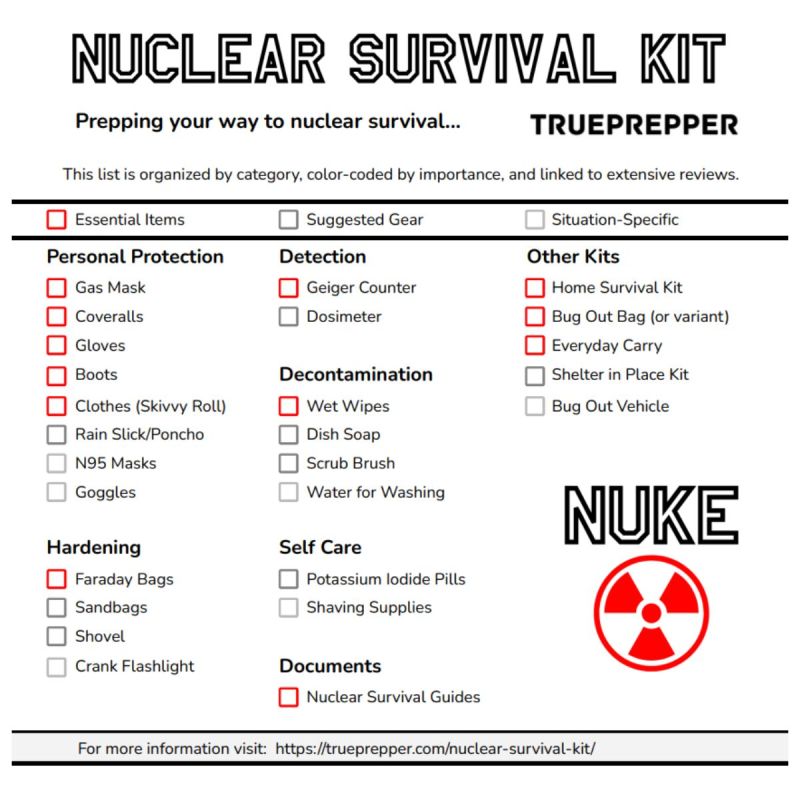
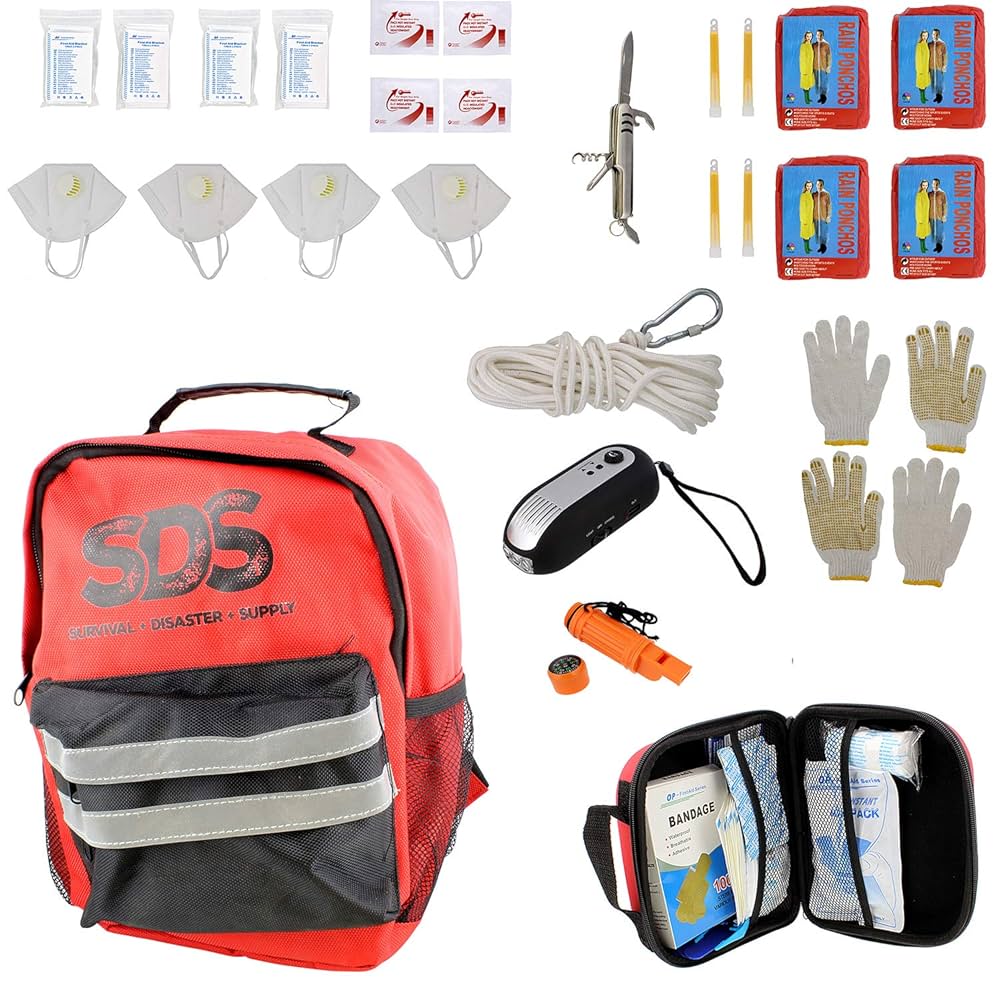
Imagine the world suddenly overrun by zombies. What would you grab first?
Your survival depends on what you have with you. A well-packed zombie survival kit can make all the difference between staying safe and being caught off guard. You need the right tools, supplies, and gear to protect yourself and keep going when things get tough.
In this guide, you’ll discover exactly what to include in your zombie survival kit—items that could save your life. Keep reading, because when the undead come knocking, being prepared isn’t just smart—it’s everything.
Survival Basics
Preparing a zombie survival kit starts with the basics of survival. These essentials keep you alive and strong during chaos. Focus on water, food, and first aid supplies. Each plays a vital role in staying safe and healthy. A well-packed kit means fewer worries about immediate dangers.
Water And Hydration
Water is the top survival priority. The human body needs water to function. Carry enough clean water for at least three days. Use sturdy bottles or hydration bladders. Water purification tablets or filters help make water safe. Staying hydrated prevents fatigue and keeps your mind sharp.
Non-perishable Food
Choose foods that last long without refrigeration. Canned goods, dried fruits, and nuts are perfect. Energy bars and jerky provide quick nutrition. Pack enough food for several days to maintain strength. Lightweight and compact items save space in your kit.
First Aid Supplies
Injuries happen, especially in dangerous situations. A basic first aid kit includes bandages, antiseptic wipes, and pain relievers. Add tweezers, scissors, and medical tape for wounds. Include any personal medication needed daily. Proper care prevents infections and speeds recovery.
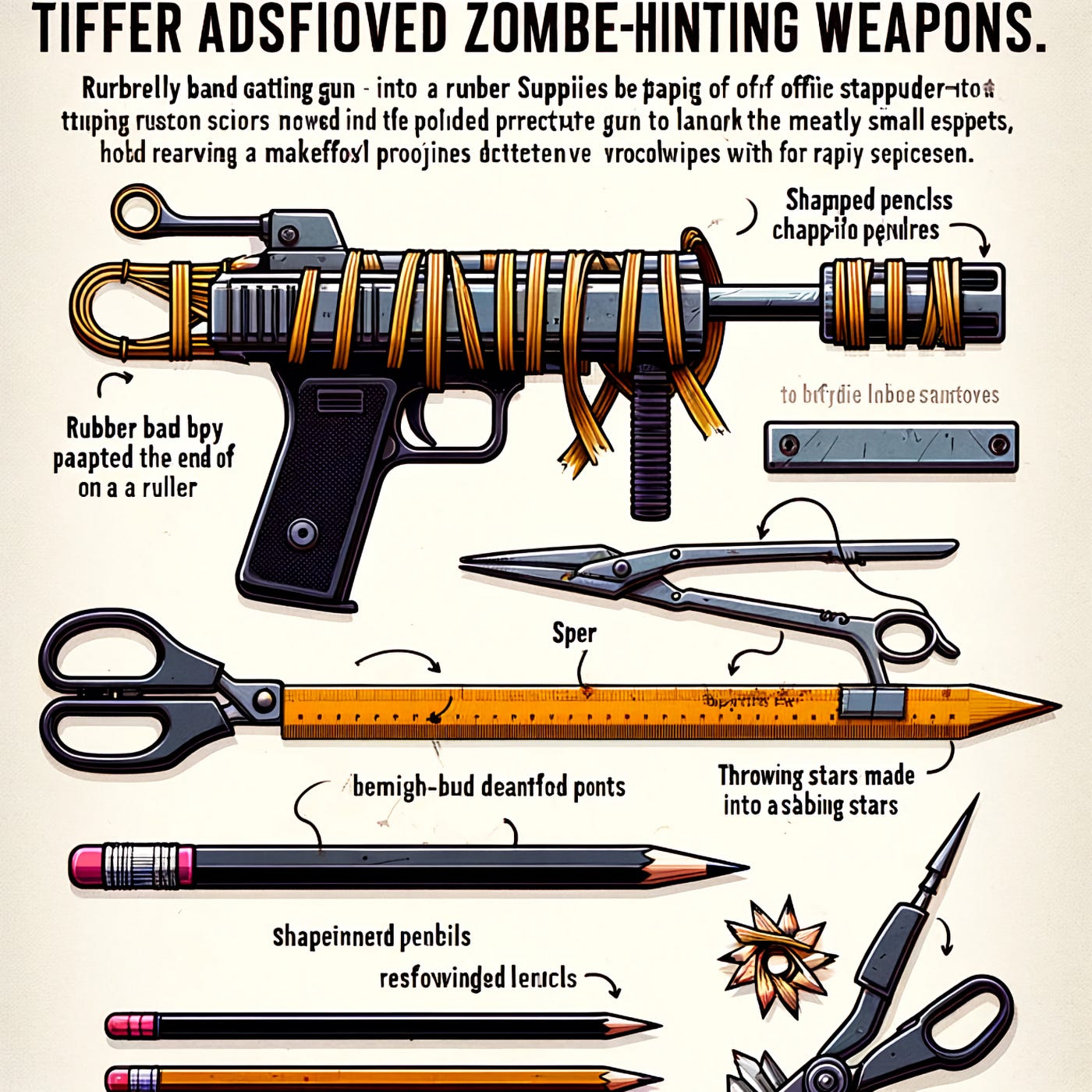
Credit: medium.com
Defense Tools
Defense tools are essential in any zombie survival kit. They give you a fighting chance to protect yourself and your loved ones. Choosing the right tools can mean the difference between staying safe and becoming a target.
Melee Weapons
Melee weapons don’t need bullets or batteries, making them reliable. Think about sturdy options like baseball bats, crowbars, or machetes. A well-balanced weapon lets you stay quiet and conserve ammo.
I once tried using a kitchen knife during a practice session and quickly realized it wasn’t effective enough. A longer blade or blunt instrument gives you better reach and impact.
Firearms And Ammunition
Firearms offer powerful defense but require careful handling and maintenance. Choose versatile guns like shotguns or handguns that are easier to reload and carry. Don’t forget to stockpile plenty of ammunition and keep it dry.
Have you thought about how often you’ll need to clean your weapons? Neglecting this can cause jams or misfires when you need them most.
Protective Gear
Wearing protective gear reduces your risk of injury. Items like helmets, gloves, and sturdy boots can protect against bites and scratches. Body armor may add extra security but consider the weight and mobility trade-offs.
Imagine sprinting from danger—heavy gear might slow you down. Balance protection with the ability to move quickly.
Shelter And Warmth
Staying safe in a zombie apocalypse means having a reliable way to stay warm and dry. Shelter and warmth protect you from harsh weather and night chills. They keep your body strong and ready to face danger. A good survival kit always includes tools and gear for shelter and warmth.
Portable Shelter Options
Choose lightweight shelters easy to carry. Small tents or tarps work well. Look for shelters that set up fast. Compact sleeping bags add warmth without bulk. Emergency blankets reflect body heat and save space. A waterproof poncho can also serve as a shelter.
Fire Starting Equipment
- Waterproof matches and lighters ignite fire quickly.
- Magnesium fire starters work in wet conditions.
- Tinder like cotton balls or dry grass helps start fires fast.
- Keep all fire tools in a dry, accessible container.
Fire provides warmth, cooks food, and signals for help. Always carry several fire-starting tools for backup.
Insulating Clothing
Pack layers of clothing to keep warm. Wool and synthetic fabrics retain heat when wet. Avoid cotton; it loses warmth fast. Gloves, hats, and scarves protect extremities. Dry socks prevent blisters and cold feet. Extra clothes help if you get wet or dirty.

Credit: www.amazon.com
Navigation And Communication
Navigation and communication are crucial in a zombie survival kit. They help you find your way and stay connected with others. Without these tools, you could get lost or isolated. Strong navigation skills and reliable communication devices increase your chances of survival.
Maps And Compass
Always carry a detailed map of your area. Paper maps do not need batteries and work anywhere. A compass helps you stay oriented and find directions. Learn to use both to avoid getting lost. They are simple, reliable, and essential tools.
Radio Devices
Radios let you communicate over long distances. A handheld two-way radio is best for survival. It helps you stay in touch with your group. Choose radios with a good battery life and clear signal. They provide vital updates and warnings during emergencies.
Signal Tools
Signal tools attract help or alert others to your location. Carry items like a whistle, mirror, or flare. Whistles make loud sounds to draw attention quickly. Mirrors reflect sunlight to send visual signals. Flares produce bright light visible from far away. These simple tools can save lives.
Hygiene And Sanitation
Keeping hygiene and sanitation in check during a zombie apocalypse is not just about comfort—it’s crucial for survival. Poor hygiene can lead to infections, illnesses, and attract unwanted pests, which you definitely want to avoid when resources are scarce. Your survival kit should include essentials that help you maintain cleanliness and manage waste effectively.
Personal Hygiene Items
Cleanliness protects you from disease and keeps your morale up. Pack items like:
- Biodegradable soapfor washing your hands and body without harming the environment.
- Toothbrush and toothpasteto prevent dental issues that can quickly turn into serious infections.
- Hand sanitizerfor quick cleaning when water isn’t available.
- Wet wipesfor a fast and easy way to freshen up.
- Feminine hygiene productstailored to your needs to avoid complications.
Think about how you would stay clean on the move or with limited water. What would you prioritize?
Waste Disposal Solutions
Handling waste properly is vital to prevent contamination and disease spread. Carry materials that help you dispose of human waste safely, such as:
- Portable toilet bagswith absorbent materials that seal in odors and germs.
- Heavy-duty trash bagsfor collecting garbage and keeping your shelter clean.
- Shovel or trowelto dig latrines away from your living area and water sources.
Imagine the consequences of ignoring waste disposal—how would that affect your group’s health and safety?
Water Purification
Water is life, but untreated water can carry deadly bacteria and parasites. Include multiple ways to purify water, such as:
- Portable water filtersto remove sediments and pathogens.
- Water purification tabletsthat kill bacteria and viruses quickly.
- Boiling equipmentlike a lightweight pot or metal container to sterilize water.
Relying on one method might put you at risk if it fails. What backup plans do you have to ensure your water stays safe?
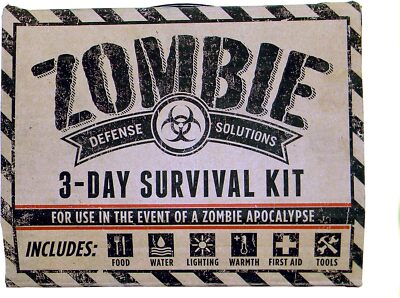
Credit: www.ebay.ca
Additional Survival Gear
Building a zombie survival kit means thinking beyond food and water. Additional gear boosts your chances of survival. It helps you handle emergencies and unexpected challenges.
Choosing the right tools can make tough situations easier. Every item should be practical and durable. Consider items that serve multiple purposes. These essentials improve safety and comfort during a crisis.
Multi-tools And Knives
Multi-tools combine many useful functions in one compact device. They include pliers, screwdrivers, and small blades. Knives are vital for cutting, preparing food, or self-defense. Choose a fixed-blade knife for strength and reliability. A folding multi-tool fits easily in pockets or bags. Both tools should be sharp and rust-resistant.
Lighting Sources
Light is critical during dark or nighttime scenarios. Flashlights, headlamps, and lanterns provide hands-free options. LED lights last longer and use less battery power. Carry extra batteries or a solar charger. Glow sticks offer a safe, silent light source. Proper lighting helps you avoid dangers and navigate safely.
Cordage And Repair Kits
Cordage like paracord is strong and versatile. Use it for building shelters, securing items, or making traps. Repair kits include needles, thread, duct tape, and patches. These help fix clothes, gear, or tents quickly. Carrying these items keeps your equipment in good shape. They save time and prevent bigger problems later.
Frequently Asked Questions
What Essentials Are In A Zombie Survival Kit?
A zombie survival kit should include water, non-perishable food, a first-aid kit, and a flashlight. Don’t forget extra batteries, a multi-tool, and a map. Include a whistle for signaling and personal hygiene items. Shelter materials like a tarp or tent are also crucial.
Prepare for long-term survival with seeds for growing food.
Why Is Water Crucial In A Survival Kit?
Water is essential for hydration and survival. Humans can only survive a few days without it. Include water purification tablets to ensure a safe supply. Dehydration can lead to fatigue and impaired decision-making. Always prioritize a clean and adequate water source in any survival situation.
How Can I Protect Myself From Zombies?
To protect yourself, include defensive tools such as a sturdy knife and a tactical flashlight. A baseball bat or crowbar can be handy too. Wear durable clothing and boots. Always be aware of your surroundings. Create barriers or traps around your shelter to deter zombies effectively.
What Tools Are Necessary For Survival?
Essential tools include a multi-tool, knife, and fire starter. These are versatile and useful for various tasks. A compass and map are crucial for navigation. Pack duct tape and rope for repairs and building. Tools increase your chances of survival by helping you adapt to challenging situations.
Conclusion
A good zombie survival kit keeps you ready and safe. Choose items that help you eat, drink, and stay warm. Think about tools for defense and first aid too. A small, light kit works best for quick moves. Practice using your kit often to know it well.
Stay calm, stay smart, and be prepared. Your survival depends on what you carry and how you use it. Ready now means safer later. What will you pack?