Imagine facing an emergency and realizing your survival kit is nowhere to be found. Where you keep your kit can make all the difference between staying safe and struggling when disaster strikes.
You want to make sure your survival kit is always within reach, yet protected from damage or loss. You’ll discover the best spots to store your survival kit so you can act fast and feel confident no matter what happens.
Keep reading to find out how a simple change in storage can boost your preparedness and peace of mind.
Home Storage Options
Choosing the right place to store a survival kit at home is crucial. It must be easy to access and safe from damage. The home offers several practical spots that meet these needs. Each space has unique benefits and fits different household layouts. Consider these popular home storage options to keep your survival kit ready for emergencies.
Kitchen Cabinets
Kitchen cabinets are common for storing survival kits. They are usually easy to reach and central in the home. Keep the kit in a cabinet that is not too high or low. This way, anyone can grab it quickly. Use waterproof containers to protect the kit from moisture. Avoid storing it near strong-smelling foods to prevent damage to supplies.
Bedroom Closets
Bedroom closets offer a private and secure place for a survival kit. They keep the kit hidden from view but accessible. Store the kit on a shelf or in a bin for easy removal. Bedrooms are good spots if you need to grab the kit during the night. Label the container clearly to avoid confusion during emergencies.
Basement Shelves
Basement shelves provide ample space and can keep the survival kit safe from heat. This area stays cooler and drier, helping preserve the contents longer. Use sturdy containers to protect the kit from dust and pests. Make sure the shelves are easy to reach and well-lit. Keep the kit visible to avoid forgetting its location.
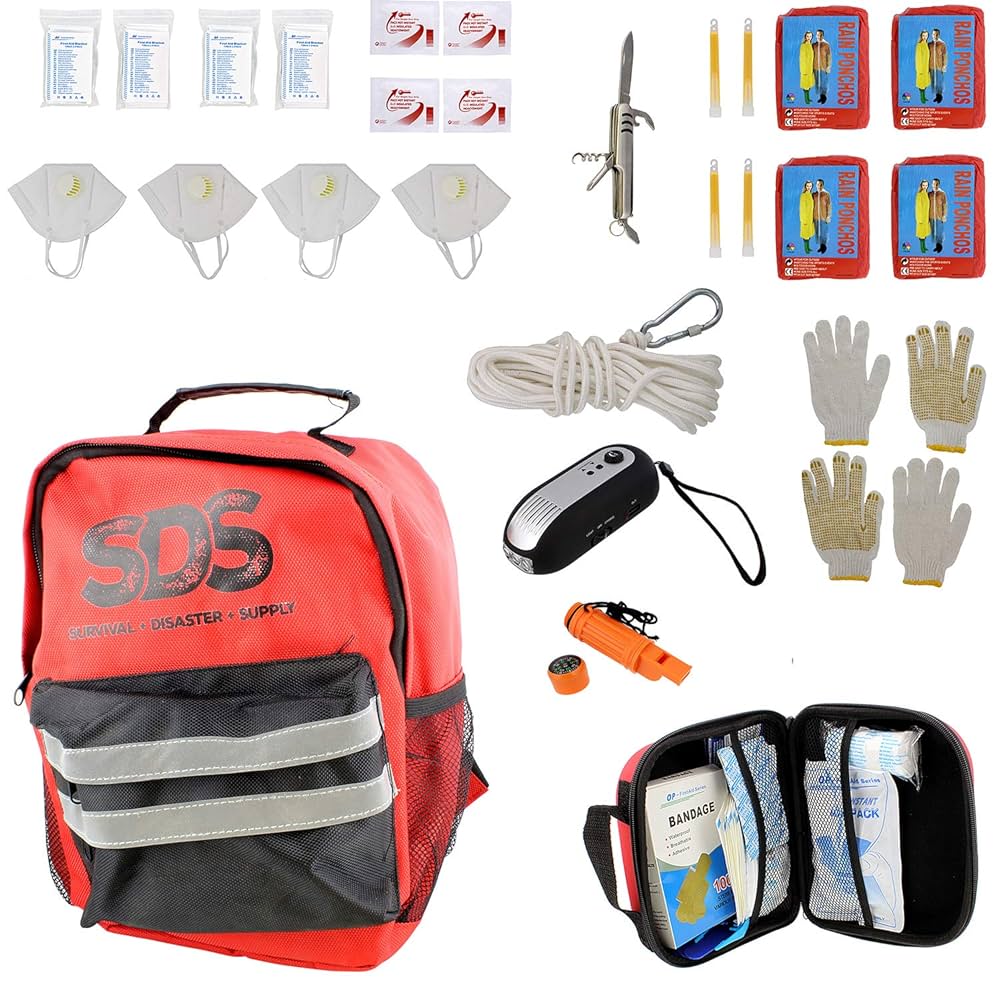
Credit: www.victoria.ca
Vehicle Survival Kits
Vehicle survival kits are essential for unexpected emergencies on the road. They hold tools and supplies that help during breakdowns, accidents, or severe weather. Keeping the kit in the right spot in your vehicle ensures quick access when needed. Organizing your survival kit properly can make a big difference in urgent situations.
Glove Compartment
The glove compartment offers easy access to small survival items. It fits compact kits with essentials like a flashlight, first aid items, and multi-tools. This spot is perfect for quick retrieval without leaving the driver’s seat. Keep the kit neat to avoid clutter and ensure everything fits well.
Trunk Space
The trunk provides ample space for larger survival kits. It can hold bulky items such as blankets, extra water, and jumper cables. Store the kit in a sturdy container to protect it from damage. Make sure the kit is secured to prevent shifting during travel.
Under Seat Storage
Under seat storage keeps survival kits out of sight but still easy to reach. This area works well for medium-sized kits with tools and emergency supplies. It offers protection from heat and direct sunlight. Check this space regularly to keep the kit organized and ready.
Workplace Emergency Kits
Workplace emergency kits can be lifesavers in unexpected situations. Knowing exactly where to keep them ensures quick access when every second counts. You want your kit placed where it is both secure and easy to reach for you and your colleagues.
Desk Drawers
Keeping a survival kit in your desk drawer puts it right at your fingertips. It’s a private spot that only you can access, which helps prevent tampering or loss. However, consider the size of the kit—compact versions work best here to avoid clutter.
Think about how quickly you can grab it if an emergency strikes. Does your drawer open smoothly? Is it easy to find in a rush? These small details can make a big difference.
Office Lockers
Office lockers offer a secure place to store larger or more comprehensive emergency kits. This is especially helpful if you share workspace or want to keep supplies for a team. Lockers protect your kit from damage or theft but make sure the key or combination is accessible to trusted coworkers.
Ask yourself: who else might need access? Sharing the locker code with a few responsible people can speed up response times during an emergency.
Common Areas
Placing survival kits in common areas increases their visibility and accessibility for everyone. Hallways, break rooms, or near first aid stations are ideal spots. This encourages a culture of preparedness and ensures multiple people can reach the kit quickly.
However, kits here should be clearly labeled and easy to use. Regularly check that supplies are stocked and not expired—after all, a kit is only useful if it’s ready when you need it.

Credit: unchartedsupplyco.com
Outdoor And Travel Locations
Choosing the right place for your survival kit during outdoor activities or travel is crucial. The location affects how quickly you can access your supplies. It also impacts the safety and condition of your items. Proper storage keeps your kit ready for any emergency or unexpected event.
Consider places that are easy to carry and protect your kit from weather and damage. Your survival kit should be part of your gear, blending convenience with preparedness. This makes your outdoor experience safer and more enjoyable.
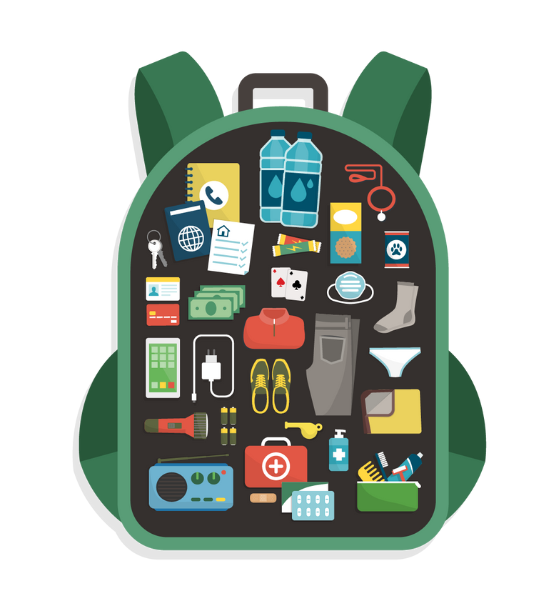
Backpacks
Backpacks offer a practical spot for your survival kit. They keep your supplies close at hand. Use a dedicated compartment or pouch inside your backpack. This prevents your kit from getting lost or mixed with other items.
Choose a waterproof backpack or use dry bags inside. This protects your kit from rain and moisture. Always pack your survival kit near the top or in an easy-access pocket. Quick access can make a big difference in emergencies.
Camping Gear
Camping gear such as tents or sleeping bags can hide your survival kit safely. Place small kits inside your tent bag or sleeping bag sack. This keeps your kit protected and easy to find.
Use gear with storage compartments. These help organize your survival tools. Keep your kit away from the ground to avoid dirt and water. Elevate it inside your tent or hang it from nearby trees.
Portable Containers
Portable containers are ideal for protecting your survival kit outdoors. Choose waterproof, shockproof containers that seal tightly. Containers made from hard plastic or metal guard your supplies from damage.
Label your container clearly for quick identification. Attach it to your belt or backpack with clips or straps. This keeps your kit secure and always within reach. Compact containers save space and reduce weight.
Special Considerations
Choosing the right place for your survival kit takes careful thought. It is not just about storing the kit. You must consider how easy it is to reach. The kit should stay safe from weather and harmful conditions. Protecting children and pets from hazards in the kit is also key. These special points help keep the kit ready for use.
Accessibility And Visibility
Keep the survival kit where you can reach it fast. It should be easy to find in a hurry. Store it in a place known to all family members. Avoid hidden spots that take time to open. Use clear labels or bright colors to make it visible. Place it near main exit doors or common rooms.
Climate And Weather Protection
Choose a dry and cool place to protect your kit. Moisture and heat can damage supplies like food and medicine. Use waterproof containers or sealed bags inside the kit. Avoid storing it near heaters, windows, or damp basements. Check the kit often to keep items fresh and safe.
Child And Pet Safety
Keep the survival kit out of children’s and pets’ reach. Some items can be harmful if touched or swallowed. Use locked cabinets or high shelves for storage. Teach children about the kit’s purpose but warn them not to open it. Secure sharp or toxic objects inside the kit safely.

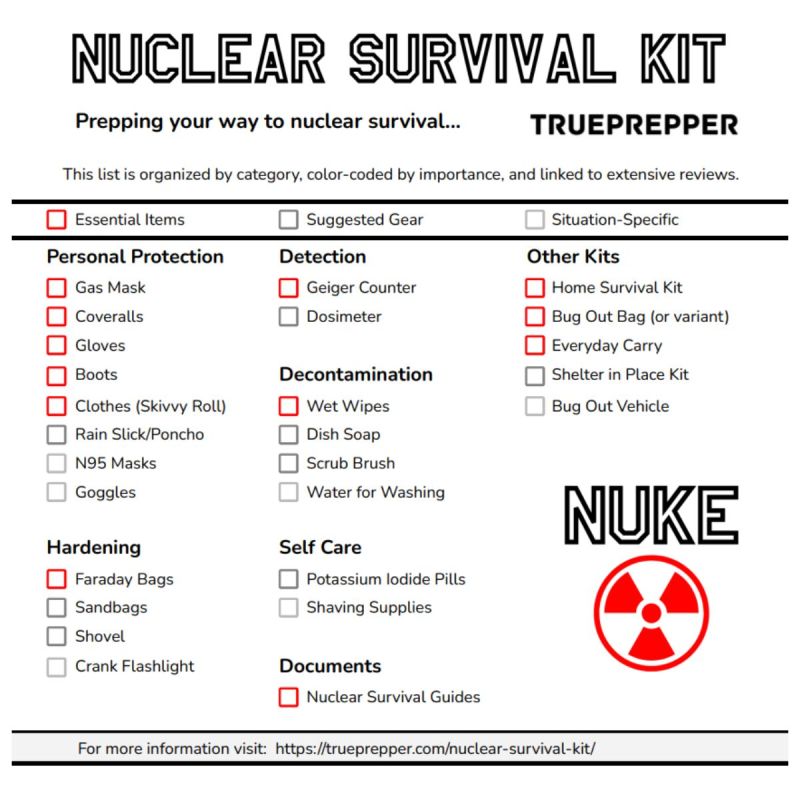
Credit: trueprepper.com
Maintenance And Updates
Keeping your survival kit ready is about more than just assembling it once. Regular maintenance and updates ensure that every item inside is functional and relevant when you really need it. Neglecting this can turn your carefully prepared kit into a collection of useless or expired supplies.
Regular Inventory Checks
Set a schedule to check your survival kit at least twice a year. Open your kit and go through each item one by one to confirm everything is still there and in good condition. You might be surprised how quickly things can get misplaced or damaged.
Keep a checklist handy to mark off what you have and spot missing items immediately. This habit will save you from scrambling to find replacements during an emergency.
Replacing Expired Items
Many essentials in your kit, like food, water, and medicine, come with expiration dates. Check these dates carefully and replace anything expired without delay. Think about your last time updating your kit—did you find anything past its prime?
Don’t forget batteries and first-aid supplies; they also lose effectiveness over time. Replacing expired items keeps your survival kit reliable and ready for action.
Adapting To Seasonal Needs
Your survival kit should reflect the changing seasons and conditions you might face. Winter calls for extra warm clothing and heat packs, while summer might require more water and sun protection. Have you thought about what changes your kit needs as seasons shift?
Review your kit regularly and swap items based on weather forecasts and your local environment. This small adjustment can make a big difference when you rely on your kit outdoors or during power outages.
Frequently Asked Questions
Where Should I Store My Survival Kit At Home?
Store your survival kit in a cool, dry place that’s easily accessible. A closet near an exit or a basement can be ideal. Ensure it’s away from direct sunlight and moisture to maintain the kit’s integrity. Regularly check the kit to keep supplies updated and ready for emergencies.
Is It Safe To Keep A Survival Kit In A Car?
Yes, keeping a survival kit in your car is wise for emergencies. Use a durable, waterproof container and store it in the trunk or under a seat. Include items like water, non-perishable food, a flashlight, and a first-aid kit. Regularly check and replace expired items.
Can I Keep My Survival Kit In A Garage?
A garage can be a suitable place if it’s climate-controlled and dry. Avoid areas prone to flooding or extreme temperatures. Use a sturdy, waterproof container to protect the contents. Make sure the kit is easily accessible and not blocked by vehicles or other stored items.
Should I Keep A Survival Kit At Work?
Yes, keeping a survival kit at work is beneficial. Store it in a desk drawer or locker within easy reach. Include essential items like water, snacks, a flashlight, and a first-aid kit. Make sure your coworkers know its location in case of an emergency.
Conclusion
Keeping your survival kit in the right place matters a lot. Choose a spot that is easy to reach fast. Think about places like your car, home, or workplace. Make sure everyone in your family knows where it is. Check your kit often to keep it ready.
Being prepared means less stress during emergencies. A well-placed survival kit can keep you safe. Small steps now can make a big difference later. Stay ready, stay safe.