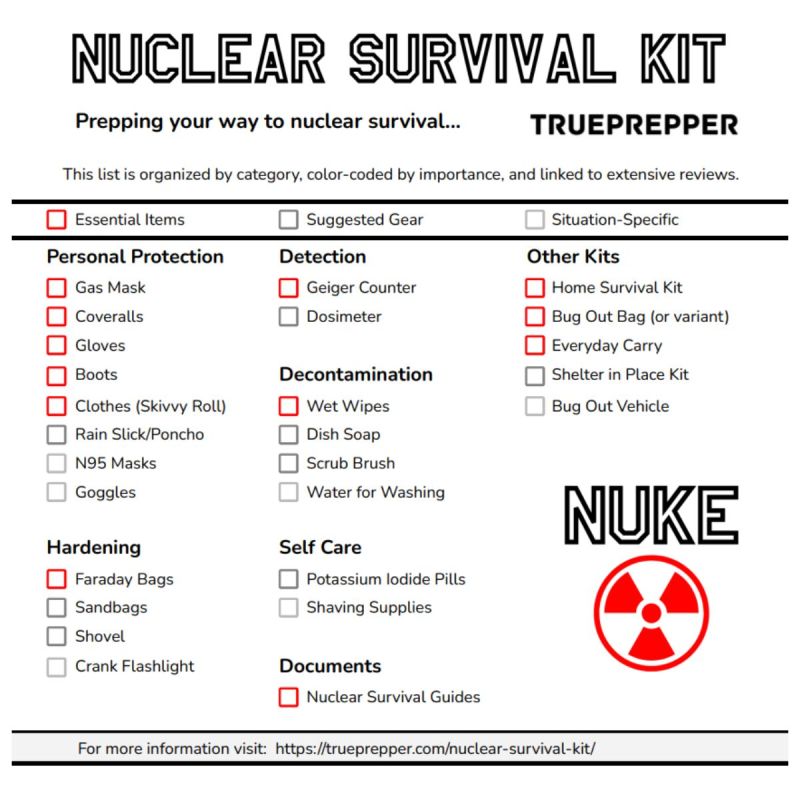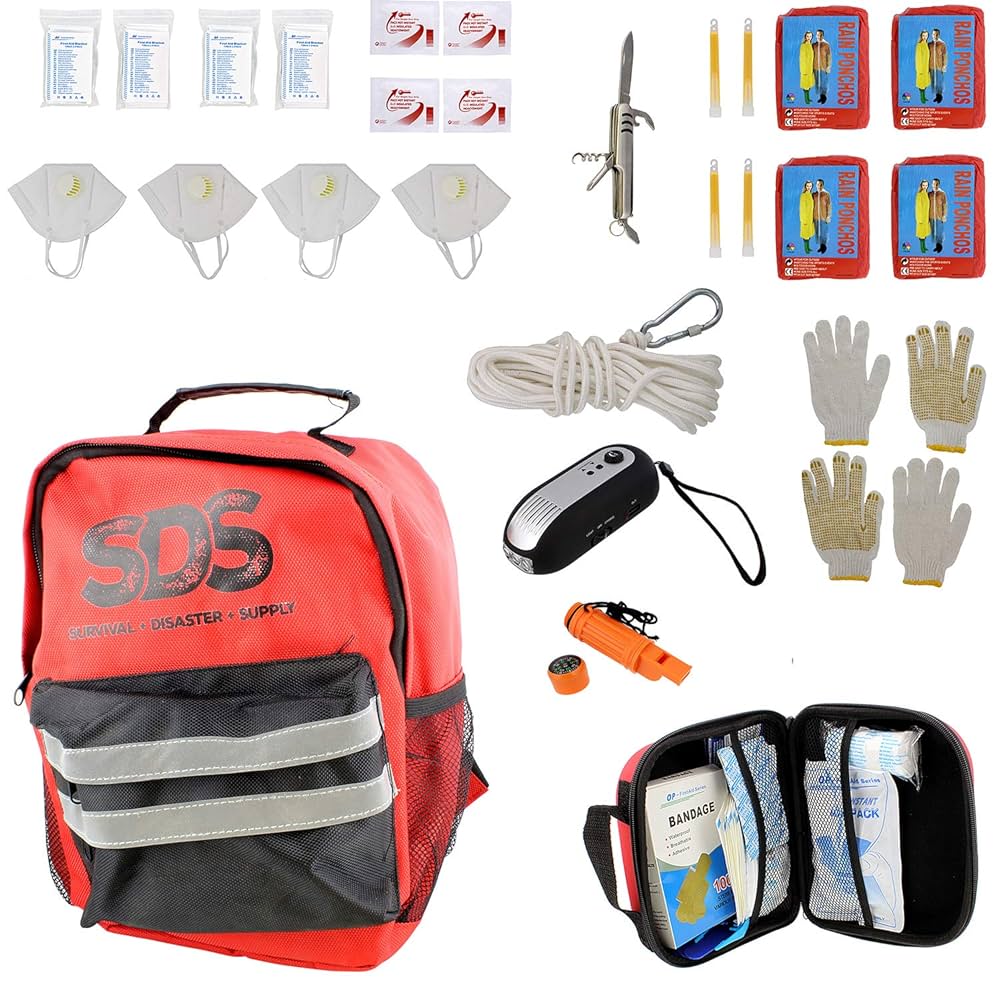
When an emergency strikes, having the right survival kit can make all the difference. But what exactly should you put in a survival kit in New Zealand?
You want to be prepared without carrying unnecessary weight. This guide will help you build a kit that fits your needs, keeps you safe, and gives you peace of mind. Keep reading to discover the essential items you must have in your survival kit, so you’re ready for anything life throws your way.
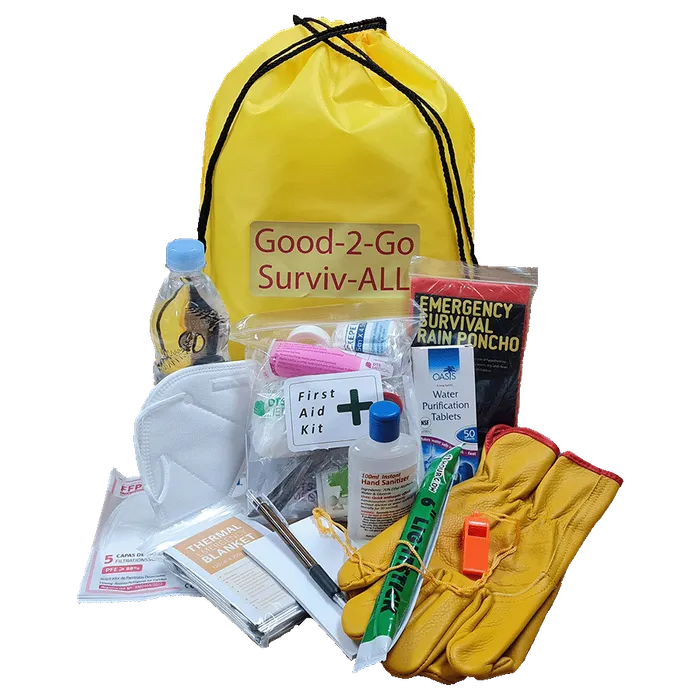
Credit: ktservices.nz
Basic Survival Essentials
Basic survival essentials form the foundation of any reliable survival kit. These items help you stay alive and comfortable during an emergency. Focus on essentials that provide water, food, shelter, and warmth. Each element plays a key role in survival situations, especially in New Zealand’s diverse environments.
Water And Hydration Tools
Water is the most critical survival need. Carry a durable water bottle or hydration bladder. Include water purification tools like tablets or a small filter. These ensure safe drinking water from natural sources. A metal cup or container helps boil water for extra safety.
Food And Nutrition Supplies
Choose lightweight, high-energy food that lasts long. Pack items like energy bars, dried fruits, and nuts. Include ready-to-eat meals or freeze-dried options. Carry a compact utensil set for eating. These foods provide essential calories and nutrients without heavy weight.
Shelter And Warmth Gear
Protection from weather is vital for survival. Include a compact tent or emergency bivvy bag. A lightweight tarp can also serve as shelter. Pack a warm sleeping bag suitable for New Zealand’s climate. Carry extra clothing layers and waterproof gear to stay dry and warm.
Navigation And Communication
Navigation and communication tools are essential in any survival kit, especially in New Zealand’s diverse and often remote landscapes. They help you find your way and stay connected when you need help the most. Without reliable navigation and communication, even the best survival skills can fall short.
Maps And Compass
A detailed topographic map of the area you’ll be in is a must-have. It shows terrain features, trails, and landmarks that GPS devices might miss. Pair this with a reliable compass to navigate when electronic devices fail or run out of power.
Knowing how to read a map and use a compass can save your life. Have you practiced these skills recently? It’s worth spending time learning to orient yourself with just these tools.
Emergency Signaling Devices
Signaling devices help rescuers find you quickly. A whistle is lightweight and can be heard over long distances—blow three short blasts repeatedly to signal distress. Adding a signal mirror can catch sunlight and attract attention from far away.
Consider including bright-colored flags or a small flare to improve your visibility. Think about the last time you saw emergency signals in action—were they effective? Your signals should be visible and audible enough to stand out in the wilderness.
Portable Communication Tools
A fully charged mobile phone is useful, but don’t rely on it alone. Cell service can be spotty or non-existent in remote parts of New Zealand. Carry a personal locator beacon (PLB) or a satellite messenger to send SOS alerts and your GPS coordinates to emergency services.
These devices can be lifesavers, literally. Have you checked the battery life and operation of your communication tools before heading out? Regular checks ensure they work when you need them most.
First Aid And Health Items
First aid and health items are the backbone of any survival kit in New Zealand. You never know when a small injury could turn into a big problem without the right supplies. Being prepared means having essentials on hand to treat wounds, manage pain, and protect your skin from the elements.
Basic First Aid Supplies
Your survival kit should include the fundamentals to handle common injuries quickly. Think adhesive bandages in various sizes, sterile gauze pads, and adhesive tape to secure dressings. Don’t forget antiseptic wipes and antibiotic ointment to prevent infection.
Adding a pair of tweezers and small scissors can help you remove splinters or cut tape efficiently. A digital thermometer and disposable gloves are also smart choices to monitor health and stay hygienic while treating wounds.
Medications And Personal Care
Including a selection of over-the-counter medications is essential to manage pain, allergies, or upset stomachs. Pack pain relievers like paracetamol or ibuprofen, antihistamines for allergic reactions, and anti-diarrheal tablets.
Personal care items, such as lip balm and hand sanitizer, keep you comfortable and reduce infection risks. If you take prescription medication, always add an emergency supply and keep it updated.
Insect And Sun Protection
New Zealand’s outdoors can expose you to insect bites and strong sun. Include insect repellent containing DEET or natural alternatives to avoid uncomfortable bites and potential disease.
Sunscreen with a high SPF rating protects your skin during long hours outside. Don’t forget after-sun lotion to soothe any sunburn and keep your skin healthy in tough conditions.
Tools And Equipment
Choosing the right tools and equipment for your survival kit in New Zealand can make all the difference in an emergency. These items should be versatile, durable, and easy to carry. Think about what you might face outdoors or during a sudden power outage, and pack accordingly.
Cutting And Multi-tools
A sharp knife is essential for almost every survival task. It can help with preparing food, building shelter, or making kindling. Multi-tools are excellent because they combine several useful functions like pliers, screwdrivers, and scissors into one compact device.
Look for tools with sturdy blades made from stainless steel to resist rust, especially in New Zealand’s damp climate. Have you ever struggled to open a can or fix gear without the right tool? A good multi-tool prevents that frustration and saves time when every second counts.
Fire Starting Kits
Fire is critical for warmth, cooking, and signaling. Carrying a reliable fire-starting kit means you can get a flame going even in wet conditions. Waterproof matches, a magnesium fire starter, or a flint striker are all great options.
It’s wise to pack more than one type, just in case. Remember how hard it was to light a campfire when everything was damp? Having a backup fire starter can be a real lifesaver in those moments.
Lighting And Power Sources
Light is often overlooked but vital when darkness falls unexpectedly. A compact LED flashlight or headlamp provides hands-free illumination while you work. Solar-powered chargers or portable power banks keep your devices running, especially if you rely on a phone for GPS or emergency calls.
Consider how quickly your phone battery drains when you’re outdoors all day. Bringing extra power sources ensures you stay connected and visible in the dark, boosting your safety significantly.
Clothing And Personal Protection
Clothing and personal protection are vital parts of any survival kit in New Zealand. Proper attire keeps you safe from harsh weather and environmental dangers. It also helps maintain your body temperature and prevents injuries. Choosing the right items can increase your chances of staying healthy and comfortable during an emergency.
Weather-appropriate Clothing
New Zealand’s weather changes quickly. Pack clothes that suit all seasons and conditions. Include:
- Lightweight, breathable shirts for warm days
- Waterproof jackets to stay dry in rain
- Insulating layers like fleece or wool for cold nights
- Quick-dry pants and socks
- Wide-brimmed hats for sun protection
Choose clothes that dry fast and resist wind. Layering helps adjust to temperature changes.
Protective Gear
Protective gear guards your body from cuts, bites, and scrapes. Include:
- Sturdy gloves for handling rough materials
- Durable boots with good grip for uneven terrain
- Safety goggles to shield eyes from debris
- A wide hat or cap to protect your head
Wear protective gear even during simple tasks. It reduces injury risks in emergencies.
Emergency Blankets
Emergency blankets are compact and lightweight. They retain body heat and block wind. Use them for warmth or shelter. Keep several blankets in your kit. They help prevent hypothermia and keep you dry. Easy to carry and very effective.

Credit: thesurvivalco.nz
Special Considerations For Nz
Survival kits in New Zealand need special items due to unique local conditions. The environment, wildlife, and laws shape what to pack. Preparing for these factors boosts safety and readiness.
Local Wildlife Precautions
New Zealand has few dangerous animals, but some require caution. Include insect repellent to prevent sandfly bites. Carry a basic first aid kit for minor wounds or allergic reactions. Avoid attracting wildlife by sealing food tightly. Know how to respond to encounters with bees or wasps, common in many areas.
Natural Disaster Preparedness
Earthquakes and floods are common natural events in New Zealand. Pack a whistle to signal for help after quakes. Include a waterproof torch and extra batteries. Carry emergency blankets to stay warm during sudden weather changes. Store bottled water and non-perishable food for at least three days. Add a small radio to receive weather and safety updates.
Legal And Regulatory Items
New Zealand has strict biosecurity laws to protect its environment. Avoid carrying fresh fruits, plants, or soil across regions. Include identification documents and any necessary permits in your kit. Keep a copy of emergency contact numbers and local authority information. Follow local rules on carrying knives or tools in public places.
Packing And Maintenance Tips
Packing and maintaining a survival kit is crucial for safety in New Zealand. A well-packed kit ensures you have what you need. Regular upkeep keeps items usable and ready. Simple steps improve your kit’s reliability.
Organizing Your Kit
Arrange items by category for quick access. Use clear bags or small containers to separate essentials. Keep food, water, tools, and first aid apart. Label each section to save time during emergencies. Compact packing helps save space and weight.
Regular Checks And Updates
Inspect your kit every six months. Check expiration dates on food and medicine. Replace used or damaged items immediately. Test batteries and replace dead ones. Update your kit based on seasonal needs or changes in health.
Customizing For Your Needs
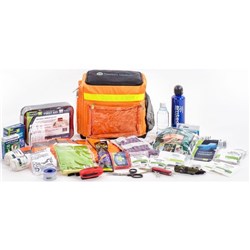
Consider your location and lifestyle when packing. Add items for specific weather or terrain. Include personal medications and important documents. Think about the number of people relying on the kit. Tailor the kit to fit your unique situation.
Credit: www.officemax.co.nz
Frequently Asked Questions
What Essentials Should Be In A Survival Kit?
A survival kit should include water, non-perishable food, a first-aid kit, flashlight, batteries, and a multi-tool. Also, include a whistle, emergency blanket, and waterproof matches. Personalize your kit with necessary medications and important documents. Ensure items are stored in a waterproof container.
How Much Water Is Needed In A Survival Kit?
Include at least three liters of water per person per day. Consider portable water filters or purification tablets for emergencies. Water storage should be easy to carry. Rotate stored water every six months to ensure freshness. Always have a backup plan for additional water sources.
Why Include A First-aid Kit In A Survival Kit?
A first-aid kit is crucial for treating injuries during emergencies. It should contain bandages, antiseptic wipes, pain relievers, and medical tape. Include items like tweezers, scissors, and a first-aid manual. Regularly check and replenish expired or used items. Tailor it to your family’s specific health needs.
How Often Should I Update My Survival Kit?
Update your survival kit every six months. Check expiration dates on food, water, and medications. Replace batteries and ensure all equipment is functional. Adjust the kit for seasonal changes and family needs. Regular updates ensure your kit is ready for any emergency situation.
Conclusion
A good survival kit keeps you safe and ready for emergencies. Include water, food, first aid, and tools. Choose items that suit New Zealand’s weather and landscape. Check your kit often and replace old supplies. Being prepared helps you stay calm and confident.
Take time now to build your kit. It can make a big difference one day. Stay safe and ready for anything.