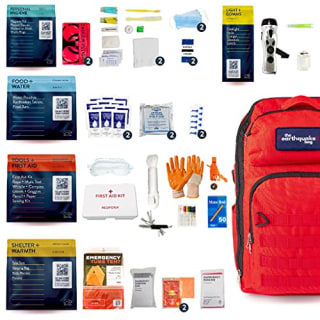
Imagine facing an unexpected situation where every decision you make counts. Your survival kit is packed, but have you thought about why extra clothes are a must-have?
You might wonder, “Is it really necessary to carry more than one outfit? ” The truth is, extra clothes can be a lifesaver when you least expect it. They protect you from harsh weather, keep you comfortable, and even boost your morale in tough times.
Keep reading to discover why adding extra clothes to your survival kit isn’t just smart—it could be the key to your safety and well-being.
Importance Of A Survival Kit
A survival kit is essential for staying safe during emergencies. It contains tools and supplies to help you survive unexpected situations. Having a well-prepared kit increases your chances of staying healthy and comfortable.
Extra clothes are a critical part of any survival kit. They protect you from harsh weather and keep your body temperature stable. Without proper clothing, your body can lose heat quickly, leading to serious health risks.
Protection Against Weather Changes
Weather can change suddenly and without warning. Extra clothes help you adapt to cold, rain, or wind. Staying dry and warm prevents hypothermia and keeps you stronger for longer.
Maintaining Body Temperature
Clothing acts as insulation. It traps body heat and stops cold air from reaching your skin. Layering clothes allows you to add or remove items as needed to control your body temperature.
Preventing Skin Problems
Dirty or wet clothes can cause skin infections and rashes. Fresh clothes keep your skin clean and healthy. This is important when you cannot shower or wash regularly.
Boosting Morale And Comfort
Changing into clean clothes can improve your mood. Feeling comfortable helps you think clearly and stay calm. Mental strength is key to surviving tough situations.
Role Of Clothing In Survival
Clothing plays a crucial role in survival situations. It’s more than just covering your body—it helps regulate temperature, protect against injuries, and even boost your morale. Having extra clothes in your survival kit can make a significant difference between comfort and danger.
Temperature Regulation And Weather Protection
Your body temperature can drop quickly in cold or wet conditions. Extra clothes provide layers that trap heat and keep you warm. They also shield you from wind, rain, and snow, which can drain your energy and increase the risk of hypothermia.
Think about a time you felt chilled and uncomfortable because your clothes got wet or you didn’t have enough layers. How did that affect your focus or energy? That’s why having dry, insulating layers is essential.
Injury Prevention And Skin Protection
Rough terrain, thorny bushes, and insects can cause cuts, scrapes, or bites. Wearing extra clothes offers a barrier against these hazards. Long sleeves, pants, and sturdy fabrics help protect your skin from harm and infections.
Do you want to risk a minor injury turning into a serious problem because you didn’t have proper coverage? Extra clothing reduces that risk and keeps you safer.
Psychological Comfort And Morale Boost
Survival situations are stressful, and feeling cold, wet, or uncomfortable can lower your spirits. Wearing fresh, dry clothes can improve your mood and give you a sense of control. This mental boost can increase your chances of making smart decisions.
Have you noticed how a simple change of clothes makes you feel refreshed and ready to face challenges? That same effect applies when you’re in survival mode.
Weather Protection
Weather can change without warning, and having extra clothes in your survival kit is essential for protecting yourself from the elements. Proper clothing acts as a barrier that keeps you comfortable and safe, no matter what nature throws at you. Let’s look at how extra clothes help you defend against cold, rain, and sun.
Cold Weather Defense
Cold temperatures can quickly sap your energy and lead to dangerous conditions like hypothermia. Extra layers trap body heat and keep you warm when the temperature drops unexpectedly. Think about adding insulated jackets, thermal underwear, or even a wool sweater to your kit.
Have you ever felt that sudden chill after the sun sets? That’s why having a warm layer ready can make the difference between staying alert or becoming sluggish and vulnerable. Remember, it’s easier to remove layers if you get too hot than to warm up when you’re freezing.
Rain And Moisture Shield
Wet clothes can drain your body heat fast and cause discomfort or illness. Keeping dry is critical, so packing waterproof or quick-dry clothing is smart. A rain jacket or poncho can shield you from unexpected showers or damp environments.
Even dampness from sweat can chill you during cool weather. You want materials that wick moisture away and dry quickly to maintain comfort. Extra clothes give you the option to change out of wet layers and stay protected.
Sun And Heat Barrier
Strong sun exposure can cause burns, dehydration, and heat exhaustion. Lightweight, long-sleeved shirts and wide-brimmed hats act as barriers against harmful UV rays. These clothes also help you stay cool by reflecting sunlight and allowing airflow.
Have you noticed how dark clothing can make you hotter in the sun? Choosing light-colored, breathable fabrics can keep your body temperature down. Carrying extra clothes means you can swap out sweaty or uncomfortable pieces and keep your skin safe.
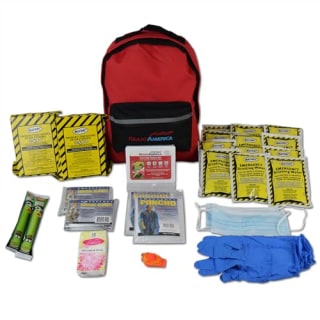
Credit: www.nbcnews.com
Emergency Situations
Emergency situations often bring unexpected weather and harsh conditions. Having extra clothes in a survival kit helps manage body temperature. It also protects against environmental dangers. Proper clothing can make a big difference in staying safe and comfortable.
Hypothermia Prevention
Cold weather can cause hypothermia quickly. Wet or damp clothes lower body temperature fast. Extra dry clothes keep the body warm and dry. Layering clothes traps heat and shields against wind. A hat and gloves help keep heat from escaping. Staying warm prevents confusion, fatigue, and severe health issues.
Heatstroke Avoidance
Hot weather can lead to heatstroke and dehydration. Light, loose clothes help the body stay cool. Extra clothes allow changing out of sweaty garments. This reduces skin irritation and overheating. Covering the skin also protects against sunburn. Proper clothing helps keep the body temperature safe and stable.
Types Of Essential Clothing
Choosing the right clothes for your survival kit can make a huge difference in how you handle unexpected situations. Different types of clothing serve different purposes, helping you stay comfortable, dry, and warm. Understanding these essentials prepares you to adapt to changing weather and conditions effectively.
Layering Techniques
Layering your clothes lets you adjust easily to temperature changes. Start with a moisture-wicking base layer to keep sweat off your skin. Add an insulating middle layer for warmth, and finish with an outer layer that blocks wind and rain.
Have you ever felt cold because your clothes didn’t let sweat escape? Using layers solves that by managing moisture and heat separately. This approach keeps you comfortable whether you’re resting or moving.
Waterproof And Windproof Options
Water and wind can quickly drain your body heat. Including waterproof and windproof garments protects you from harsh weather. Look for jackets and pants made from breathable materials that stop rain but let sweat evaporate.
Imagine being caught in a sudden downpour—without waterproof gear, you risk hypothermia. Packing a lightweight, compact rain shell can save you from danger and discomfort. Don’t forget a hood and adjustable cuffs to seal out the elements.
Insulated Garments
Cold environments demand insulated clothing to maintain your core temperature. Down or synthetic insulated jackets are great for trapping body heat without adding too much weight. They compress easily, making them perfect for packing.
Think about nights when temperatures drop sharply—you’ll want an insulated layer ready. Even a simple insulated vest can provide extra warmth without restricting movement. Choosing the right insulation can be a lifesaver in survival situations.
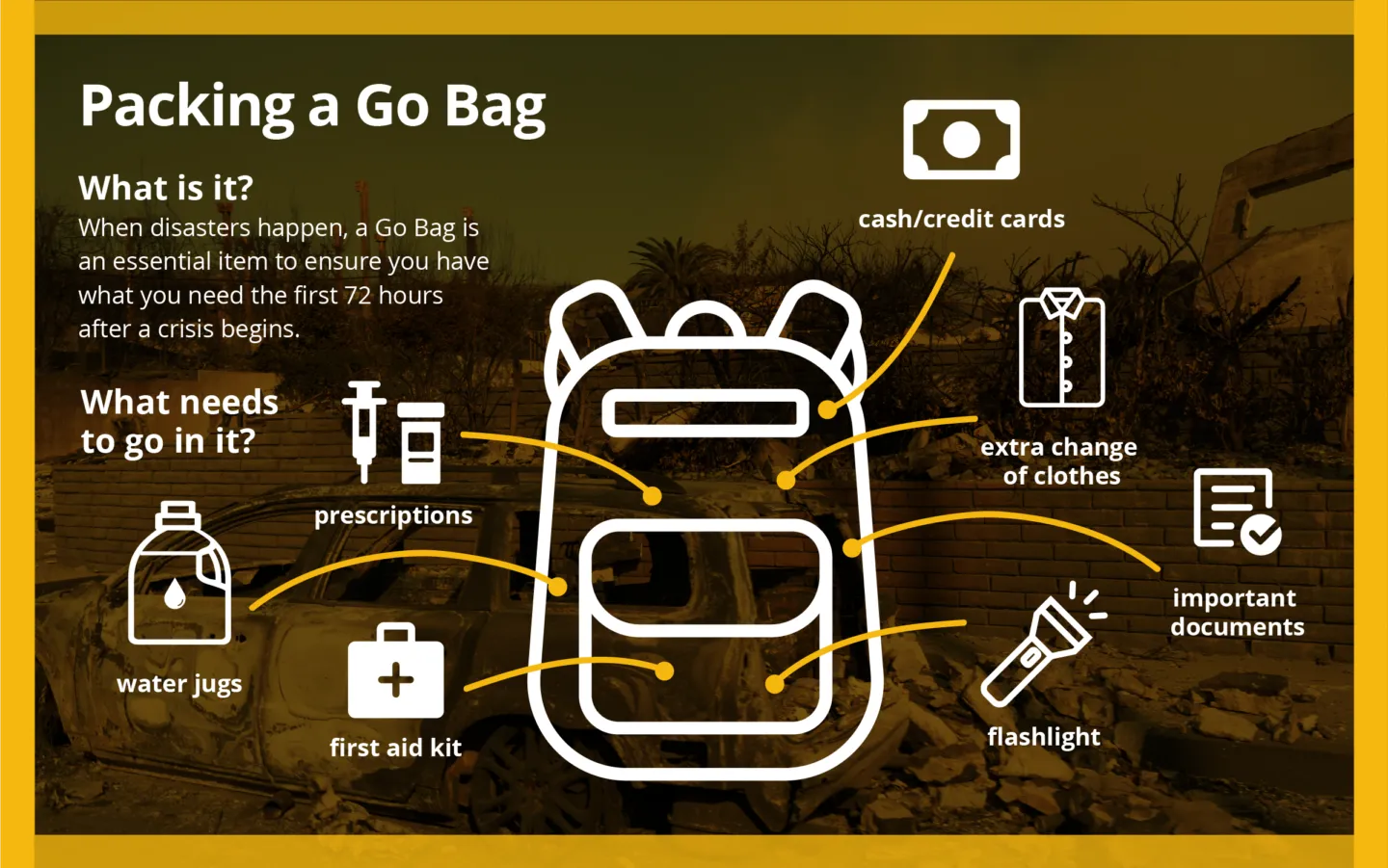
Credit: www.projecthope.org
Versatility Of Clothing Items
Having extra clothes in your survival kit isn’t just about comfort; it’s about preparing for the unknown. Clothing that can serve multiple purposes gives you an edge when resources are limited and conditions change rapidly. Let’s look at how versatile clothing items can make a real difference in a survival situation.
Multi-use Clothing
Think beyond just wearing clothes. A sturdy jacket can double as a shelter or a ground cover. A bandana might serve as a sweatband, a dust mask, or even a makeshift sling.
Clothes with removable layers let you adjust quickly. Zip-off pants that turn into shorts are handy when temperatures swing. You can also use clothes for signaling—bright colors or reflective strips catch attention when you need rescue.
Adaptability To Various Conditions
Survival scenarios often throw unexpected weather at you. Extra clothes help you stay dry, warm, or cool, depending on the environment. Moisture-wicking fabrics keep sweat away, while insulated layers trap heat when temperatures drop.
Have you ever been caught in a sudden rainstorm with just one shirt? Adding a waterproof layer from your kit could save you from hypothermia. Versatile clothing means you can adapt to heat, cold, wet, or windy conditions without carrying bulky gear.
Maintenance And Storage Tips
Keeping extra clothes in your survival kit is only half the battle. How you maintain and store these clothes can make a huge difference when you finally need them. Clothes that are crumpled, damp, or damaged won’t help you stay warm or dry, so taking care of them is essential for your safety and comfort.
Proper Folding And Packing
Folding your clothes neatly reduces wrinkles and saves space. Try to fold each item into a compact rectangle, avoiding bulky folds that create pressure points. Rolling clothes can also work well, especially for softer fabrics, as it minimizes creases and fits better in tight spaces.
Use waterproof bags or compression sacks to keep your clothes dry and organized. Keeping similar items together—like socks in one pouch and shirts in another—makes it easier to find what you need quickly. Have you ever rummaged through a messy bag in an emergency? Proper packing can save you from that stress.
Long-term Storage Solutions
Storing clothes for long periods requires protection from moisture, pests, and mildew. Vacuum-sealed bags are excellent for eliminating air and keeping clothes fresh. If vacuum sealing isn’t an option, airtight plastic containers with tight lids work well too.
Include silica gel packets or moisture absorbers inside your storage containers to prevent dampness. Store your kit in a cool, dry place away from direct sunlight to avoid fabric degradation. Do you check your survival kit regularly? Rotating clothes every few months can keep everything in good condition and ready when you need it most.

Credit: unchartedsupplyco.com
Frequently Asked Questions
Why Are Extra Clothes Essential In A Survival Kit?
Extra clothes help regulate body temperature and keep you dry. They protect against cold, wet, and wind. Proper clothing prevents hypothermia and improves comfort during emergencies.
How Do Extra Clothes Improve Survival Chances?
Wearing layered clothing boosts insulation and retains body heat. Clean, dry clothes reduce the risk of infection and skin issues. They also provide camouflage or visibility depending on the environment.
What Types Of Extra Clothes Should Be Included?
Include moisture-wicking base layers, insulating mid-layers, and waterproof outer layers. Choose lightweight, durable, and quick-drying fabrics. Pack extra socks and gloves for added protection.
Can Extra Clothes Protect Against Weather Changes?
Yes, extra clothes act as a barrier against rain, wind, and cold. They allow you to adjust layers to changing conditions. This adaptability is vital for survival in unpredictable environments.
Conclusion
Extra clothes in a survival kit keep you safe and comfortable. They protect from cold, rain, and injuries. Dry clothes help avoid sickness and skin problems. Changing into clean clothes boosts your morale and energy. Always pack lightweight, durable, and quick-dry options.
Remember, being prepared means having the right gear. Don’t underestimate the power of extra clothing. It can make a big difference in tough situations. Stay ready, stay warm, and stay safe.


