Have you ever wondered if your chickens can handle the chill of cold weather? If you keep chickens or are thinking about it, knowing how they cope with low temperatures is crucial.
You want your flock to stay healthy and safe when the thermometer drops. This article will give you simple, practical answers about your chickens’ cold-weather survival and what you can do to help them thrive. Keep reading to discover how to protect your feathered friends when winter arrives.
Cold Weather Adaptations In Chickens
Chickens have natural ways to handle cold weather. Their bodies adjust to keep them warm and safe. These changes help chickens survive winter’s chill and stay healthy.
Understanding these adaptations helps chicken owners provide better care. It also shows how strong and flexible chickens can be in cold climates.
Feather Insulation
Feathers keep chickens warm by trapping heat close to the body. They fluff their feathers to create air pockets. These pockets act like a blanket, reducing heat loss.
Chickens grow thicker feathers in fall for extra warmth. Their down feathers provide soft insulation under the outer feathers.
Reduced Activity And Energy Use
Chickens move less in cold weather to save energy. They rest more and avoid unnecessary walking. This helps them keep their body heat.
Lower energy use means chickens need less food during very cold days. They focus energy on staying warm and healthy.
Comb And Wattle Adjustments
Chickens’ combs and wattles shrink in cold weather. Smaller size reduces heat loss from these exposed areas. This change helps prevent frostbite.
Some breeds have smaller combs naturally, which is better for cold climates.
Huddling Behavior
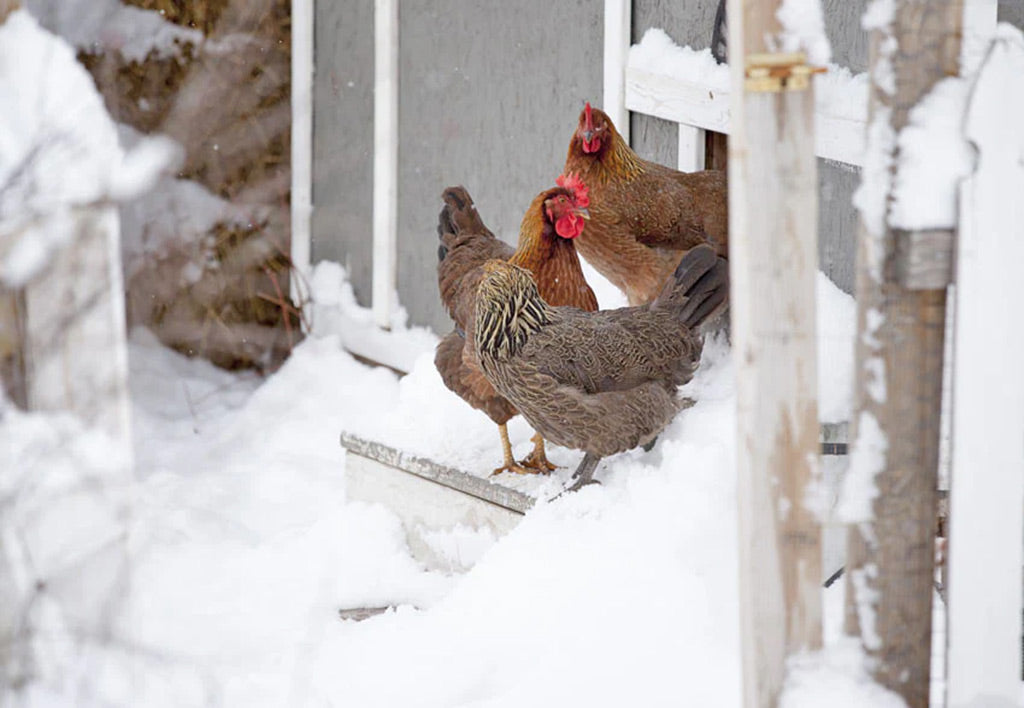
Chickens stay close together to share body heat. They huddle in groups during cold nights or storms. This behavior increases warmth for each bird.
Huddling also protects them from wind and cold air.

Credit: chooks.co.nz
Recognizing Cold Stress In Chickens
Chickens can handle cold weather better than many think, but they still face risks from extreme temperatures. Recognizing cold stress early can save your flock from serious health problems. Paying close attention to their behavior and physical signs is key to keeping them safe and comfortable during chilly days.
Physical Signs Of Cold Stress
Look for shivering or puffed-up feathers. Chickens fluff their feathers to trap heat, so excessive fluffing can mean they are too cold. You might also notice pale combs and wattles, which indicate poor blood circulation due to cold stress.
Frozen or frostbitten combs and feet are a serious warning. These areas may turn dark or black and can cause permanent damage if not addressed quickly.
Behavioral Changes To Watch For
Chickens feeling cold often huddle together for warmth. If you see them crowding tightly in one corner, it’s a sign they are struggling with the cold. Another sign is reduced activity; cold birds tend to move less to conserve energy.
Pay attention if they stop eating or drinking. Appetite loss can quickly weaken them in winter, leading to more health issues.
Impact On Egg Production
Cold stress can cause a noticeable drop in egg laying. Your hens might lay fewer eggs or stop altogether during harsh weather. This happens because their bodies focus energy on staying warm rather than producing eggs.
Do you monitor your hens’ laying patterns regularly? Catching a sudden decrease could alert you to cold stress before it worsens.
How To Check For Frostbite
Frostbite usually affects the comb, wattles, and toes. Gently feel these areas for cold, hard spots or discoloration. If you spot blackened or swollen tissue, act immediately to prevent further damage.
Keeping the coop dry and well-ventilated but free from drafts can reduce frostbite risks. Have you inspected your coop’s ventilation lately?
Preparing The Coop For Winter
Preparing your chicken coop for winter is essential to ensure your flock stays healthy and comfortable during the cold months. Chickens are surprisingly resilient, but a well-prepared coop can make a big difference in their ability to withstand freezing temperatures. You need to focus on keeping the coop warm without compromising air quality and safety.
Insulation Techniques
Adding insulation to your coop helps trap heat and reduces drafts. Use materials like foam boards, straw bales, or even old blankets on the walls and roof. Make sure you cover all gaps where cold air could sneak in, but avoid blocking natural light completely.
One winter, I lined the coop walls with foam boards and noticed my hens were much calmer and more active. They didn’t huddle in one corner like before, which showed me how much warmth really matters.
Ventilation Importance
Good ventilation might sound counterintuitive in winter, but it’s crucial to prevent moisture buildup. Moisture leads to frostbite and respiratory problems in chickens. You want fresh air moving through the coop without creating strong drafts.
Try installing small vents near the roofline or adjustable windows that you can open slightly on milder days. This helps keep the air dry and your flock breathing easy.
Safe Heating Options
Sometimes insulation and ventilation aren’t enough, and you may need to add heat. Use safe heating devices designed for chicken coops, like ceramic heat emitters or flat panel heaters. Avoid heat lamps, as they pose fire risks and can cause uneven heating.
Place heaters where chickens can move away if they get too warm. Monitoring the temperature regularly helps you find the right balance to keep your birds cozy without overheating.
Feeding Strategies For Cold Weather
Feeding chickens properly during cold weather is vital for their health and warmth. Their bodies work harder to stay warm, so they need more energy and nutrients. Adjusting their diet and water intake helps maintain their strength and keeps them comfortable through chilly days.
Nutrient-rich Diets
Chickens require extra calories to generate body heat in cold weather. Offer a diet rich in proteins, fats, and carbohydrates. High-quality grains like corn and oats provide energy quickly. Adding protein sources such as soybean meal or fish meal supports feather growth and repair.
Supplementing with cracked corn in the evening helps chickens produce more heat overnight. Fresh vegetables like kale or spinach add vitamins and minerals. Avoid feeding too many treats that lack nutrients. Balanced nutrition boosts immune systems and prevents illness.
Hydration Tips
Water intake is crucial, even in freezing temperatures. Cold weather can reduce chickens’ thirst, causing dehydration. Use heated waterers to keep water liquid and accessible. Check water regularly to ensure it is clean and unfrozen.
Warm water encourages drinking and aids digestion. Place water containers inside the coop to prevent freezing. Avoid sudden changes in water temperature to reduce stress. Proper hydration helps maintain body temperature and overall health.
Maintaining Chicken Health In Winter
Winter can be tough on chickens. Cold weather challenges their health and comfort. Proper care helps them stay strong and active during harsh months. Monitoring their health and taking preventive steps is essential. Simple actions can protect chickens from cold-related health problems.
Monitoring For Frostbite
Frostbite often affects combs, wattles, and feet. Check these areas daily for pale or blackened skin. Look for swelling or blisters. Early signs include redness and coldness. Warm affected parts gently if frostbite appears. Improve coop insulation to reduce risk. Avoid wet bedding and drafts to keep chickens dry and warm.
Preventing Respiratory Issues
Cold air can cause respiratory problems. Poor ventilation raises humidity and ammonia levels. Ensure fresh air flows without strong drafts. Use dry bedding to control moisture. Keep coop clean to avoid dust build-up. Watch for coughing, sneezing, or nasal discharge. Isolate sick birds to prevent spreading illness. Provide a dry, warm space to support lung health.
Behavioral Changes To Observe
Observing how your chickens behave during cold weather is crucial to ensure their survival and comfort. Changes in their daily habits can signal how well they are coping with the drop in temperature. Paying close attention to these behavioral cues can help you intervene before problems escalate.
Changes In Activity Levels
Chickens often reduce their movement when it’s cold to conserve energy. If you notice your birds staying huddled together or avoiding their usual roaming, it’s a sign they are trying to keep warm. Have you seen your chickens spending more time in the coop rather than exploring outside?
Feeding And Drinking Habits
Cold weather can affect how much your chickens eat and drink. Sometimes, they eat more to generate extra body heat, while other times they might drink less if water sources freeze. Watching for any sudden drop in consumption can help you catch issues like dehydration early.
Feather Position And Puffing Up
Chickens fluff up their feathers to trap air and create insulation against the cold. If you see them constantly puffed up, it means they are working hard to stay warm. However, if this behavior is combined with lethargy, it could indicate stress or illness.
Changes In Vocalization
Listen to your chickens’ sounds. In cold weather, they might cluck less to save energy or make quieter noises to avoid attracting predators. A sudden change in their usual vocal patterns might be your first hint that something is off.
Seeking Shelter And Huddling
Chickens tend to seek sheltered spots or cluster tightly with flock mates during harsh weather. If your birds are constantly packed together in a corner, it suggests they feel cold or unsafe. Is your coop providing enough protection from drafts and moisture?
Ensuring Outdoor Access
Chickens need fresh air and space to roam, even in cold weather. Ensuring outdoor access helps keep them healthy and happy. Outdoor time lets chickens exercise, find food, and enjoy natural light. Protecting them from harsh weather is key to safe outdoor access.
Creating Safe Outdoor Spaces
Build a secure run that blocks wind and snow. Use strong fencing to keep predators away. Add a roof or cover to prevent snow from piling up. Place straw or wood shavings on the ground for warmth. Make sure there is easy access to the coop for shelter.
Encouraging Activity
Place food and water outside to motivate movement. Scatter treats like grains or vegetables in the run. Provide perches and dust baths to keep chickens busy. Rotate toys or objects to spark curiosity. Active chickens stay warmer and healthier in cold weather.

Credit: milefour.com
Common Mistakes To Avoid
Many people want to keep chickens safe during cold weather. But some common mistakes can harm their health. Avoiding these errors helps chickens stay warm and healthy. Here are the frequent mistakes to watch out for.
Ignoring Proper Coop Insulation
Chickens need a warm place to shelter from cold winds. A poorly insulated coop lets cold air in. This makes chickens lose body heat fast. Use straw, hay, or foam to keep the coop warm.
Overcrowding The Coop
Too many chickens in one space cause stress and poor air quality. But chickens also need space to move and stay dry. Crowding leads to dampness and frostbite. Keep enough room for each bird.
Not Providing Fresh Water
Water freezes quickly in cold weather. Chickens need fresh, unfrozen water daily. Frozen water stops them from drinking, causing dehydration. Use heated waterers or change water often.
Feeding Inadequate Diets
Chickens burn more energy to stay warm. They need more calories in winter. Feeding only summer rations leaves them weak. Add grains and protein to boost their energy.
Ignoring Ventilation Needs
Coops must have fresh air without drafts. Poor ventilation traps moisture and ammonia. This causes respiratory problems. Open vents high up to keep air flowing safely.
Neglecting Foot Care
Cold and wet bedding can cause foot problems. Frostbite and infections happen without dry floors. Change bedding often and use dry materials like straw.
Credit: practicalselfreliance.com
Frequently Asked Questions
Can Chickens Survive Freezing Temperatures?
Yes, chickens can survive freezing temperatures if they have proper shelter, dry bedding, and enough food. They fluff their feathers to trap heat and stay warm.
How Do Chickens Stay Warm In Cold Weather?
Chickens stay warm by fluffing their feathers, huddling together, and reducing activity. Providing insulated coops and avoiding drafts also help maintain warmth.
What Is The Ideal Coop Temperature For Chickens?
The ideal coop temperature is between 45°F and 65°F. Proper ventilation and insulation keep chickens comfortable without causing overheating or chill stress.
Do Chickens Need Extra Food In Winter?
Yes, chickens need extra food in winter to generate body heat. High-energy feed and constant water access support their metabolism in cold weather.
Conclusion
Chickens can live in cold weather with the right care. They need shelter that blocks wind and keeps them dry. Extra food helps them stay warm during winter months. Water should never freeze, so check it often. Watch for signs of cold stress or illness.
With attention and simple steps, chickens stay healthy all winter. Cold weather is a challenge but not a barrier to their survival. Keep them comfortable, and they will thrive despite the chill.


