Imagine finding yourself in a tough situation where every tool counts. You might wonder, why is a knife so important in your survival kit?
The answer is simple but powerful. A knife isn’t just a blade—it’s your lifeline. It can help you build shelter, prepare food, and protect yourself when it matters most. If you want to stay safe and ready for anything, understanding why a knife is a must-have will change the way you pack your survival gear.
Keep reading to discover the key reasons you can’t afford to leave this tool behind.

Credit: fwosi.com
Importance Of A Knife In Survival
A knife is one of the most essential tools you can have in a survival kit. It serves multiple purposes that go beyond simple cutting. Without a reliable knife, many survival tasks become difficult or impossible.
Versatility In Survival Scenarios
A good knife adapts to many situations. You can use it to prepare food, cut rope, build shelter, and even defend yourself. Its ability to perform different tasks saves space in your kit since you don’t need separate tools.
Think about making a fire. A knife can help you create kindling or strike a ferro rod to spark flames. What other tool in your kit can do all that?
Durability And Reliability
In survival, your tools must withstand tough conditions. A quality knife won’t break or dull easily, which means you can trust it when you really need it. Cheap knives often fail at critical moments, leaving you vulnerable.
Choosing a knife with a strong blade and solid handle is crucial. It’s not just about cutting; it’s about having a dependable companion that won’t let you down in the wild.

Credit: www.youtube.com
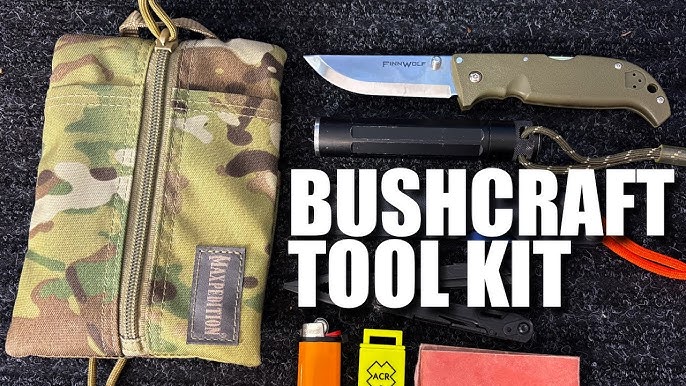
Types Of Survival Knives
Choosing the right survival knife can make a huge difference when you’re in the wild. Different knives serve different purposes, and knowing the types helps you pick one that fits your needs. Let’s look at the main types of survival knives and what makes each unique.
Fixed Blade Knives
Fixed blade knives are solid and sturdy because the blade extends through the handle. This design makes them very reliable for tough tasks like cutting wood, preparing food, or self-defense. I once had to use a fixed blade to build a shelter during a camping trip, and its strength made the job much easier.
They don’t fold, so they’re easy to clean and maintain. However, they can be bulkier to carry, so think about how you’ll transport it before choosing one.
Folding Knives
Folding knives are compact and convenient because the blade folds into the handle. They’re easy to carry in your pocket and great for light tasks like cutting rope or opening packages. But they’re not as strong as fixed blades, so avoid using them for heavy-duty work.
Ask yourself: Will you need a knife that fits in your pocket or one that can handle tougher jobs? This question helps decide if a folding knife is right for you.
Multi-tool Knives
Multi-tool knives combine a blade with other useful tools such as screwdrivers, can openers, and scissors. They are perfect if you want a single tool to solve many problems during survival situations. I once fixed a broken tent pole using the screwdriver on my multi-tool, proving its value beyond just cutting.
Keep in mind, multi-tools can be heavier and more complex than regular knives. Think about whether you want simplicity or versatility in your survival kit.
Key Features To Look For
A knife is an essential tool in any survival kit. Choosing the right knife depends on certain important features. These features affect how well the knife performs in tough situations. Understanding these key points helps you pick a reliable and useful knife.
Blade Material And Sharpness
The blade material affects strength and durability. Stainless steel resists rust and holds an edge well. Carbon steel blades sharpen easily and are very sharp. Sharpness is crucial for cutting tasks like preparing food or making shelter. A sharp blade saves effort and time in survival situations.
Handle Design And Comfort
The handle must offer a secure grip. A comfortable handle reduces hand fatigue during long use. Look for textured or rubberized handles that prevent slipping. The design should fit well in your hand for better control. Comfort and grip improve safety and precision.
Size And Weight Considerations
Size affects the knife’s usefulness and portability. A medium-sized knife balances cutting power with ease of carrying. Lightweight knives are easier to carry but may lack strength. Heavy knives offer durability but can tire you quickly. Choose a size and weight that suit your survival needs and comfort.
Practical Uses In The Wild
Carrying a knife in your survival kit is not just about having a sharp tool; it’s about being ready for countless challenges the wild throws at you. A sturdy knife can make a huge difference in your ability to adapt and thrive when basic comforts disappear. Let’s look at how a knife becomes your most practical companion in nature.
Building Shelter
Imagine needing to create a safe space quickly as night falls. A knife helps you cut branches and vines with precision, shaping materials for a shelter. It can also carve notches in wood to tie things together securely, making your shelter stable against wind and rain.
Without a knife, you might struggle to prepare the right-sized pieces for your shelter, wasting time and energy. Have you ever tried breaking branches by hand? A sharp blade saves your strength and speeds up the process.
Preparing Food
Food preparation in the wild can be tough without the right tools. Your knife can skin small game, slice fruits, or chop vegetables you find along the way. It’s essential for cleaning fish or cutting firewood to cook your meals.
Think about how much easier it is to eat when you can neatly cut your food instead of struggling with bare hands. Your knife turns raw ingredients into manageable, edible portions, improving your chances of staying nourished.
First Aid And Safety
Injuries happen when you least expect them. A knife can cut bandages or clothing to dress wounds quickly. It can also be used to remove splinters or create a makeshift splint by cutting sticks to the right size.
Having a knife ready means you can act fast and prevent an injury from getting worse. Have you considered how much safer you’d feel knowing you can handle minor accidents without waiting for help?
Hunting And Fishing
Securing food from the wild often depends on your ability to hunt or fish. A knife aids in crafting traps, sharpening spear tips, or gutting fish. It’s a versatile tool that turns raw opportunities into real meals.
Think about the satisfaction of catching your own food and preparing it with your knife. It’s not just survival; it’s taking control of your environment and resources.
Maintenance Tips For Longevity
Keeping your survival knife in top condition ensures it serves you well when you need it most. Maintenance isn’t just about looks; it’s about safety and performance. A well-maintained knife cuts better, lasts longer, and can even prevent accidents.
Cleaning And Sharpening
After every use, clean your knife thoroughly. Dirt, sap, and moisture can build up, causing the blade to dull or corrode. Use warm water and mild soap, then dry it completely to avoid rust.
Sharpening your knife regularly keeps the edge strong and effective. A dull knife forces you to use more pressure, increasing the risk of slips. You don’t need fancy tools—simple whetstones or sharpening rods work well if you practice a steady hand.
Proper Storage
Where you store your knife can impact its lifespan. Avoid tossing it in a damp bag or leaving it exposed to the elements. Instead, use a sheath or protective cover to guard the blade and prevent accidents.
Think about the environment too. High humidity or salty air can accelerate damage. Keeping your knife in a dry, cool place reduces these risks and keeps the blade ready for action.
Rust Prevention
Rust can ruin a good knife quickly. To stop it, apply a light coat of oil on the blade after cleaning. This simple step creates a barrier against moisture and air.
Have you ever seen a knife with tiny brown spots? That’s early rust, and it can spread fast. Catching it early by wiping the blade regularly saves you from costly replacements or repairs.

Credit: www.youtube.com
Frequently Asked Questions
Why Is A Knife Essential In A Survival Kit?
A knife is crucial for cutting, preparing food, and building shelter. It helps with first aid and self-defense. Its versatility makes it indispensable in emergencies.
What Tasks Can A Survival Knife Perform?
A survival knife can cut ropes, carve wood, open cans, and create fire starters. It aids in hunting and food preparation, making survival easier.
How Does A Knife Improve Safety In Survival?
A knife provides protection against wild animals and threats. It allows you to craft tools and signals for rescue, enhancing your safety.
What Types Of Knives Suit Survival Kits Best?
Fixed-blade knives are durable and reliable for tough tasks. Folding knives are compact but less sturdy. Choose a sharp, rust-resistant blade.
Conclusion
A knife is a vital tool in any survival kit. It helps cut ropes, prepare food, and build shelters. You can use it for first aid or self-defense too. Having a sharp, reliable knife increases your chances of staying safe.
It’s a simple tool that makes many tasks easier. Always keep your knife clean and sharp. Remember, in a survival situation, every tool matters. A good knife is one you can trust. Don’t leave home without it.