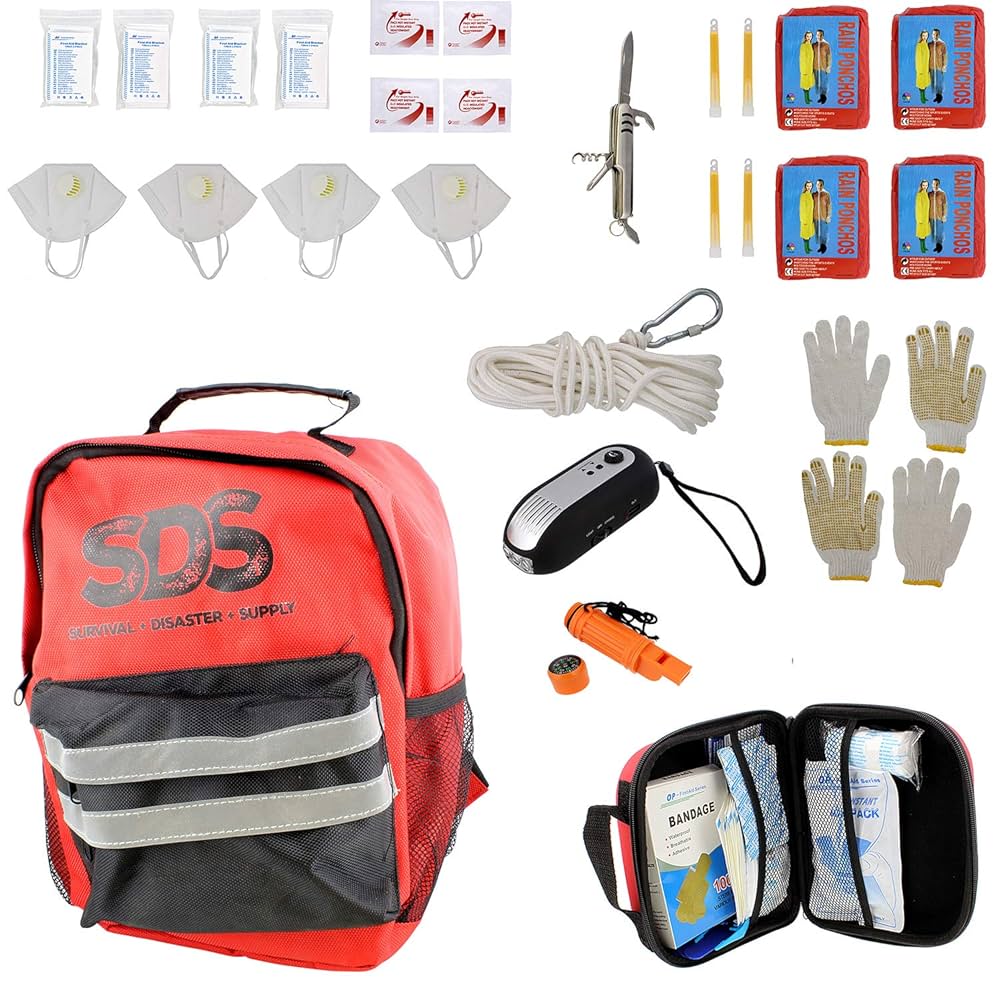
Imagine being caught in an unexpected situation where help is far away. What if you had a kit that could keep you safe, comfortable, and even alive?
Your survival kit is more than just a box of items—it’s your lifeline. But what exactly should you have in it to be truly prepared? Keep reading, because the right choices could make all the difference when you need them most.
This guide will help you build a survival kit that you can rely on—no matter what happens.
Basic Survival Needs
Survival kits are only as good as the basics they cover. Your body’s fundamental needs must be met first to stay safe and alert in any emergency. Focusing on water, food, and shelter gives you the foundation to tackle any challenge that comes your way.
Water And Hydration
Water tops the list for a reason—you can survive weeks without food but only days without water. Always pack a reliable water filter or purification tablets; clean water isn’t always easy to find. Remember, carrying a durable water bottle or collapsible container can save space and weight.
Think about how much water you’ll need daily—about one gallon per person is a good rule. Don’t forget that heat, exertion, and health conditions can increase your water needs. Can you trust the water sources around you, or will you have to treat it before drinking?
Food And Nutrition
Food fuels your body’s energy and helps maintain strength. Choose lightweight, non-perishable items like energy bars, nuts, dried fruits, and freeze-dried meals. These foods provide essential calories without taking up too much space.
Include a mix of carbohydrates, proteins, and fats to keep your energy balanced. Sometimes, you need to improvise—have you tried packing instant oatmeal or peanut butter packets? They’re easy to carry and provide quick energy boosts.
Shelter And Warmth
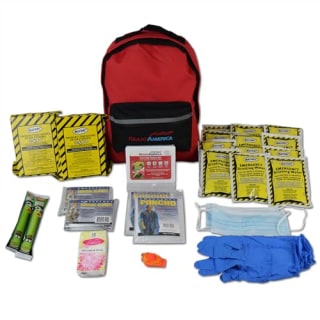
Keeping warm and protected from the elements is critical. A compact emergency blanket or a lightweight tarp can make a huge difference when you need shelter fast. Don’t overlook the importance of a good sleeping bag or insulated pad to maintain body heat overnight.
Have you tested your shelter gear in real conditions? Knowing how to set up your shelter quickly can save precious time. Your shelter should be simple, effective, and adaptable to different environments.
Credit: www.nbcnews.com
Tools And Equipment
Tools and equipment form the backbone of any survival kit. They help you handle tasks and challenges in tough situations. Having the right tools increases your chances of staying safe and comfortable.
Each tool serves a specific purpose. Some help you build shelter, others aid in preparing food, and some assist in first aid or navigation. Choosing the right tools means thinking about size, weight, and usefulness.
Cutting And Cutting Tools
Cutting tools are essential in survival kits. They help with tasks like cutting rope, preparing food, or crafting shelter materials.
- Strong utility knives for heavy cutting.
- Scissors for more precise work.
- Wire cutters or snips to handle metal wires.
- Small saws to cut wood or plastic.
Tools should be sharp and durable. Always keep them clean and ready to use.
Fire Starters
Fire starters are critical for warmth, cooking, and signaling. Reliable fire-making tools can save lives.
- Waterproof matches for ease of use.
- Ferro rods, which create sparks even when wet.
- Lighters for quick fire ignition.
- Fire steels for long-lasting sparks.
Pack more than one type. Fire can fail, but multiple options increase success.
Multi-tools And Knives
Multi-tools combine many functions in one compact design. They save space and add versatility.
- Pliers, screwdrivers, and can openers in one tool.
- Folding knives for cutting and self-defense.
- Tools with built-in wire strippers and scissors.
Choose multi-tools with sturdy construction. They last longer under pressure and heavy use.
First Aid Essentials
Having a well-stocked first aid section in your survival kit can make a critical difference when accidents happen. It’s not just about having bandages or antiseptics; it’s about being ready to treat injuries quickly and effectively. Think about the last time you needed a bandage or pain relief—did you have what you needed?
Basic Medical Supplies
Start with the fundamentals. Your survival kit should include:
- Adhesive bandages in various sizes
- Sterile gauze pads and adhesive tape
- Elastic bandages for sprains and strains
- Antiseptic wipes or solution to clean wounds
- Scissors and tweezers for cutting tape or removing debris
- Disposable gloves to maintain hygiene
These basics cover most minor injuries and help prevent infections. You’ll want to check these regularly and replace any used or expired items.
Medications And Ointments
Including essential medications is vital to ease pain and prevent infection. Pack:
- Pain relievers like ibuprofen or acetaminophen
- Antihistamines for allergic reactions
- Antibiotic ointments to apply on cuts and scrapes
- Burn cream to soothe skin injuries
- Anti-diarrheal medication and oral rehydration salts
Consider any personal medications you or your family might need. Would you be able to manage a sudden fever or allergic reaction without these?
Emergency Care Items
Emergencies can demand more than just the basics. Think about adding:
- A CPR face shield or mask for rescue breathing
- A thermal blanket to prevent hypothermia
- A digital thermometer for checking body temperature
- Instant cold packs to reduce swelling
- A first aid manual or quick reference guide
These items prepare you for serious situations and can help you act with confidence. When seconds count, having the right tools can save lives.
Navigation And Communication
Navigation and communication tools are essential in any survival kit. They help you find your way and reach out for help when needed. Without these, you could quickly become lost or isolated in an emergency.
Maps And Compasses
A reliable map and compass are your best friends when technology fails. GPS devices can run out of battery or lose signal, but a physical map and compass will never let you down. Learn how to read topographic maps and use a compass; this skill can save your life.
Think about the last time you got lost in a park or unfamiliar place. Did you rely on your phone or try to find natural landmarks? Having a map and compass in your kit means you won’t have to guess or rely solely on your memory.
Signaling Devices
Signaling devices catch attention quickly and increase your chances of rescue. Include items like whistles, signal mirrors, and bright-colored flags in your survival kit. A whistle can be heard from a long distance and uses less energy than shouting.
A signal mirror can reflect sunlight to alert rescuers miles away. Have you ever tried signaling for help by waving your arms? It’s tiring and not very effective. A dedicated signaling tool makes your efforts count.
Communication Tools
Staying connected during an emergency is crucial. Two-way radios or satellite phones are great options if you expect to be out of cell phone range. Even a basic phone charger or extra batteries can keep your communication tools ready for longer.
Consider how you would contact loved ones or emergency services if your phone dies or has no signal. Having backup communication devices in your kit ensures you won’t be completely cut off when it matters most.
Clothing And Protection
Your survival kit’s clothing and protection items can make a huge difference between comfort and crisis. These essentials shield you from harsh conditions and unexpected elements. Think about what you’ve faced outdoors—did your clothes keep you safe, or leave you vulnerable?
Weather-appropriate Clothing
Choose clothing that fits the climate where you might be. In cold weather, layers are key: a moisture-wicking base layer, an insulating middle layer, and a waterproof outer shell.
In hot environments, lightweight, breathable fabrics help prevent overheating and dehydration. Always pack extra socks—wet feet can cause blisters and infections fast.
- Thermal underwear for cold zones
- Quick-dry shirts and pants for warm climates
- Waterproof jacket or poncho
- Extra socks and gloves
Protective Gear
Protection goes beyond clothing. Gloves protect your hands from cuts and scrapes when handling rough materials or gathering firewood. A sturdy hat shields your head from debris and falls.
Don’t forget a reliable pair of boots. Your feet bear the brunt of walking long distances, so invest in boots that offer ankle support and are durable enough for rough terrain.
- Durable gloves (leather or synthetic)
- Hard hat or wide-brim hat
- Sturdy hiking or work boots
- Knee pads or elbow pads for extra protection
Sun And Insect Protection
Sunburn and insect bites can quickly ruin your outdoor experience. Pack a high-SPF sunscreen and reapply frequently, especially if you sweat or get wet.
Insect repellent is a must-have. Mosquitoes and ticks can carry dangerous diseases, so don’t underestimate their threat. Consider long sleeves and pants treated with permethrin for added defense.
- Broad-spectrum sunscreen (SPF 30 or higher)
- Insect repellent spray or wipes
- Clothing treated with insecticide
- Sunglasses to protect your eyes
Ask yourself: Are your clothes and protection gear ready to keep you safe in the environment you face? Preparing this part of your survival kit carefully can make all the difference when it matters most.
Personal Hygiene Items
Personal hygiene items are often overlooked in survival kits, yet they play a crucial role in keeping you healthy and comfortable during emergencies. Without proper hygiene, even minor wounds can become serious infections. Think about the last time you felt fresh and clean—it made a big difference in your mood and energy. Now imagine being stuck without those basic comforts.
Sanitation Supplies
Keeping clean prevents illness and boosts morale. Pack items like biodegradable soap, hand sanitizer, and wet wipes. Don’t forget a small towel and a toothbrush with toothpaste. Even simple things like feminine hygiene products or a razor can make a big difference over time.
Consider adding a few plastic bags for waste disposal to maintain a clean environment. How would you handle sanitation if water is scarce? Preparing for that now saves trouble later.
Water Purification
Clean water is essential for hygiene and survival. Along with water containers, include purification tablets or a portable filter. These tools ensure you can wash your hands and face safely, reducing the risk of disease.
Remember, boiled water is safe but not always convenient. Having quick purification methods ready means you won’t skip essential hygiene practices. Do you have a plan for securing clean water where you are?
Health And Comfort
Small comforts can ease stress during tough times. Pack lip balm, sunscreen, and a basic first aid kit. Items like allergy medicine, pain relievers, and bandages keep minor issues from turning into bigger problems.
Think about your personal needs—do you require any prescription medications or special creams? Including these in your kit ensures you stay comfortable and healthy no matter what happens.
Extra Survival Gear
Extra survival gear can make a big difference in tough situations. These items help you stay safe, warm, and connected. They do not take much space but add great value.
Choosing the right gear boosts your chances of handling emergencies well. Keep these essentials ready to improve your survival kit.
Lighting And Batteries
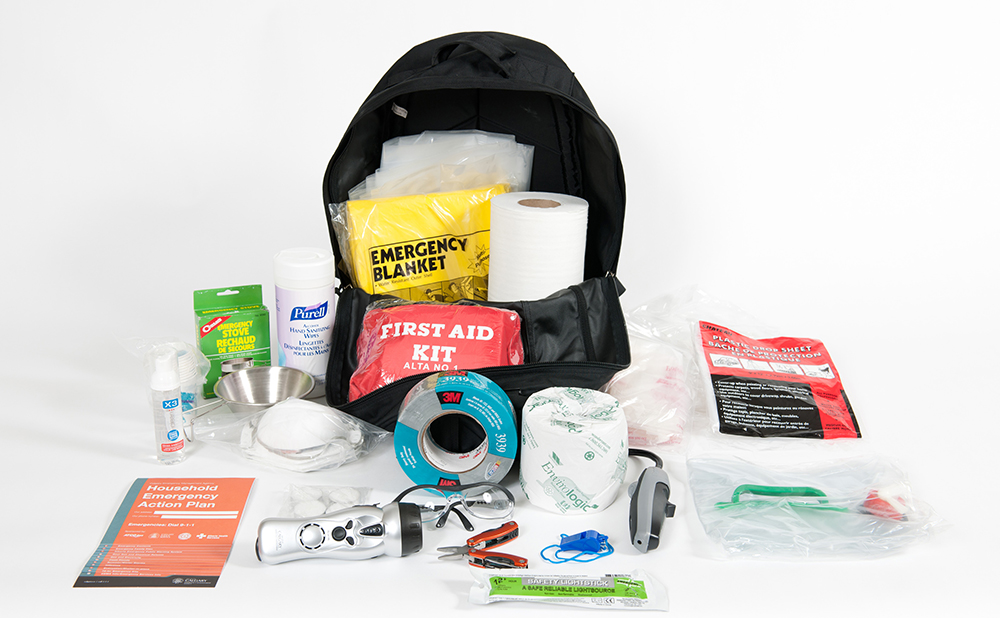
Light is crucial in darkness. Carry a reliable flashlight or headlamp. Choose LED lights for longer battery life. Pack extra batteries in a waterproof case. Consider a small solar charger for backup power. Good lighting helps you move safely and signals for help.
Emergency Blankets
Emergency blankets keep you warm and dry. They are lightweight and compact. Made of reflective material, they retain body heat. Use them to prevent hypothermia or cover wounds. Their small size makes them easy to carry anywhere.
Paracord And Tape
Paracord is strong and versatile. Use it for building shelters or fixing gear. It can also help in first aid as a tourniquet. Duct tape is another must-have. It can repair tears, secure items, or seal containers. Both paracord and tape solve many unexpected problems.
Credit: www.calgary.ca

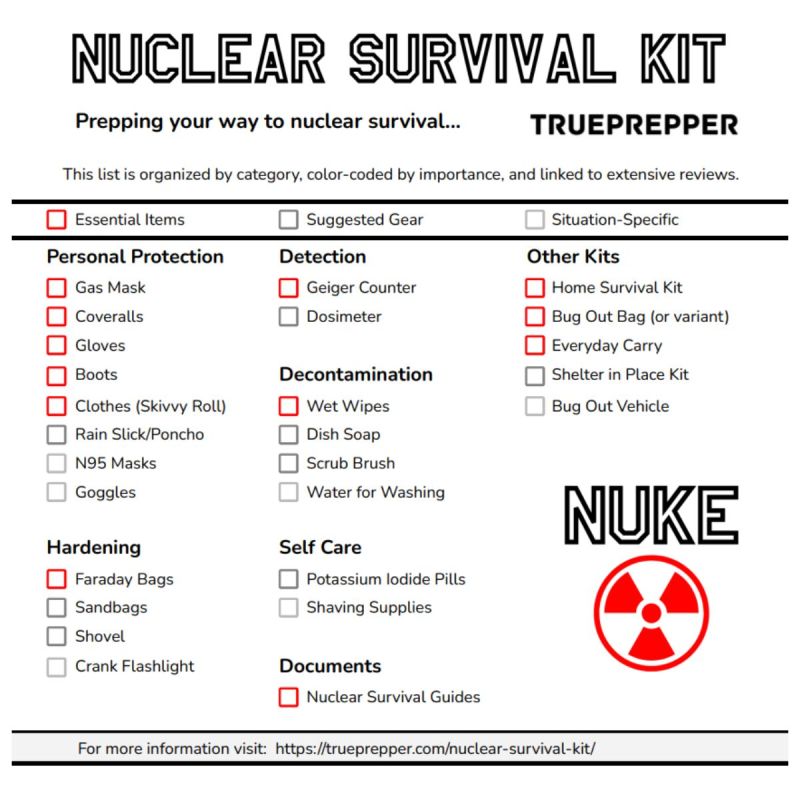
Credit: trueprepper.com
Frequently Asked Questions
What Are The Essential Items In A Survival Kit?
A survival kit should include water, food, a first aid kit, a flashlight, a multi-tool, and matches. These items help address basic needs like hydration, nutrition, injury treatment, and navigation in emergencies.
How Much Water Should A Survival Kit Contain?
A survival kit should have at least one liter of water per person per day. This amount supports hydration for 24 hours during emergencies or outdoor activities.
Why Include A First Aid Kit In A Survival Kit?
A first aid kit treats injuries and prevents infection. It helps manage cuts, burns, and other minor wounds until professional help is available.
What Food Types Are Best For A Survival Kit?
Non-perishable, high-energy foods like granola bars, nuts, and dried fruits are ideal. They provide essential calories and have a long shelf life.
Conclusion
A good survival kit keeps you ready for emergencies. Include water, food, and first aid supplies. Tools like a flashlight and knife help a lot. Don’t forget important items like matches and a whistle. Check your kit often to keep it fresh.
Being prepared can make tough times easier. Start building your kit one step at a time. Stay safe and confident in any situation.