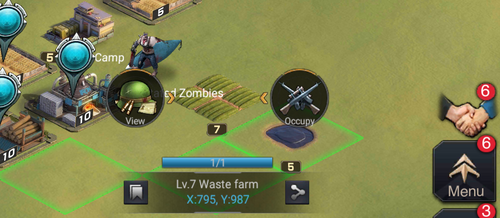
Have you ever wondered what it takes to survive when everything falls apart? Last Shelter Survival puts you right in the middle of that challenge.
But why should you care about occupying a spot in this game? Because your choices here can change everything—your safety, your power, and your chance to build something strong. If you want to know how to secure your place and come out on top, keep reading.
This isn’t just a game; it’s a test of strategy, courage, and quick thinking—and you’re about to learn how to win.
Benefits Of Occupying A Spot
Occupying a spot in Last Shelter Survival offers more than just a place on the map. It gives you a solid foundation to grow your power and influence. Understanding the benefits can help you make smarter choices about where and how to settle your base.
Resource Access And Control
Holding a spot near valuable resources puts you ahead in gathering essential materials. You can collect food, wood, stone, and iron faster than those who roam aimlessly. This steady flow of resources fuels your upgrades and troop training.
Controlling resource-rich areas also lets you trade or deny these resources to enemies. Have you noticed how players close to a mine always seem to grow faster? That’s no accident—resource control is a game-changer.
Strategic Defense Advantages
Choosing your spot wisely means stronger defenses and fewer surprise attacks. High ground, natural barriers, and choke points help you protect your base with fewer troops. This saves you time and resources that would otherwise go into constant repairs and reinforcements.
Think about your last raid or defense. Could your position have made a difference in the outcome? Occupying a strategic location reduces risks and keeps your base safer, letting you focus on expansion instead of endless fighting.
Community And Alliance Building
Settling near allies or within an active alliance area boosts your support network. You gain quicker reinforcements, shared resources, and coordinated attacks. This social aspect often decides who rises and who falls in the game.
Joining a community also opens doors to tips and strategies you won’t find solo. Have you ever felt stuck or overwhelmed? Having allies nearby can turn your struggles into victories, making the game more rewarding and less lonely.

Credit: lss.fandom.com
Choosing The Right Location
Choosing the right location in Last Shelter Survival impacts your progress greatly. A well-chosen spot boosts resource gathering and defense. It shapes your alliances and threats. Careful selection leads to stronger growth and survival.
Evaluating Resource Richness
Resource availability is vital for building and upgrading. Look for areas rich in wood, food, and metal. Check the map for resource nodes nearby. A location near diverse resources reduces travel time. It helps maintain steady supplies for your base.
Assessing Defensive Features
Defense protects your base from enemy attacks. Choose a spot with natural barriers like mountains or rivers. High ground offers a strategic advantage in battles. Open areas make it easier to spot threats early. Proper defense lowers risks and keeps your resources safe.
Proximity To Allies And Enemies
Being close to allies supports teamwork and protection. Nearby friends can send help quickly during attacks. Avoid settling too close to strong enemies. Their presence increases the chance of raids. Balance distance between friends and foes for safety and support.
Timing Your Occupation
Timing your occupation in Last Shelter Survival plays a crucial role in gaining an advantage. Choosing the right moment to claim a spot affects your growth and defense. It influences your interactions with other players and your resource management. Understanding when to act helps you build a stronger base and avoid early conflicts.
Early Game Vs Late Game Strategies
Early game spots offer quick access to resources. They help you gather materials and build defenses fast. However, these spots may attract many players, causing frequent battles. Late game spots are usually safer and richer in resources. They allow more time to prepare for attacks and alliances. Choosing between early and late spots depends on your play style and goals.
Responding To Player Movements
Watching other players’ moves is key. Moving quickly to open spots can secure valuable land. Reacting to attacks or retreats helps you avoid dangers. Keeping an eye on nearby players lets you plan attacks or defenses better. Timing your occupation based on player activity can save your resources and troops.
Seasonal And Event-based Opportunities
Events create new chances to occupy land. Seasonal updates may change resource locations or add bonuses. Taking spots during events can give special rewards and advantages. Pay attention to event timings and act fast. Occupying spots during these times often leads to faster growth and stronger alliances.

Credit: lss.fandom.com
Maintaining Your Spot
Maintaining your spot in Last Shelter Survival is crucial to long-term success. Holding a position means more than just claiming territory; it requires constant attention and smart strategies. You’ll need to balance building, defending, and managing resources to stay ahead of rivals.
Upgrading Defenses
Upgrading your defenses is not just about adding more walls or turrets—it’s about smart placement and timing. Focus on strengthening key structures like walls, watchtowers, and traps before expanding. I once neglected upgrading my walls early on, and a well-timed raid wiped out my resources quickly.
Keep an eye on new defense technologies and upgrade them as soon as they become available. This keeps your base tough against stronger enemies. Ask yourself: Are your defenses prepared to withstand the next wave of attacks?
Managing Resources Efficiently
Resource management can make or break your hold on a spot. Prioritize gathering essentials like food, wood, and metal, but don’t stockpile excessively in one area. Spread your resources wisely to avoid losing everything in a single raid.
Use your resource collectors actively and upgrade their capacity regularly. Efficient resource flow lets you upgrade defenses and train troops without delay. Have you checked recently if your resource production matches your consumption?
Handling Raids And Attacks
Raids happen frequently, so you must be ready to respond quickly. Scout incoming threats and rally your troops to defend or counterattack when needed. Ignoring early signs of an attack can cost you your spot.
Keep a reserve of troops ready for sudden defense and reinforce your allies when possible. I’ve found that coordinating with alliance members during raids turns the tide more often than solo defense. How prepared are you to face unexpected enemy strikes right now?
Common Mistakes To Avoid
Avoiding common mistakes can make a huge difference in your success on Last Shelter Survival. Many players rush into occupying a spot without fully understanding the risks or planning properly. Let’s look at some pitfalls that often trip up even experienced players and how you can steer clear of them.
Ignoring Surrounding Threats
It’s tempting to focus only on your immediate base, but threats often come from nearby players or zombie hordes. Overlooking these dangers can leave you vulnerable to surprise attacks. Always scout the area around your spot and keep an eye on enemy movements.
Ask yourself: Have you checked who’s nearby recently? Ignoring this can lead to losing valuable resources or your entire base unexpectedly.
Overextending Resources
Building too quickly or expanding beyond your means drains your resources fast. It might seem smart to claim a large area, but if you can’t defend or supply it, you’re setting yourself up for failure.
Focus on strengthening your core base first. Use resources wisely—prioritize upgrades that boost defense and resource production before taking on more territory.
Neglecting Team Coordination
Last Shelter Survival is not a solo game. Trying to do everything alone will slow your progress and expose you to attacks. Good communication with your alliance members is key.
Coordinate defense strategies, resource sharing, and attack plans. When you work as a team, you multiply your chances of survival and growth.
Advanced Tactics For Dominance
Mastering advanced tactics in Last Shelter Survival can significantly increase your chances of dominating the game. These strategies go beyond basic gameplay and require careful planning, quick thinking, and teamwork. Using smart techniques can turn the tide in your favor during intense battles for territory and resources.
Using Decoys And Traps
Decoys can mislead your enemies, making them waste valuable time and resources chasing false targets. Setting up traps around your base or key spots can catch attackers off guard and weaken their forces before they even reach you.
Imagine placing a decoy troop in a vulnerable location while your main forces wait hidden nearby. This tactic forces your opponent to split their attention, giving you the upper hand. Traps such as spike pits or explosive devices can stop a rush in its tracks.
Coordinated Team Attacks
Solo efforts rarely win wars in Last Shelter Survival. Coordinating attacks with your team ensures you overwhelm opponents with synchronized strikes. Timing is everything—launching attacks simultaneously from multiple directions can break enemy defenses quickly.
Communication tools within the game help you plan these moves. Have you tried organizing a surprise assault with your alliance? The combined power and strategy of a well-coordinated team can crush even the most fortified enemies.
Leveraging Terrain For Advantage
The map offers various terrains that can be used to your benefit. High ground provides better visibility and defensive strength. Narrow passes can funnel enemies into kill zones where your forces can concentrate fire.
Consider setting your base near natural barriers like rivers or mountains to limit attack routes. Using terrain smartly forces your opponents to fight on your terms, increasing your defense effectiveness and making it harder for enemies to advance.

Credit: lss.fandom.com
Frequently Asked Questions
What Are The Benefits Of Occupying A Spot In Last Shelter Survival?
Occupying a spot offers strategic advantages like resource control and better defense. It helps players build alliances and grow their base faster. This leads to improved gameplay and higher chances of survival.
How Does Location Impact Gameplay In Last Shelter Survival?
Location affects resource availability, defense, and expansion options. Choosing a strategic spot provides easy access to resources and safer surroundings. It also influences player interactions and alliances.
Can Occupying A Spot Improve Resource Gathering Efficiency?
Yes, controlling a spot near resource nodes boosts gathering speed. It reduces travel time and risk of attacks while collecting materials. This enhances overall gameplay progress and development.
Why Is Spot Occupation Crucial For Defense In Last Shelter Survival?
Occupying a spot allows better fortification against enemy attacks. Players can build strong defenses and monitor enemy movements. This increases survival chances and protects valuable assets.
Conclusion
Choosing a spot in Last Shelter Survival shapes your game experience. It affects your safety, resources, and alliances. A good location helps you grow stronger fast. It also keeps you safe from attacks. Playing smart means picking the right place.
This choice can lead to success or struggle. Think about your goals and pick wisely. Your spot matters more than you think. Start strong, stay safe, and enjoy the game.


