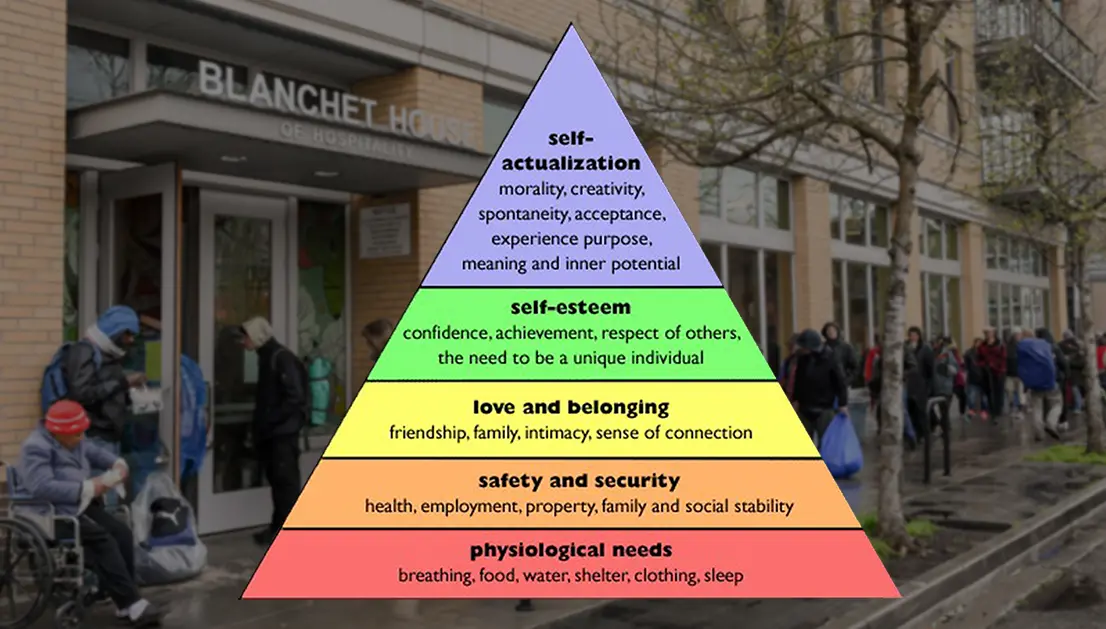
Imagine being caught outside when the weather turns harsh—cold winds biting at your skin, rain soaking through your clothes, or the blazing sun beating down without any shade. How would you protect yourself?
Shelter isn’t just a comfort; it’s a lifesaver. Without it, your body struggles to stay safe from dangers you might not even notice. You’ll discover why having shelter is one of the most important things for your survival. Understanding this can change the way you prepare for emergencies and keep you safer than you ever thought possible.
Keep reading to learn how shelter can be your ultimate shield when it matters most.
Role Of Shelter In Survival
Shelter plays a crucial role in survival by providing a safe and stable space. It helps humans and animals stay alive in harsh conditions. Without shelter, exposure to weather, predators, and temperature changes can be deadly. A good shelter offers comfort and security, making it easier to endure tough environments.
Protection From Elements
Shelter shields from rain, wind, and sun. It keeps people dry and prevents illnesses caused by wet clothes. A roof and walls block strong winds that can cause harm. Shade from the sun stops overheating and sunburn. Staying protected from these elements helps the body stay healthy.
Safety From Predators
Shelters act as barriers against wild animals and insects. They reduce the chance of attacks and bites. A secure shelter gives peace of mind and allows rest. It creates a space where one can feel safe and protected. Safety is key to surviving in nature.
Maintaining Body Temperature
Shelters help keep the body warm in cold weather. They trap heat and block cold air. In hot climates, shelters provide cool shade to prevent overheating. Maintaining a stable body temperature is vital for health. Shelter supports the body’s natural balance and energy.

Credit: www.youtube.com
Types Of Natural Shelters
Natural shelters are your first line of defense when you find yourself in the wild. They provide protection from the elements, help maintain body temperature, and offer a safe space to rest. Understanding the different types of natural shelters can make a huge difference in your survival chances.
Caves And Rock Formations
Caves and rock formations offer solid protection against wind, rain, and even predators. Their sturdy walls keep you dry and shielded, which can be crucial during storms or extreme weather.
However, not every cave is safe. Always check for signs of wildlife like bats or bears before settling in. Look for dry spots inside to avoid damp conditions that could lead to hypothermia.
Dense Vegetation
Thick bushes and dense trees can form natural shelters that block wind and hide you from view. You can use branches and leaves to build a simple lean-to or a debris hut.
Collect dry materials to add insulation and keep moisture away. Have you tried making a shelter out of branches? It’s surprisingly effective at keeping you warm and concealed.
Snow And Ice Structures
Snow and ice might seem harsh, but they can be turned into reliable shelters if you know how. Snow caves or igloos trap body heat and block the cold wind outside.
Dig carefully to avoid collapse and ensure proper ventilation. Have you ever felt how warm a snow shelter can be compared to the freezing air outside? It’s a lifesaver in winter survival situations.
Building Effective Shelters
Building an effective shelter can be the difference between discomfort and survival. It protects you from harsh weather, insects, and other dangers. Understanding how to choose the right spot, gather materials, and design for your climate will help you create a safe haven no matter where you are.
Choosing The Right Location
Location sets the foundation for your shelter’s success. Look for a spot that is dry, flat, and away from hazards like falling branches or flooding areas. Avoid low spots where water collects after rain, and try to find natural windbreaks like bushes or rocks.
Think about sunlight and shade. A place that gets morning sun can help warm you up after a cold night, while afternoon shade can keep you cool during hot days. Have you ever noticed how much better you feel just by sitting in the right spot outdoors?
Materials And Tools
Your shelter’s strength depends on the materials you use. Natural materials like branches, leaves, and grass can work well if you don’t have tools. If you do have tools, gather sturdy wood, tarp, or rope to build something more durable.
Remember, not all wood is equal. Dead, dry wood is easier to break and shape but can catch fire quickly, while green wood is stronger but harder to work with. Have you ever tried building something with only what nature provides? It forces you to get creative and resourceful.
Shelter Designs For Different Climates
Different climates demand different shelter styles. In cold climates, insulation and wind protection are key. Use thick layers of leaves or snow to trap heat inside. A simple lean-to facing away from the wind can save your energy.
In hot or humid areas, focus on ventilation. Raised platforms or open walls can help air circulate and keep bugs out. Rainy climates require strong roofs and waterproof materials; a slanted roof is your best friend here.
Have you ever adapted your shelter to the environment and noticed how much more comfortable it made you? Paying attention to your surroundings can guide your design choices and improve your chances of survival.

Credit: trueprepper.com
Shelter And Mental Well-being
Shelter is not just a physical need; it plays a big role in mental health. A safe place offers more than protection from weather. It creates a stable environment for the mind to relax and heal. The impact of shelter on mental well-being is clear in many ways.
Sense Of Security
A shelter provides a feeling of safety. This sense of security helps reduce fear and anxiety. When people feel safe, their minds can focus on positive thoughts. It builds confidence and reduces feelings of vulnerability.
Stress Reduction
Living without a shelter increases stress levels. Shelter lowers stress by offering a calm space. This calmness helps the brain manage challenges better. Less stress means better decision-making and emotional balance.
Improved Rest And Recovery
Good shelter improves sleep quality. Rest is vital for mental and physical health. A secure place allows the body and mind to recover fully. Better rest leads to clearer thinking and stronger resilience.
Shelter In Modern Survival Scenarios
Shelter plays a key role in modern survival scenarios. It protects from harsh weather and dangerous environments. A secure shelter also offers privacy and a sense of safety. It helps maintain body temperature and prevents illness.
In today’s world, emergencies can happen anywhere. Natural disasters, power outages, or civil unrest require quick shelter solutions. Understanding different shelter types and technologies improves survival chances.
Urban Emergency Shelters
Urban areas face unique challenges for shelter. Space is limited and hazards are many. Emergency shelters in cities focus on safety and accessibility. Common options include:
- Community centers turned shelters
- Public buildings with designated safe zones
- Temporary tents or modular units in open spaces
These shelters provide basic needs and protection from threats. They often include access to food, water, and medical aid.
Temporary Vs. Permanent Structures
Temporary shelters offer fast setup and flexibility. Useful for short-term needs or when resources are scarce. Examples are tents, tarps, and makeshift huts. These shelters are lightweight and easy to move.
Permanent shelters provide long-term safety and comfort. Built with stronger materials like wood, brick, or metal. They protect better against weather and intruders. Permanent shelters require more time and resources to build.
Choosing between temporary and permanent depends on the situation and available resources.
Innovations In Shelter Technology
New technologies improve shelter effectiveness and convenience. Lightweight, durable materials increase protection and ease transport. Some innovations include:
- Inflatable shelters for quick deployment
- Solar-powered tents with lighting and charging ports
- Modular shelters that expand or contract as needed
- Smart materials that adjust insulation based on temperature
These advances make survival shelters more adaptable and comfortable in diverse conditions.

Credit: www.youtube.com
Frequently Asked Questions
Why Is Shelter Crucial For Human Survival?
Shelter protects us from harsh weather, predators, and environmental hazards. It helps maintain body temperature and prevents illness. Shelter also provides safety and a secure place to rest, which is vital for physical and mental health.
How Does Shelter Protect From Extreme Weather?
Shelter acts as a barrier against rain, wind, heat, and cold. It helps regulate body temperature by insulating against temperature extremes. This reduces the risk of hypothermia, heatstroke, and other weather-related health issues.
What Role Does Shelter Play In Mental Well-being?
A safe shelter provides comfort and stability, reducing stress and anxiety. It creates a private space for rest and relaxation. This security supports emotional health and improves overall quality of life.
Can Shelter Improve Survival In Emergency Situations?
Yes, shelter offers immediate protection in emergencies like natural disasters. It shields individuals from environmental dangers and helps conserve energy. Proper shelter increases chances of survival by providing safety and warmth.
Conclusion
Shelter keeps us safe from harsh weather and wild animals. It helps us stay warm and dry every day. Having a place to rest improves our health and strength. Shelter also gives us a sense of comfort and security. It supports survival by protecting us from many dangers.
Building or finding shelter should always be a top priority. Without shelter, staying alive becomes much harder. Remember, shelter is not just a need—it is a lifesaver.


