Are you worried about how to put food on the table during tough times? You might be wondering, “Will they be giving out emergency food stamps soon?”
If you’re facing unexpected challenges, knowing whether emergency food assistance is available can make all the difference. You’ll find clear answers and practical steps to help you get the support you need quickly. Keep reading to find out how you can access emergency food stamps and ease the stress of feeding your family.
Current Status Of Emergency Food Stamps
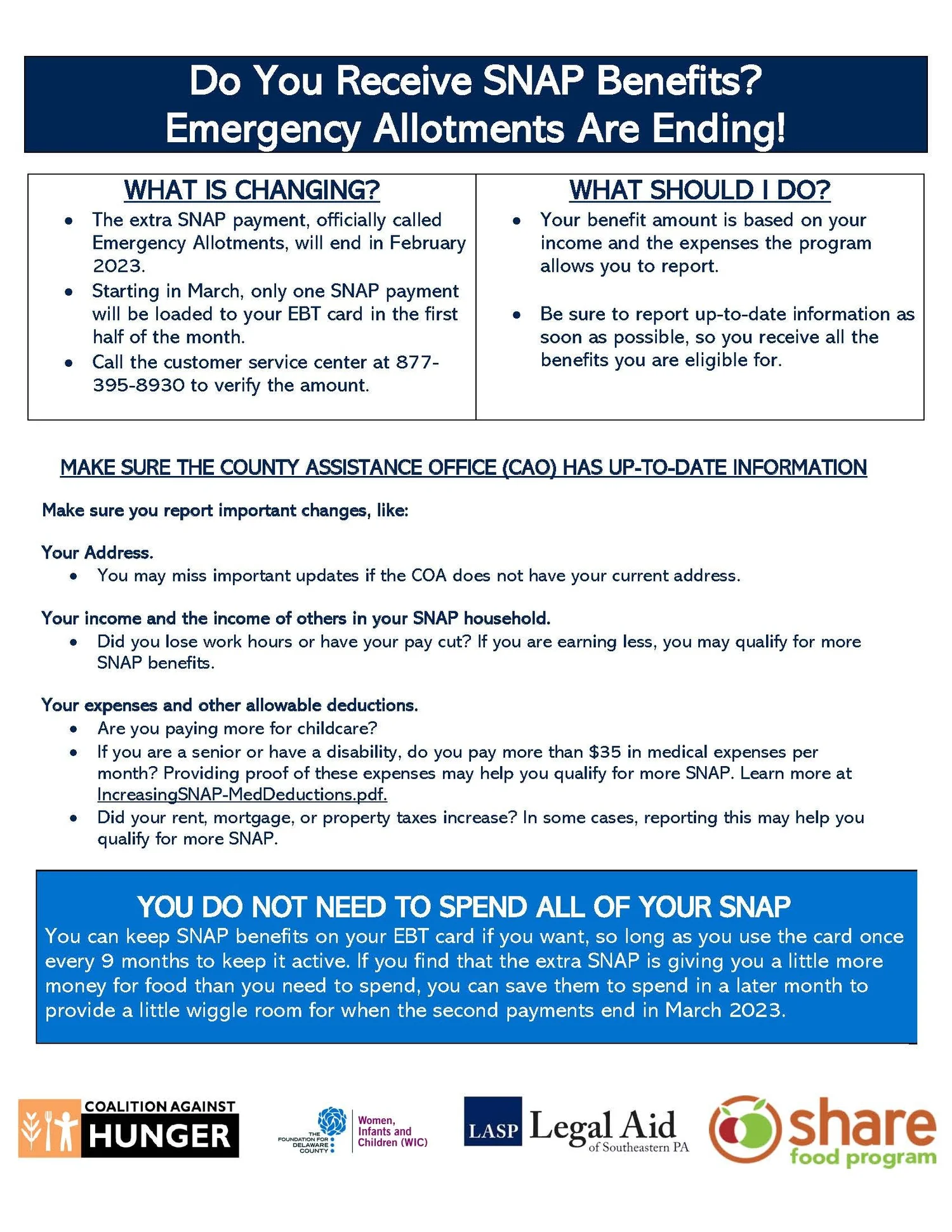
Emergency food stamps have been a vital resource for many families during difficult times. The current status of these benefits is important for those who rely on extra help. Understanding the latest updates helps people plan and seek support effectively.
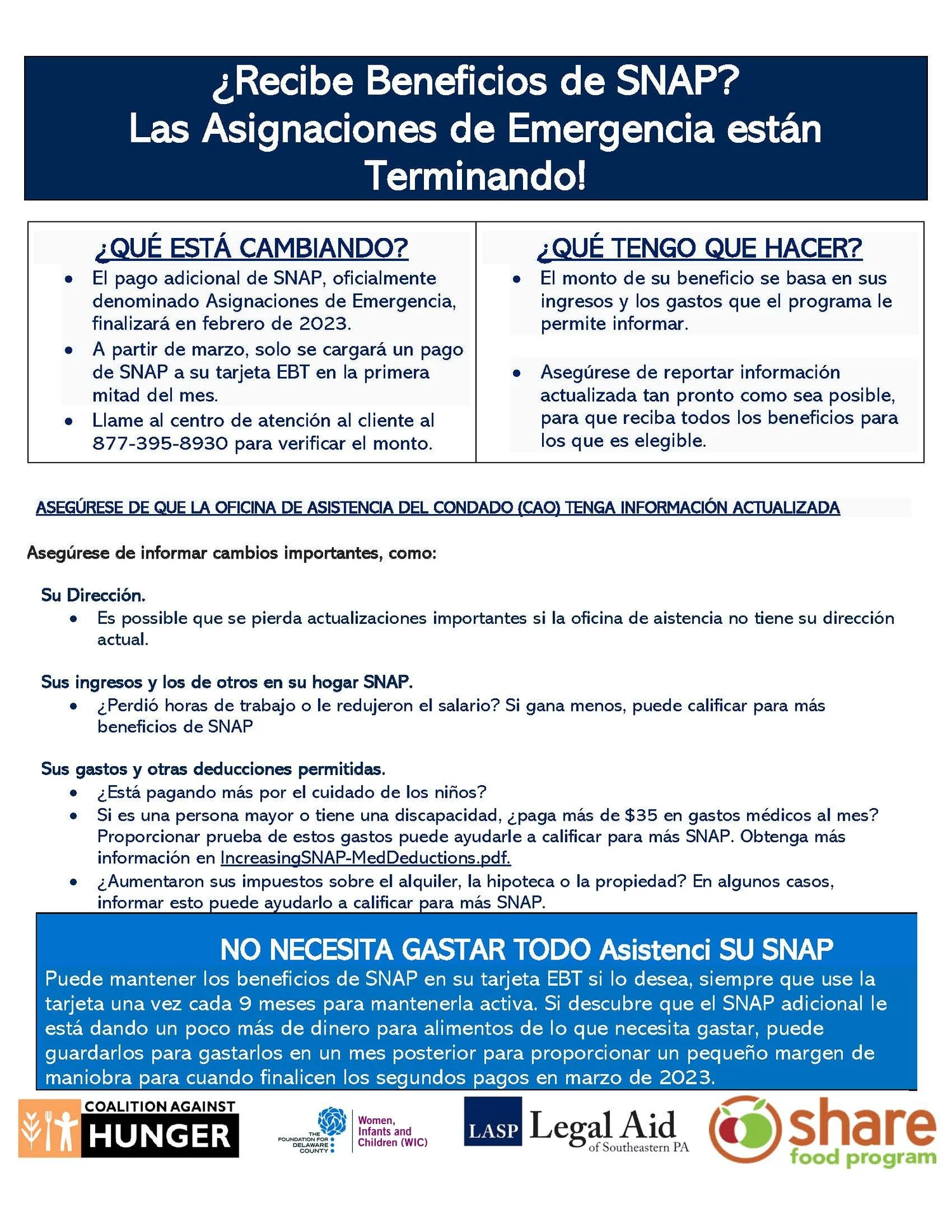
Governments and agencies have adjusted their programs based on the ongoing needs of communities. Some areas continue to provide emergency food stamps, while others have reduced or ended special distributions. The situation changes frequently, depending on local conditions and funding.
Availability Of Emergency Food Stamps
Many states still offer emergency food stamps for qualifying individuals. These benefits are often temporary and meant for urgent needs. Eligibility rules can vary by location and situation.
How To Apply For Emergency Food Stamps
Applications usually take place through local social services offices. Online applications have become more common to speed up the process. Important documents include proof of income and residency.
Duration And Amount Of Benefits
The length of emergency food stamp support depends on state policies. Benefit amounts adjust based on household size and financial need. Some programs offer a fixed amount, while others calculate aid case-by-case.
Recent Changes And Updates
- Some states have extended emergency food stamp programs.
- Others have returned to regular food assistance schedules.
- Federal funding levels influence program availability.
- New rules may affect eligibility criteria.
Eligibility Criteria Changes
Eligibility criteria for emergency food stamps have recently changed. These updates affect who can get help quickly during tough times. Understanding these changes helps individuals know if they qualify.
The government aims to reach more people in need. Some rules are now simpler. Others focus on urgent needs and income limits.
Income Limits Adjustments
Income thresholds have been raised in many areas. This means more families can qualify. The new limits consider current economic challenges.
Employment Status Considerations
Job loss or reduced hours now count heavily. People who recently lost work may get priority. This targets those facing sudden financial problems.
Household Size Revisions
Household size rules have become more flexible. Larger families may receive more benefits. This helps cover the needs of everyone in the home.
Documentation Requirements
Required paperwork has been simplified. Applicants need fewer documents to prove eligibility. This speeds up the approval process.
Special Provisions For Vulnerable Groups
- Disabled individuals may get easier access.
- Senior citizens have relaxed criteria.
- Families with young children receive extra support.
Application Process Updates
Applying for emergency food stamps has seen some important updates recently. These changes aim to make the process smoother and more accessible, especially during critical times when quick assistance is essential. Understanding these updates can save you time and reduce stress during your application.
Online Application Options
You can now apply for emergency food stamps entirely online in many states. This option lets you fill out the application at your own pace without visiting an office. Some websites even offer mobile-friendly forms, so you can apply using your phone or tablet.
Have you checked if your state’s social services website has a direct online application? Many portals provide clear instructions and FAQs to guide you step-by-step. This reduces errors and speeds up your approval.
Required Documentation
Gathering the right documents is crucial before starting your application. Typically, you will need proof of identity, income, and residency. Some states have added flexibility, allowing digital copies or photos of documents instead of originals.
Think about what documents you already have at hand. This might include pay stubs, utility bills, or a photo ID. Preparing these in advance can make your experience smoother and less frustrating.
Processing Times
Processing times for emergency food stamps can vary but recent updates aim to speed this up. Some states offer expedited processing within a few days if you meet specific urgent needs. Others provide online tracking so you can monitor your application status.
Have you ever waited anxiously for assistance? Knowing the expected timeline helps you plan better and manage your expectations. If delays occur, most agencies have contact points for you to check and follow up.

Credit: www.economist.com
Government Announcements And Policies
Government announcements and policies shape how emergency food stamps are distributed. These decisions affect millions of people facing hunger. Understanding the latest updates helps individuals know what support is available.
Officials often release statements about funding and eligibility changes. These updates may come during crises like natural disasters or economic downturns. Staying informed ensures timely access to aid.
Recent Government Statements On Emergency Food Assistance
Authorities have recently addressed the need for emergency food support. They highlighted the importance of quick aid to vulnerable populations. Some statements included plans to expand benefits temporarily.
Policy Changes Affecting Food Stamp Distribution
- Relaxed application rules to speed up approval
- Increased benefit amounts for eligible families
- Extended program duration during high-need periods
These policy shifts aim to reduce barriers and provide faster help. They often respond to feedback from communities and service providers.
How Local Governments Implement Federal Food Stamp Policies
Local agencies play a key role in applying federal rules. They manage applications, verify eligibility, and distribute benefits. Coordination between federal and local bodies ensures smooth aid delivery.
Future Plans For Emergency Food Stamp Programs
Officials consider long-term strategies to improve emergency food assistance. Proposals include better technology for applications and more outreach to needy families. These plans focus on making help accessible and efficient.
Impact On Low-income Families
Emergency food stamps provide crucial support for many low-income families. These benefits help families buy groceries during tough times. Without this aid, many struggle to provide enough food for their children and themselves.
Food insecurity can cause stress and health problems. Emergency food stamps help reduce hunger and improve well-being. Families can focus on other needs like rent and healthcare.
Financial Relief During Crises
Emergency food stamps give quick financial help. Families spend less on food and save money for bills. This relief prevents deeper financial troubles and eviction risks.
Improved Nutrition For Children
Children need good nutrition to grow and learn well. Emergency food stamps ensure kids get enough healthy food. This support helps improve school performance and overall health.
Reducing Stress And Anxiety
Worrying about food causes mental stress in families. Emergency food stamps ease these worries by ensuring food access. Less stress helps parents and children stay healthier.
Supporting Community Stability
When families get food support, communities stay stronger. Emergency food stamps lower hunger rates and reduce social problems. This aid helps build more stable and healthy neighborhoods.

Credit: www.yahoo.com
State-by-state Variations
Emergency food stamp programs vary significantly across the United States. Each state has its own rules and timelines for issuing extra assistance during crises. Understanding these differences can help you know what to expect if you need emergency help with food costs.
How States Decide On Emergency Food Stamp Benefits
States have the power to request additional federal funds for emergency food stamps when facing natural disasters or economic hardship. Some states act quickly, while others wait for clear federal approval.
This means your chances of receiving emergency benefits depend heavily on where you live. Have you checked if your state has declared an emergency recently?
Examples Of State Responses During Recent Crises
| State | Emergency Food Stamp Action | Timeline |
|---|---|---|
| California | Issued extra benefits within 2 weeks of wildfire declarations | Immediate to 2 weeks |
| Texas | Allowed emergency applications but delayed approval by 1 month | 1 month delay |
| Florida | Expanded eligibility quickly after hurricane warnings | Within days |
Seeing these differences, how would you prepare if you needed emergency food assistance?
What You Can Do If Your State Is Slow To Act
- Contact your local SNAP office regularly for updates.
- Gather proof of hardship like bills or disaster damage reports.
- Look for community food banks or local charities as backup.
Waiting for state action can be frustrating. Taking these steps gives you more control over your situation.
Alternatives To Emergency Food Stamps
Emergency food stamps may not always be available or sufficient. Exploring other options can provide immediate help. These alternatives can support families facing food insecurity during tough times.
Many local programs and community resources offer food assistance. They often have fewer requirements and faster access than government aid.
Community Food Banks And Pantries
Food banks collect and distribute food to those in need. Pantries provide free groceries directly to families. Many operate weekly or monthly. Visit local churches, nonprofits, or community centers to find them.
School Meal Programs
Schools often offer free or reduced-price meals. These programs serve breakfast and lunch to children. Some schools provide meals during holidays or summer breaks. Check with the school district for availability.
Local Charities And Religious Organizations
Charities and churches frequently provide food assistance. They may offer food boxes, hot meals, or grocery vouchers. These groups work closely with the community. Contact them for quick support options.
Supplemental Nutrition Programs For Women And Children
Programs like WIC offer healthy food for pregnant women and young children. They provide nutrition education and food vouchers. WIC helps families maintain good health through balanced diets.
Farmers Markets And Community Gardens
Some farmers markets accept food assistance benefits. Community gardens allow people to grow their own food. Both options improve access to fresh fruits and vegetables. They encourage healthy eating habits.
Local Government Emergency Assistance
Some local agencies offer emergency food aid separate from food stamps. These may include meal delivery or grocery cards. Check city or county websites for specific programs. They often respond quickly to urgent needs.
Credit: www.lasp.org
How To Stay Informed On Updates
Staying updated on whether emergency food stamps will be distributed is crucial for planning your next steps. Information can change quickly, so having reliable sources to check regularly helps you avoid missing out. Knowing where to look and whom to trust makes a big difference in how prepared you feel.
Official Websites
Government websites offer the most accurate and up-to-date information about emergency food stamp programs. Visit sites like your state’s Department of Social Services or the USDA Food and Nutrition Service for official announcements.
Set bookmarks or sign up for newsletters if available. This way, you get updates directly without hunting for news. If you’ve ever missed an important deadline, you know how valuable timely updates can be.
Community Resources
Local community centers, food banks, and nonprofits often share information about emergency food assistance. They might have flyers, hold meetings, or provide phone support to help residents understand eligibility and application processes.
Reach out to these groups in your area. Sometimes, they even offer workshops or help fill out forms. Think about the last time a neighbor or local organization helped you—this is a similar form of support.
Social Media Channels
Social media platforms can be surprisingly useful for quick updates and alerts. Follow official pages of local government agencies and community organizations on Facebook, Twitter, or Instagram.
Engage with posts by asking questions or joining relevant groups. Have you noticed how fast news spreads on social media? Use this to your advantage but always double-check sources before acting.
Frequently Asked Questions
Will Emergency Food Stamps Be Available Soon?
Yes, emergency food stamps are often issued during crises. Availability depends on government decisions and specific state programs.
Who Qualifies For Emergency Food Stamps?
Eligibility usually depends on income, household size, and emergency circumstances. Proof of hardship may be required for approval.
How To Apply For Emergency Food Stamps Quickly?
Applications can be submitted online or at local offices. Providing accurate documents speeds up the approval process.
How Long Do Emergency Food Stamps Last?
Emergency benefits typically last a few months but vary by state and situation. Extensions depend on ongoing need.
Conclusion
Emergency food stamps help many families during tough times. Governments decide on giving them based on need and budget. Stay updated by checking official websites and news sources. Knowing your options can ease stress and hunger. Support programs exist to assist those in need quickly.
Keep your documents ready for faster application. Help is available, but acting fast is key. Everyone deserves access to food in emergencies. Stay informed and reach out for support when needed.


