Would you survive a nuclear bomb if you were inside a bomb shelter? It’s a question that might feel distant or even scary, but knowing the answer could save your life.
Your safety depends on more than just being underground—it’s about the shelter’s design, your preparation, and understanding what really happens during and after a blast. You’ll discover what it takes to stay alive, what risks you face, and how to be ready if the unthinkable happens.
Keep reading—your survival could depend on what you learn here.

Credit: www.realtor.com
Types Of Nuclear Bombs
Nuclear bombs come in different types, each with unique features and effects. Understanding these types helps you know what dangers a bomb shelter might protect you from. The main categories include fission bombs, fusion bombs, and dirty bombs. Each type varies in power and radiation risk.
Fission Bombs
Fission bombs work by splitting atoms. This process releases a huge amount of energy in a short time. They are also called atomic bombs. These bombs cause intense heat, blast waves, and radiation. The destruction radius depends on the bomb’s size and design.
Fusion Bombs
Fusion bombs use nuclear fusion to create energy. This means combining atoms instead of splitting them. Fusion bombs are more powerful than fission bombs. They produce extreme heat and strong shockwaves. Radiation levels are also very high, making survival outside shelters difficult.
Dirty Bombs
Dirty bombs are different. They spread radioactive materials using conventional explosives. The blast damage is smaller compared to fission or fusion bombs. The main danger is radiation contamination. Dirty bombs can cause long-term health risks and area pollution.

Credit: en.wikipedia.org
Effects Of A Nuclear Explosion
A nuclear explosion releases massive energy instantly. It causes severe damage and long-lasting effects. Understanding these effects helps grasp the true danger of a nuclear blast. The main impacts include the blast itself, thermal radiation, and nuclear fallout.
Blast Impact
The blast is a powerful shockwave from the explosion’s center. It destroys buildings, breaks windows, and throws debris. The force can crush anything close to the blast site. People near the explosion face severe injuries or death. The blast radius depends on the bomb’s size and height.
Thermal Radiation
Thermal radiation is intense heat and light released by the explosion. It causes severe burns and can ignite fires over a large area. Skin exposed to this heat may suffer third-degree burns. Eyes can be damaged by the bright flash. The heat can reach miles away from the blast.
Nuclear Fallout
Nuclear fallout is radioactive dust and debris that falls after the explosion. It contaminates air, water, and soil. Fallout causes radiation sickness and long-term health problems. It spreads with wind and can affect areas far from the blast. Staying in a bomb shelter helps reduce exposure to fallout.
Selecting A Bomb Shelter
Selecting a bomb shelter is a critical decision that can make the difference between safety and danger in a nuclear event. Your choice affects how well you can protect yourself and your loved ones from radiation, blast impact, and fallout. Understanding the types of shelters, their construction, and where to place them helps you prepare effectively.
Underground Vs Above Ground
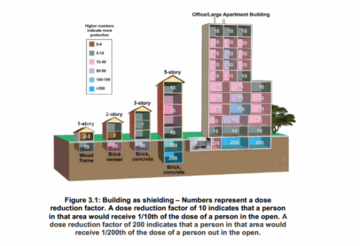
Underground shelters offer better protection because soil and concrete absorb radiation and blast force. They keep you cooler in summer and warmer in winter, providing a more stable environment. However, underground shelters can be costly and require proper drainage to avoid flooding.
Above ground shelters are easier and cheaper to build but offer less protection. They’re vulnerable to blast waves and radiation unless heavily fortified. Think about whether you can retrofit a basement or build a reinforced room inside your home as a middle ground.
Materials And Construction
Choosing the right materials is key to a shelter’s durability. Thick concrete walls, reinforced steel, and lead linings block radiation effectively. Avoid wood or thin metal, which offer little protection against radiation and blast.
Pay attention to the shelter’s air filtration system. A high-quality HEPA filter with a manual pump can prevent radioactive particles from entering. Sealing all gaps tightly is just as important as strong walls.
Location Considerations
Your shelter’s location can impact survival chances more than you might expect. It should be close enough for quick access but far enough from likely blast targets like military bases or power plants. Avoid low-lying areas prone to flooding or places with unstable soil.
Think about how you’ll reach the shelter during an emergency. Is there a clear, unobstructed path? Could debris or traffic block your way? Planning for these scenarios can save valuable time when seconds count.
Essential Shelter Supplies
Surviving a nuclear bomb in a bomb shelter depends heavily on what supplies you have inside. Essential shelter supplies can make the difference between mere survival and staying healthy and safe until help arrives or it’s safe to leave. You need to think beyond just basic items and prepare for a range of challenges inside the shelter.
Water And Food Storage
Water is your most critical resource. You should store at least one gallon of water per person per day for drinking and hygiene. Consider using sealed containers or water purification tablets to keep your supply safe and drinkable over time.
Food needs to be non-perishable and easy to prepare without electricity. Canned goods, dried fruits, nuts, and freeze-dried meals work well. Don’t forget a manual can opener—small details like this often get overlooked but can be lifesavers.
Air Filtration Systems
Clean air is vital when the outside environment is contaminated. A reliable air filtration system can filter out radioactive particles and harmful gases. Look for filters rated for chemical, biological, radiological, and nuclear (CBRN) threats.
Regular maintenance and filter replacement are essential. Ask yourself: do you have a backup power source to keep your filtration system running if the power goes out? Without proper air filtration, your shelter may become unsafe even if you have enough food and water.
Medical And Safety Kits
Your medical kit should cover more than just basic first aid. Include supplies for radiation sickness, burns, and infections. Items like potassium iodide tablets can help protect your thyroid from radiation damage.
Safety gear such as gloves, masks, and sturdy shoes can protect you while moving around the shelter or handling contaminated materials. Think about what injuries or illnesses might occur inside and prepare accordingly.
Shelter Life During Fallout
Living in a bomb shelter during fallout is a test of endurance and preparedness. The environment is confined, and your safety depends on how well you manage resources and protect yourself from radiation. Your daily routine will change drastically, but with the right knowledge, you can maintain your health and sanity.
Radiation Protection Tips
Radiation levels can remain dangerously high outside the shelter for days or even weeks. Your best defense is to stay inside and minimize exposure.
- Seal all openings:Use plastic sheeting and duct tape to cover windows, vents, and cracks to keep radioactive dust out.
- Use potassium iodide tablets:These can protect your thyroid gland from radioactive iodine, but only take them as directed.
- Wear protective clothing:If you must go outside, cover your skin with long sleeves, gloves, and masks to reduce contamination risk.
I once helped a family prepare their shelter by reinforcing seals and organizing protective gear. Their peace of mind improved drastically, showing how small efforts can make a big difference.
Maintaining Cleanliness
Cleanliness inside the shelter isn’t just about comfort; it’s a health necessity. Fallout dust can cling to clothes and surfaces, spreading contamination.
- Designate a decontamination area:Set up a spot near the shelter entrance to remove outer clothing and wash off dust before entering.
- Use disposable wipes and hand sanitizer:Regularly clean your hands and surfaces to prevent germs and radioactive particles from accumulating.
- Manage waste carefully:Store trash and human waste in sealed containers to avoid contamination and odors.
Keeping your shelter clean may feel tedious, but it prevents illness and keeps morale higher during long stays. How often would you clean if your life depended on it?
Communication Methods
Staying connected during fallout is crucial for receiving updates and maintaining hope. However, electronic devices might be limited or disrupted.
- Battery-powered radios:Use these to listen to emergency broadcasts and government instructions.
- Walkie-talkies or two-way radios:Ideal for short-range communication if you are sheltering with others in different rooms or nearby shelters.
- Pre-arranged signals:Simple gestures or codes can help communicate silently if devices fail.
During a drill, I realized how vital reliable communication is. Being able to share information calmed everyone and prevented panic. What communication plan do you have in place?
Credit: www.thejournal.ie
Post-shelter Survival Steps
Surviving inside a bomb shelter is only the first part of staying safe after a nuclear blast. Knowing what to do once you leave the shelter is crucial. The environment outside will be dangerous due to radiation and other hazards. Taking the right steps can protect your health and increase your chances of long-term survival.
When To Exit Safely
Wait for official signals or guidance before leaving the shelter. Radiation levels drop over time but remain harmful for hours or days. Use a radiation detector if available to check safety. Avoid leaving too soon. Look for signs like reduced noise, clear skies, and calm conditions. Only exit when you are sure it is safe.
Decontamination Procedures
Remove all outer clothing to reduce radiation contamination. Seal clothes in a plastic bag and keep it away from people. Wash your skin and hair thoroughly with soap and water. Avoid scrubbing hard to prevent skin damage. Clean all exposed parts carefully to remove radioactive dust. Use clean water and clean towels. Stay away from dusty or smoky areas until fully decontaminated.
Long-term Survival Strategies
Find or build a safe shelter away from fallout zones. Stock up on clean water, food, and medical supplies. Grow food indoors or in protected areas if possible. Stay informed by battery-powered radios or other devices. Avoid eating or drinking anything that may be contaminated. Connect with other survivors for support and safety. Keep hygiene and health a priority to prevent illness. Plan your movements carefully and avoid dangerous zones.
Common Myths About Nuclear Survival
Many ideas about surviving a nuclear bomb are not true. Myths spread fear and confusion. Knowing facts helps you prepare better. Let’s clear up some common myths about nuclear survival.
Instant Death Assumptions
Many believe nuclear bombs kill everyone instantly. This is not always true. Death depends on distance from the blast. People far from the explosion have a chance to survive. Immediate death happens only near the bomb’s center. Buildings and shelters can protect against the blast and heat.
Radiation Exposure Misconceptions
Radiation is dangerous, but not always deadly. Exposure varies by time and distance. Short exposure outside a shelter might not be fatal. Radiation decreases quickly after the blast. Staying inside a shelter reduces exposure significantly. Proper sheltering lowers risks of radiation sickness.
Shelter Effectiveness
Some think all shelters are the same. Shelter quality matters a lot. Thick walls and underground locations offer the best protection. Good shelters block radiation and heat. Simple shelters may not protect well. Stocking food and water is essential for longer stays. A proper shelter increases survival chances greatly.
Frequently Asked Questions
How Effective Are Bomb Shelters Against Nuclear Blasts?
Bomb shelters provide significant protection from initial blast, heat, and radiation. Their effectiveness depends on depth, construction, and location relative to the blast. Properly built shelters can greatly increase survival chances during a nuclear explosion.
How Long Should You Stay In A Nuclear Bomb Shelter?
You should stay in the shelter for at least 48 to 72 hours. This period allows radioactive fallout to decrease to safer levels. Staying longer may be necessary depending on radiation intensity and official safety guidelines.
What Essential Supplies Are Needed In A Bomb Shelter?
Essential supplies include water, non-perishable food, a first-aid kit, flashlight, batteries, and a radio. Personal hygiene items and protective clothing can also help. These supplies ensure survival and communication during extended shelter stays.
Can A Bomb Shelter Protect Against Radiation Poisoning?
Yes, bomb shelters significantly reduce radiation exposure by blocking fallout particles. Thick walls and sealed environments prevent harmful radiation from entering. However, prolonged exposure outside the shelter after the blast increases poisoning risks.
Conclusion
Surviving a nuclear bomb in a shelter depends on many key factors. A strong shelter can protect you from blasts and radiation. Stocking enough food, water, and supplies is crucial for staying safe. Knowing how to stay calm and follow safety steps helps survival chances.
Planning ahead gives you peace of mind in emergencies. Stay informed about risks and prepare wisely to protect yourself. Safety is possible with the right knowledge and preparation.