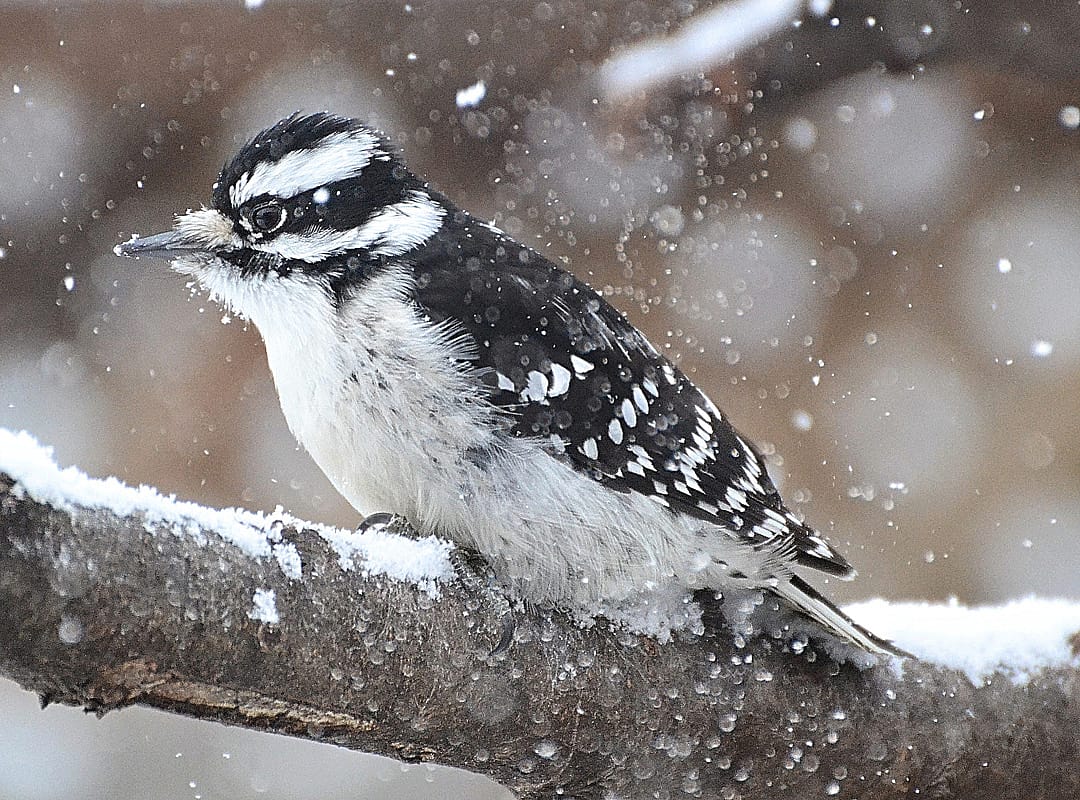
Have you ever wondered how birds manage to stay alive and active when the temperature drops to a chilling 30 degrees? It might seem impossible for such small creatures to survive the cold, but they have some amazing tricks up their feathers.
You’ll discover exactly what birds do to keep warm and thrive in freezing weather. Understanding their secrets might even change the way you see these resilient little animals outside your window. Keep reading, because what you’re about to learn will surprise you—and it could help you appreciate winter’s challenges in a whole new way.
Cold Weather Challenges
Birds face many challenges during cold weather. Temperatures as low as 30 degrees can be tough to handle. Their bodies must work hard to stay warm and survive. Understanding these challenges helps us see how birds adapt and thrive.
Impact Of Low Temperatures
Low temperatures cause birds to lose body heat quickly. Their small size means more surface area loses warmth. Frostbite and hypothermia become serious risks. Birds fluff their feathers to trap air for insulation. Some species grow thicker feathers in winter. Cold also limits water and food availability. Ice and snow cover food sources, making survival harder.
Energy Demands In The Cold
Cold weather raises birds’ energy needs. They burn more calories to keep warm. Birds eat more often to fuel their bodies. Fat reserves become critical for survival at night. Some birds enter torpor, lowering metabolism temporarily. Energy conservation and food finding become daily battles. Staying active while avoiding cold is a delicate balance.

Credit: www.cbc.ca
Feather Insulation
Birds rely heavily on their feathers to stay warm in freezing temperatures. Feather insulation is an incredible natural system that helps them survive even when the mercury drops to 30 degrees or below. Understanding how feathers keep birds warm can change the way you see these creatures during cold days.
Structure Of Feathers
Feathers are not just for flying or looking beautiful—they act like tiny, natural blankets. Each feather has a central shaft with barbs branching out, and those barbs have even smaller barbules that hook together tightly. This structure creates a dense, layered surface that traps heat close to the bird’s body.
You might be surprised to learn that down feathers, found beneath the outer feathers, play a crucial role in insulation. They are soft and fluffy, with a loose structure that traps air effectively. The trapped air acts like a warm cushion, preventing the cold from reaching the skin.
Fluffing To Trap Warm Air
Have you noticed how birds puff up on cold mornings? This behavior is not just adorable—it’s a smart survival tactic. When birds fluff their feathers, they create extra space between each feather, increasing the layer of trapped warm air.
This fluffing boosts insulation by adding an extra barrier against the cold. It’s similar to how you might add a thick sweater or a blanket to keep warm. Next time you see a puffed-up bird, remember it’s actively defending its body heat.
Metabolic Adaptations
Birds face extreme challenges surviving in 30-degree weather, but their metabolic adaptations play a crucial role in keeping them warm. These adaptations help birds generate and conserve heat efficiently. Understanding these mechanisms can give you insight into how nature handles cold stress.
Increased Metabolic Rate
Birds raise their metabolic rate to produce more internal heat. This process requires burning more energy, often from fat stores. You might notice birds eating more during cold spells, which fuels this increased metabolism.
Think about your own experience when you feel cold and your body seems to work harder. Birds do something similar but much more intense. Their metabolism can ramp up by 50% or more in freezing conditions to maintain body temperature.
Shivering For Heat
Shivering is a familiar response to cold, and birds use it effectively to generate heat. Tiny muscle contractions produce warmth without major movement, conserving energy. You’ve probably felt how shivering warms you up; birds rely on the same principle.
Interestingly, some small birds shiver even while perched quietly, showing how vital this adaptation is. Have you ever wondered how a bird manages to stay still yet generate enough heat to survive harsh cold? Shivering answers that question perfectly.
Behavioral Strategies
Birds use smart behaviors to survive freezing 30-degree weather. These actions help them keep warm and save energy. They adjust their habits to fight the cold without wasting much effort. Small changes in daily routines make a big difference for staying alive in harsh conditions.
Seeking Shelter
Birds look for places that block wind and snow. They hide in thick bushes or dense tree branches. Some find cavities in trees or spaces under roofs. These spots provide a shield from cold air. Staying out of the open reduces heat loss. Shelter helps birds keep their body heat inside.
Huddling For Warmth
Birds gather closely together to share body heat. Groups can be family members or mixed flocks. This closeness creates a warm microclimate. They often fluff up their feathers to trap more air. The air acts as insulation against the cold. Huddling lowers the energy needed to stay warm.
Food And Energy Sources
Birds face a tough challenge when temperatures plunge to 30 degrees or below. Their survival hinges on how well they manage food and energy. Without the right fuel, their bodies can’t generate enough heat to stay alive.
High-calorie Diets
Birds eat more high-calorie foods during cold weather to meet their energy needs. Seeds, nuts, and suet provide dense energy that helps keep their bodies warm.
Think about how you feel after eating a heavy meal on a cold day—it gives you a burst of warmth and energy. Birds rely on the same principle but need constant intake to maintain their body heat.
You might notice birds flocking to feeders filled with sunflower seeds or peanuts in winter. These foods pack more calories and are easier to digest quickly.
Food Storage And Foraging
Some birds store food in hidden spots to have reserves during harsh weather. Jays and woodpeckers are great examples; they stash nuts and seeds in tree bark or under leaves.
Others increase their foraging efforts, spending more time searching for food to balance out the extra energy they burn staying warm.
Have you ever watched a chickadee darting from branch to branch? That’s them maximizing their search for snacks to survive the cold.
Physiological Adjustments
Birds face extreme cold by changing their body functions. These changes keep them warm and active. Their bodies work hard to save heat and energy. These physiological adjustments help birds survive 30 degree weather with ease.
Circulatory Adaptations
Birds control blood flow to keep warm parts warm and cold parts cool. They use a special system called counter-current heat exchange. Warm blood from the body warms the cold blood returning from the feet. This process reduces heat loss through extremities.
Blood vessels in the legs and feet stay narrow to limit heat loss. Birds also slow their blood flow to the skin to save heat. This helps them avoid frostbite and stay active in freezing weather.
Fat Reserves
Fat acts as insulation and energy storage for cold days. Birds build up thick fat layers under their skin before winter. This fat keeps body heat from escaping.
Fat also provides fuel for energy. Birds burn fat to produce heat when food is scarce. This energy helps them maintain body temperature in harsh cold. Fat reserves are crucial for survival during long, cold nights.
Migration And Movement
Birds use migration and movement to survive harsh cold weather. These actions help them find warmer places and better food sources. Moving to suitable climates keeps their body temperature stable and conserves energy. Migration is a vital survival skill for many bird species facing freezing temperatures.
Seasonal Migration Patterns
Many birds travel long distances as seasons change. They fly from cold northern areas to warmer southern regions. This journey can cover thousands of miles. Birds follow specific routes each year, called flyways. They time migration to avoid the coldest months and find food easily. Some species migrate only during autumn and spring. Others move to different altitudes instead of long distances.
Local Relocation Tactics
Not all birds migrate far. Some move to nearby areas to escape extreme cold. These short trips help them find sheltered spots and food sources. Birds may gather in flocks for safety and warmth. They also search for open water or unfrozen lakes. Local relocation is flexible and depends on weather changes. It allows birds to stay active without long, risky flights.

Credit: www.ctvnews.ca
:focal(1061x707:1062x708)/https://tf-cmsv2-smithsonianmag-media.s3.amazonaws.com/filer_public/2c/74/2c74a43f-f969-4fbf-9165-2b8227ec68a6/gettyimages-898596862.jpg)
Credit: www.smithsonianmag.com
Frequently Asked Questions
How Do Birds Stay Warm In Cold Weather?
Birds have several adaptations to stay warm. They fluff up their feathers to trap heat and create insulation. Additionally, they have a high metabolism that generates body heat. Many birds also huddle together during cold nights for warmth. Some species also migrate to warmer areas during extreme cold.
Do Birds Migrate To Escape Cold Weather?
Yes, many bird species migrate to escape cold weather. Migration helps them find warmer climates and abundant food sources. Birds often travel thousands of miles to reach their destinations. However, some birds have adapted to survive in cold conditions without migrating by using other survival strategies.
What Do Birds Eat In Winter For Energy?
In winter, birds eat high-energy foods to survive. These include seeds, nuts, and berries rich in fats and proteins. Some birds also hunt for insects or small animals. Bird feeders can provide additional food sources, like suet, to help them maintain energy levels during harsh weather.
How Do Birds Find Water In Freezing Temperatures?
Birds seek out unfrozen water sources like streams and rivers. They also eat snow to hydrate, though it’s not ideal. Some birds visit bird baths with heaters to access water. Ensuring access to fresh water helps birds maintain their metabolism and overall health in cold weather.
Conclusion
Birds survive cold weather by using smart tricks. They fluff their feathers to trap warm air. Many gather in groups to share body heat. Their bodies slow down to save energy. Birds also find shelter in trees or bushes. They eat extra food to keep warm.
These simple ways help birds live through cold days. Nature’s design keeps them safe and cozy. Watching birds in winter shows their strength and skill. They teach us how to adapt and survive tough conditions.


