Have you ever wondered if your favorite herbs can make it through the cold months? If you grow herbs or plan to start, knowing how they handle chilly weather is key to keeping them alive and thriving.
Imagine stepping outside to find your garden still full of fresh, green herbs despite the frost. You’ll discover which herbs survive cold weather, how to protect them, and simple tips to keep your garden flourishing year-round. Ready to make your herbs winter-proof?
Let’s dive in!
Cold Weather Effects On Herbs
Cold weather can be tough on your herbs, affecting their growth and overall health in ways you might not expect. Understanding these effects helps you protect your plants better and keep your garden thriving even as temperatures drop.
How Frost Impacts Herb Growth
Frost forms when temperatures dip below freezing, causing water inside the herb’s cells to freeze. This ice can puncture cell walls, leading to damaged or dead tissue.
Not all herbs react the same to frost. Hardy herbs like rosemary and thyme can often survive light frosts, while tender herbs such as basil and cilantro may quickly wilt or die.
Have you noticed how some herbs look fine one day and then suddenly turn black or mushy after a cold night? That’s frost damage at work. It disrupts photosynthesis and slows down growth, sometimes stopping it completely.
Common Cold-weather Damage Signs
- Wilting and Drooping:Herbs may lose their firmness and appear limp after exposure to cold.
- Blackened or Brown Leaves:This discoloration usually means the plant tissue has died due to freezing.
- Yellowing:Cold can cause nutrient uptake problems, leading to yellow leaves.
- Slow or Stunted Growth:Even if the plant survives, growth often slows dramatically in cold conditions.
- Leaf Drop:Some herbs respond to cold stress by shedding leaves to conserve energy.
Have you checked your herb garden after a chilly night? Spotting these signs early lets you take quick action, like moving pots indoors or adding protective covers. What strategies have you tried to help your herbs bounce back from cold weather?
Herbs That Withstand Cold
Not all herbs give up when the temperature drops. Some thrive and even grow stronger in cold weather, making them perfect for your winter garden. Knowing which herbs can handle frost and snow helps you plan a garden that stays green year-round.
Hardy Herbs For Winter Gardens
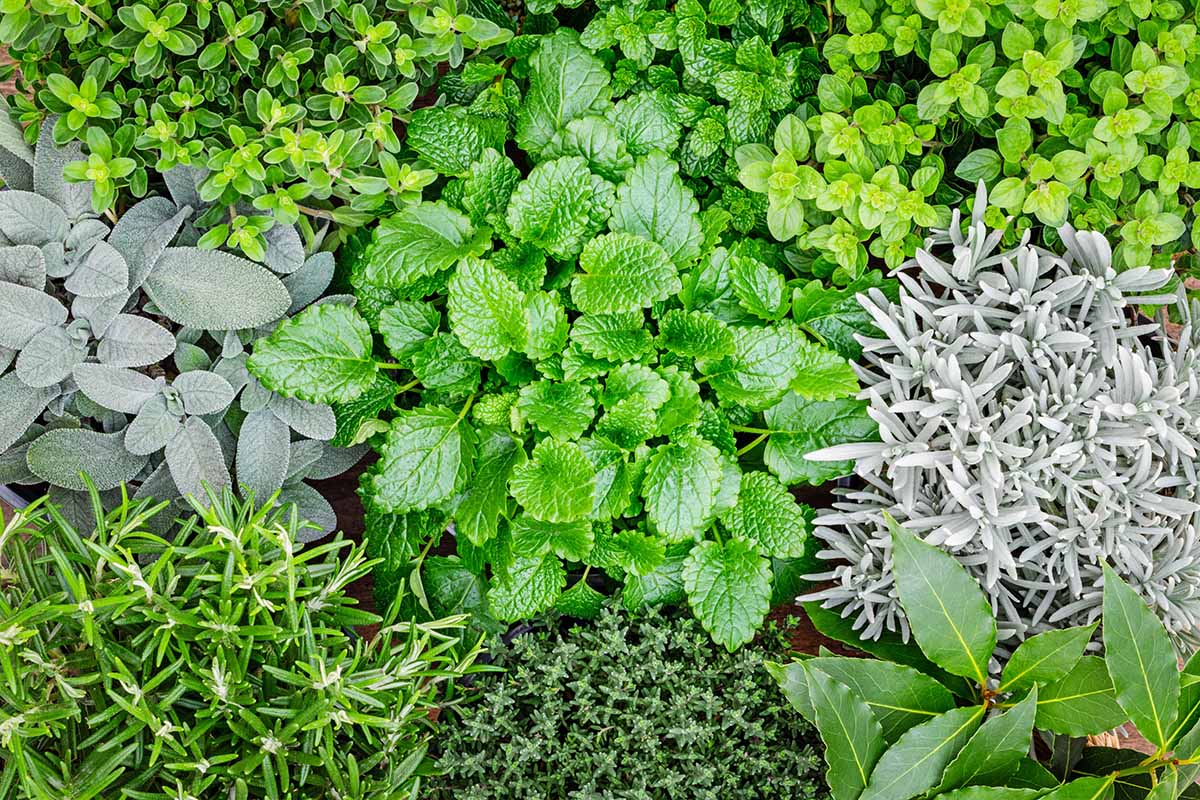
Certain herbs can survive freezing temperatures and still provide fresh leaves through winter. Rosemary, thyme, and sage are excellent choices. These herbs have tough leaves and woody stems that resist frost damage.
Parsley is another surprising winter warrior. It can tolerate cold but grows slowly, so be patient. Chives also bounce back quickly after frost and add a mild onion flavor to your dishes all season long.
- Rosemary:Keep it in a sheltered spot to protect from harsh winds.
- Thyme:Thrives in well-drained soil and stays green under snow.
- Sage:Can handle cold but avoid overly wet soil.
- Parsley:Needs mulch to shield roots during deep freezes.
- Chives:Cut back dead growth in late winter to encourage fresh shoots.
Herbs That Need Extra Care
Some herbs survive winter but need a little help from you. Basil and mint, for example, struggle in cold and require protection. If you want to keep them alive, bring pots indoors or use frost covers.
Lavender can handle mild frost but not long freezes. Adding mulch around the base keeps its roots warm. Watch for wet soil, which can cause root rot in cold weather.
- Basil:Treat it like a houseplant during winter or replant in spring.
- Mint:Hardy but invasive; container planting helps control growth and protect from cold.
- Lavender:Use gravelly soil and avoid waterlogging for winter survival.
Have you noticed which herbs in your garden bounce back after frost? Trying hardy herbs first can save you time and effort, but with some care, you can keep many favorites alive through the cold months.
Preparing Herbs For Winter
Preparing your herbs for winter is crucial to help them withstand the cold and bounce back strong in spring. Taking a few simple steps now can protect your plants from frost damage and root stress. Are you ready to give your herbs the care they need before the chill sets in?
Pruning Techniques Before Cold Sets In
Cutting back your herbs can reduce stress and prevent disease during the winter months. Focus on removing dead or damaged stems to improve air circulation around the plant. This also helps the plant conserve energy instead of supporting unnecessary growth.
For woody herbs like rosemary and thyme, trim them lightly rather than cutting them back hard. Soft herbs like basil or mint should be cut down to about 2-3 inches above the soil. This encourages fresh growth once warmer weather returns.
Have you noticed how pruning can sometimes even trigger a stronger, healthier comeback in your garden? It’s a simple step that can make a big difference.
Soil And Mulching Tips
Healthy soil is the foundation for winter survival. Before the cold arrives, loosen the soil around your herbs to improve drainage and root access to oxygen. Compacted, wet soil can lead to root rot during freezing temperatures.
Adding a layer of mulch around the base of your herbs protects their roots from frost. Use organic materials like straw, shredded leaves, or wood chips. Mulch also helps retain moisture and keeps the soil temperature more stable.
Keep mulch a few inches away from the main stems to avoid trapping moisture that causes rot. What type of mulch do you have on hand that might give your herbs that extra layer of winter armor?
Protective Measures During Frost
Herbs often struggle during frost due to cold damage. Taking protective measures helps herbs survive harsh weather. Small efforts can keep plants healthy and alive. Protecting herbs from frost is key to a thriving garden in winter.
Using Covers And Cloches
Covers and cloches act as shields for herbs. They trap heat and block cold winds. Use materials like frost cloth, burlap, or old sheets. Avoid plastic directly on plants; it can cause damage.
- Place covers securely over plants before frost hits.
- Use cloches made from glass or clear plastic for small herbs.
- Remove covers during the day to allow sunlight and air.
These simple steps reduce frost damage and keep herbs warm.
Indoor Relocation Strategies
Moving herbs indoors offers strong protection against frost. Choose a bright, cool room for the plants. Avoid overly warm or dry spots to prevent stress.
- Use pots with good drainage to avoid root rot.
- Water herbs lightly before moving to maintain moisture.
- Rotate plants regularly to ensure even light exposure.
Indoor relocation keeps herbs safe and ready for spring growth.
Watering And Feeding In Cold Months
Keeping your herbs healthy during cold months means paying close attention to how you water and feed them. The colder temperatures slow down their growth, so their needs change quite a bit compared to warmer seasons. Adjusting your care routine can make the difference between thriving herbs and wilting ones.
Adjusting Watering Frequency
Herbs need less water in winter because they grow slower and the soil retains moisture longer. Overwatering can easily cause root rot or fungal problems, which many gardeners overlook. I once drowned my basil by watering it too often during a chilly spell—lesson learned!
Check the soil before watering. If the top inch feels dry, it’s time to water; if it’s still moist, wait a few days. Water early in the day to allow leaves to dry before night, reducing the risk of disease.
- Use room temperature water to avoid shocking the roots.
- Avoid watering the foliage; focus on the base of the plant.
- Consider using self-watering containers to maintain consistent moisture.
Fertilizing For Winter Survival
Herbs don’t need as much fertilizer in the cold months since growth slows down, but they still require nutrients to stay healthy. Applying too much fertilizer can push new growth that won’t survive the cold, leaving your plants weak.
Use a balanced, slow-release fertilizer or a diluted liquid feed once a month at most. Compost tea is a great natural option that gently nourishes your herbs without overwhelming them.
- Look for fertilizers with equal parts nitrogen, phosphorus, and potassium (N-P-K ratio like 10-10-10).
- Avoid high nitrogen fertilizers that encourage leafy growth.
- Feed only when soil is not frozen and herbs are not dormant.
Have you noticed how your herbs respond differently to feeding in winter? Adjusting these simple habits can keep your plants resilient until spring arrives.

Credit: www.epicgardening.com
Container Herbs And Cold Weather
Container herbs add charm and flavor to any garden or balcony. They can survive cold weather with proper care. Cold can stress these plants because pots expose roots to temperature changes faster than garden soil. Understanding how to protect potted herbs ensures they stay healthy through colder months.
Best Practices For Potted Herbs
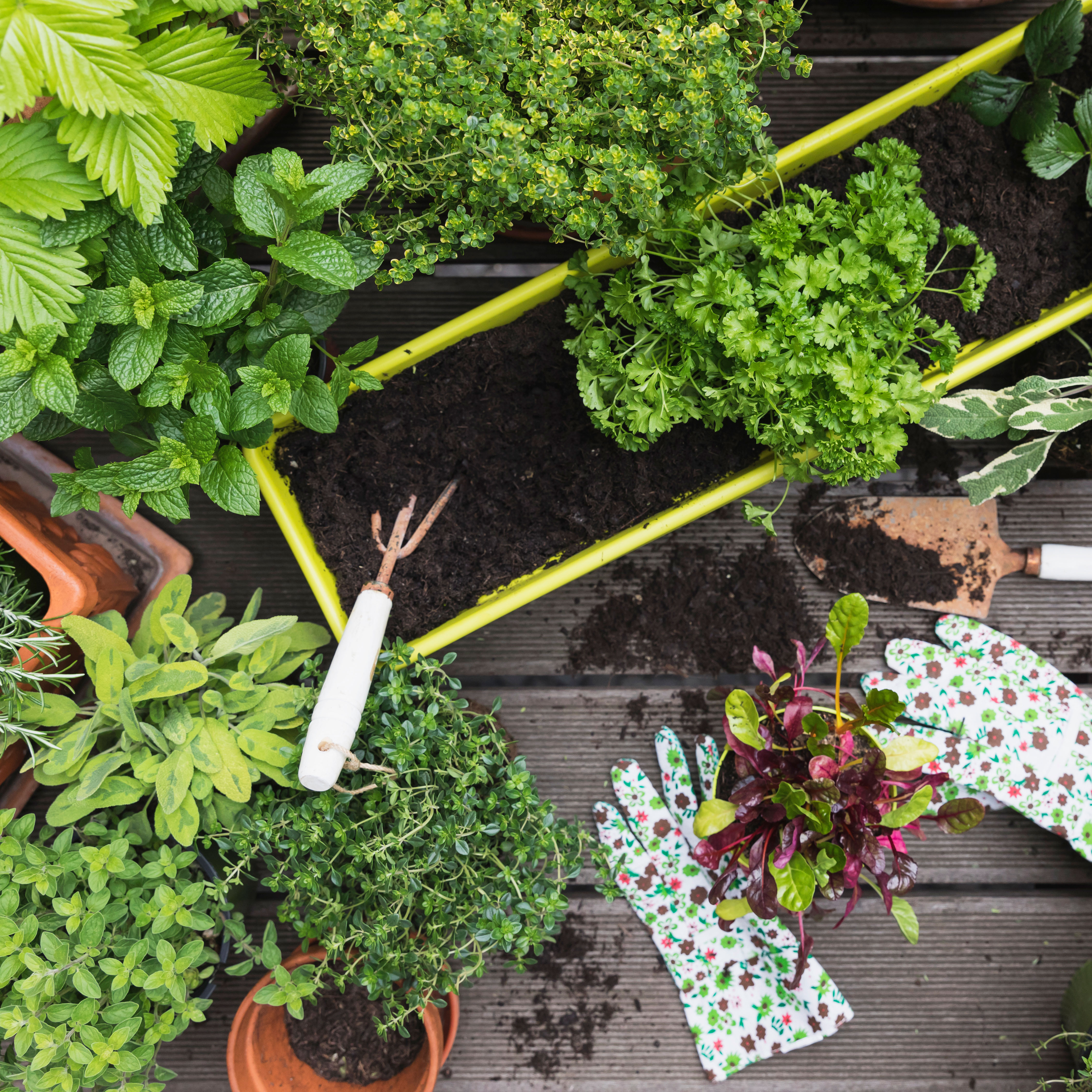
Choose pots with good drainage to prevent root rot. Use thick, insulated containers to keep soil warmer. Group pots together to create a microclimate that holds heat. Mulch the soil surface with straw or leaves to protect roots. Water herbs less often but do not let soil dry out completely. Place pots in spots that get maximum sunlight during the day.
Moving Containers Indoors
Bring potted herbs indoors before frost arrives. Choose a bright window with at least 6 hours of sunlight daily. Avoid placing pots near cold drafts or heating vents. Keep indoor humidity moderate by misting plants or using a humidity tray. Check soil moisture regularly and water when dry. Rotate pots to ensure even light exposure and steady growth.
Common Mistakes To Avoid
Herbs face many challenges during cold weather. Mistakes in care can harm them more than the cold itself. Knowing common errors helps protect herbs and keep them healthy through winter.
Overwatering In Cold Weather
Herbs need less water when it’s cold. Overwatering makes roots weak and prone to rot. Soil stays wet longer in low temperatures. This can drown roots and kill herbs. Water only when soil feels dry to touch. Good drainage is essential to avoid water buildup.
Ignoring Early Frost Warnings
Frost can damage or kill tender herbs. Early warnings give time to act. Cover herbs with cloth or move potted plants indoors. Leaving plants exposed can cause leaves to freeze. Protecting herbs early prevents lasting damage. Watch local weather reports closely in autumn.

Credit: savvygardening.com
Credit: www.gardeningknowhow.com
Frequently Asked Questions
How Do Herbs Survive Cold Temperatures?
Herbs survive cold by going dormant, reducing water needs, and using natural antifreeze properties. Some herbs like rosemary and thyme are cold-hardy. Mulching and covering can protect more delicate herbs. Bringing potted herbs indoors can also help them survive winter months.
Can Potted Herbs Survive Winter Indoors?
Yes, potted herbs can thrive indoors during winter with proper care. Place them in a sunny spot, water sparingly, and ensure good drainage. Indoor humidity can be low in winter, so mist herbs occasionally. Regularly check for pests and prune to encourage healthy growth.
Which Herbs Are Most Cold-resistant?
Cold-resistant herbs include thyme, sage, and rosemary. These herbs have hardy characteristics that enable them to withstand frost. They are perfect for colder climates and often require minimal protection. Planting them in well-drained soil enhances their cold resistance.
How To Protect Outdoor Herbs From Frost?
To protect herbs from frost, use mulch to insulate roots. Cover with fabric or cloches on frosty nights. Move potted herbs to sheltered areas. Regularly monitor weather forecasts to anticipate frost. This proactive approach can save herbs from freezing temperatures.
Conclusion
Herbs can survive cold weather with some care and attention. Choose hardy varieties that tolerate frost well. Mulching helps protect roots from freezing. Indoor growing is an option during harsh winters. Regular watering keeps herbs healthy, even in cold months.
Watch for signs of damage and act quickly. With simple steps, your herbs can thrive year-round. Gardening in cold weather is possible and rewarding. Keep learning and trying new methods for success. Your fresh herbs will thank you in spring.


