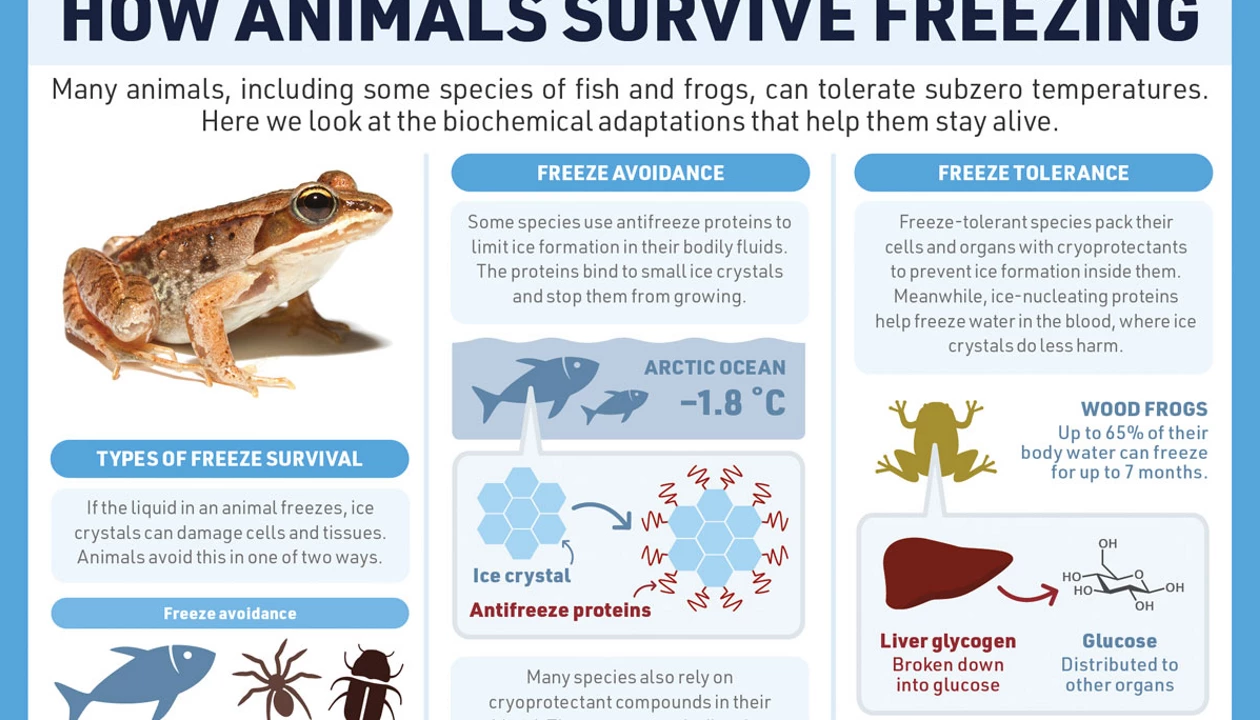
Have you ever wondered how your cat or dog manages to stay warm when the temperature drops? You might think they just curl up and wait it out, but there’s a lot more happening beneath the surface.
Understanding how your furry friend survives cold weather can help you keep them safe and comfortable all winter long. Keep reading to discover the amazing ways cats and dogs adapt to the chill—and what you can do to support them when the cold sets in.
Cold Weather Effects On Pets
Cold weather poses unique challenges for pets, affecting their health and behavior in ways you might not expect. Understanding these effects helps you protect your furry friends during chilly months. Let’s look closely at how cold impacts cats and dogs, and how you can spot serious issues like hypothermia and frostbite early.
How Cold Impacts Cats
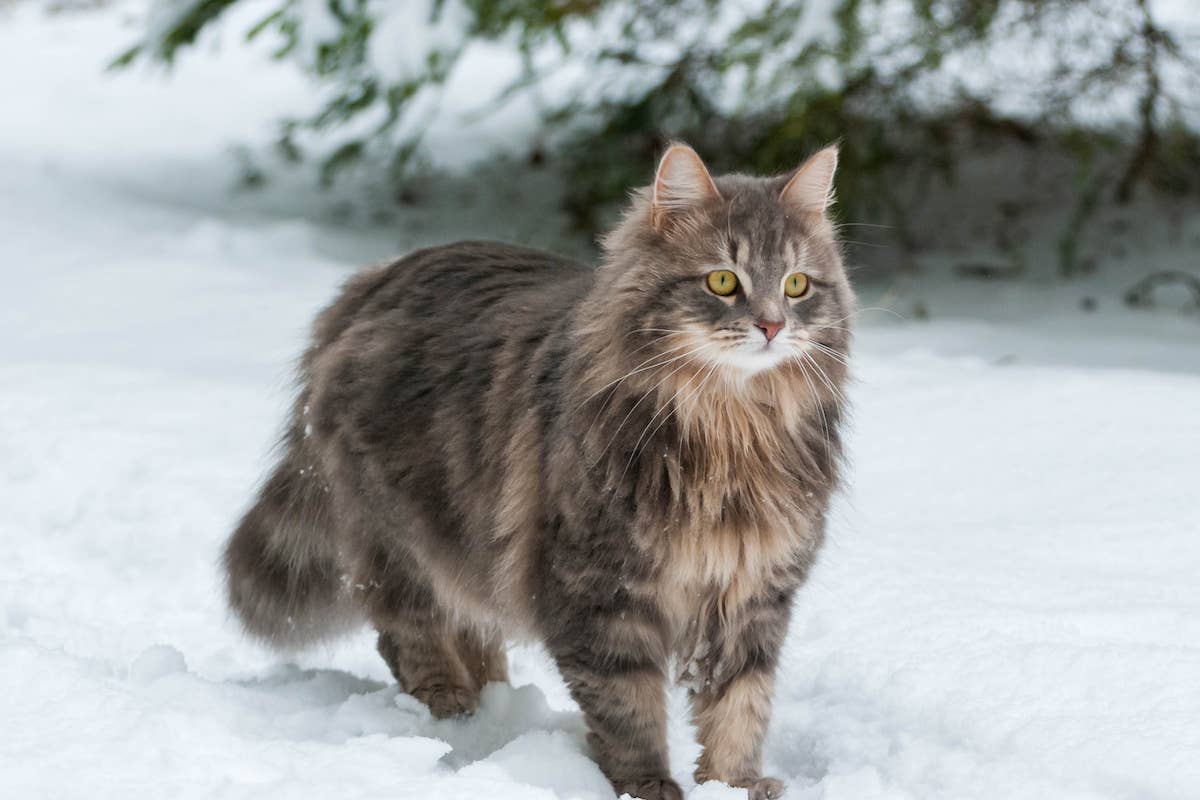
Cats are often thought to be more independent, but cold weather can stress their bodies significantly. Outdoor cats risk getting chilled quickly, especially if they have thin fur or are older. Cold can slow their metabolism and make them less active, which may lead to weight loss or illness.
You might notice your cat curling tightly or seeking warm spots more than usual. This behavior is a natural attempt to conserve body heat. If your cat spends time outdoors, consider providing insulated shelters or bringing them inside during extreme cold.
How Cold Impacts Dogs
Dogs have varying tolerance to cold depending on their breed, size, and coat thickness. Smaller breeds and those with short hair lose body heat faster and can become cold quickly. Dogs that are very young, old, or have health issues are especially vulnerable.
Cold weather can cause your dog to shiver, slow down, or become reluctant to go outside. You can help by using dog sweaters, limiting outdoor exposure, and drying them thoroughly after walks. Have you noticed your dog’s paws cracking or becoming sore after winter walks? This is a sign to protect their feet with booties or paw balm.
Signs Of Hypothermia And Frostbite
Hypothermia and frostbite are serious risks for pets in cold weather. Watch for these signs in your pet:
- Shivering or trembling
- Weakness or lethargy
- Cold or pale skin, especially on ears, tail, and paws
- Slowed breathing or heart rate
- Swelling or discoloration on extremities indicating frostbite
If you see any of these symptoms, act quickly. Move your pet to a warm area and wrap them in a blanket. Contact your vet immediately for professional care.
Credit: pethelpful.com
Natural Adaptations For Cold
Animals like cats and dogs have special ways to survive cold weather. Their bodies change and behave differently to keep warm. These natural adaptations protect them from harsh winters. Understanding these helps us care better for our pets during cold months.
Fur And Coat Differences
Cats and dogs have thick fur that works like a blanket. It traps warm air close to their skin. Dogs often have a double coat: a soft undercoat and a rough outer coat. This helps block wind and rain. Cats usually have dense fur but less oily than dogs. Some breeds grow longer fur in winter. Others shed to adjust to colder or warmer seasons.
Body Fat And Metabolism
Body fat acts as insulation for both cats and dogs. It keeps their internal organs warm. Animals may gain extra fat before winter starts. Their metabolism also changes to create more body heat. They burn calories faster to stay warm. This is why pets might eat more in cold weather.
Behavioral Adjustments
Cats and dogs change their actions to save heat. They curl up into balls to reduce exposed body parts. Many seek shelter in warm places like under furniture or near heaters. Dogs might slow down and rest more to save energy. Cats often find sunny spots to bask and warm up. These behaviors help them survive winter’s chill.
Shelter And Warmth Solutions
Keeping your cat or dog warm during cold weather is more than just a comfort issue—it’s a critical part of their health and safety. Proper shelter and warmth solutions can make a huge difference in how they cope with dropping temperatures. Let’s look at practical ways to create safe, cozy spaces for your pets both indoors and outdoors.
Creating Cozy Indoor Spaces
Your home can become a haven for your pets when temperatures fall. Setting up a dedicated spot with soft bedding away from drafts helps them retain body heat. Place their bed near a sunny window or close to a radiator, but not too close to avoid overheating.
Consider using pet tents or igloo-shaped beds that trap warmth better. Adding extra blankets or a fleece throw can make their space inviting. Have you noticed your pet curling up more tightly during winter? That’s their way of conserving heat, so giving them snug spots supports this natural behavior.
Outdoor Shelter Options
If your pet spends time outside, a well-insulated shelter is vital. Choose a doghouse or cat shelter with raised floors to avoid cold ground and a slanted roof to prevent water buildup. Adding straw rather than blankets inside provides better insulation and stays dry longer.
Make sure the entrance faces away from prevailing winds to block chilly drafts. You might think a simple plastic doghouse is enough, but insulation and weatherproofing truly matter. Have you checked your outdoor shelter recently for gaps or leaks? Sealing those can greatly improve warmth retention.
Using Heating Pads And Blankets Safely
Heating pads and electric blankets can offer extra warmth, but safety is key. Always select products made specifically for pets to prevent burns or electric shocks. Place heating devices under bedding rather than directly on your pet’s skin.
Never leave heating pads on unattended for long periods, and check cords for damage regularly. Some pets may chew on cords, so protect them with covers or keep devices out of reach. Would you know the signs if your pet is too warm? Watch for panting or restlessness to avoid overheating risks.
Nutrition For Cold Weather
Nutrition plays a key role in helping cats and dogs stay warm during cold weather. Their bodies need extra fuel to produce heat and maintain energy. Feeding pets the right food helps them cope with harsh conditions and stay healthy. Proper nutrition supports their immune system and keeps their fur thick and insulating.
Adjusting Diets For Energy
Pets burn more calories in cold weather to keep warm. Increasing their food portions provides extra energy. Choose foods high in protein and fat for sustained warmth. Avoid sudden diet changes to prevent stomach upset. Small, frequent meals can help maintain steady energy levels.
Hydration Importance
Water intake is crucial even in cold weather. Pets may drink less due to cooler temperatures but still need fluids. Proper hydration supports digestion and body temperature regulation. Offer fresh water often and consider warming it slightly. Wet food can also help increase fluid intake.
Supplements And Vitamins
Cold months can stress pets’ immune systems. Supplements like omega-3 fatty acids improve coat health and reduce inflammation. Vitamins A, C, and E boost immunity and skin condition. Consult a vet before adding supplements to your pet’s diet. Quality supplements support overall well-being in winter.
Exercise And Activity Tips
Keeping your cat or dog active during cold weather is essential for their health and happiness. Exercise helps maintain body warmth and keeps their muscles strong despite the chilly conditions. However, the way you manage their activity needs special care to ensure safety and comfort.
Safe Outdoor Play
Short, frequent outdoor sessions work best for pets in cold weather. Watch for signs your pet is too cold, like shivering or lifting paws off the ground. Use protective gear like pet boots or coats to shield them from frostbite and cold winds.
Choose areas that are free of sharp ice or deep snow where your pet can run safely. Have a warm shelter nearby so they can take breaks when needed. You might find that playing fetch or running alongside your pet keeps both of you moving and enjoying the fresh air.
Avoiding Ice-related Injuries
Slippery ice can cause serious injuries to your pet’s joints and muscles. Avoid walking on icy patches and check your pet’s paws for cracks or irritation after each outdoor trip. Trimming the fur between their paw pads can reduce ice buildup and improve traction.
Consider using paw wax or booties to protect against salt and ice melt chemicals. If you notice limping or discomfort, limit outdoor time and consult your vet. Have you checked your pet’s paws recently for signs of winter wear and tear?
Indoor Exercise Ideas
When it’s too cold outside, indoor play becomes crucial. Use interactive toys like feather wands, laser pointers, or treat puzzles to keep your cat or dog mentally and physically engaged. Set up obstacle courses using furniture to encourage jumping and crawling.
Regular short play sessions throughout the day can prevent boredom and restlessness. You might be surprised how much energy your pet can burn chasing a ball down a hallway or playing tug-of-war. What indoor games does your pet enjoy most during winter?
Credit: kalkaskaconservation.org
Clothing And Accessories
Keeping your cat or dog warm during cold weather often means thinking beyond just a cozy spot inside. Clothing and accessories can play a vital role in protecting your pet from harsh temperatures. The right gear not only adds warmth but also shields sensitive areas from snow, ice, and cold winds.
Choosing Pet Jackets And Sweaters
Look for jackets and sweaters made from materials that provide insulation without restricting movement. Fleece and wool blends offer excellent warmth, while waterproof fabrics help keep your pet dry. Pay attention to fit—too tight can be uncomfortable, too loose may let cold air in.
Think about your pet’s activity level. A high-energy dog might do better with a lightweight, breathable jacket, while a less active or older pet could need thicker insulation. Have you noticed how your dog reacts when wearing clothes? Their comfort is key.
Boots And Paw Protection
Paw protection is often overlooked but crucial during winter. Boots shield paws from ice, salt, and freezing temperatures that can cause cracks or irritation. Choose boots with a non-slip sole to help your pet maintain grip on slippery surfaces.
If your pet refuses boots, you can apply paw wax as a barrier against cold and salt. Regularly checking and cleaning paws after walks prevents discomfort and injury. Have you seen your pet limp or lick their paws excessively after a snowy walk? That’s a sign they need protection.
When Clothing Is Necessary
Not every pet needs extra clothing, but certain situations call for it. Small breeds, short-haired animals, senior pets, and those with health issues often require added warmth. If your pet shivers, lifts their paws off the ground, or seems reluctant to go outside, clothing might help.
Consider the weather conditions too. Wet, windy, or extremely cold days increase the need for protective clothing. Does your pet spend a lot of time outdoors? Their exposure level should guide your choice of accessories.
Health Care Precautions
Keeping your cat or dog healthy in cold weather takes more than just providing warmth. You need to pay close attention to their health care to ensure they stay strong and comfortable. Small changes in your routine can make a big difference in how well your pet handles winter’s challenges.
Regular Vet Check-ups
Frequent visits to the vet help catch any health issues before they get worse. Cold weather can hide signs of illness because pets tend to be less active. Scheduling check-ups allows your vet to monitor your pet’s overall health and adjust care if needed.
Have you noticed your pet limping or scratching more often during winter? Don’t wait for these problems to escalate. Early intervention can prevent serious complications.
Monitoring Joint And Skin Health
Cold weather can stiffen joints and dry out skin, especially in older pets. Watch for signs like limping, reluctance to move, or flaky skin. Providing supplements like omega-3 fatty acids or using moisturizing pet shampoos can help ease discomfort.
Try gentle massage or light exercise to keep your pet’s joints flexible. Sometimes, simple changes at home, like a cozy bed off cold floors, improve their comfort dramatically.
Preventing Winter Parasites
Parasites don’t disappear in winter—they just hide better. Fleas, ticks, and mites can still affect your pets, especially if they spend time outdoors. Maintaining parasite prevention treatments year-round is crucial.
Ask your vet which products work best in cold months and keep an eye on your pet’s coat for unusual scratching or redness. Are you prepared to protect your pet from invisible winter threats?

Credit: www.wildlifenomads.com
Frequently Asked Questions
How Do Cats Stay Warm In Cold Weather?
Cats stay warm by fluffing up their fur, which traps heat. They seek shelter in warm spots and may snuggle together. Their metabolism also helps maintain body temperature. Providing warm bedding and indoor shelter ensures they stay cozy.
Can Dogs Handle Cold Weather Without Coats?
Some dogs can handle cold weather due to their thick fur. Breeds like Huskies and Saint Bernards are more adapted. However, small or short-haired dogs may need coats for extra warmth. Always monitor your pet’s comfort and provide suitable protection.
What Signs Show A Pet Is Too Cold?
Signs include shivering, lethargy, and raised fur. Pets may also seek warmth or refuse to go outside. If they lift their paws frequently, it indicates discomfort. Ensure your pet has access to warmth and observe them for any signs of distress.
How Do Pets’ Paws Survive Cold Surfaces?
Pets’ paws have pads that provide some insulation. However, ice and snow can cause discomfort or injury. It’s crucial to check for ice between toes and use paw protectors if needed. Regularly inspect and clean paws after walks in cold weather.
Conclusion
Cats and dogs have natural ways to stay warm in cold weather. Their fur helps block the cold wind and keeps body heat inside. They also curl up to save warmth. Owners can help by giving warm shelter and fresh water.
Watching pets closely during winter keeps them safe and healthy. Cold weather is tough, but pets adapt well with care. Keep them cozy and happy all season long.


