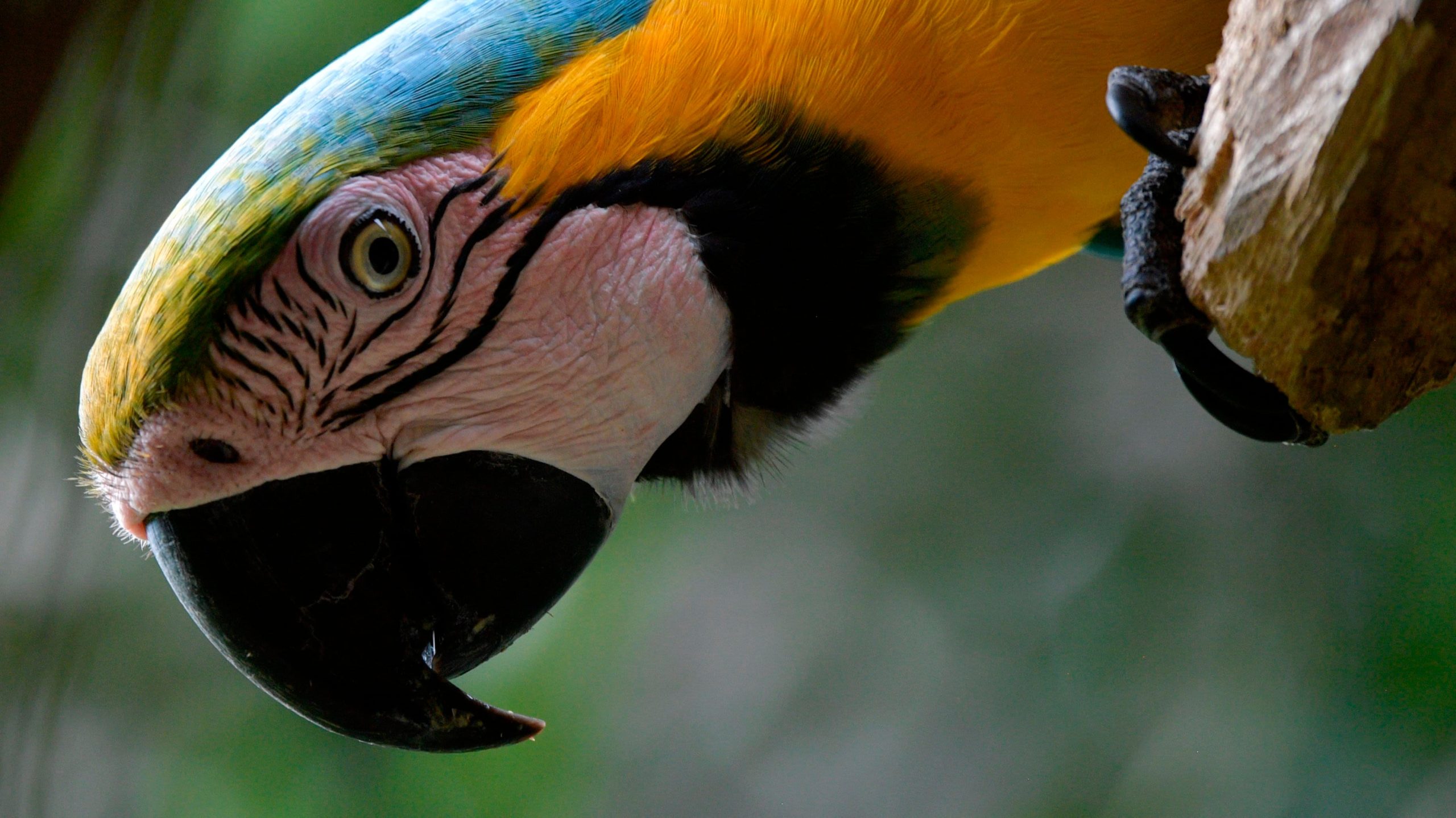
Have you ever wondered if your parrot can handle the heat when temperatures rise? As a caring bird owner, you want to make sure your feathered friend stays safe and comfortable during hot weather.
But how much heat is too much for a parrot? And what signs should you watch for to keep your bird healthy? Keep reading to discover simple, effective ways to protect your parrot from the dangers of high temperatures. Your bird’s well-being depends on it.
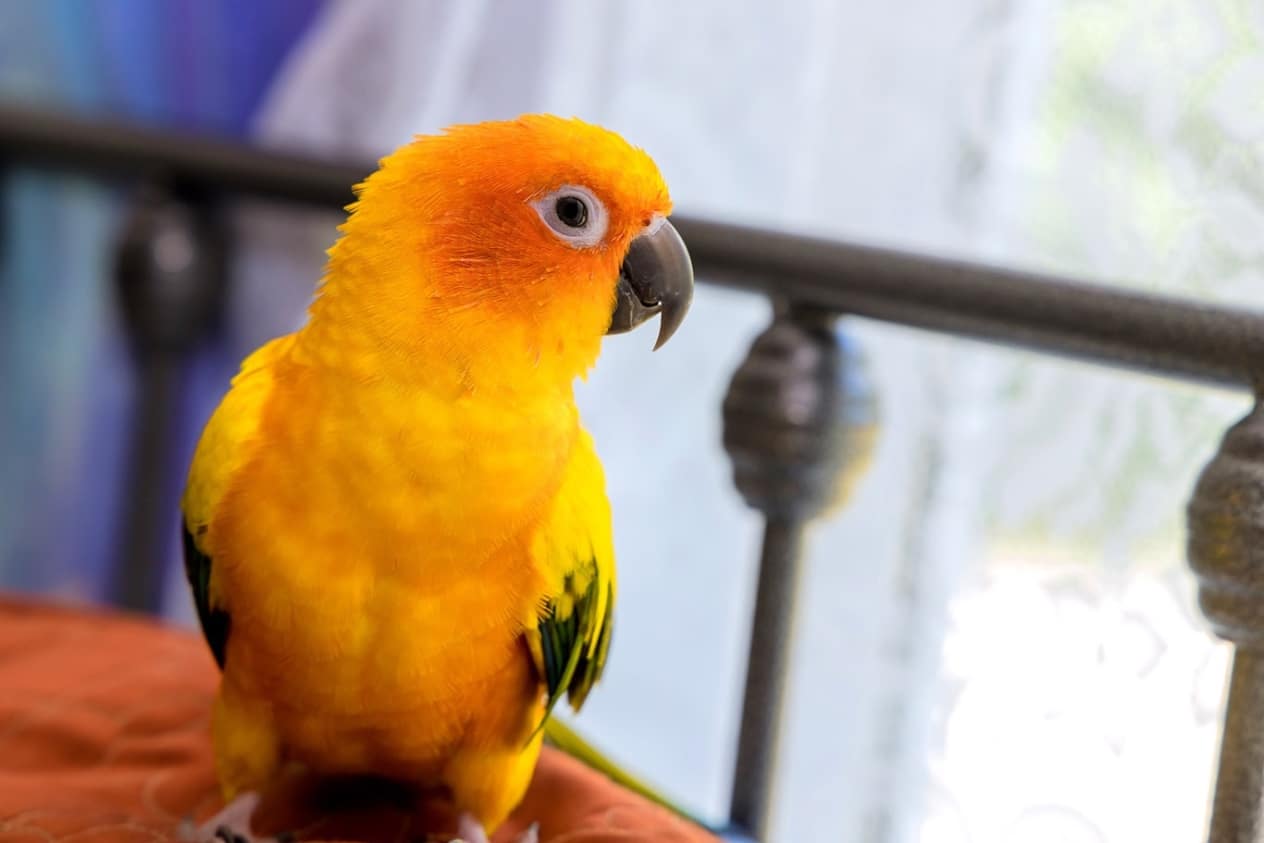
Credit: vogdog.com
Parrots And Heat Sensitivity
Parrots are beautiful birds that come from warm climates. Their bodies are not built to handle extreme heat. Understanding how heat affects parrots helps keep them safe and healthy.
How Heat Affects Parrots
Parrots regulate their body temperature differently than humans. They do not sweat to cool down. Instead, they use their respiratory system and feathers to manage heat. High temperatures can cause their body to overheat quickly. Heat can stress their organs and cause dehydration. Too much heat can lead to serious health problems or death. Parrots need shade and water to stay cool during hot weather.
Signs Of Heat Stress
Heat stress shows in parrots through behavior and physical signs. Watch for these symptoms:
- Heavy breathing or panting
- Fluffed-up feathers
- Weakness or lethargy
- Drooping wings
- Loss of appetite
- Unusual vocal sounds or silence
- Rapid heartbeat
Recognizing these signs early can save a parrot’s life. Immediate action is crucial to cool the bird and prevent heat stroke.
Ideal Temperature Range
Knowing the ideal temperature range for parrots is essential to keep your feathered friend healthy and happy. Parrots come from diverse climates, but most thrive best within a moderate temperature band. Understanding this range helps you avoid heat stress or cold-related issues that can affect their well-being.
Safe Temperature Limits
Most parrots feel comfortable between 65°F (18°C) and 85°F (29°C). Temperatures above 90°F (32°C) can be risky, especially if the air is dry or the bird cannot cool down properly.
On the cooler side, temperatures below 50°F (10°C) may cause health problems unless your parrot is a species naturally adapted to cold weather. Sudden temperature changes can be more dangerous than constant heat or cold.
If your home gets too warm, try to provide shaded areas and fresh water. Fans can help circulate air but avoid direct drafts on your bird.
Humidity Considerations
Humidity plays a big role in how parrots handle heat. High humidity combined with high temperatures makes it harder for birds to cool down through panting and evaporative processes.
Ideal humidity levels for parrots are between 40% and 60%. If humidity rises above 70%, your parrot may struggle to regulate its body temperature.
Using a hygrometer can help you monitor indoor humidity. If it’s too high, consider using a dehumidifier or increasing ventilation.
Have you noticed your parrot behaving differently on hot, muggy days? That’s a sign humidity is affecting their comfort and health.
Cooling Techniques For Parrots
Parrots can get very hot during warm weather. Cooling techniques help them stay safe and comfortable. Birds cannot sweat like humans, so owners must use other ways to cool them down. These methods keep parrots healthy and calm in the heat.
Providing Fresh Water
Fresh water is the easiest way to help parrots cool off. Make sure their water bowl is always clean and full. Cold water is best but avoid ice-cold water that might shock the bird. Change the water several times a day, especially in hot weather.
Water helps parrots regulate their body temperature and stay hydrated. Dehydration can cause serious health problems. Offer water in a shallow dish to encourage drinking.
Using Fans And Air Conditioning
Fans and air conditioning units create airflow that cools the air around parrots. Place fans where air moves gently over the cage but avoid strong drafts. Direct cold air away from the bird to prevent chills.
Air conditioning lowers room temperature and keeps parrots comfortable. Set the temperature between 70-75°F (21-24°C). Keep the environment quiet to avoid stressing the bird.
Misting And Bathing
Misting parrots with water helps lower their body temperature. Use a spray bottle with clean, room-temperature water. Mist their feathers lightly without soaking them.
Bathing also cools parrots and keeps their feathers healthy. Provide a shallow dish or bird bath. Let the parrot bathe itself or gently splash water on it. Bathing is especially refreshing during hot days.

Credit: birdsupplies.com
Housing Adjustments
Adjusting your parrot’s housing is essential for helping them cope with hot weather. Proper shelter can prevent overheating and keep your bird comfortable throughout the day. Small changes in their environment make a big difference in their well-being.
Shaded And Ventilated Spaces
Parrots need areas where they can escape the heat without feeling trapped. Providing a shaded spot in their cage helps block direct sunlight and reduces temperature spikes. Good ventilation is just as important—airflow helps cool your parrot naturally and prevents stuffiness.
Try placing fans nearby but avoid blowing air directly at your bird. You want gentle circulation, not a draft. Have you noticed how your parrot acts when the air feels stagnant? That’s a clear sign to improve ventilation.
Avoiding Direct Sunlight
Direct sunlight can quickly raise the temperature inside a cage, putting your parrot at risk of heatstroke. Make sure their cage is never in the path of harsh afternoon sun. Even a short exposure can cause stress and dehydration.
If you keep your parrot outdoors, use umbrellas, awnings, or natural tree cover to block strong rays. Watching your bird seek shade is a good cue—they instinctively know when it’s too hot.
Cage Placement Tips
Where you place your parrot’s cage indoors or outdoors affects their comfort level dramatically. Avoid spots near heat sources like radiators, ovens, or windows with intense sunlight. Instead, choose cooler corners with indirect light.
Elevating the cage slightly can improve airflow and keep your parrot away from hot floors. Think about how you arrange your space: does your bird have easy access to cooler spots? Adjusting cage height and location can help your parrot stay cool without extra effort.
Diet And Hydration
Diet and hydration play a key role in helping parrots handle hot weather. Birds lose water quickly through breathing and activity. Their diet must support both hydration and energy needs to keep them healthy and cool. Providing the right foods and supplements helps parrots stay comfortable and avoid heat stress.
Hydrating Foods
Parrots benefit from foods with high water content. These foods add moisture to their diet naturally. Fresh fruits and vegetables are great choices.
- Cucumber
- Watermelon
- Celery
- Oranges
- Leafy greens
These foods also provide vitamins and minerals. Chopped into small pieces, they are easy to eat and digest. Frozen fruit pieces can cool birds down on hot days. Avoid salty or sugary snacks that cause dehydration.
Supplements For Heat
Supplements can support hydration and energy levels in heat. Electrolyte powders designed for birds help replace lost minerals. These powders dissolve in water and encourage drinking.
- Calcium supplements support bone health and muscle function.
- Vitamin C boosts the immune system.
- Vitamin E helps protect cells from heat damage.
Always follow dosage instructions carefully. Consult a vet before adding supplements to a parrot’s diet. Balanced nutrition and proper hydration together reduce heat stress risks.
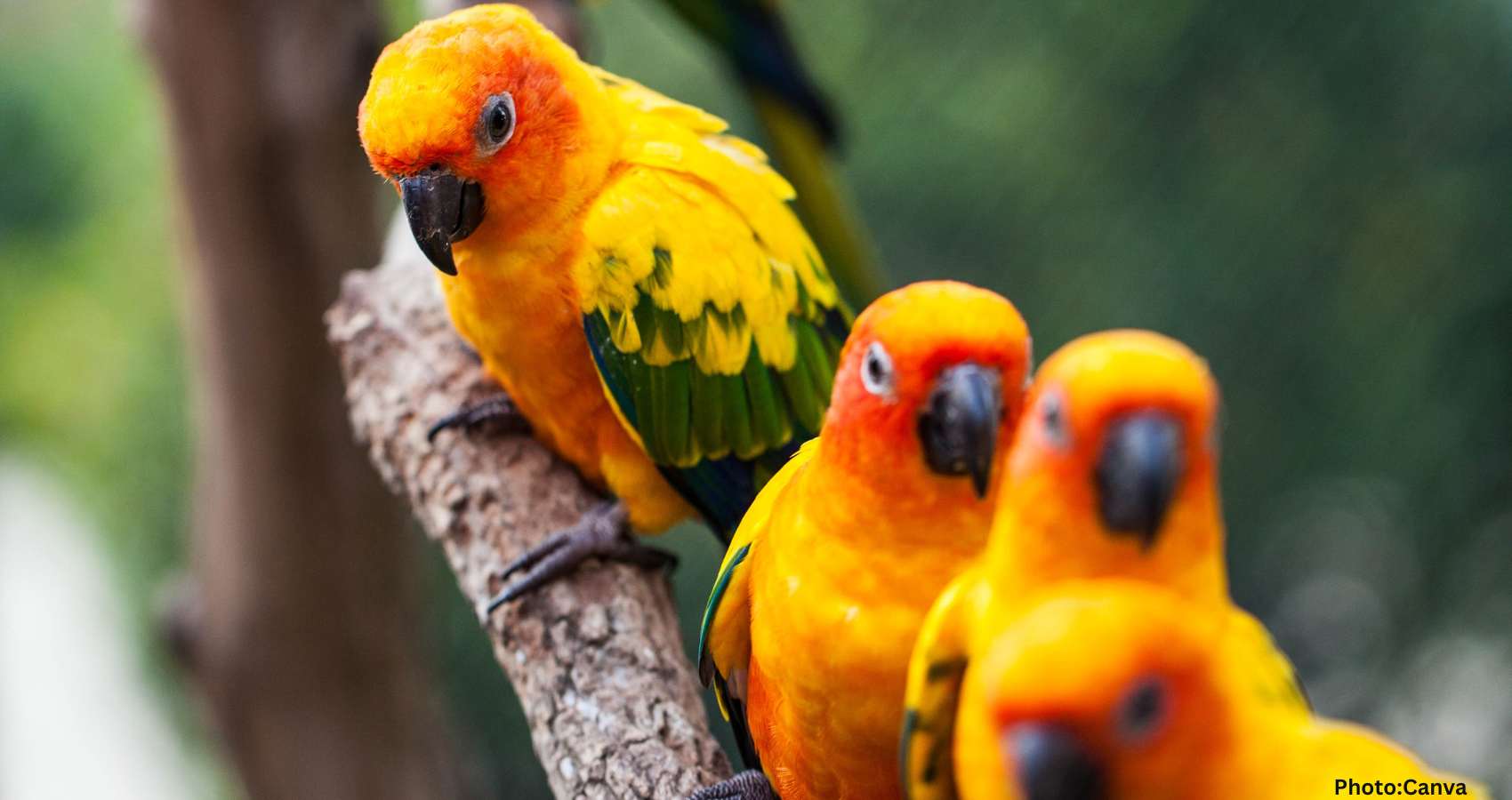
Credit: theunn.com
Monitoring And Emergency Care
Keeping a close eye on your parrot during hot weather is essential. Birds can hide signs of distress until it’s serious. Knowing how to spot trouble and react fast can save your feathered friend’s life.
Recognizing Heatstroke
Heatstroke in parrots shows up as heavy breathing or panting. You might notice your bird sitting with its wings slightly open, trying to cool down. Lethargy, droopy posture, and bright red or pale skin around the eyes and beak are warning signs.
If your parrot suddenly becomes unresponsive or starts trembling, these are urgent signals. Have you ever seen your bird act unusually quiet or weak on a hot day? That could be heatstroke setting in.
Immediate Actions
Move your parrot to a cooler, shaded area right away. Offer fresh, cool water but don’t force it to drink. Use a damp cloth to gently wipe its feathers and skin to help lower the temperature.
Turn on a fan nearby but avoid direct drafts that might cause chills. Keep monitoring your bird’s breathing and behavior closely during this time. Quick and calm responses can make all the difference in recovery.
When To See A Vet
If your parrot’s condition doesn’t improve within minutes, or if it becomes unconscious, seek emergency veterinary care immediately. Persistent panting, seizures, or refusal to eat are red flags that require professional help.
Don’t wait for symptoms to worsen. Early intervention can prevent lasting damage and increase the chances of survival. Would you hesitate to get help if your parrot showed these signs?
Preventive Measures For Hot Seasons
Parrots need extra care during hot seasons to stay healthy and safe. High temperatures can stress birds and cause health problems. Taking preventive measures helps them cope with heat better. Simple steps can make a big difference in their comfort and wellbeing.
Routine Checks
Check your parrot daily for signs of heat stress. Look for heavy breathing, drooping wings, or lethargy. Ensure their water bowl is always full and clean. Monitor their feathers for unusual ruffling or fluffing. Watch their behavior closely; any change can signal discomfort. Keep their cage in a cool, shaded place. Avoid direct sunlight during peak heat hours. Use a thermometer to track the room temperature. It should stay below 85°F (29°C) for most parrots.
Adjusting Activity Levels
Lower your parrot’s activity during hot times of the day. Encourage play and exercise in the morning or late afternoon. Provide quiet, calm environments when it’s hottest. Avoid loud noises or stressful situations that raise their body temperature. Offer cooling treats like chilled fruits or veggies. Let your parrot rest often to prevent overheating. Use fans or air conditioning to keep the air moving gently. Never place them directly in front of cold drafts.
Frequently Asked Questions
Can Parrots Tolerate High Temperatures?
Parrots can tolerate high temperatures, but they need shade and hydration. Ensure they have fresh water and a cool environment. In extreme heat, parrots can suffer from heat stress. It’s important to monitor their behavior for signs of overheating, such as panting or lethargy.
How Do Parrots Cool Down In Hot Weather?
Parrots cool down by panting and spreading their wings. They also enjoy misting with water to stay cool. Providing a shaded area and ensuring airflow can help. Offering frozen treats can also provide relief from the heat.
What Are Signs Of Heat Stress In Parrots?
Signs of heat stress include panting, holding wings away from the body, and lethargy. They may also show a lack of appetite or excessive thirst. Immediate cooling and hydration are crucial. If symptoms persist, consulting a veterinarian is recommended.
How Can I Keep My Parrot Cool?
Provide shade, fresh water, and adequate ventilation. Mist your parrot with water and offer frozen treats. Avoid direct sunlight, especially during peak heat hours. Consider using a fan for airflow and ensure their cage is in a cool area.
Conclusion
Parrots can handle heat, but they need care and shade. Keep fresh water nearby to help them stay cool. Avoid direct sun during the hottest hours of the day. Watch for signs of heat stress, like panting or lethargy. A cool, shaded space makes a big difference.
With proper care, parrots can enjoy warm weather safely. Always pay attention to your bird’s needs and comfort. Hot days don’t have to be dangerous for your feathered friend. Simple steps can keep them healthy and happy in the heat.