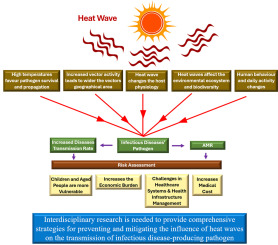
Are you wondering if hot weather can stop the coronavirus from spreading? You’re not alone.
Many people hope that warmer days will make the virus disappear faster. But is that really true? Understanding how heat affects the coronavirus can help you protect yourself and your loved ones better. Keep reading to discover the facts and clear up common myths about the virus and hot weather.
Your safety might depend on what you learn here.
Coronavirus And Temperature
Temperature plays a key role in how viruses behave, and the coronavirus is no exception. Understanding how heat affects this virus can help you make smarter decisions about safety during warmer months. Let’s take a closer look at how coronavirus interacts with temperature changes.
Virus Stability In Different Climates
Coronavirus tends to survive longer in cool, dry conditions. Studies show that in colder climates, the virus can remain active on surfaces for days. But in warmer, humid environments, its lifespan shortens significantly.
This doesn’t mean the virus disappears in hot weather. Instead, higher temperatures and moisture levels reduce its ability to stay infectious. So, while summer heat might lower risk, it doesn’t eliminate it.
- Cold temperatures help the virus remain stable.
- Heat and humidity weaken the virus’s outer layer.
- Sunlight exposure also contributes to faster virus breakdown.
Impact Of Heat On Virus Lifespan
Heat affects the virus by damaging its protective envelope, making it less able to infect. At temperatures above 30°C (86°F), the virus’s survival time on surfaces drops sharply.
However, the virus can still spread in hot weather if people neglect basic precautions like wearing masks and hand washing. This shows that temperature alone isn’t a shield; your behavior matters most.
| Temperature | Virus Survival on Surfaces |
|---|---|
| Below 10°C (50°F) | Several days |
| 20-25°C (68-77°F) | Up to 1-2 days |
| Above 30°C (86°F) | Few hours to less than a day |
Have you noticed how even in summer, crowded indoor places can still be hotspots for infection? This happens because temperature is just one factor among many. Paying attention to ventilation and hygiene is crucial no matter the season.

Credit: www.goodrx.com
Studies On Heat And Virus Survival
Researchers have studied how heat affects coronavirus survival. Understanding the virus’s behavior in warm conditions helps in assessing risks. Different studies use lab tests and real-world data to explore this topic. The findings reveal how temperature impacts virus activity and spread.
Laboratory Findings
Lab tests show that high temperatures can reduce virus survival time. Scientists expose the virus to various heat levels to see how long it stays active. At temperatures above 30°C (86°F), the virus tends to lose infectivity faster. Heat damages the virus’s outer layer, making it less able to infect cells.
Studies also show that the virus survives longer on surfaces in cooler conditions. At lower temperatures, the virus remains stable for days. This means cold environments can help the virus persist. Heat speeds up the breakdown of the virus outside the body.
Real-world Observations
Observations from hot regions show mixed results about virus spread. Some hot countries still face outbreaks despite high temperatures. Human behavior, such as close contact and indoor gatherings, affects transmission. Heat alone does not stop the virus from spreading in communities.
Seasonal patterns suggest the virus may slow down in warmer months. Yet, COVID-19 cases continue worldwide regardless of climate. This points to heat being one factor among many influencing virus survival. Real-world data confirms that heat helps but does not eliminate risk.
Myths About Hot Weather And Virus Spread
Many people believe that hot weather can stop the spread of the coronavirus. This idea has been shared widely on social media and conversations. But is it really true? Let’s clear up some common myths about how heat affects the virus.
Common Misconceptions
One popular belief is that the virus cannot survive in hot temperatures. People often assume that summer heat will kill the virus instantly. However, viruses don’t just vanish because the weather is warm.
Another myth is that if you live in a hot climate, you are safe from catching COVID-19. This false sense of security can lead to ignoring safety measures like wearing masks or social distancing. Remember, countries with high temperatures have still experienced outbreaks.
- Heat does not directly kill the virus on your skin or surfaces immediately.
- Humidity and UV light play roles, but they are not enough to stop the spread alone.
- Human behavior and precautions have a much bigger impact than temperature.
Why Heat Alone Isn’t Enough
Heat can reduce how long the virus survives on surfaces, but it doesn’t stop transmission between people. The virus mainly spreads through droplets when someone coughs, sneezes, or talks.
Think about how you feel on a hot day. You might sweat more and touch your face more often, increasing the chance of infection. Plus, people tend to gather indoors in air-conditioned spaces to escape the heat, which can help the virus spread.
So, relying on hot weather as a shield is risky. What actions can you take instead to protect yourself? Wearing masks, washing hands frequently, and keeping distance from others remain the best defenses.
How Hot Weather Affects Transmission
Hot weather can influence how coronavirus spreads. Temperature alone does not stop the virus. Other factors like humidity and sunlight matter too. Understanding these helps explain virus behavior in warm climates.
Role Of Humidity And Sunlight
Humidity affects virus particles in the air. High humidity makes droplets heavier. They fall faster, reducing airborne spread. Low humidity keeps droplets light and floating longer.
Sunlight, especially ultraviolet (UV) rays, can damage the virus. UV rays break down the virus’s outer layer. This lowers the virus’s ability to infect people. Bright sunny days may reduce virus survival on surfaces.
Behavioral Changes In Warm Climates
Warm weather changes how people act. People spend more time outdoors. Open spaces lower the risk of catching the virus. Crowded indoor spaces with poor ventilation increase risk.
Heat may also reduce the use of masks and distancing. Some feel safer outside and relax precautions. These behaviors affect virus transmission more than temperature alone.
Precautions During Hot Seasons
Hot weather might make you feel like the risk of catching coronavirus is lower, but it’s important to stay cautious. The virus doesn’t just disappear with warmth, so protecting yourself during summer or any hot season remains crucial. Let’s look at what practical steps you can take to stay safe and healthy.
Effective Safety Measures
Even in hot weather, simple actions can make a big difference in preventing infection. Keep washing your hands frequently with soap and water, especially after touching public surfaces or being around others.
Try to avoid crowded places or maintain at least six feet distance from people outside your household. Wearing lightweight, breathable masks helps reduce the risk without making you uncomfortable in the heat.
Also, remember to clean and disinfect high-touch surfaces regularly, like your phone, door handles, and keys. These small habits add up to stronger protection for you and your loved ones.
Importance Of Vaccination And Masks
Vaccination is your best defense against severe illness from coronavirus, regardless of the weather. Even if you feel the heat might weaken the virus, getting vaccinated boosts your body’s ability to fight it off effectively.
Mask-wearing remains an important tool, especially in indoor or crowded settings where the virus can spread more easily. Choosing masks made from materials that breathe well yet block droplets keeps you safe without overheating.
Think about your daily routine—do you often find yourself in close contact with others indoors during hot days? Wearing a mask during those moments isn’t just about protecting yourself; it also protects the people around you.
Credit: abcnews.go.com
Future Outlook And Research
The future of understanding how coronavirus behaves in hot weather is still unfolding. Scientists continue to study the virus’s survival rates under different temperatures. This research helps shape public health strategies and safety measures for coming seasons. Insights gained will guide responses to potential outbreaks and protect communities worldwide.
Ongoing Studies
Researchers test how heat affects the virus on surfaces and in the air. Some studies show higher temperatures can reduce virus survival time. Others focus on humidity and sunlight’s role in virus decay. Scientists also explore how variants respond to different climates. These ongoing studies provide clearer data for health guidelines.
What To Expect In Upcoming Seasons
Hot weather may lower virus spread but not stop it completely. People should stay cautious during warm months and keep safety habits. Vaccination and mask use remain important regardless of temperature. Seasonal changes in behavior, like indoor gatherings, affect virus transmission too. Future seasons will reveal more about weather’s true impact on coronavirus.

Credit: www.politico.com
Frequently Asked Questions
Can Coronavirus Survive In Hot Weather?
Yes, coronavirus can survive in hot weather. Heat alone doesn’t kill the virus. It’s important to maintain preventive measures regardless of the weather.
Does Summer Reduce The Spread Of Covid-19?
Summer alone doesn’t stop COVID-19 spread. The virus can spread in any climate. Proper hygiene and precautions are essential.
How Does Temperature Affect Coronavirus Transmission?
Temperature alone doesn’t significantly impact transmission. COVID-19 spreads through respiratory droplets, regardless of the temperature.
Is Covid-19 Less Active In Warm Climates?
COVID-19 is not less active in warm climates. The virus remains viable and can spread in warm conditions.
Conclusion
Hot weather alone does not stop coronavirus spread. The virus can survive in warm temperatures for some time. Staying careful and following health advice remains important. Wearing masks and washing hands often still protect you best. Avoid crowded places to lower infection risk.
Scientists continue to study how weather affects the virus. Stay updated with trusted health information every day. Protect yourself and others by staying alert and safe.