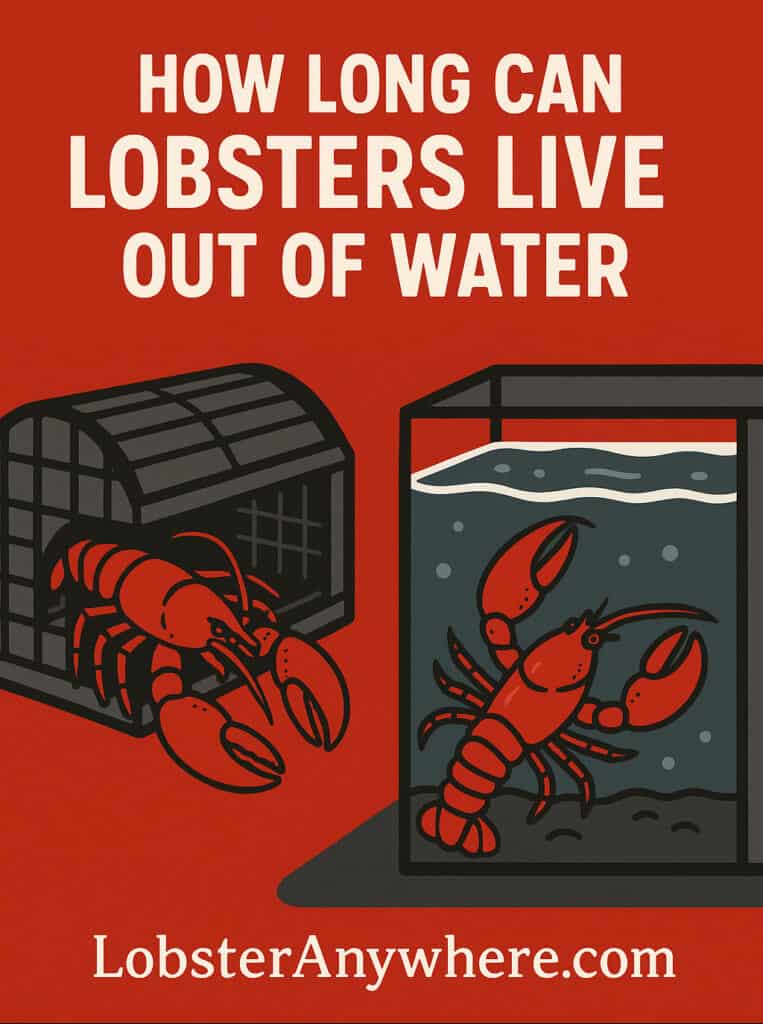
Have you ever wondered how long lobsters can survive out of water? Whether you’re cooking, storing, or just curious, knowing this can make a big difference.
Imagine holding a lobster in your hands—how much time do you really have before it’s no longer fresh or alive? You’ll discover surprising facts that could change the way you handle lobsters. Keep reading to learn exactly how to keep your lobster alive longer and why it matters for taste and safety.
Credit: umamigirl.com
Lobster Biology And Water Dependence
Lobsters are fascinating creatures that rely heavily on their aquatic environment. Their survival depends on specific biological features designed for life underwater. Understanding these features helps explain how long lobsters can live out of water.
Their bodies are adapted to absorb oxygen from water, not air. This creates a challenge when lobsters are removed from their natural habitat. The time lobsters survive out of water varies based on how well they maintain moisture and breathe.
Respiration Mechanism
Lobsters breathe through gills located under their shells. These gills extract oxygen from water. When out of water, gills can collapse and dry out quickly. Without moisture, oxygen cannot reach the lobster’s blood effectively.
The gills need constant wetness to work. If the gills dry, the lobster struggles to breathe. This limits the time they can stay alive outside water. A cool, moist environment can help keep gills functional longer.
Role Of Moisture
Moisture is vital for lobster survival out of water. It keeps their gills wet and supports breathing. Lobsters can survive longer if their bodies stay moist.
Handling lobsters with wet hands or placing them on damp surfaces helps. Dry air or heat causes rapid moisture loss. This stresses the lobster and reduces survival time.
Keeping lobsters cool and moist is key during transport or display. This slows gill drying and extends their life outside water.
Survival Time Without Water
Lobsters are marine creatures that depend heavily on water to breathe and survive. But how long can they actually live when taken out of their natural aquatic environment? Understanding their survival time without water is crucial, especially if you’re handling them for cooking or transport.
Typical Duration
Most lobsters can survive out of water for about 24 to 48 hours under the right conditions. During this time, they rely on moisture in their gills to breathe. However, this window shortens significantly if the environment is dry or warm.
Keeping lobsters cool and moist extends their survival. Many seafood markets store lobsters in damp seaweed or wet cloths to simulate their natural habitat. Have you ever wondered why lobsters sold in stores often appear wrapped in wet paper towels?
Factors Affecting Survival
- Humidity:High humidity prevents lobster gills from drying out, enabling them to breathe longer.
- Temperature:Cooler temperatures slow down their metabolism, helping them survive longer without water.
- Handling:Rough handling can cause stress or injury, reducing survival time.
- Size and Species:Larger lobsters or certain species may tolerate out-of-water conditions differently.
Imagine transporting lobsters on a warm day without proper moisture—how much shorter would their survival be? Your approach to storing and handling lobsters directly impacts their well-being. Next time you prepare lobsters, consider these factors to keep them alive longer and fresher.
Environmental Conditions Impact
Lobsters are fascinating creatures, but their survival out of water depends heavily on the environmental conditions around them. You might think a lobster can last a long time on land, but factors like temperature and humidity play a major role in how long they stay alive. Understanding these conditions can help you handle lobsters more responsibly, whether you’re a seafood lover or someone working in marine life care.
Temperature Effects
Temperature has a direct impact on a lobster’s survival outside water. Lobsters are cold-blooded, so their body temperature matches their surroundings. If the air is too warm, they become stressed quickly and use up their energy faster.
Cooler temperatures slow down their metabolism, helping them survive longer without water. For instance, keeping lobsters in a cool environment around 40°F (4°C) can extend their survival time to several hours. On the other hand, temperatures above 70°F (21°C) can reduce this time dramatically, sometimes to less than an hour.
Have you ever wondered why seafood markets store lobsters on ice or in refrigerated tanks? It’s not just about freshness; it’s about keeping the temperature low to preserve their life. You can see how crucial temperature is if you’ve ever tried to keep a lobster alive at home.
Humidity Influence
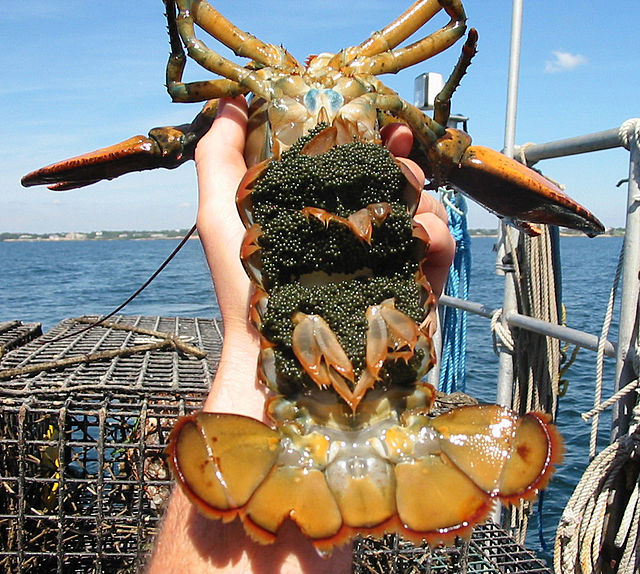
Humidity is another key factor in how long lobsters survive out of water. Lobsters breathe through gills, which must stay moist to function properly. Dry air can quickly cause their gills to dry out, leading to suffocation.
High humidity levels help keep the lobsters’ gills wet, giving them a better chance to breathe. If you’ve handled lobsters before, you might notice handlers often cover them with damp seaweed or wet cloths. This isn’t just tradition—it’s a practical way to maintain the moisture lobsters need.
On the flip side, low humidity environments can be deadly. Even if the temperature is cool, dry air can shorten a lobster’s survival time dramatically. So, if you’re ever transporting lobsters, keeping them moist is just as important as keeping them cold.
Credit: www.wikiwand.com
Signs Of Stress In Lobsters
Recognizing signs of stress in lobsters is crucial, especially if you’re handling them outside their natural aquatic environment. Stress affects their survival chances dramatically when out of water. Knowing what to look for can help you act quickly and improve their wellbeing.
Physical Indicators
Look closely at the lobster’s shell and limbs. A stressed lobster might show discoloration, shifting from its usual vibrant color to a dull or pale hue. You might notice its claws trembling or moving less than usual.
Another clear sign is the curling or tightening of its antennae. These physical changes suggest the lobster is struggling to cope with the lack of water. Have you ever seen a lobster’s tail twitch rapidly? That’s often a desperate attempt to breathe.
Behavioral Changes
Behaviorally, stressed lobsters become less active or unusually sluggish. They might retreat into their shells or freeze completely when you try to handle them. On the other hand, some lobsters might thrash violently, which is a sign of extreme distress.
Pay attention to how long they stay still or how quickly they respond to stimuli. If a lobster doesn’t react to touch or shows erratic movement, it’s likely under severe stress. How would you respond if you were in their place, deprived of water?
Best Practices For Handling Lobsters
Handling lobsters with care helps keep them alive and fresh. Proper practices reduce stress and injury to the lobster. This section covers key tips for transport and storage. Follow these simple rules to extend lobster survival outside water.
Transport Tips
- Keep lobsters cool but not frozen, ideally between 35°F and 45°F.
- Use a well-ventilated container to allow air circulation.
- Cover lobsters with damp seaweed or wet newspaper to maintain moisture.
- Avoid overcrowding to prevent crushing and stress.
- Minimize transport time to reduce exhaustion.
- Handle lobsters gently by the body, not the claws.
Storage Recommendations
- Store lobsters in the coldest part of the refrigerator.
- Keep them moist but do not submerge in fresh water.
- Use a breathable container to prevent suffocation.
- Check lobsters regularly and remove any that are dead.
- Cook lobsters as soon as possible for best taste and safety.
- Do not store lobsters in airtight plastic bags.
Implications For Seafood Industry
The seafood industry depends heavily on how long lobsters survive out of water. This factor shapes handling, storage, and transport practices. Proper management ensures lobsters remain fresh and safe for consumers. It also affects costs and waste reduction. Understanding lobster survival helps improve industry standards.
Quality Control
Lobsters survive only a few hours out of water without proper care. Keeping them cool and moist extends their life. The seafood industry uses coolers with ice or damp seaweed. This slows lobster metabolism and keeps them alive longer. Regular checks ensure lobsters are still active before sale.
Dead lobsters spoil quickly and lower product quality. They affect the taste and texture of meat. The industry must discard dead lobsters promptly. This prevents contamination and protects the reputation of seafood sellers.
Consumer Safety
Lobsters that die before cooking can cause foodborne illness. Harmful bacteria grow rapidly in dead lobster meat. Proper handling reduces this risk. The seafood industry trains workers to spot signs of dead or weak lobsters.
Consumers trust fresh lobsters for safety and flavor. The industry uses labels and storage guidelines to inform buyers. Safe transport and quick sale keep lobsters fresh and healthy. This protects customers and builds confidence in seafood products.
Credit: lobsteranywhere.com
Frequently Asked Questions
How Long Can Lobsters Live Without Water?
Lobsters can survive out of water for up to 48 hours. They need a moist environment to breathe. Keeping them cool and damp helps extend their survival. It’s crucial to handle them gently and store them properly to maintain their health outside the water.
Why Do Lobsters Need Water To Survive?
Lobsters rely on gills to extract oxygen from water. Without water, their gills can’t function properly. This restricts their ability to breathe. A moist environment is necessary to keep their gills wet, which enables them to take in oxygen from the air.
Can Lobsters Breathe Air?
Lobsters can absorb oxygen from air if their gills remain moist. This allows them to survive temporarily outside water. However, air exposure should be limited to prevent stress and dehydration. Proper handling and storage conditions are essential for their well-being during this period.
What Happens If Lobsters Dry Out?
If lobsters dry out, they can’t breathe properly and may suffocate. Their gills require moisture to function effectively. Dry conditions can lead to stress and death. To prevent this, ensure lobsters remain damp and cool when stored outside their aquatic environment.
Conclusion
Lobsters cannot live long without water. They need moisture to breathe and survive. Usually, lobsters survive only a few hours out of water. Keeping them cool and damp helps extend their life. Avoid leaving lobsters dry or in heat. This protects their freshness and quality.
Knowing how long lobsters live helps you handle them better. It ensures you enjoy fresh, healthy seafood every time. Treat lobsters with care for the best results. Simple steps make a big difference.