When disaster strikes, having the right emergency food supplies can make all the difference for you and your loved ones. But what exactly should you have on hand to stay safe, healthy, and comfortable?
Choosing the right foods isn’t just about filling your pantry—it’s about preparing smartly so you don’t waste space, money, or time. You’ll discover simple, practical tips to build an emergency food supply that meets your needs and keeps you ready for anything.
Keep reading to learn how to make the best choices that protect your health and peace of mind when it matters most.
Key Criteria For Emergency Foods
Choosing the right emergency food supplies means thinking beyond just taste or convenience. Your selections should meet certain key criteria to ensure they truly support you when you need them most. These criteria help you prepare a food stash that is reliable, nutritious, and practical.
Shelf Life And Durability
Emergency foods need to last a long time without spoiling. Look for items with a shelf life of at least one year, preferably longer. Canned goods, freeze-dried meals, and vacuum-sealed products often meet this requirement well.
Durability matters too—your food should withstand rough handling, temperature changes, and storage in less-than-ideal conditions. Think about how your food will hold up if you have to move frequently or store it in a damp basement.
Nutritional Value
Your body needs more than just calories during an emergency. Foods rich in protein, fiber, vitamins, and minerals keep your energy stable and your immune system strong. Don’t rely solely on sugary or starchy items that can cause energy crashes.
Consider including a mix of foods such as nuts, beans, dried fruits, and fortified cereals. Have you checked if your emergency food covers all essential nutrients? It’s critical for long-term health and recovery.
Ease Of Preparation
In an emergency, you might not have access to electricity, running water, or cooking tools. Choose foods that you can eat straight from the package or prepare with minimal water and heat. Ready-to-eat meals, energy bars, and canned goods are excellent choices.
Think about how much time and effort you can realistically spend cooking. Can you manage opening cans or boiling water if needed? Simple preparation reduces stress and saves precious time.
Portability And Storage
Your emergency food should be easy to carry and store, especially if you need to evacuate quickly. Lightweight, compact packages that fit neatly into backpacks or storage bins are ideal. Bulky or heavy items can become a burden.
Storage space at home might be limited, so organizing your supplies efficiently matters. Can you stack or arrange your food to avoid damage and keep it accessible? Proper storage also helps you monitor expiration dates and rotate supplies effectively.

Credit: www.mypatriotsupply.com
Top Long-lasting Staples
Emergency food supplies must last long and provide good nutrition. Choosing the right staples helps you stay prepared and healthy during tough times. These foods keep well without refrigeration and offer energy, protein, and important nutrients.
Grains And Rice
Grains and rice are essential for emergency food storage. They store easily and last for years if kept dry and sealed. Brown rice has more nutrients but shorter shelf life. White rice is more durable and fills you up quickly.
- White rice: lasts up to 30 years in airtight containers
- Quinoa: high in protein and cooks fast
- Oats: good for quick meals and snacks
- Barley: adds variety and fiber
Canned Beans And Legumes
Canned beans and legumes provide protein, fiber, and important vitamins. They require no cooking and are easy to store. Choose low-sodium options for better health. Beans like black, kidney, and chickpeas support muscle and digestion.
- Black beans: rich in protein and antioxidants
- Chickpeas: versatile and filling
- Lentils: cook quickly and add nutrients
- Kidney beans: great for soups and stews
Dried Pasta
Dried pasta is a reliable source of carbohydrates. It stores well for years in sealed packaging. Pasta cooks fast and pairs with many sauces or canned foods. Choose whole wheat pasta for added fiber and vitamins.
- Spaghetti: classic and easy to cook
- Macaroni: good for quick meals
- Whole wheat pasta: healthier option
- Rice noodles: gluten-free alternative
High-energy Foods
High-energy foods are essential for emergency food supplies. They provide the calories and nutrients needed to keep your body strong and alert. These foods have a long shelf life and are easy to store. They also require little or no preparation, making them ideal for emergencies.
Choosing high-energy foods helps maintain your stamina and focus. They keep hunger at bay and support physical activity during tough situations.
Nuts And Seeds
Nuts and seeds are packed with healthy fats, protein, and fiber. They offer a quick energy boost and help keep you full. Almonds, walnuts, sunflower seeds, and pumpkin seeds are great choices. Store them in airtight containers to keep them fresh for a long time.
Nut Butters
Nut butters like peanut butter and almond butter are rich in calories and nutrients. They are easy to spread and eat without cooking. Nut butters contain healthy fats and protein, supporting energy and muscle health. Choose natural versions without added sugar or salt for better nutrition.
Energy Bars And Trail Mix
Energy bars and trail mix combine nuts, seeds, dried fruits, and sometimes chocolate. They offer a balanced mix of carbs, fats, and protein. These foods are convenient, portable, and have a long shelf life. Pick bars with simple ingredients and minimal added sugars for a healthier option.

Credit: medium.com
Essential Proteins
Proteins are vital for energy and body repair during emergencies. They help maintain muscle strength and keep the immune system strong. Stocking essential proteins ensures you have nutrients for long-term survival.
Canned Meats And Fish
Canned meats and fish offer ready-to-eat protein options. They last long on shelves and require no cooking. Examples include tuna, chicken, salmon, and beef. These items are convenient and packed with essential nutrients.
Powdered Eggs And Milk
Powdered eggs and milk are lightweight and easy to store. They provide protein and calcium for bone health. These powders can be rehydrated for cooking or drinking. They have a long shelf life, making them great emergency staples.
Dehydrated And Freeze-dried Options
Dehydrated and freeze-dried proteins keep most nutrients intact. They are lightweight and take little space in your storage. Common options include beef, chicken, and turkey. Rehydrating them with water makes a quick, nutritious meal.
Fruits And Vegetables For Survival
Fruits and vegetables are essential in your emergency food supplies. They provide vital nutrients and help keep your body functioning well during stressful situations. But fresh produce spoils quickly, so choosing the right types for storage is crucial.
Canned And Jarred Varieties
Canned fruits and vegetables offer a long shelf life and convenience. You can find options like canned peaches, green beans, and tomatoes that last for years when stored properly. Just watch out for added sugars or sodium, which can be unhealthy if consumed in large amounts.
One time, I relied on canned mixed vegetables during a power outage. They kept me nourished and saved me from rushing out in bad weather. Think about the versatility these canned goods bring to your emergency meals.
Freeze-dried Fruits
Freeze-dried fruits are lightweight and retain most of their nutrients and flavor. They don’t require refrigeration and can last up to 25 years in sealed packaging. Items like freeze-dried strawberries, apples, and blueberries make great snacks or meal additions.
Have you ever tried adding freeze-dried fruit to your oatmeal or trail mix? It adds a burst of flavor and nutrition without extra bulk. This makes them perfect for compact emergency kits.
Vitamin-rich Supplements
Sometimes, even the best stored fruits and vegetables can’t cover all your vitamin needs. Vitamin-rich supplements can fill those gaps and keep your immune system strong. Look for multivitamins that include vitamin C, A, and potassium.
Don’t rely solely on supplements, but use them as a backup. Your body will thank you when you have balanced nutrition during an emergency.
Hydration Essentials
Staying hydrated is vital during emergencies. Water keeps your body functioning well. It helps with digestion, temperature control, and energy. Without enough water, dehydration can quickly become dangerous. Emergency food supplies must include hydration essentials to ensure safety and health.
Water Storage And Purification
Store clean water in strong, sealed containers. Use food-grade plastic or glass bottles. Aim for at least one gallon per person per day. Store extra for cooking and hygiene needs.
Purification is key if your water source is uncertain. Boiling water kills harmful bacteria and viruses. Portable water filters remove dirt and some germs. Water purification tablets are lightweight and easy to use. Always have multiple purification options ready.
Electrolyte Solutions
Electrolytes replace minerals lost through sweat and stress. They help maintain fluid balance and muscle function. Keep packets of electrolyte powder or ready-made drinks in your supplies.
- Choose low-sugar options to avoid dehydration.
- Use oral rehydration salts (ORS) for severe dehydration.
- Mix powders with clean water as directed.
Electrolyte solutions support recovery and keep you energized. They are a crucial part of emergency hydration.
Comfort And Flavor Boosters
Emergency food supplies should not only keep you alive but also bring comfort. Simple meals can feel dull and tiring after some days. Comfort and flavor boosters lift your spirits. They make eating more enjoyable and less stressful.
Small additions can turn basic food into tasty meals. These boosters include spices, instant drinks, and sweeteners. They are lightweight and last long. Perfect for storage in your emergency kit.
Spices And Seasonings
Spices add aroma and taste to bland food. Carry small containers of salt, pepper, and garlic powder. Chili flakes or paprika bring warmth to meals. Dried herbs like oregano and basil improve flavor. Keep these in airtight bags or small jars. They stay fresh for a long time.
Instant Coffee And Tea
Warm drinks comfort the soul during tough times. Instant coffee is easy to prepare and store. Tea bags come in many flavors and are quick to brew. Both provide a moment of calm and energy. Choose your favorite types to keep morale high.
Sweeteners And Condiments
Sweeteners like sugar or honey enhance drinks and food. Packets of honey stay good without refrigeration. Condiments such as ketchup, mustard, and soy sauce add zest. Small sachets or travel bottles save space. They transform simple meals into something enjoyable.

Credit: www.amazon.com
Packaging And Rotation Tips
Keeping your emergency food supplies fresh and ready to use depends heavily on how you package and rotate them. Without a solid system, you could end up with expired food or waste valuable space. Paying attention to packaging and rotation ensures your supplies stay safe, edible, and organized when you need them most.
Proper Storage Methods
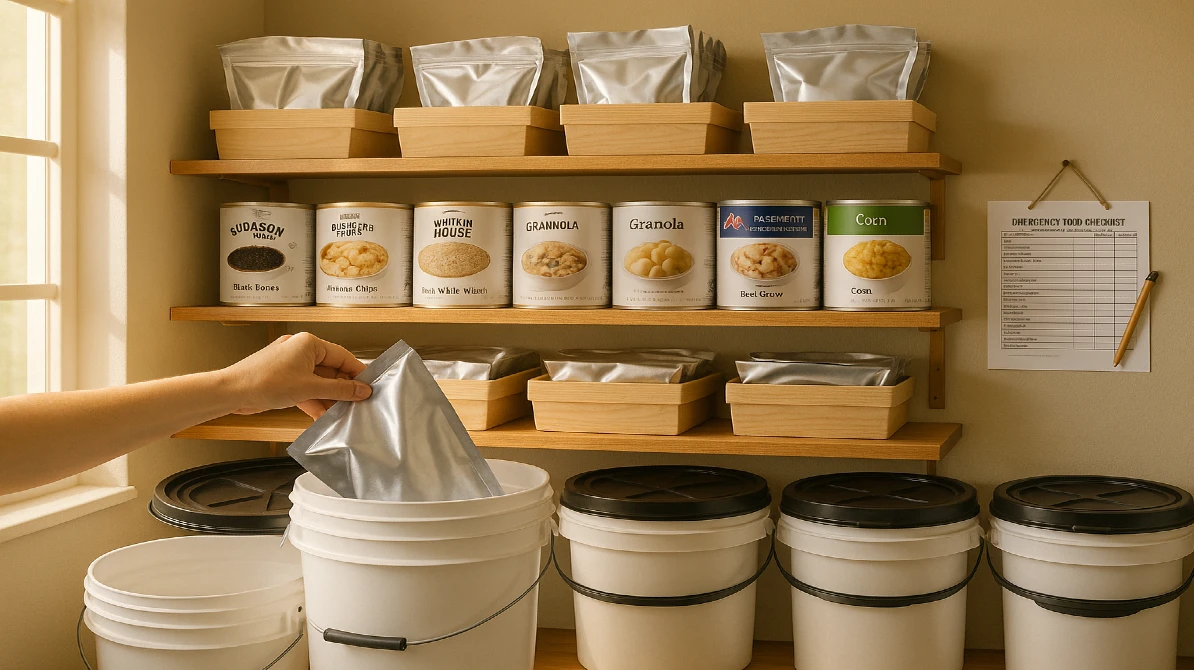
Choose airtight containers to keep moisture and pests out. Mylar bags with oxygen absorbers work great for dry goods like rice and beans. Store these containers in a cool, dark place to extend shelf life and preserve nutrients.
Label each package clearly with the contents and the packing date. Avoid storing food in direct sunlight or near heat sources, which can speed up spoilage. Think about using stackable bins to save space and keep everything neat.
Regular Inventory Checks
Set a reminder to check your emergency supplies every few months. This helps you spot items nearing their expiration date before they become unusable. I found that keeping a simple checklist on my phone makes this task quick and efficient.
During checks, note any damaged packaging or signs of pests immediately. Ask yourself: Are there foods you haven’t used in a while? These might need to be replaced or rotated out to avoid waste.
Using And Replacing Supplies
Use a “first in, first out” system to rotate your food stock. When you buy new supplies, place them behind older items on the shelf. This way, you eat the older food first and keep your rotation smooth.
Don’t hesitate to incorporate emergency supplies into your regular meals before they expire. This practice keeps your stock fresh and ensures you’re familiar with the taste and preparation of your emergency foods. How often do you check if your emergency food is actually edible?
Frequently Asked Questions
What Are Essential Foods For Emergencies?
Essential foods for emergencies include non-perishable items like canned goods, dried fruits, nuts, and grains. These foods have a long shelf life and provide necessary nutrients. Stock up on protein sources like canned beans and tuna. Don’t forget items like peanut butter, which offer energy and are easy to store.
How Much Water Should I Store For Emergencies?
Store at least one gallon of water per person per day for emergencies. This amount covers drinking and basic hygiene needs. Ensure you have a two-week supply for each household member. Consider additional water for pets and possible cooking needs.
Can I Include Snacks In Emergency Supplies?
Yes, include snacks like granola bars and trail mix in your emergency supplies. These snacks offer quick energy and are convenient. Choose snacks with a longer shelf life and minimal packaging. They can provide comfort and a sense of normalcy during stressful times.
Are Freeze-dried Foods Good For Emergencies?
Freeze-dried foods are excellent for emergencies due to their long shelf life and lightweight nature. They retain most nutrients and only require water to prepare. Consider options like freeze-dried fruits, vegetables, and complete meals. They offer a variety of flavors and are easy to store.
Conclusion
Having the right emergency food supplies keeps you safe and ready. Choose foods that last long and need little cooking. Include water, canned goods, and dry snacks. Don’t forget to check expiration dates often. Store your supplies in a cool, dry place.
Plan for everyone’s needs, including pets if you have any. Being prepared eases stress during tough times. Start small, then build your supply over time. Staying ready means peace of mind for you and your family.