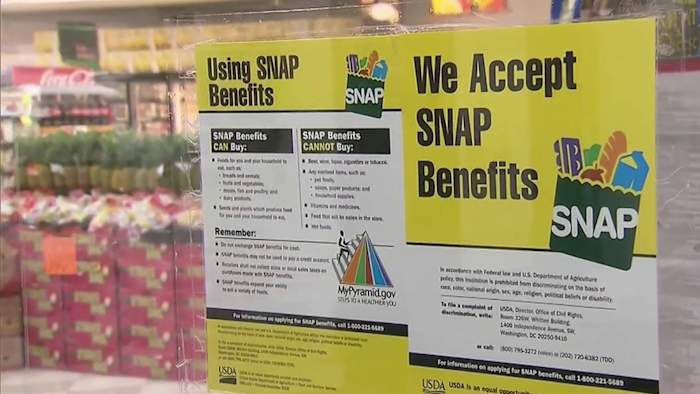
Are you worried about making ends meet this summer? You might be asking yourself, “Will we get emergency food stamps in June 2022?”
If you rely on food assistance or want to know if extra support is coming, this question matters a lot to you. Knowing what to expect can ease your stress and help you plan better. Keep reading to find out the latest updates and what they mean for you and your family.
Don’t miss out on important information that could make a real difference in your life.

Credit: www.supermarketperimeter.com
Emergency Food Stamps Status
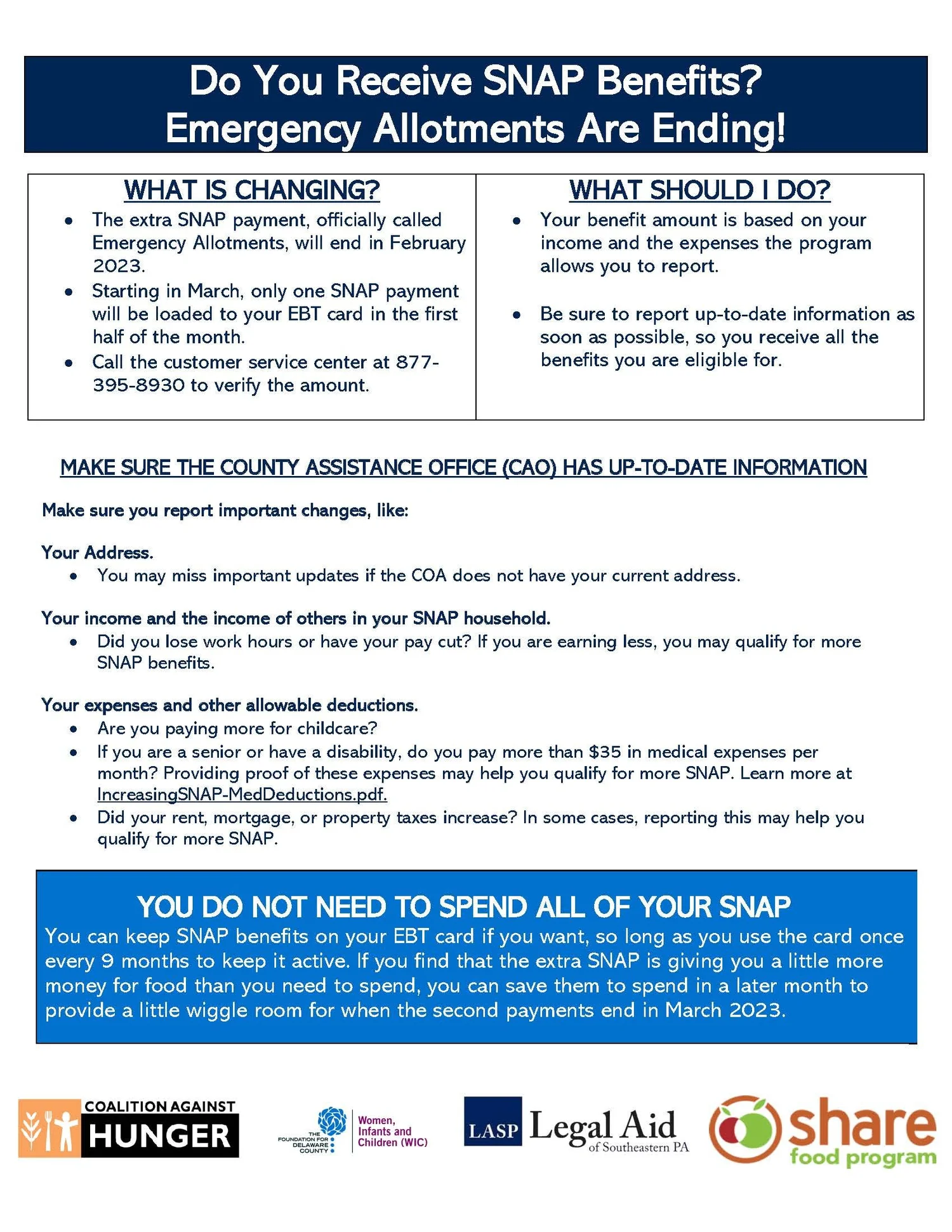
The status of emergency food stamps in June 2022 is a key concern for many families. The need for extra food assistance continues as many face financial challenges. Updates on the program show how the government and states are handling this support.
Current Program Updates
Emergency food stamps have been extended in some areas to help families. The federal government has allowed extra benefits beyond the usual monthly amount. These benefits aim to cover food costs during tough times.
Some states have increased the benefit amount temporarily. Others continue with the regular food stamp program without extra emergency aid. The availability depends on local decisions and funds.
Government Announcements
The federal government announced extensions for emergency food stamps in early 2022. They also highlighted the importance of supporting low-income families. Officials stress that food assistance remains a priority.
New rules may apply to how benefits are distributed. This includes easier application processes and faster approvals. The government plans to keep monitoring the situation closely.
State-level Decisions
Each state decides if it will offer emergency food stamps. Some states have already started extra payments for June 2022. Others wait for further federal guidance or budget approval.
States with higher food insecurity rates often prioritize emergency aid. Local agencies work to inform residents about available benefits. Applicants should check their state’s official resources for updates.
Eligibility Criteria Changes
The eligibility criteria for emergency food stamps have seen some updates in June 2022. These changes affect who can qualify and what rules apply. Understanding these updates helps applicants prepare better and check their status more clearly. The focus is on income, household size, and special cases.
Income Limits
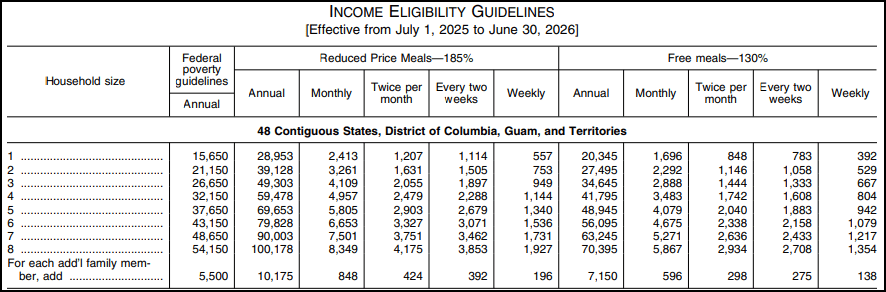
Income limits now reflect recent economic shifts. Applicants must show their monthly income falls below a set threshold. These limits vary by state and household composition. Proof of income includes pay stubs, benefits statements, or tax returns. Meeting these limits is key to receiving emergency food stamps.
Household Size Considerations
Household size affects the amount of food assistance available. Larger households have higher income limits but also higher needs. The program counts all people living and eating together as one household. Changes in family members can impact eligibility and benefits. Accurate reporting of household size is crucial.
Special Circumstances
Some situations receive special consideration under the new rules. Veterans, disabled individuals, and elderly applicants may qualify for extra help. Households facing job loss or natural disasters might get emergency boosts. Pregnant women and young children often have relaxed limits. These cases require additional documentation to prove eligibility.
Application Process In 2025
The application process for emergency food stamps in 2025 remains straightforward but requires careful preparation. Understanding where to apply, the documents you need, and how long it takes can save you time and reduce stress. Let’s break down each part so you know exactly what to expect.
Where To Apply
You can apply for emergency food stamps online, in person, or by mail. Most states offer a dedicated website with a user-friendly portal to submit your application quickly. Visiting your local Department of Social Services office is also an option if you prefer face-to-face support.
Have you checked if your state has a mobile app? Many now do, making the process even easier from your phone. This flexibility means you can apply from wherever you are without waiting in long lines.
Required Documentation
Gather these documents before applying to avoid delays:
- Proof of identity (driver’s license, ID card)
- Proof of income (pay stubs, benefits statements)
- Proof of residency (utility bills, lease agreements)
- Social Security numbers for all household members
- Expenses documentation (rent, utilities, medical bills)
Missing any of these can slow your application. Have you ever started a process only to realize you lacked a key paper? Preparing in advance keeps things moving smoothly.
Processing Times
Emergency food stamp applications are prioritized and often processed within a few days. Some states promise decisions in as little as 3 days, especially when you apply online or in person.
However, if your case is complex or documentation is incomplete, expect longer waits. Tracking your application status online can help you stay informed without repeatedly calling or visiting.
Credit: www.michigan.gov
Benefit Amount Expectations
Wondering how much you might receive if emergency food stamps come through in June 2022? Understanding benefit amount expectations can help you plan your budget better. It’s important to know how these amounts compare to previous years, what influences the benefits, and the range of possible allotments.
Comparison To Previous Years
Emergency food stamp benefits have varied over time, often increasing during economic downturns. In 2020 and 2021, many households saw boosted amounts due to pandemic relief efforts. These boosts sometimes doubled the usual benefits, providing significant extra support.
This year, the outlook is less certain. You might see smaller increases or a return to pre-pandemic levels. Have you noticed changes in your own benefits lately?
Factors Influencing Benefits
Your benefit amount depends on several key factors. Income level, household size, and local cost of living play big roles in determining your allotment.
Additionally, state policies can cause variation. Some states add extra funds or extend eligibility during emergencies. Keep an eye on announcements from your local agency—they often reveal the most accurate details.
Maximum And Minimum Allotments
| Household Size | Maximum Monthly Benefit (2022) | Minimum Monthly Benefit |
|---|---|---|
| 1 person | $281 | $23 |
| 2 persons | $516 | $23 |
| 3 persons | $740 | $23 |
| 4 persons | $939 | $23 |
| 5 persons | $1,114 | $23 |
Even with emergency boosts, benefits rarely fall below $23. The maximum allotment aims to cover nutritional needs but often requires stretching. Are you maximizing your benefits or missing out on potential extra support?
Impact Of Economic Conditions
The impact of current economic conditions plays a crucial role in decisions about emergency food stamps. Your daily expenses, job security, and government policies all interact to shape the availability and need for additional support. Understanding these factors helps you grasp why emergency food assistance may or may not be extended in June 2022.
Inflation Effects
Rising prices hit your wallet hard, especially when it comes to groceries. When inflation spikes, the cost of food increases faster than wages for many families. This squeeze means more people struggle to afford basic meals, pushing demand for emergency food stamps higher.
You might have noticed your grocery bill creeping up, even for staple items like bread and milk. This real-life experience reflects broader economic trends that policymakers watch closely when deciding on food assistance programs.
Unemployment Rates
Job losses or reduced working hours directly affect your ability to buy food. Higher unemployment means more families may rely on emergency food stamps to get by. Conversely, if job markets improve, the need for extra help might lessen.
Think about your own community—are more people out of work or struggling with part-time jobs? This local reality influences whether emergency food programs expand or contract.
Policy Responses
Government actions respond to these economic pressures to support families like yours. Emergency food stamps are often part of relief packages aimed at easing financial stress during tough times. However, these policies depend on budget decisions and political priorities.
Have you checked whether new benefits are announced or extended this June? Staying informed about policy changes helps you plan your household budget and seek assistance when needed.
Credit: emergency.rdos.bc.ca
Alternatives To Emergency Food Stamps
Emergency food stamps may not be available to everyone in June 2022. Many people need help feeding their families. There are other ways to get food support. These alternatives can provide quick and reliable aid. They help fill the gap when food stamps are not an option.
Local Food Assistance Programs
Local food banks and pantries offer free groceries to those in need. They often have fresh produce, canned goods, and bread. Some programs provide meals at community centers or churches. Hours and services vary by location. Visit or call nearby centers for details.
Non-profit Support
Non-profit organizations work to reduce hunger in many areas. They may offer food delivery or meal programs. Some groups focus on children or elderly people. Others help families with special dietary needs. Check with local charities for available help.
Community Resources
Community centers and faith-based groups often host food drives or soup kitchens. These resources offer a chance to get a hot meal or groceries. Some communities have mutual aid groups sharing food and supplies. Community gardens can also provide fresh vegetables at low cost.
Tips For Maximizing Benefits
Maximizing emergency food stamp benefits helps stretch your resources further. Smart planning and wise choices make a big difference. Focus on methods that save money and reduce waste. Use the benefits in ways that support your household needs effectively.
Budgeting Strategies
Create a simple plan for your food expenses. Track every purchase to avoid overspending. Prioritize buying staple foods that last longer. Plan meals around sales and discounts. Avoid buying items you do not need immediately. Use cash envelopes or apps to control spending.
Combining Assistance Programs
Explore other help programs that can work with food stamps. Local food banks offer free groceries and fresh produce. Utility assistance programs can free up money for food. Check eligibility for housing or medical aid. Use multiple supports to cover different expenses. This reduces financial stress on your budget.
Avoiding Common Pitfalls
Do not let benefits go unused each month. Avoid impulse buying with a shopping list. Check your benefit balance regularly to plan better. Be aware of expiration dates on your benefits. Keep receipts for tracking and proof of purchase. Stay informed about program changes to avoid surprises.
Frequently Asked Questions
What Are Emergency Food Stamps?
Emergency food stamps, or SNAP benefits, provide quick assistance during crises. They ensure families can buy essential groceries. Eligibility and availability can vary by state and situation. These benefits help low-income households meet their nutritional needs during emergencies.
Who Qualifies For Emergency Food Stamps?
Eligibility for emergency food stamps depends on income, assets, and family size. During a crisis, states may adjust these requirements. Typically, low-income families, seniors, and individuals facing sudden financial hardships qualify. Each state has its own guidelines and application process.
How Do I Apply For Emergency Food Stamps?
To apply, visit your state’s SNAP website or local social services office. Complete the application and provide necessary documentation, like income proof. Some states offer online applications for convenience. During emergencies, states might expedite the process to help families faster.
When Will Emergency Food Stamps Be Issued?
Issuance of emergency food stamps depends on state policies and federal guidelines. Typically, they are distributed monthly, with specific dates varying by state. During crises, states might expedite distribution to affected families. Check your state’s SNAP website for the most accurate information.
Conclusion
Emergency food stamps in June 2022 remain uncertain for many. States decide if extra help continues or ends. Stay updated by checking local government websites often. Apply early if you qualify to avoid delays. Remember, food assistance helps families stay safe and healthy.
Keep documents ready to speed up your application. Changes can happen fast, so watch for news. Support is available, but you must act quickly. Don’t wait until the last minute to get help. Your well-being matters, and resources exist to assist.