Imagine waking up one day to find that your usual access to food is suddenly disrupted. What would you do?
Having an emergency food supply isn’t just about being prepared—it’s about peace of mind for you and your loved ones. You might think emergencies won’t happen to you, but the truth is, unexpected events can strike anyone at any time.
By starting your emergency food supply now, you take control of your safety and comfort when it matters most. Keep reading to discover why this simple step could make all the difference for your future.
Importance Of Emergency Food Supply
Having an emergency food supply is not just a precaution; it’s a necessity that can make a real difference in how you handle unexpected situations. Emergencies can strike without warning, and being prepared means you won’t have to scramble for basic needs when time is critical. Your ability to stay nourished can affect your safety and peace of mind.
Risks Of Unpreparedness
Without an emergency food supply, you risk facing hunger and malnutrition during critical times. Natural disasters, power outages, or supply chain disruptions can leave stores empty or inaccessible. Imagine a severe storm cutting off your access to groceries for days—what would you do?
Unpreparedness can also add stress and panic, clouding your judgment when you need to stay calm. It’s not just about food; it’s about maintaining control over your situation. Wouldn’t you prefer to focus on safety instead of searching for food?
Common Emergency Scenarios
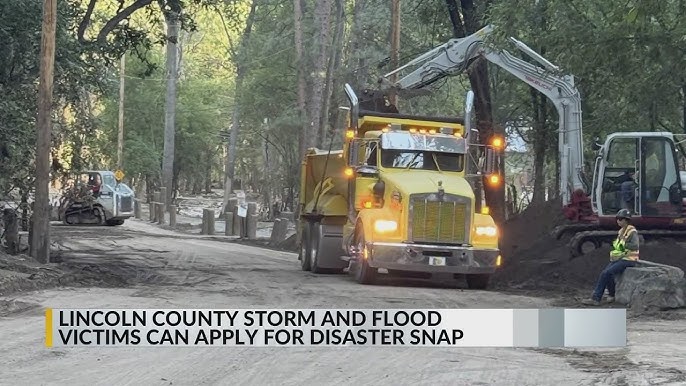
Emergencies come in many forms, and some are more common than you might expect. Power outages during winter can freeze fresh food quickly, leaving you with little to eat. Floods can block roads and shut down stores.
Other scenarios include earthquakes, wildfires, and even unexpected financial hardships that limit your access to groceries. Having a variety of non-perishable foods ready means you’re covered no matter what happens. What scenarios concern you the most in your area?
Benefits Of Early Planning
Starting your emergency food supply early gives you the advantage of choice and quality. You can select foods your family actually enjoys and rotate them regularly to avoid waste. Early planning also spreads out the cost, making it easier on your budget.
Being prepared brings confidence and reduces anxiety when an emergency hits. You’ll spend less time worrying about food and more time focusing on keeping your loved ones safe. How much peace of mind would you gain from having your food supply ready right now?
Choosing The Right Food Items
Choosing the right food items for an emergency supply is very important. The food must last long and keep you healthy. It should be easy to store and prepare. The right choices help you stay strong and safe during tough times.
Non-perishable Foods
Non-perishable foods do not spoil quickly. They can stay good for months or years. Canned goods, dried beans, rice, and pasta are great choices. These foods do not need refrigeration. They are easy to stock and store in small spaces.
Nutritional Value
Food should provide energy and nutrients. Look for items rich in protein, fiber, and vitamins. Nuts, seeds, and powdered milk offer good nutrition. Avoid foods high in sugar or salt. Balanced nutrition helps keep your body strong and healthy.
Special Dietary Needs
Consider allergies and food preferences. Some people need gluten-free or low-sodium options. Include vegetarian or vegan foods if needed. Always check labels for ingredients. Preparing for special diets ensures everyone can eat safely.
Storage Tips For Longevity
Storing emergency food properly extends its shelf life and keeps it safe to eat. Good storage protects food from moisture, heat, and pests. Understanding simple storage tips helps maintain food quality over time. These tips make sure your emergency supply stays fresh and ready when needed.
Ideal Storage Conditions
Store emergency food in a cool, dry place. Temperatures between 50°F and 70°F work best. Avoid areas with direct sunlight or high humidity. A dark pantry or basement is a good choice. Keep food away from chemicals or strong smells.
Rotating Stock
Use the oldest food first to keep your supply fresh. Check expiration dates regularly. Replace used items with new ones. This rotation prevents waste and ensures food is always safe. Label containers with the purchase date for easy tracking.
Packaging Options
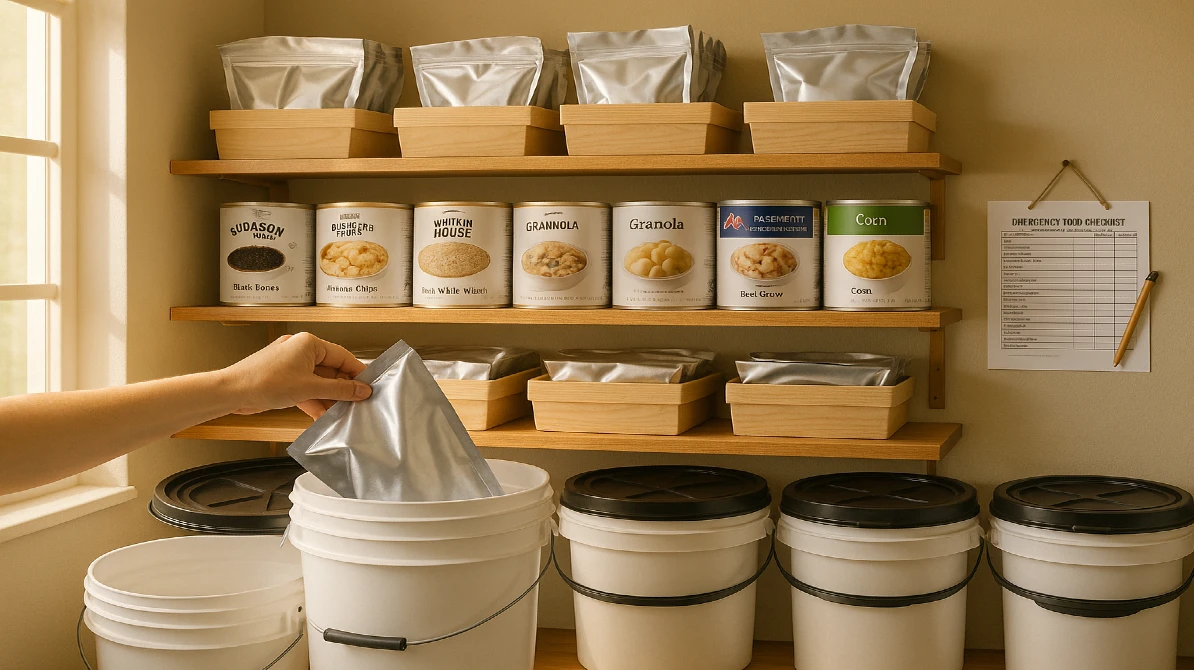
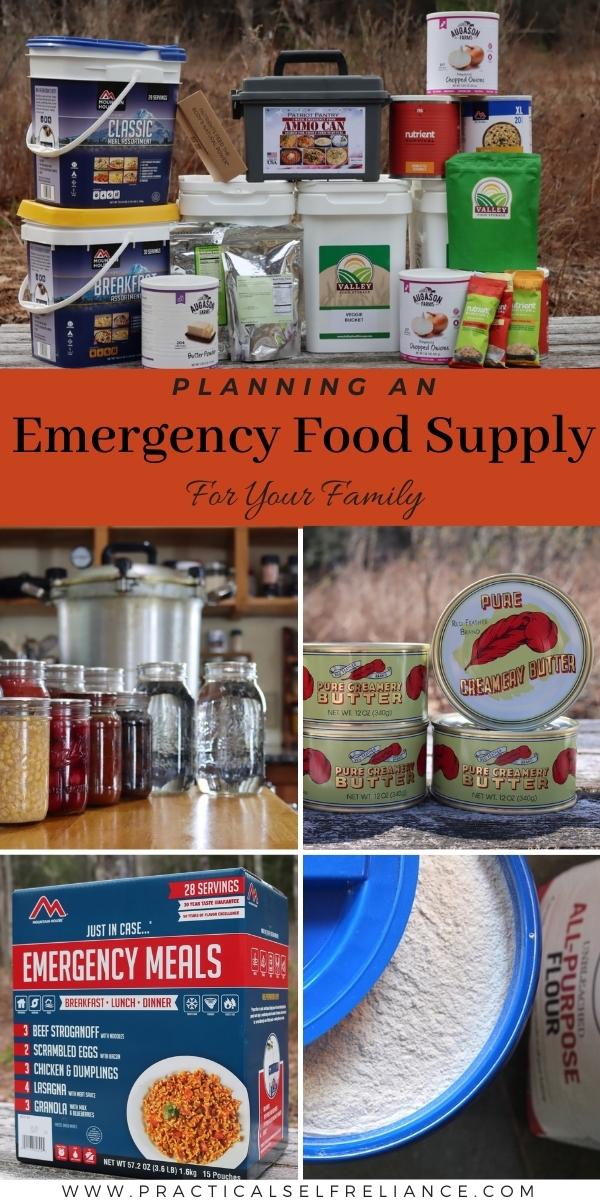
Seal food in airtight containers to block moisture and air. Mylar bags with oxygen absorbers provide long-term protection. Food-grade buckets with tight lids also work well. Vacuum sealing can extend freshness. Proper packaging keeps pests out and preserves nutrients.
Credit: practicalselfreliance.com
Water And Hydration Essentials
Water is the cornerstone of survival during any emergency. Without enough clean water, your body cannot function properly, and dehydration can set in quickly. Preparing your emergency food supply means paying special attention to water and hydration essentials to keep you safe and healthy when access to fresh water is limited.
Water Storage Guidelines
Storing enough water is crucial for emergencies. Aim for at least one gallon per person per day, covering drinking and basic hygiene needs. Use food-grade containers and store them in a cool, dark place to prevent contamination.
Label your containers with the date you filled them. Rotate your water supply every six months to keep it fresh. Remember, tap water stored properly can last up to six months, but always check for any changes in smell or color before use.
Purification Methods
Having stored water is not enough if it becomes contaminated. You need reliable ways to purify water to avoid illness. Boiling water for one minute is the most foolproof method; it kills bacteria, viruses, and parasites effectively.
Water purification tablets or drops are lightweight and easy to carry. They are perfect for quick water treatment but require waiting time before drinking. Another option is using portable water filters, which remove sediments and harmful microbes.
Alternative Hydration Sources
What if your stored water runs out or becomes unusable? Knowing alternative hydration sources can keep you going. Collect rainwater safely using clean containers; it’s often one of the best emergency water sources.
Fruits and vegetables like cucumbers, oranges, and watermelon have high water content and can help hydrate you when water is scarce. Never rely solely on these, but they can supplement your hydration in an emergency.
Emergency Food Supply Kits
Emergency food supply kits are essential for preparedness. They offer quick access to food during unexpected situations. Having these kits saves time and reduces stress in emergencies. Different types of kits suit varied needs and budgets. Understanding these options helps you choose the best fit.
Pre-packaged Kits
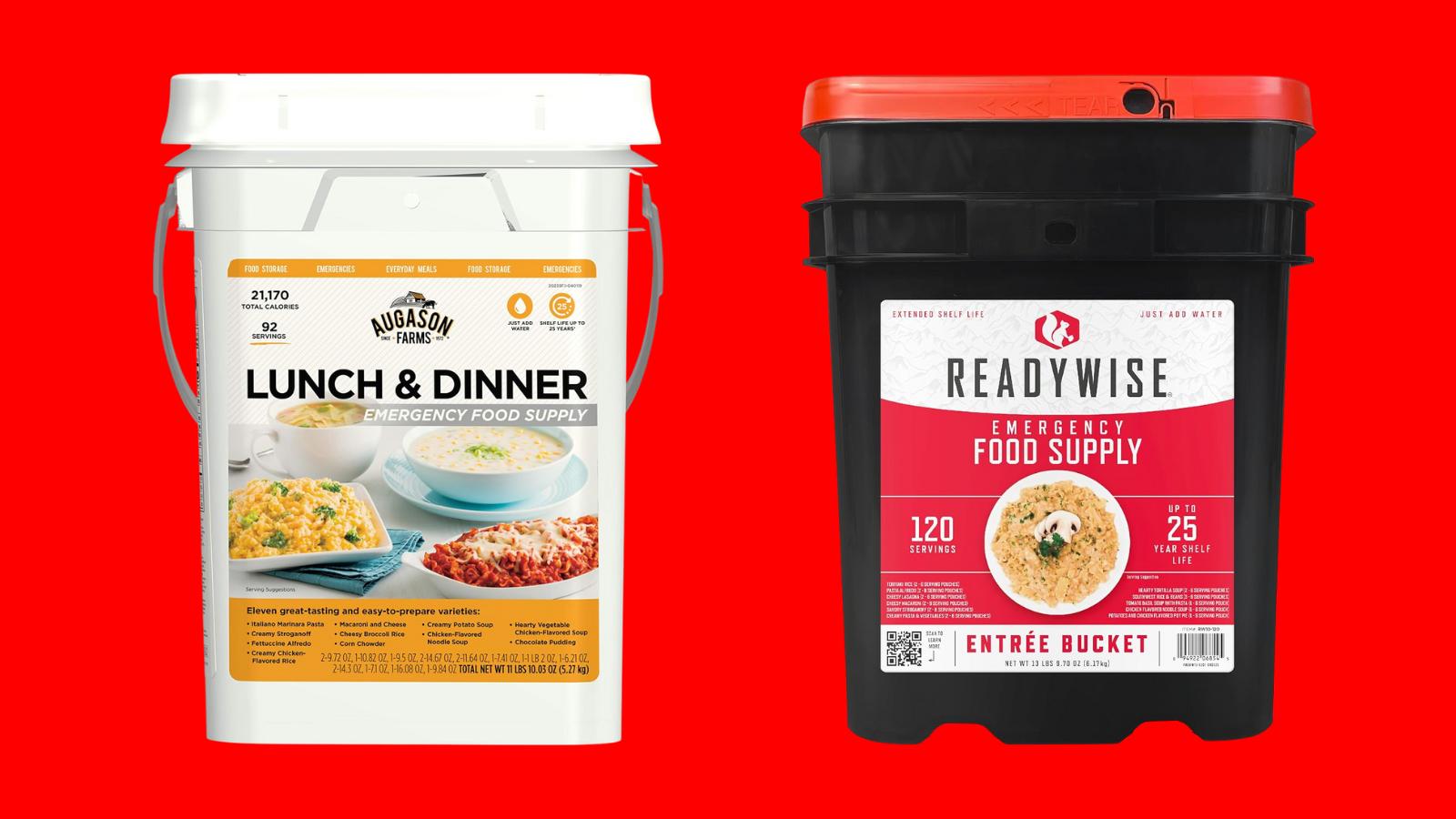
Pre-packaged kits come ready to use. They include a variety of foods with long shelf lives. These kits often contain freeze-dried or dehydrated meals. Easy to store and carry, they suit busy individuals. Many brands offer kits with different serving sizes and durations.
Diy Food Kits
DIY food kits allow customization. You pick foods that your family prefers. Common items include canned goods, rice, beans, and dried fruits. You control the quantity and type of food. This option can be more affordable and flexible.
Maintenance And Updates
Regular checks keep kits fresh and useful. Replace expired items promptly. Rotate food to use older supplies first. Update kits according to changing family needs. Proper storage ensures food stays safe longer.
Safety Precautions
Safety is key when building an emergency food supply. Proper precautions protect your health and keep food edible. Simple steps can prevent illness and food waste. Focus on avoiding contamination, knowing allergies, and cooking safely.
Avoiding Contamination
Keep hands clean before handling food. Use clean utensils and containers. Store food in sealed, airtight packages. Separate raw and cooked foods to stop germs spreading. Check expiration dates regularly to avoid spoiled items. Clean storage areas often to prevent pests.
Allergy Awareness
Label food with common allergens clearly. Keep allergen-free foods separate to avoid mix-ups. Inform family members about food allergies. Always have an emergency plan for allergic reactions. Choose foods that suit everyone’s dietary needs.
Safe Cooking Practices
Cook food thoroughly to kill harmful bacteria. Use a food thermometer to check temperatures. Avoid cross-contamination by cleaning surfaces and utensils. Store cooked food promptly in cool conditions. Reheat leftovers to a safe temperature before eating.
Involving Family And Community
Building an emergency food supply is not just about storing enough provisions; it’s about creating a safety net that involves those closest to you. Engaging your family and community strengthens the preparedness plan and increases the chances of everyone staying safe and supported during a crisis.
Communication Plans
Clear communication is the backbone of any emergency plan. Discuss with your family and neighbors how you will share information if regular channels fail. Decide on meeting points, backup phone contacts, and ways to alert each other quickly.
Think about including simple tools like walkie-talkies or a group chat on your phone. Have you ever experienced a situation where you wished you had a quick way to check in with loved ones? Planning communication in advance removes confusion and panic.
Shared Resources
Pooling resources with neighbors or friends can make a big difference. You might not need to buy every item yourself if you coordinate what each person stores. This way, your combined supplies cover a wider range of needs.
Imagine your neighbor has extra water and you have canned goods. Sharing these resources can prevent shortages and reduce waste. What resources does your community already have that could be shared in an emergency?
Training And Drills
Practicing emergency scenarios together helps everyone understand their role and builds confidence. Schedule simple drills to review where supplies are kept and how to use them. Make sure everyone, including children, knows what to do during an emergency.
Training can be as straightforward as a fire drill or a walkthrough of your emergency plan. Have you ever noticed how calm people stay when they know exactly what to do? Drills reduce fear and increase readiness.

Credit: www.mypatriotsupply.com

Credit: 72hours.ca
Frequently Asked Questions
What Is An Emergency Food Supply?
An emergency food supply is a stockpile of non-perishable foods. It’s designed to last during emergencies like natural disasters or power outages. These foods have long shelf lives and require minimal preparation. Having an emergency food supply ensures that you and your family remain nourished when regular food sources are unavailable.
Why Is Starting An Emergency Food Supply Important?
Starting an emergency food supply ensures preparedness for unexpected situations. Natural disasters or economic crises can disrupt food access. An emergency supply provides security and peace of mind. It ensures your family has sustenance during challenging times. Being prepared reduces stress and increases resilience during emergencies.
How Long Should An Emergency Food Supply Last?
An emergency food supply should ideally last for at least three days. However, experts recommend preparing for two weeks or more. The longer the supply, the better your preparedness for prolonged emergencies. Consider your family’s size and dietary needs when planning.
Regularly check and rotate supplies to ensure freshness.
What Foods Should Be Included In An Emergency Supply?
Include non-perishable foods like canned goods, dried fruits, and grains. Consider ready-to-eat meals and protein-rich snacks. Include items that require minimal preparation and water. Don’t forget essentials like water, vitamins, and medical supplies. Tailor the supply to your family’s preferences and dietary restrictions for optimal nutrition.
Conclusion
Starting an emergency food supply brings peace of mind. You prepare for unexpected situations. Food shortages and disasters can happen anytime. Having extra food keeps you and your family safe. It saves time and stress during emergencies. You also learn to manage food wisely.
Small steps today create big security tomorrow. Don’t wait until it’s too late. Begin your emergency food supply now. Stay ready, stay safe.