Are you worried about how to put food on the table during the coronavirus crisis? You’re not alone.
Many people are asking the same question: Will there be emergency food stamps to help you through these tough times? If you’ve lost your job or your income has dropped, knowing what help is available can make all the difference.
You’ll discover the latest updates on emergency food assistance, how you can apply, and what to expect next. Keep reading to find out exactly what support you might qualify for and how to get it quickly.
Credit: www.bms.com
Current Food Stamp Programs
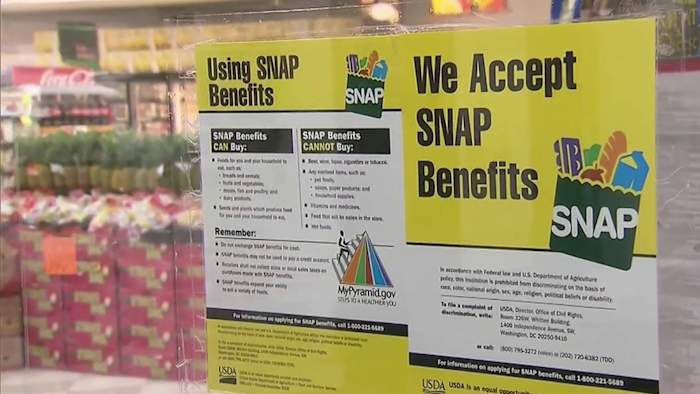
Current food stamp programs provide vital support to millions. They help low-income families buy groceries and maintain nutrition. The main program is SNAP, or the Supplemental Nutrition Assistance Program. SNAP aims to reduce hunger and improve health across the country. Understanding how SNAP works and who qualifies is essential for many households.
How Snap Works
SNAP gives monthly benefits through an electronic card. This card works like a debit card. Users can buy approved food items at stores. The program focuses on healthy food options. It does not cover alcohol or hot prepared meals. SNAP benefits adjust based on household size and income.
Eligibility Criteria
Applicants must meet income limits set by each state. Limits consider total income and household size. Some households with elderly or disabled members have different rules. Applicants must be U.S. citizens or legal residents. Work requirements apply to most adults. States may also check resources like savings.
Benefits Distribution
Benefits are loaded each month on the EBT card. Users swipe this card at grocery stores. The card tracks spending and remaining balance. Most states distribute benefits once a month. Some spread benefits across different days. This helps manage demand at stores and agencies.

Credit: www.calpnetwork.org
Emergency Food Assistance During Covid-19
Emergency food assistance became crucial during the COVID-19 pandemic. Many families faced job losses and financial struggles. Food programs adapted quickly to meet increased demand. Various federal and state efforts aimed to provide relief. Understanding these programs helps those in need access support.
Pandemic Ebt (p-ebt)
Pandemic EBT helped families with children who lost access to free or reduced-price school meals. It provided benefits on an EBT card to buy groceries. The program covered meals missed during school closures. P-EBT reached millions of children nationwide. It offered a fast way to ease food insecurity.
Additional Snap Benefits
SNAP benefits increased during the pandemic to support more households. Many states raised the maximum monthly benefit amount. Emergency allotments were given to all SNAP recipients. This extra assistance helped cover rising food costs. SNAP’s flexibility made it a key resource for struggling families.
State-level Initiatives
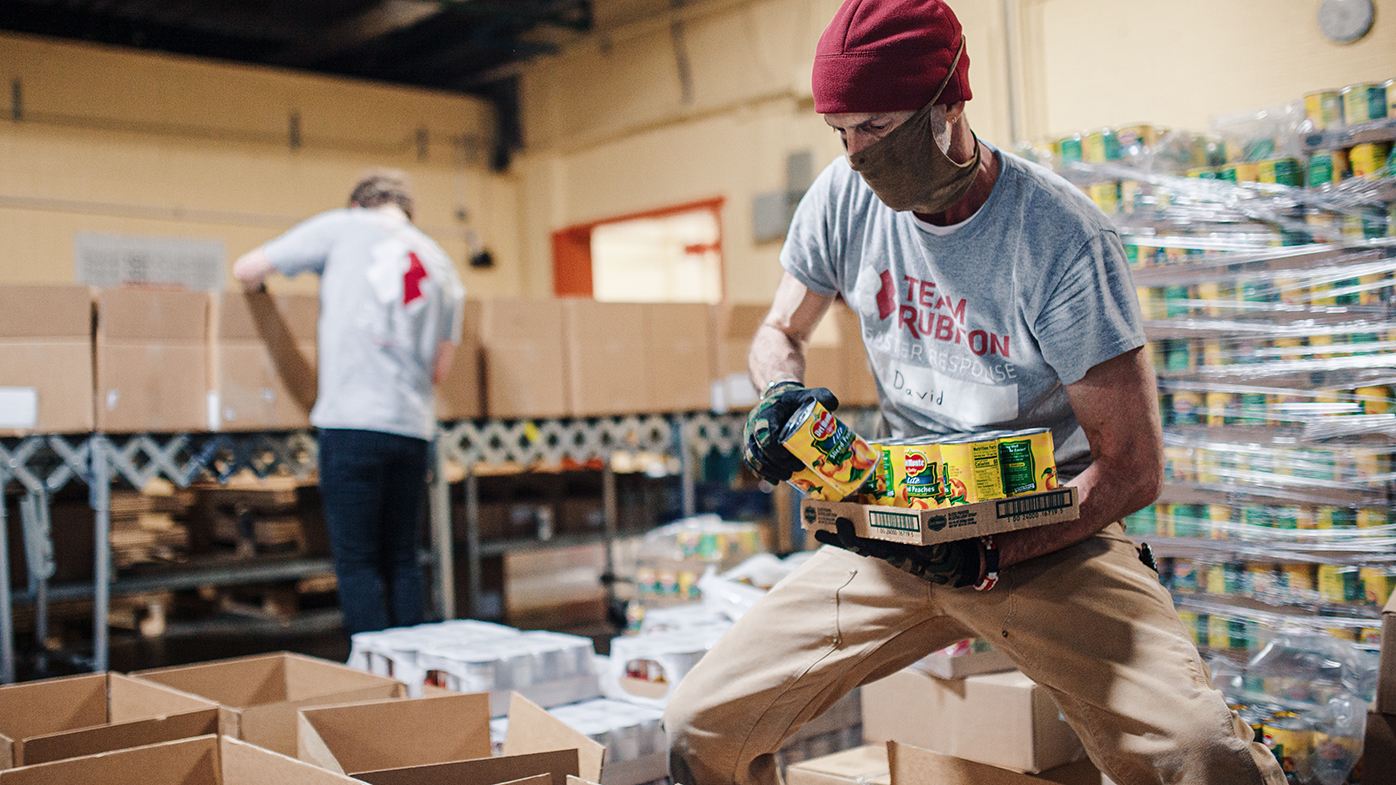
States launched their own food assistance programs alongside federal aid. Some created direct food delivery systems for seniors and disabled individuals. Others expanded food pantry networks and drive-thru meal sites. These local efforts filled gaps in food access. They tailored support to community needs effectively.
Recent Policy Changes
Recent policy changes have shaped the availability of emergency food stamps during the coronavirus crisis. Governments have acted to support vulnerable populations facing food insecurity. These changes focus on extending aid and increasing funding to meet growing needs.
Federal Relief Packages
Several federal relief packages include provisions for emergency food assistance. These packages aim to provide quick help to families and individuals. They expand eligibility and simplify the application process for food stamps. The goal is to reduce hunger caused by job losses and economic disruptions.
Extension Of Benefits
Many states have extended food stamp benefits to cover more people for a longer time. Extensions help those who lost income during the pandemic. Some programs now allow additional benefits each month. This extension ensures continuous support amid ongoing uncertainty.
Funding Allocations
Increased funding has been allocated to support food stamp programs nationwide. Funds are directed to state agencies to manage and distribute benefits. This financial boost helps states handle rising demand. It also supports food banks and community programs serving needy families.
Credit: www.wfp.org
Application Process Updates
The application process for emergency food stamps during the coronavirus pandemic has seen important updates. These changes aim to simplify and speed up access to aid. Understanding the new steps can help applicants complete their requests correctly.
Many states now offer online applications, reducing the need for in-person visits. This helps keep people safe and allows faster processing. Knowing what documents to prepare saves time and avoids delays.
Processing times have also improved in some areas. Officials work to handle the higher volume of applications quickly. Staying informed about these updates ensures applicants get help without unnecessary wait.
How To Apply Online
Most states provide a website to apply for emergency food stamps. Visit the official state or local government site. Create an account or log in if you already have one.
Fill out the application form carefully. Provide accurate information about your household and income. Submit the form electronically. You may receive a confirmation email or number.
Required Documentation
Prepare these common documents to support your application:
- Proof of identity (ID card or driver’s license)
- Proof of income (pay stubs, unemployment benefits)
- Proof of address (utility bill, lease agreement)
- Household size information (birth certificates, school records)
- Any recent notices related to coronavirus impact
Check your local program for specific document requirements. Upload clear scans or photos if applying online.
Processing Times
Processing times vary by state and current demand. Some applications get reviewed within a few days. Others may take up to two weeks or more.
Applicants should check their application status online or by phone. Providing all documents correctly helps speed up the review. Keep communication lines open for any follow-up requests.
Challenges And Limitations
Emergency food stamps during the coronavirus pandemic offer vital support, but they come with real challenges and limitations that affect many people. Understanding these obstacles can help you navigate the system better and set realistic expectations. Let’s break down some of the key issues you might face.
Access Barriers
Not everyone can easily access emergency food stamps. Some people struggle with complicated application processes that require extensive paperwork and proof of income. If you don’t have internet access or a computer, applying online can become a major hurdle.
Language barriers also play a role. Many resources are only available in English, which can make it harder for non-English speakers to understand eligibility rules or fill out forms correctly. Have you encountered any difficulties when trying to apply? You’re not alone.
Benefit Reductions
Even if you qualify for emergency food stamps, the amount you receive may not fully cover your needs. Benefit reductions happen due to budget constraints or changes in government policy. This means your monthly allowance might not stretch far enough to cover groceries for your entire household.
People with fluctuating incomes often find it challenging to maintain consistent benefits. If your earnings slightly increase, your benefits might decrease or stop altogether, even if your overall financial situation is still tough. How would you manage if your support dropped unexpectedly?
System Overload
The surge in applications during the pandemic has overwhelmed many food stamp offices. Long wait times, delayed responses, and technical glitches are common. This can leave you waiting weeks just to get your benefits approved or renewed.
Staff shortages and limited resources have made it harder for agencies to keep up. Sometimes, you may have to call multiple times or visit in person to get help. What strategies could you use to stay persistent without getting discouraged?
Future Outlook
The future of emergency food stamps in response to coronavirus remains uncertain. Many factors will shape how aid programs evolve. Governments and organizations are exploring ways to improve support for those in need. Understanding upcoming changes helps individuals prepare better. This section covers potential policies, advocacy efforts, and long-term food security.
Potential Policy Developments
Lawmakers may introduce new measures to expand food aid during health crises. Temporary boosts in benefits could return during outbreaks or economic downturns. Technology may play a bigger role to speed up aid delivery. Some states might pilot innovative programs to reach vulnerable groups faster. Policymakers could focus on making emergency benefits easier to access and use.
Advocacy Efforts
Nonprofits and community groups push for stronger food assistance policies. They raise awareness about hunger and poverty issues heightened by the pandemic. Campaigns often call for increased funding and streamlined application processes. Public voices influence lawmakers to prioritize food security in budgets. Collaboration between organizations helps create lasting changes in aid systems.
Long-term Food Security
Emergency food stamps are part of a bigger picture to fight hunger. Efforts target stable access to nutritious food for all families. Programs focus on reducing food deserts and supporting local food banks. Education about healthy eating and budgeting is expanding. Building resilience helps communities withstand future crises without severe hunger.
Frequently Asked Questions
What Are Emergency Food Stamps?
Emergency food stamps, also known as Disaster SNAP, provide quick food assistance during crises. They help families affected by emergencies like pandemics or natural disasters. The program temporarily expands SNAP benefits to meet increased needs.
How Can You Apply For Emergency Food Stamps?
To apply for emergency food stamps, visit your state’s SNAP office or website. The process may vary by state, but generally, you’ll provide proof of emergency impact and need. You may also be required to complete an application form and interview.
Are Emergency Food Stamps Available For Coronavirus?
Yes, emergency food stamps have been available during the coronavirus pandemic. The government expanded SNAP benefits to assist those financially impacted. Check with local SNAP offices for current availability and eligibility requirements as they may change.
Who Qualifies For Emergency Food Stamps?
Qualification depends on the crisis’s impact on your household. Typically, those who have lost income or face increased financial burdens during emergencies like COVID-19 might qualify. Income and resource limits may also apply, varying by state.
Conclusion
Emergency food stamps provide vital help during tough times. Many people depend on this support to buy groceries. Governments may offer extra benefits during health crises like coronavirus. Stay informed through official sources for the latest updates. Applying early can increase chances of receiving aid.
Keep documents ready and follow application steps carefully. This assistance helps families stay safe and healthy. Everyone deserves access to enough food, especially now. Keep hope and stay prepared. Support is available.