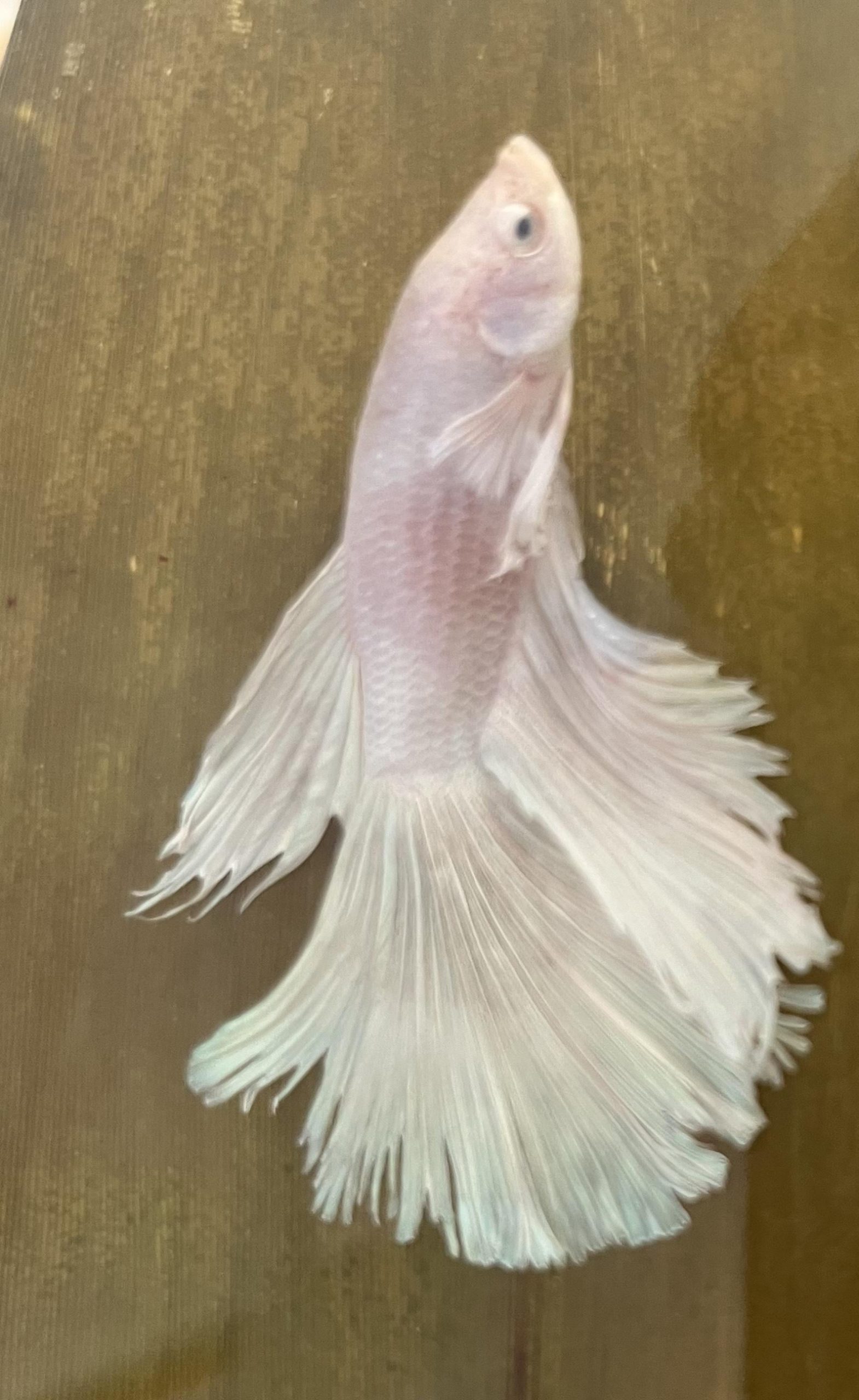
Have you ever wondered how long your betta fish can survive out of water? Whether you’re cleaning their tank or moving them, it’s important to know how much time they can safely spend on dry land.
Understanding this can help you protect your betta from accidental harm and keep them healthy. You’ll discover the surprising facts about your betta’s limits outside their watery home—and what you must do to ensure their safety every time. Keep reading to learn what could save your betta’s life!
Credit: pethelpful.com
Betta Fish Basics
Understanding the basics of betta fish can give you a clearer picture of how they survive outside their usual watery environment. Bettas are not like most fish, and their unique features make them fascinating creatures. Knowing where they come from and how they breathe helps you realize why their survival out of water is limited yet remarkable.
Natural Habitat
Bettas originate from shallow freshwater areas like rice paddies, slow-moving streams, and ponds in Southeast Asia. These places often have low oxygen levels, which has influenced how bettas have adapted to survive.
The environment is warm and calm, with plenty of plants and hiding spots. This natural setting is quite different from a typical aquarium, so bettas are used to fluctuating conditions rather than stable water all the time.
Breathing Mechanism
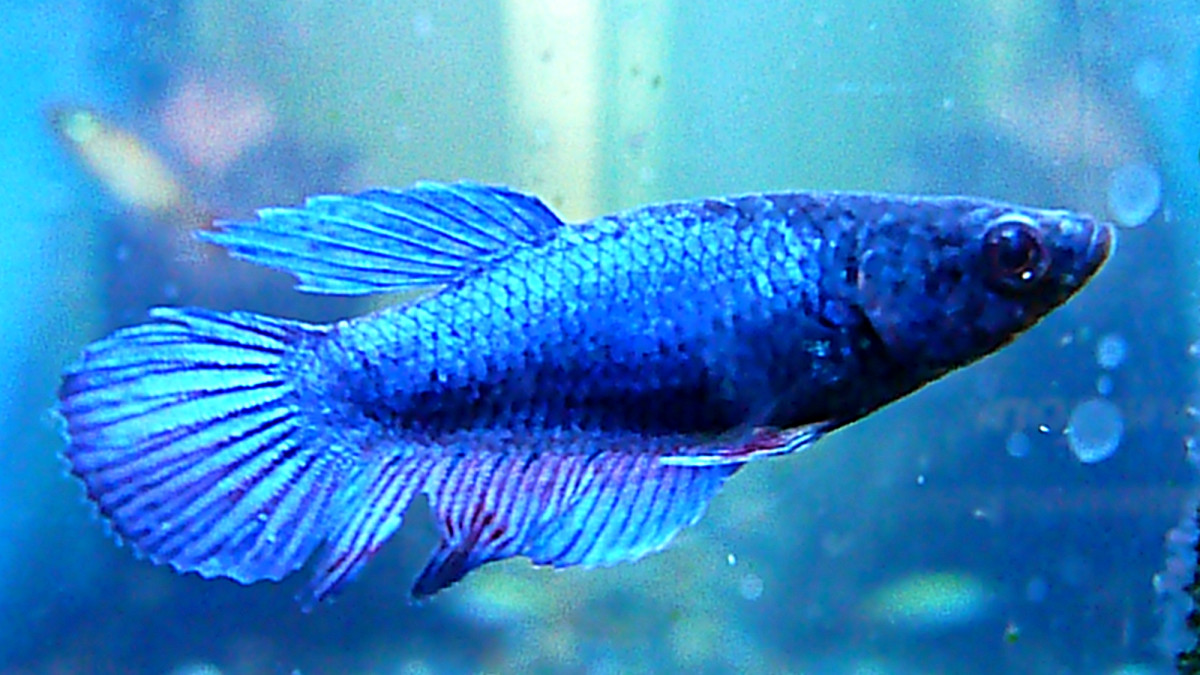
Bettas have a special organ called the labyrinth, which lets them breathe air directly from the surface. This means they don’t rely solely on their gills for oxygen like most fish do.
This ability helps them survive in oxygen-poor water, but it doesn’t mean they can live out of water for long. Without water, their bodies can dry out quickly, making it hard for the labyrinth to function properly.
Have you ever wondered how long your betta could really survive if it accidentally jumps out of its tank? Knowing these basics can help you prevent such risks and keep your fish safe.

Credit: bettasource.com
Survival Time Out Of Water
Understanding how long a betta can survive out of water is important for every betta owner. These fish are known for their vibrant colors and delicate nature, but they also have unique adaptations that let them survive brief periods without water. Let’s dive into how long they can last and what affects their survival time.
Typical Duration
Generally, a betta can survive out of water for about 6 to 8 hours under ideal conditions. This might surprise you since fish usually need water to breathe. Bettas have a labyrinth organ that allows them to breathe atmospheric air, giving them this extra time.
However, survival beyond this window becomes risky. Without water, their skin and gills can dry out quickly, leading to fatal damage. So, while they can manage a few hours, it’s crucial not to leave them out longer than necessary.
Factors Affecting Survival
Several factors influence how long your betta can survive without water:
- Humidity:Higher humidity slows down drying and helps your betta survive longer.
- Temperature:Cooler temperatures reduce metabolism and oxygen demand, extending survival time.
- Physical condition:A healthy betta with no stress or injury will last longer than a weak or sick fish.
- Surface:A moist surface can keep the fish’s skin hydrated, improving chances of survival.
Think about times when you accidentally left a betta out during tank cleaning. Did you notice how quickly it started to look distressed? That’s your clue to limit exposure and keep your fish’s environment safe.
Have you ever wondered how these survival traits evolved? It’s a reminder of how resilient bettas are, but also how careful you must be with their care. What precautions can you take to avoid accidental exposure?
Physical Adaptations
Betta fish have some fascinating physical adaptations that let them survive in unusual conditions. These adaptations are key to understanding how long your betta might last outside water. Knowing these can help you take better care of your fish in emergencies or during tank cleanings.
Labyrinth Organ Role
The labyrinth organ is a special structure in bettas that acts like a tiny lung. It allows them to breathe air directly from the surface instead of relying only on water oxygen. This means your betta can survive in low-oxygen water and even out of water for a short time.
This organ is located near their gills and is filled with many thin, bony plates. These plates help absorb oxygen from the air quickly. Without this organ, bettas would struggle to live in stagnant or oxygen-poor water.
How It Helps Outside Water
Thanks to the labyrinth organ, bettas can survive out of water longer than most fish. They can gulp air and extract oxygen directly, which is why you might find them resting on wet leaves or damp surfaces. This ability lets them survive for several hours, sometimes up to 6-8 hours, if their skin stays moist.
However, the labyrinth organ can’t replace water completely. Your betta still needs moisture to keep its skin and gills wet for oxygen to pass through effectively. Have you ever noticed your betta flapping its fins or moving around when out of water? It’s trying to keep its skin moist and get enough oxygen.
Understanding this can help you create a safer environment if your betta ever ends up out of water. Keeping a damp cloth nearby or gently misting your betta can make a big difference in its survival time.
Risks And Dangers
Bettas are aquatic creatures that rely on water to survive. Taking them out of water poses serious health threats. Understanding these risks helps in caring for them properly. The dangers increase the longer they stay dry. Their delicate bodies face many challenges without water.
Dehydration Effects
Bettas lose moisture quickly outside water. Their skin and gills dry out fast. This causes difficulty in breathing and moving. Dehydration weakens their immune system. It leads to organ failure if untreated. Even short periods without water can harm them severely.
Stress And Injury
Being out of water causes great stress to bettas. They struggle to breathe and move. This stress can weaken their heart and body. Sudden movements increase the risk of physical injury. Their fins and scales can tear or bruise easily. Stress also makes them vulnerable to infections.
Emergency Care Tips
Knowing emergency care tips can save a betta’s life after it leaves water. Bettas can survive a short time out of water if cared for quickly. Acting fast and correctly helps avoid lasting damage. Below are crucial steps for immediate help and recovery.
What To Do If Out Of Water
- Gently pick up the betta using wet hands or a soft, damp cloth.
- Place the fish on a wet paper towel or in a shallow dish with a little water.
- Keep the betta moist at all times to prevent drying out.
- Move the fish to clean, warm water (around 78-80°F or 25-27°C) as soon as possible.
- Avoid sudden water changes; add water slowly to reduce stress.
Best Recovery Practices
- Keep the betta in a quiet, dim place to reduce stress and allow rest.
- Maintain water quality by using a heater and a gentle filter.
- Feed small amounts of high-quality food once the betta starts swimming normally.
- Watch for signs of illness like lethargy or fin damage and act promptly.
- Perform partial water changes daily to keep the environment clean.

Credit: www.aol.com
Preventing Accidental Exposure
Preventing accidental exposure of your betta fish to air is crucial for their health. Bettas can survive a short time out of water, but even brief exposure can cause stress or injury. Taking simple, effective precautions helps you avoid risky situations and keeps your aquatic friend safe.
Tank Safety Measures
Secure lids or covers on your betta’s tank are essential. A lid prevents your fish from jumping out and stops objects or pets from falling into the water. Make sure the cover fits tightly but allows for proper ventilation to maintain water quality.
Position the tank away from edges or places where it can be easily knocked over. If you have children or curious pets, place the tank somewhere they can’t reach without supervision. Small changes like these reduce the chances of accidental exposure dramatically.
Handling Precautions
Whenever you need to handle your betta, use a soft, damp net designed for fish. Avoid grabbing them with your hands, as this can damage their delicate fins. Always be calm and gentle to keep your fish relaxed during transfers or cleaning.
Never leave your betta out of water for longer than necessary. Even a few seconds can cause stress, so prepare everything ahead of time to minimize air exposure. Think about your last experience: did you rush, or did you take your time? Your approach makes a big difference.
Frequently Asked Questions
How Long Can Betta Fish Stay Out Of Water?
Betta fish can survive out of water for 1-2 hours. Their ability depends on the environment’s humidity and temperature. Always ensure they have access to water to prevent stress or health issues.
Why Can’t Betta Fish Live Without Water?
Betta fish need water to breathe and regulate body functions. Without water, they can’t extract oxygen efficiently, leading to suffocation. Water is essential for their survival and well-being.
What Should I Do If My Betta Jumps Out?
Immediately place the Betta back into the water. Ensure their tank is covered to prevent jumping. Check for injuries and monitor their behavior closely for any signs of stress.
Can Betta Fish Breathe Air?
Yes, Betta fish have a labyrinth organ allowing them to breathe air. This adaptation helps them survive in low-oxygen water. However, they still require water to stay healthy and thrive.
Conclusion
Betta fish cannot live long without water. They may survive only a few minutes to a few hours. Their gills need water to get oxygen. Keeping them moist can help a little. Always return your betta to water quickly. This protects their health and life.
Remember, bettas need water to breathe and live. Treat them gently and with care. This keeps your pet safe and happy. Caring for your betta means keeping them in water. Simple steps make a big difference in their survival.