Are you wondering when the emergency food stamps will be available to help you and your family? If you’re facing tough times and need extra support, knowing the exact timing can make a big difference.
This isn’t just about waiting—it’s about planning your next steps and feeling more secure. Keep reading to find out what you need to know about the release dates, how to apply, and what to expect. Your peace of mind starts here.
Current Status Of Emergency Food Stamps
The current status of emergency food stamps is a key concern for many families. These benefits aim to help people facing sudden financial struggles. The government updates the availability based on need and funding.
States handle the distribution differently. Some have already started issuing emergency food stamps. Others wait for federal approval or additional funding.
Government Announcements
Federal agencies release updates on emergency food assistance programs. They share timelines and eligibility rules. These announcements help families prepare and apply on time.
State-level Implementation
Each state decides how and when to provide emergency food stamps. Some states speed up the process to meet urgent needs. Others take longer due to budget or policy reasons.
Eligibility And Application Process
Eligibility criteria often change during emergencies. Applicants might qualify under relaxed rules. Application methods can include online forms, phone calls, or in-person visits.
Funding And Duration
Emergency food stamps depend on available funding. Limited budgets can shorten the program’s length. Funding increases usually extend the benefits period.

Credit: www.economist.com
Eligibility Criteria
Understanding the eligibility criteria for emergency food stamps is crucial if you want to access this vital support quickly. These criteria determine who qualifies and how much assistance you can receive. Knowing what counts and what doesn’t can save you time and stress during difficult moments.
Income Limits
Your income plays a key role in qualifying for emergency food stamps. Generally, your monthly income must be below a certain percentage of the federal poverty level.
For example, if your household income exceeds this limit, you might not be eligible. But remember, some states have different thresholds, so check local guidelines carefully.
Household Size
The number of people living in your home affects your eligibility and benefit amount. Larger households usually qualify for higher benefits since more food is needed.
Think about how many dependents you have. Do you live with children, elderly family members, or others who rely on you? This count matters.
Residency And Citizenship
You must be a resident of the state where you apply for emergency food stamps. Citizenship or immigration status also influences eligibility.
Most programs require applicants to be U.S. citizens or certain eligible non-citizens. If you’re unsure about your status, it’s worth consulting with the local assistance office.
Employment Status
Employment can impact your eligibility but not always negatively. If you are unemployed or have reduced hours, you may qualify for more support.
On the other hand, some working individuals with low wages might still qualify, especially if your income is unstable or under the limit.
Other Qualifying Factors
- Participation in other assistance programs like Medicaid or Temporary Assistance for Needy Families (TANF)
- Being a senior citizen or having a disability
- Experiencing a recent emergency such as job loss or natural disaster
Have you recently faced an unexpected hardship? Such situations often increase your chances of qualifying.
Application Process
Applying for emergency food stamps can feel overwhelming, especially when you’re dealing with urgent needs. Understanding the application process helps you move faster and avoid common mistakes. Let’s break down what you need to know to get your application started and approved smoothly.
Gathering The Necessary Documents
You’ll need to collect specific documents before filling out the application. These usually include proof of identity, residency, income, and household size. Having these ready saves time and reduces stress during the process.
- Photo ID (driver’s license, passport)
- Recent pay stubs or income statements
- Proof of address (utility bills, lease agreements)
- Social Security numbers for all household members
Missing even one document can delay your approval. Have you checked if your state requires any additional paperwork?
Filling Out The Application Form
The application form can usually be completed online, by mail, or in person. Online applications are often the fastest and most convenient option. Make sure to answer every question clearly and honestly to avoid delays.
One tip: save a copy of your application before submitting it. This helps if you need to follow up or correct errors later.
Submitting Your Application
After filling out the form, submit it through the method your state prefers. Some states allow online submission, while others may require you to mail or hand-deliver the paperwork. Check your local agency’s website for specific instructions.
Waiting can be the hardest part, but staying proactive helps. Contact your local office if you don’t hear back within the expected timeframe.
What Happens After Submission?
Once your application is in, it usually goes through a review process. You might be contacted for an interview, either over the phone or in person, to verify your information. Prepare by reviewing your documents and answering questions clearly.
Have you thought about what questions you might be asked during the interview? Being ready can make a big difference in how smoothly your application moves forward.
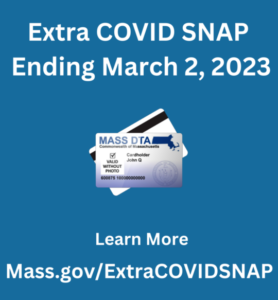
Credit: springwell.com
Distribution Timeline
The distribution timeline for emergency food stamps varies by state and program readiness. Local agencies work quickly to provide benefits to eligible families. Understanding this timeline helps applicants prepare for when assistance will arrive.
Some states begin distribution within days of program approval. Others may take several weeks to organize and notify recipients. The process depends on funding, staffing, and system updates.
Application Processing Period
After applying, expect a processing period of one to three weeks. Agencies verify income and eligibility during this time. Quick submission of documents speeds up approval.
Notification And Approval
Once approved, applicants receive notification by mail, email, or phone. Some states offer online portals for status updates. This step confirms benefit amounts and delivery methods.
Benefit Loading Schedule
Emergency food stamp benefits load onto EBT cards on specific dates. Many states follow a monthly schedule based on the recipient’s case number. Check local guidelines for exact loading days.
Distribution Challenges
Delays can occur due to high demand or technical issues. Staffing shortages also affect how fast benefits reach applicants. Stay in contact with your local office for updates.
Tips To Track Your Benefits
- Use your state’s online EBT portal.
- Call the local food assistance office.
- Check mail and email regularly.
State-by-state Variations
Emergency food stamps availability varies widely across the United States, and understanding these differences can help you plan better. Each state manages its own system and timeline for disbursing emergency benefits. This means when you receive assistance depends a lot on where you live.
Application Process Differences
Some states offer online applications, making it quicker and easier to apply from home. Others require in-person visits or phone interviews, which can delay the process. Knowing your state’s preferred method saves you time and stress.
Timing Of Benefit Distribution
In states like California and New York, emergency food stamps may be available within days after approval. However, in states with smaller budgets or higher demand, it might take weeks. Have you checked your state’s estimated wait times yet?
Eligibility Criteria Variations
Income thresholds and household size calculations differ from state to state. Some states may include extra allowances for children or seniors. Understanding these rules can maximize the amount you receive.
Additional Support Programs
Beyond emergency food stamps, some states provide extra help through food banks or utility assistance. These programs often come with separate application processes. Are you aware of all local resources that could support your household?
Impact Of State Budgets And Policies
State funding levels and political priorities affect how quickly and generously benefits are provided. During economic downturns, some states may expand emergency food programs, while others tighten eligibility. This can directly impact your access to needed aid.
Impact On Families And Communities
The availability of emergency food stamps can create a significant difference in the lives of families and the broader community. When these benefits arrive on time, they help reduce immediate food insecurity and stabilize household budgets. This support often leads to improved health and well-being for children and adults alike.
Relief From Financial Stress
Emergency food stamps provide quick relief to families struggling to pay for groceries. This eases the pressure on limited incomes, allowing parents to focus on other essential expenses like rent and utilities. Imagine not having to choose between food and medicine—that’s the kind of relief these benefits bring.
Strengthening Child Nutrition And Development
Children in families receiving emergency food stamps often experience better nutrition. Proper meals support their growth, learning, and energy levels throughout the day. When you think about your own childhood, how much did regular meals affect your ability to concentrate and participate in school?
Boosting Local Economies
When families receive food assistance, they spend more at grocery stores and local markets. This increased spending supports small businesses and local farmers. It’s a cycle where helping one family can ripple out to strengthen an entire community’s economy.
Building Community Resilience
Emergency food stamps help communities bounce back faster from economic shocks or disasters. They act as a safety net that prevents hunger from becoming a chronic issue. How prepared is your community to support those in need when unexpected hardships strike?
Encouraging Social Stability
Food assistance reduces the stress and frustration that can lead to social problems. Families with enough to eat are more likely to participate positively in their communities. When you have your basic needs met, it’s easier to focus on contributing and connecting with others.
Tips For Maximizing Benefits
Maximizing your emergency food stamp benefits can make a real difference in your daily life. Small changes in how you use your benefits can stretch your food budget further. Let’s look at practical tips that help you get the most value and nutrition from every dollar.
Plan Your Meals Ahead
Planning meals before shopping helps you avoid impulse buys. Write down what you need and stick to your list. This way, you spend only on essentials and reduce food waste.
Think about meals that use similar ingredients. This approach saves money and time. Have you tried batch cooking to save leftovers for busy days?
Buy Nutrient-dense Foods
Focus on foods that provide more nutrients per dollar, like beans, rice, and frozen vegetables. These items last longer and offer better nutrition than processed snacks.
Consider whole grains and seasonal fruits. These options often cost less and taste better fresh. What healthy swaps can you make in your usual shopping list?
Use Local Resources And Discounts
Look for farmers markets that accept food stamps or offer discounts. Some stores provide loyalty programs that help you save more on your purchases.
Don’t forget to check community food banks or co-ops in your area. They often have additional resources to support your food needs. Have you explored these options near you?
Track Your Spending
Keep a simple log of what you buy and how much you spend. This habit helps you spot patterns and adjust your shopping habits to avoid running out early.
Using a notebook or a phone app can keep this easy and organized. How could tracking your expenses change the way you use your benefits?
Resources And Support Services
Accessing emergency food stamps can feel overwhelming, but knowing where to find resources and support services makes the process much easier. These services are designed to guide you through eligibility, application, and even offer additional help beyond just food assistance. Understanding what’s available can empower you to take swift action when you need it most.
Finding Local Assistance Programs
Your community likely has organizations ready to help with emergency food stamps and related support. Local food banks, community centers, and social service offices often provide direct assistance or referrals. Visiting their websites or calling them can give you up-to-date information on availability and how to apply quickly.
Have you checked if your city has specific emergency programs separate from the general SNAP benefits? Sometimes these local efforts offer faster help during crises.
Online Tools And Application Support
Many states offer online portals where you can apply for emergency food stamps without visiting an office. These digital tools simplify the process and reduce wait times. Some websites even have chat support or helplines staffed by real people who can answer your questions instantly.
If you’ve ever struggled with paperwork, consider seeking help from volunteers or nonprofits that specialize in application support. They can walk you through each step, making sure you don’t miss critical details.
Additional Services Beyond Food Stamps
Emergency food stamps are just one part of the safety net. You might also qualify for other services like utility assistance, housing support, or healthcare programs. Connecting with agencies that provide these resources can relieve multiple stress points in your life simultaneously.
Think about what other challenges you’re facing right now. Could a single call or visit unlock several kinds of help at once?
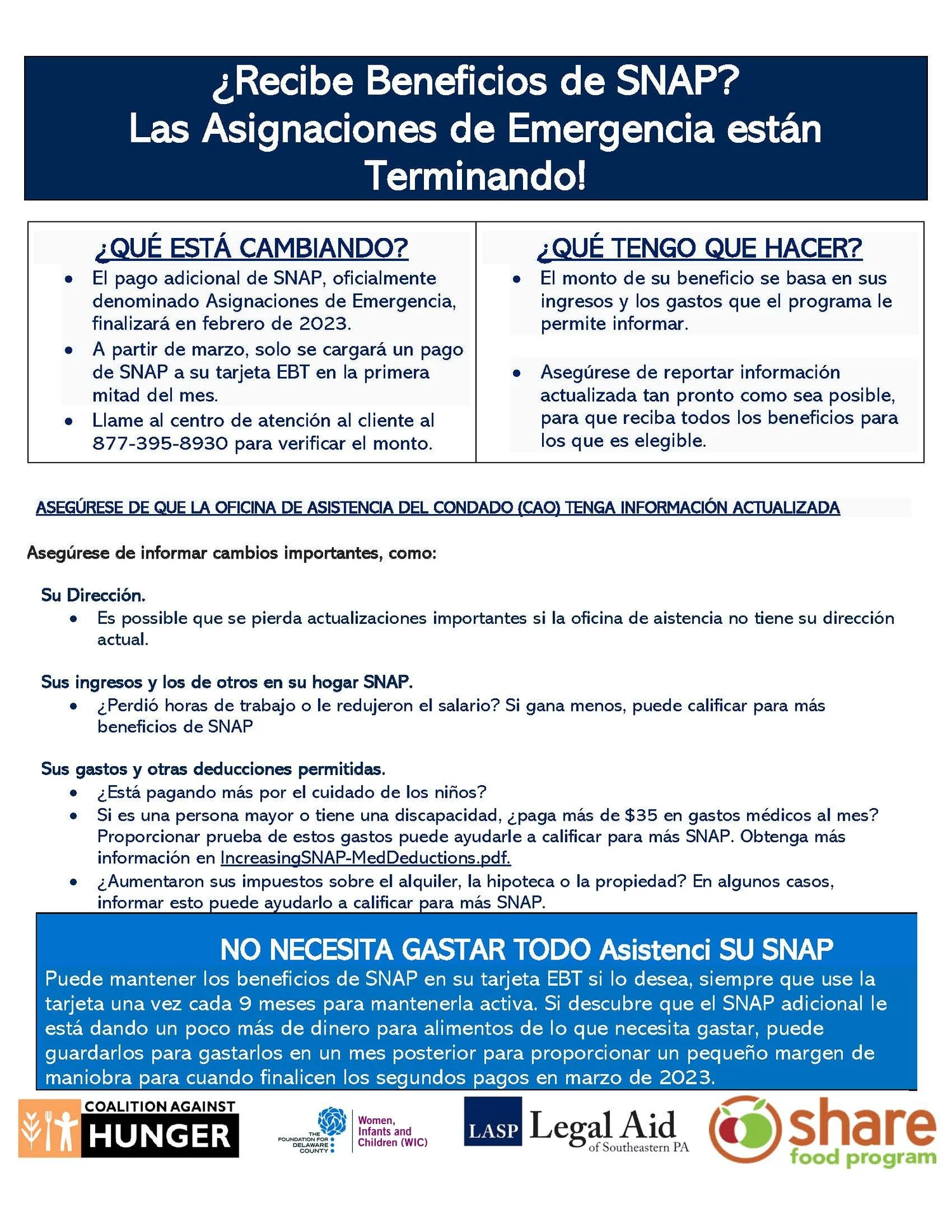
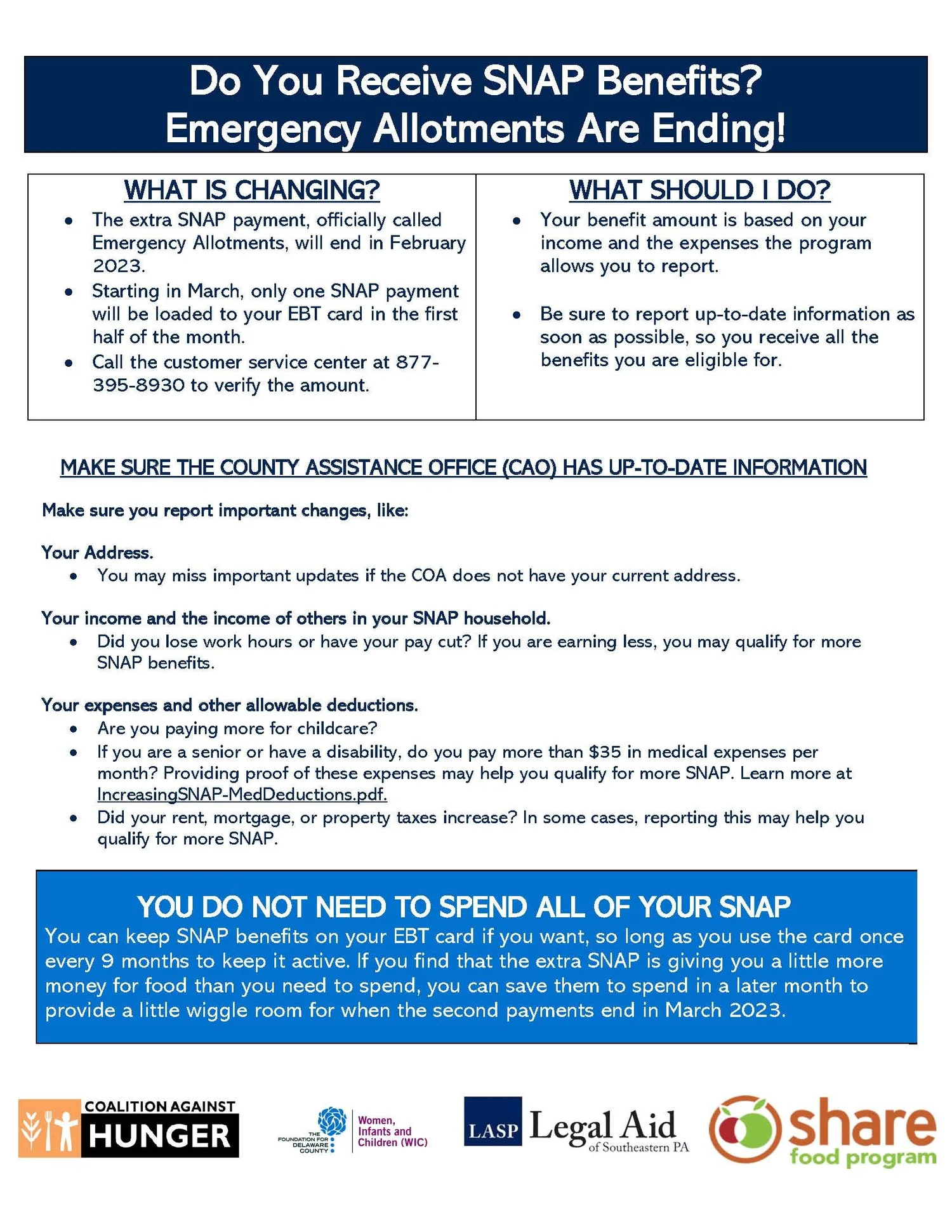
Credit: www.lasp.org
Frequently Asked Questions
When Will Emergency Food Stamps Be Available?
Emergency food stamps are usually available within a few weeks after approval. Check your local social services for exact dates.
How To Apply For Emergency Food Stamps Quickly?
Apply online or visit your local social services office. Submit required documents to speed up the process.
Who Qualifies For Emergency Food Stamps?
Low-income families, unemployed individuals, and those facing sudden financial hardship usually qualify. Eligibility varies by state.
Can I Get Emergency Food Stamps During A Disaster?
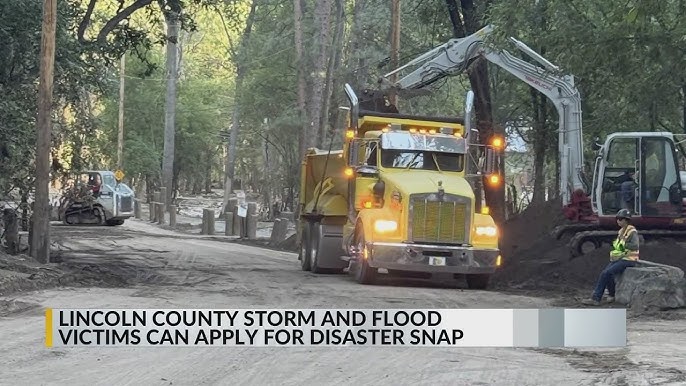
Yes, special disaster benefits may be issued quickly to affected individuals. Contact local agencies for updates.
Conclusion
Understanding the timeline for emergency food stamps is crucial. It helps families plan and prepare. Keep an eye on local announcements. Stay informed through reliable sources. This ensures timely access to necessary aid. Food security is vital for everyone. Act fast when updates are available.
Share information with those in need. Support in times of crisis can make a difference. Remember, every bit of help counts. Your community can thrive with the right resources. Preparedness is key. Stay proactive and engaged. This will ensure smoother assistance when needed most.