Are you wondering if you or someone you know qualifies for emergency food stamps? You’re not alone.
Many people face unexpected challenges that make putting food on the table difficult. Understanding who is getting emergency food stamps can help you find the support you need quickly. You’ll discover the key factors that determine eligibility and how this vital aid reaches those in urgent need.
Keep reading to learn if you could benefit from this lifeline and what steps to take next.
Emergency Food Stamps Basics
Emergency food stamps provide quick help for people facing sudden financial hardship. They offer temporary support to buy groceries and essential food items. Understanding the basics helps individuals know if they qualify and how to apply.
What Are Emergency Food Stamps
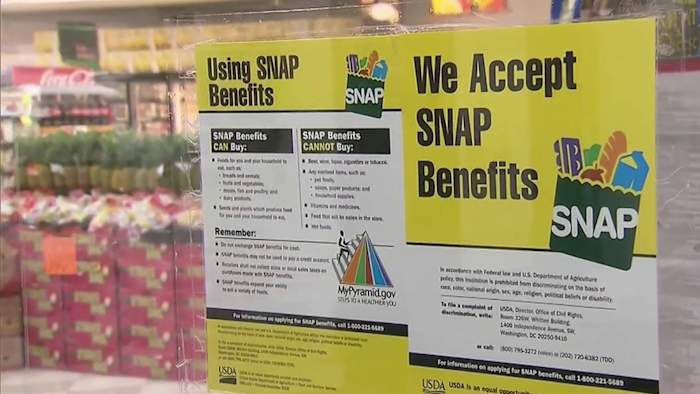
Emergency food stamps are short-term benefits given to low-income households. They help families buy food during a crisis or unexpected event. These benefits come through government programs like SNAP (Supplemental Nutrition Assistance Program).
The goal is to prevent hunger and improve nutrition until normal support resumes. Emergency food stamps are usually available faster than regular benefits.
Eligibility Criteria
Eligibility depends on several factors. Income level must be below a certain limit. The household must face an emergency, such as job loss or natural disaster.
- Low or no income
- Sudden loss of income or resources
- Household size and expenses
- Residency and citizenship status
Each state may have specific rules about who qualifies. Proof of the emergency or financial need is often required.
Application Process
Applying for emergency food stamps is a straightforward process. Applications can be submitted online, by phone, or in person at local offices.
- Fill out an application form
- Provide income and identification documents
- Explain the emergency situation
- Attend an interview if required
Applications are usually processed quickly, often within a few days. Approval leads to benefits loaded on a card to use at grocery stores.
Demographics Receiving Aid
Emergency food stamps provide vital support during tough times. Various groups across the country rely on this aid to meet their basic food needs. Understanding who receives this help reveals important details about its reach and impact. The demographics of those receiving emergency food stamps show clear patterns in age, income, and location.
Age Groups Benefiting Most
Many recipients are children and seniors. Families with young kids often face food insecurity. Older adults on fixed incomes also depend heavily on emergency food stamps. Working-age adults make up a large portion too, especially those with unstable jobs. These age groups highlight the broad need across life stages.
Income Levels And Employment Status
Most recipients have low or no income. Unemployed individuals form a significant part of this group. Part-time and temporary workers also qualify due to inconsistent earnings. Many recipients live below the poverty line. Emergency food stamps help bridge the gap when money runs out.
Geographic Distribution
Urban areas show high demand for emergency food stamps. Dense populations face more economic challenges. Rural regions also see need, especially where jobs are scarce. Some states have higher aid usage due to local economic conditions. Understanding geography helps target where aid is most needed.
Reasons For Emergency Assistance
Emergency food stamps provide vital support during sudden financial crises. Many people face unexpected challenges that disrupt their ability to buy food. The reasons for emergency assistance vary but share one goal: to help families stay nourished through tough times. Understanding these reasons clarifies who needs this aid most.
Job Loss And Income Shocks
Job loss is a common reason for emergency food stamp requests. Losing work means losing income fast. Bills continue, but money stops coming in. Income shocks, like reduced hours or pay cuts, also strain budgets. Families need quick help to cover groceries and basic needs.
Natural Disasters Impact
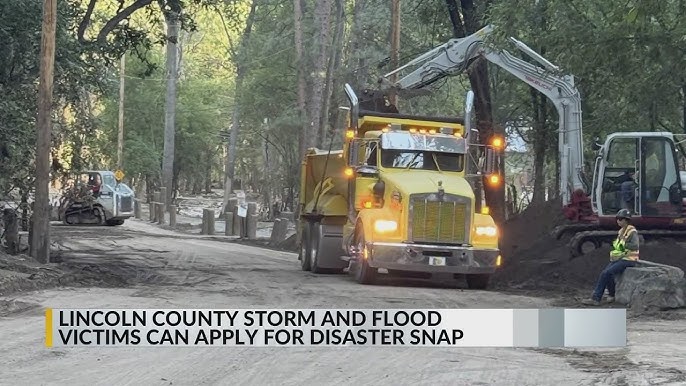
Natural disasters cause sudden damage and disruption. Floods, hurricanes, and wildfires destroy homes and jobs. These events leave people without food or money to buy it. Emergency food stamps support victims during recovery and help prevent hunger in disaster zones.
Pandemic Effects
Health crises like pandemics create widespread economic stress. Many lose jobs or face reduced income during shutdowns. Supply chain issues raise food prices, making groceries less affordable. Emergency food stamps ease these pressures and help families maintain nutrition during uncertain times.

Credit: www.youtube.com
Program Challenges
Emergency food stamps aim to provide quick help to families in crisis. Despite good intentions, several challenges limit the program’s reach and effectiveness. These issues affect those who need aid the most. Understanding these problems is key to improving access and support.
Access Barriers
Many people face difficulties applying for emergency food stamps. Some lack internet access or smartphones needed for online applications. Others find the paperwork confusing or overwhelming. Language differences also block many from completing forms. Transportation issues make it hard to visit local offices. These barriers keep some eligible families from getting help.
Funding Limitations
Emergency food stamp programs often run out of money quickly. Limited budgets mean not all who qualify receive aid. Funding depends on government decisions and economic conditions. Sometimes, funds are delayed or cut, causing gaps in support. This uncertainty creates stress for families relying on assistance.
Administrative Issues
Processing applications can take too long. Staff shortages and high demand slow down approvals. Errors in paperwork or system glitches cause delays. Communication between agencies is sometimes poor, leading to confusion. These administrative problems reduce the program’s efficiency and reach.
Impact On Recipients
The impact of emergency food stamps on recipients is profound and far-reaching. These benefits provide immediate help during tough times. They ease the burden of food costs and improve daily life for many families. Understanding the effects on recipients shows why these programs matter.
Food Security Improvements
Emergency food stamps reduce hunger by increasing access to groceries. Families can buy more nutritious meals and avoid skipping food. This support lowers food insecurity rates significantly. Children and adults feel less stress about their next meal. Food security creates a stable environment at home.
Health And Well-being
Access to healthy food improves physical health. Recipients often report better energy and fewer illnesses. Proper nutrition supports growth in children and recovery in adults. Emergency food stamps help prevent chronic diseases linked to poor diet. Mental health also benefits as food worries decrease.
Long-term Outcomes
Emergency food stamps help families stabilize their finances. This support allows recipients to focus on work and education. Children with steady nutrition perform better in school. Over time, families build resilience and improve their quality of life. These benefits create a foundation for lasting success.

Credit: www.economist.com
Policy Changes And Trends
Emergency food stamps programs have seen important policy changes recently. These updates aim to help more people quickly during tough times. Changes reflect shifts in government priorities and economic needs. Tracking these trends helps understand who benefits from emergency food stamps.
Recent Legislative Updates
New laws have expanded eligibility for emergency food stamps. Some states increased income limits to include more families. Temporary boosts in benefits were approved to address rising food costs. Faster application processing rules have been introduced. These updates reduce wait times and help more people get support.
Future Program Enhancements
Plans for future improvements focus on technology and access. Online applications and mobile apps will simplify the process. More outreach programs aim to inform underserved communities. Data sharing between agencies is expected to speed approvals. These changes will make emergency food stamps easier to obtain.
Community Support Initiatives
Local groups play a key role in emergency food aid. Many partner with government programs to reach more people. Food banks and charities provide extra resources alongside food stamps. Workshops and help centers assist with application questions. These community efforts strengthen the overall safety net.

Credit: thevoiceofafrica.com
Frequently Asked Questions
Who Qualifies For Emergency Food Stamps?
Emergency food stamps are for individuals or families facing immediate financial crises. Eligibility varies by state but typically includes loss of income, natural disasters, or other emergencies. Applicants must meet specific income and resource limits to qualify. Check your local state’s Department of Social Services for detailed criteria and application procedures.
How To Apply For Emergency Food Stamps?
To apply for emergency food stamps, visit your local Department of Social Services or their website. Fill out the application form and submit required documents like ID, proof of residence, and income verification. Some states offer online applications, while others require in-person or mail submissions.
How Long Does It Take To Receive Them?
The processing time for emergency food stamps is usually expedited due to the urgent nature. Eligible applicants can receive benefits within seven days. However, the exact time frame varies by state and individual circumstances. Ensure all required documents are submitted to prevent delays.
Can Non-citizens Receive Emergency Food Stamps?
Non-citizens may qualify for emergency food stamps if they meet specific criteria. Eligible immigrants include lawful permanent residents, refugees, and asylees. Each state has different guidelines, so it’s essential to check local regulations. Documentation proving immigration status is usually required during the application process.
Conclusion
Emergency food stamps help people facing urgent food needs. Many low-income families and individuals qualify for this aid. It supports those who lose income suddenly or face unexpected expenses. The goal is to provide quick relief for hunger and stress.
Understanding eligibility can guide you or others to get help. Food assistance programs aim to keep families safe and healthy. Everyone deserves access to nutritious food in tough times. Stay informed and seek support when emergency food aid is needed.