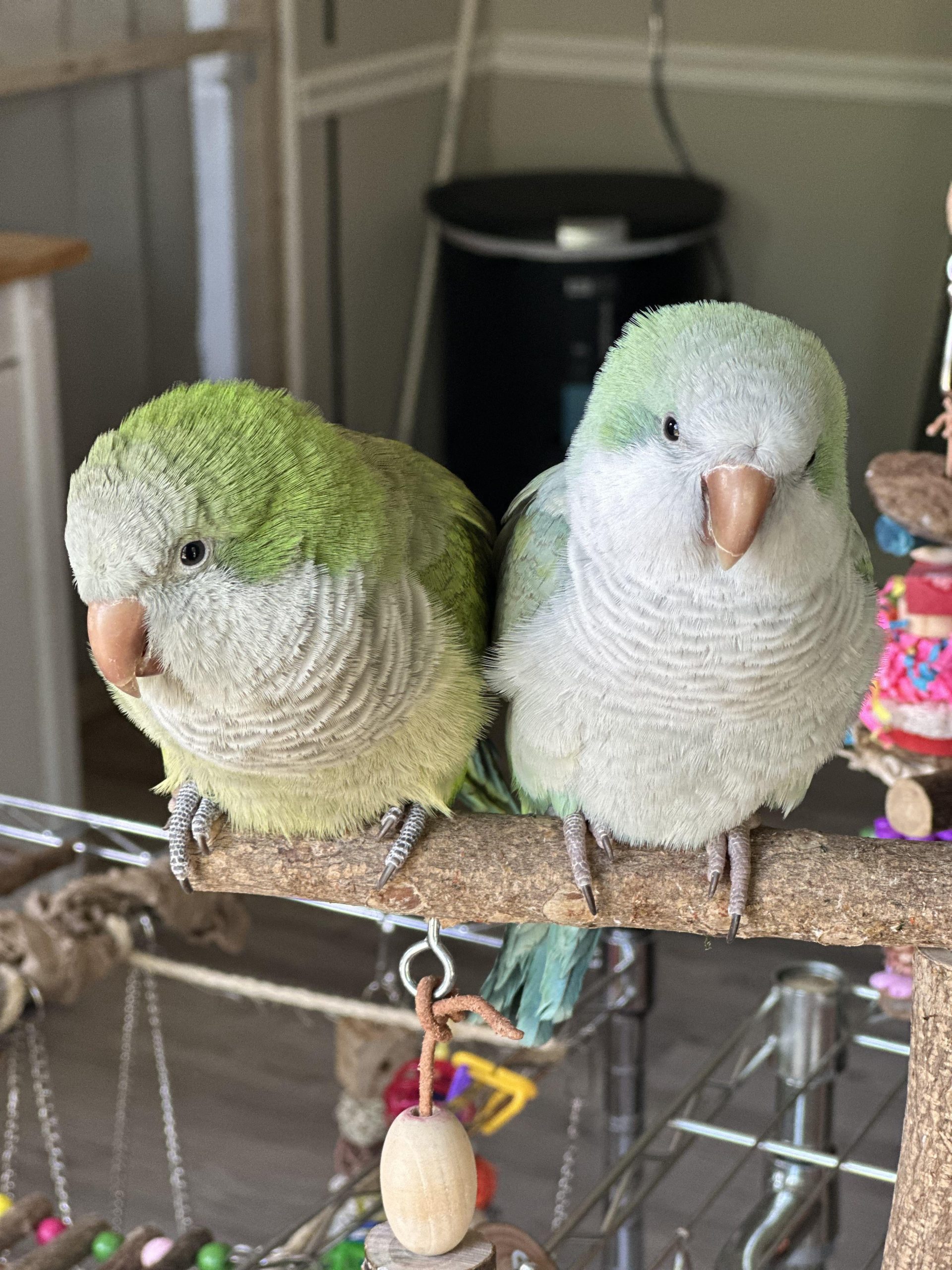
When cold weather hits, staying warm and comfortable can be a real challenge. But have you ever wondered how Quakers, those vibrant and talkative parrots, manage to survive chilly days?
If you have a Quaker parrot or are thinking about getting one, understanding how they cope with cold is crucial for their health and happiness. You’ll discover simple, effective ways to help your Quaker thrive during cold spells. Keep reading to learn the secrets to keeping your feathered friend cozy no matter how low the temperature drops.
Quaker Lifestyle And Climate
The Quaker lifestyle is deeply connected to simplicity, community, and adaptability, especially when facing cold weather. Their approach to climate challenges reflects a thoughtful balance between tradition and practical living. Understanding how they adapt helps you see the strength in their routines and values during harsh winters.
Historical Adaptations
Quakers have long lived in regions where winters can be severe. They built homes with thick walls and small windows to keep warmth inside. These simple architectural choices show how they prioritized energy efficiency without modern technology.
They also wore layered clothing made from wool and other natural fibers. This helped them stay warm while remaining active outdoors. Have you ever thought about how your clothing choices affect your comfort in cold weather?
Food preservation was another key adaptation. Quakers often stored root vegetables, dried fruits, and cured meats to last through winter months. This ensured steady nutrition without frequent trips outside in freezing temperatures.
Community Support Systems
The Quaker community thrives on mutual aid, which becomes crucial in winter. Neighbors share resources like firewood and help each other with chores when the cold makes tasks harder. This sense of responsibility strengthens survival chances.
Regular meetings provide emotional support and practical information on weather conditions and preparedness. This network acts like a safety net, especially for the elderly and those living alone.
- Shared childcare during icy days
- Collective efforts to maintain heating systems
- Organized food distribution to prevent shortages
Have you experienced how your community steps up when weather gets tough? The Quaker example shows that survival isn’t just about individual effort but about strong social bonds.

Credit: hari.ca
Clothing Strategies
Surviving cold weather requires more than just luck; it demands smart clothing strategies. Quakers, known for their simplicity and practicality, use effective clothing techniques to stay warm without overcomplicating their wardrobe. Understanding these strategies can help you stay comfortable when temperatures drop.
Layering Techniques
Layering is the key to controlling your body heat and staying dry. Quakers often wear multiple thin layers instead of one thick piece of clothing. This approach traps warm air between layers while allowing moisture to escape.
- Base Layer:A snug, moisture-wicking fabric keeps sweat away from your skin.
- Middle Layer:Insulating materials like fleece or wool retain your body heat.
- Outer Layer:A windproof and waterproof shell protects against harsh weather elements.
Have you ever felt too hot or too cold despite wearing a heavy coat? Layering gives you the flexibility to adjust quickly by adding or removing pieces as needed.
Material Choices
Choosing the right materials matters as much as layering itself. Quakers prefer natural fibers like wool and cotton for their warmth and breathability. Wool, in particular, holds heat even when damp, which is crucial during snowy or rainy days.
Mixing materials can also improve comfort and durability. For example, a wool sweater under a cotton shirt balances warmth and softness. Avoid synthetic fabrics that trap sweat and cause chills.
Think about your last cold day outdoors—did your clothing make you uncomfortable or keep you cozy? Selecting the right materials can change how you experience cold weather entirely.
Shelter And Heating
Surviving cold weather requires more than just putting on warm clothes. Quakers focus heavily on creating a living space that protects against harsh temperatures and keeps heat inside. How they manage shelter and heating offers useful tips for anyone facing chilly conditions.
Insulation Methods
Good insulation is key to keeping a home warm without excessive energy use. Quakers often use thick walls made from natural materials like wood and clay, which trap heat effectively.
They also add layers of insulation in roofs and floors. Sometimes, they use straw or wool as extra padding inside walls. These materials slow down heat loss and maintain a comfortable indoor temperature.
Have you ever noticed how a poorly insulated window can make a whole room feel cold? Quakers often use heavy curtains or shutters to block drafts and keep the warmth inside.
Safe Heating Practices
Heating safely is as important as staying warm. Many Quakers rely on wood stoves or fireplaces, but they take care to maintain good ventilation to avoid smoke and carbon monoxide buildup.
They also make sure to keep flammable materials away from heat sources. Regular cleaning of chimneys and stoves reduces fire risks.
What heating methods do you trust most in your home? Quakers often choose simple, reliable systems that don’t require complicated maintenance but still provide steady warmth throughout the cold months.
Food And Nutrition
Food and nutrition play a crucial role in how Quakers survive the harsh cold weather. Maintaining energy and staying warm require thoughtful choices about what they eat. Their winter diet is carefully planned to provide enough calories and nutrients to withstand the cold.
Winter Diet Essentials
During winter, Quakers focus on foods that provide long-lasting energy. They eat plenty of root vegetables like carrots and potatoes because these store well and offer essential vitamins. Protein is also key, so beans, lentils, and preserved meats often feature in their meals.
Healthy fats are important too. You might notice they include nuts, seeds, and oils to keep their bodies insulated and energized. Drinking warm herbal teas or broths helps maintain hydration and warmth.
Have you ever thought about how your own winter diet could help you stay warmer? Adjusting what you eat can make a real difference in your energy levels and comfort during cold months.
Preserving Food
Preserving food is vital for Quakers to have enough supplies through winter. They use simple methods like drying, smoking, and pickling to keep food edible for months. These techniques lock in nutrients and prevent spoilage without needing modern refrigeration.
For example, drying herbs and vegetables in the sun or near a fireplace keeps them usable in soups and stews. Smoking meats adds flavor and extends shelf life, making sure protein sources last longer. Pickling vegetables in vinegar or brine provides a tangy, nutritious option that can brighten up winter meals.
Think about your own food storage—could you try drying or pickling some vegetables? It’s a practical way to reduce waste and ensure you have tasty, healthy options when fresh produce is scarce.
Health And Safety
Health and safety are top priorities for Quakers surviving cold weather. They focus on practical actions to protect their bodies and minds from the harsh conditions. Staying warm is only part of the challenge; preventing serious health issues and maintaining mental well-being are just as important.
Preventing Hypothermia
Hypothermia is a real threat when temperatures drop. Quakers avoid it by dressing in layers made from natural fibers like wool, which retain heat even when damp. They also keep dry, as wet clothes can rapidly lower body temperature.
Eating regular meals helps maintain energy levels and body heat. Quakers drink warm beverages and stay active inside their homes to keep blood flowing. They watch for early signs of hypothermia—shivering, confusion, and numbness—and take immediate action to warm up.
- Wear insulated hats and gloves to minimize heat loss
- Use blankets and sleep close to others for shared warmth
- Seal drafts in homes to keep cold air out
Maintaining Mental Well-being
Cold weather can weigh heavily on your mind. Quakers understand the importance of staying connected with their community to avoid feelings of isolation. They gather for quiet conversations or shared meals, which lifts spirits and provides emotional support.
Engaging in simple indoor activities like reading, sewing, or journaling helps keep the mind busy and positive. They also practice mindfulness and gratitude, which build resilience against winter blues. Have you noticed how your mood shifts when you spend time with others during tough weather?
- Keep regular routines to create a sense of normalcy
- Reach out to friends or neighbors for check-ins
- Focus on small daily joys to maintain hope and motivation

Credit: www.reddit.com
Community Preparedness
Community preparedness is key for Quakers during cold weather. They rely on strong bonds and shared efforts to face harsh conditions together. This close-knit support helps them manage resources and stay safe.
Shared Resources
Quakers pool their resources to help everyone stay warm and healthy. They share firewood, warm clothing, and food supplies. This cooperation reduces waste and ensures no one is left without essentials. Sharing tools and equipment also makes repairs and heating easier for all members.
Emergency Planning
Quaker communities create clear plans for winter emergencies. They identify safe places for shelter and warm gathering spots. Everyone knows who to contact for help and how to assist neighbors. Regular meetings prepare members for power outages or severe storms. These plans build trust and readiness across the group.
Credit: windycityparrot.com
Frequently Asked Questions
How Do Quakers Keep Warm In Winter?
Quakers stay warm in winter by fluffing up their feathers. This increases insulation and traps body heat effectively. They also huddle together in groups to share warmth. Additionally, they seek sheltered areas to avoid cold winds and preserve body heat.
What Do Quakers Eat During Cold Months?
During cold months, Quakers consume high-energy foods like seeds and nuts. These foods provide the necessary calories to maintain body heat. They also forage for berries and fruits, which offer essential nutrients. Access to a varied diet helps them survive winter conditions.
Do Quakers Migrate To Escape The Cold?
No, Quakers typically do not migrate to escape the cold. Instead, they adapt their behaviors and habitats to endure winter conditions. They rely on their ability to find food and shelter in their environment. This resilience helps them survive the colder months without migration.
How Do Quakers Find Shelter In Winter?
In winter, Quakers find shelter in tree cavities and dense vegetation. These natural refuges protect them from harsh winds and cold temperatures. They may also build communal nests, known as roosts, which provide additional warmth. Such shelters are essential for their winter survival.
Conclusion
Quakers survive cold weather by using smart habits and natural ways. They wear warm clothes and find cozy places to stay safe. They eat healthy food to keep their energy high. Staying active helps them stay warm too. These simple steps make cold times easier.
Anyone can learn from their ways. Cold weather does not stop them. They live well even when it gets very cold. These tips show how nature and care help in winter.