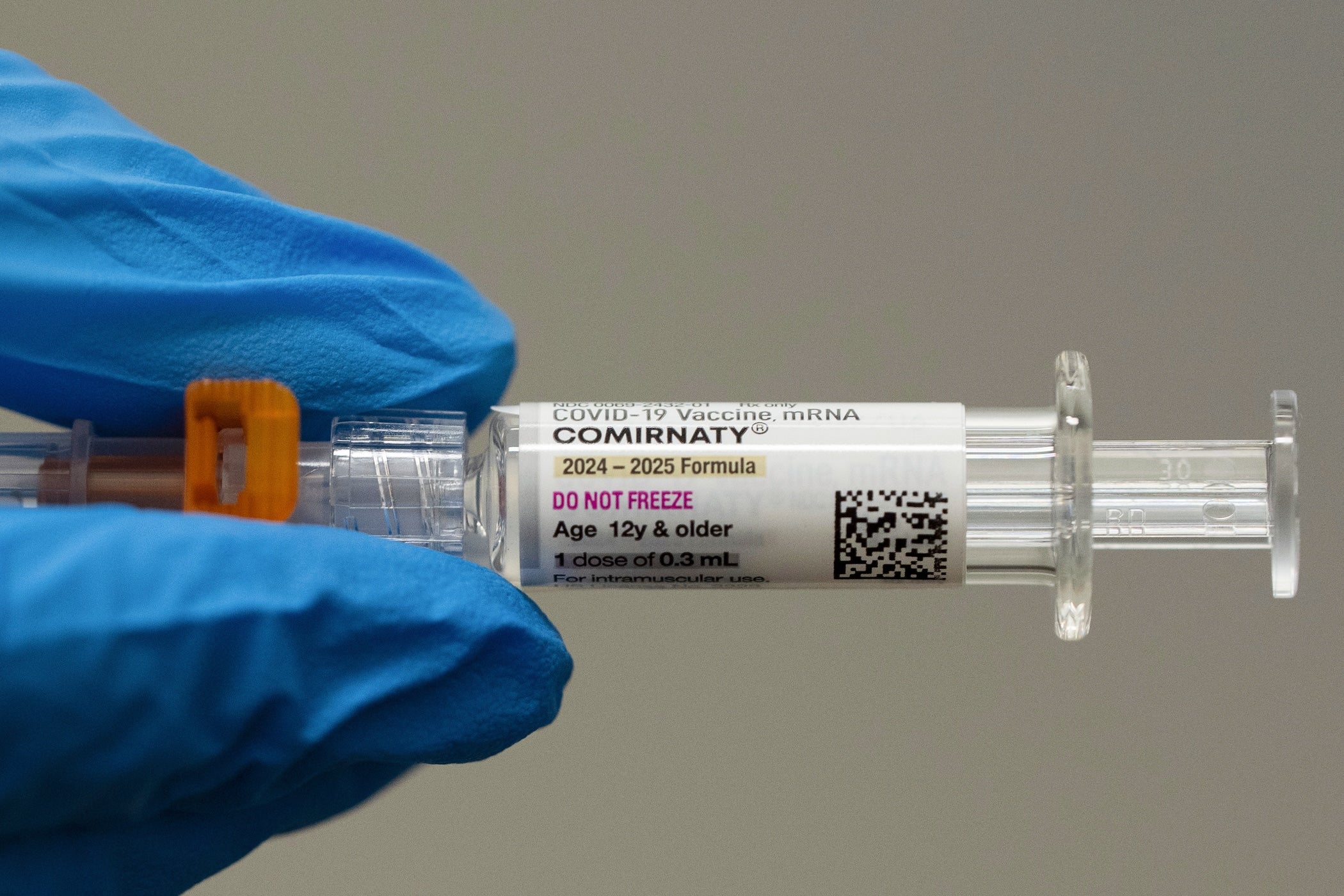
Are you wondering if warm weather can stop Covid-19 in its tracks? You’re not alone.
Many people hope that rising temperatures might make the virus disappear faster. But can the heat really protect you and your loved ones? Understanding how Covid-19 behaves in warm weather is key to staying safe. Keep reading to discover the facts that could change how you think about summer and your health.
Covid 19 And Temperature
Understanding how Covid 19 responds to temperature changes can help you make better decisions about safety during different seasons. Temperature plays a role in the virus’s ability to survive and spread, but it’s not the only factor. Let’s look closely at how the virus behaves in various climates and what warm weather means for its survival.
Virus Behavior In Different Climates
The virus behind Covid 19 doesn’t behave the same everywhere. In colder climates, viruses often survive longer on surfaces and in the air. This can increase the chance of transmission.
However, in tropical or warmer climates, the virus tends to break down faster. Heat and humidity can reduce its ability to stay infectious. But this doesn’t mean the virus disappears or stops spreading in warm places.
Think about how some countries with hot weather still faced serious outbreaks. This shows temperature alone can’t stop the virus. Other factors like human behavior and indoor crowding also matter.
Impact Of Warm Weather On Virus Survival
Warm weather can help limit Covid 19 survival outside the body, but it isn’t a guarantee of safety. The virus’s outer layer is sensitive to heat, so higher temperatures can damage it quicker.
- Direct sunlight and UV rays can also weaken the virus.
- Humidity combined with warmth reduces airborne particles’ lifespan.
- But in air-conditioned indoor spaces, the virus can still thrive regardless of outside temperature.
Have you noticed fewer cases reported during summer months in your area? That might reflect the virus struggling more outdoors. Still, indoor gatherings can keep the risk high.
What steps can you take to stay protected beyond relying on warm weather? Wearing masks indoors, keeping good ventilation, and practicing hand hygiene remain crucial regardless of temperature.
Credit: www.un.org
Scientific Findings
Scientific findings provide crucial insights into whether Covid-19 can survive in warm weather. Understanding these results helps you make informed decisions about safety and precautions during different seasons. Research combines controlled experiments and observations from real-life environments to paint a clearer picture.
Laboratory Studies On Virus Stability
Scientists test the virus in lab conditions to see how temperature affects its survival. Studies show that Covid-19 tends to lose stability faster at higher temperatures, especially above 30°C (86°F). However, the virus can still survive for hours on surfaces even in warm settings.
One study found that at 22°C (72°F), the virus remained infectious for several days, but at 37°C (98.6°F), its survival dropped to less than a day. This suggests warmth slows down the virus but doesn’t eliminate the risk completely.
Have you noticed how some viruses disappear quickly in summer, while others linger? Covid-19 falls somewhere in between, challenging the idea that heat alone can stop its spread.
Real-world Data From Warm Regions
Data from countries with hot climates offers a practical view of how Covid-19 behaves outside the lab. Despite high temperatures, places like Brazil, India, and parts of Africa experienced significant outbreaks, showing that warm weather alone doesn’t stop transmission.
Factors like crowded spaces, indoor gatherings, and limited mask use play a bigger role in spreading the virus than temperature alone. This means your actions still matter, no matter how warm it is outside.
Have you ever wondered why Covid-19 surges in summer at times? Real-world evidence reminds us that relying on weather for protection is risky. Staying vigilant and following health guidelines remains essential.
Common Myths
Many myths surround the idea of Covid-19 and warm weather. These myths create confusion about how the virus spreads and how to protect ourselves. Understanding the truth helps people stay safe and take the right precautions. Let’s explore some common myths and separate facts from fiction.
Warm Weather Stops Virus Transmission
Some believe hot weather stops Covid-19 from spreading. Warm temperatures may reduce the virus’s life on surfaces slightly. Still, the virus can spread in any climate. People close to each other can pass the virus easily. Weather alone does not stop transmission. Masks, distancing, and hygiene remain crucial regardless of heat.
Summer As A Natural Vaccine
Another myth says summer acts like a vaccine against Covid-19. The sun’s rays do help the body produce vitamin D. Vitamin D supports the immune system but does not prevent infection. No season or weather can replace vaccination. Vaccines offer real protection. Summer weather only helps comfort and mood, not immunity.

Credit: www.npr.org
Transmission Factors Beyond Temperature
Temperature alone does not determine how Covid-19 spreads. Many other factors influence transmission, making it important to look beyond just warm or cold weather. Understanding these factors can help you take smarter steps to protect yourself and others.
Human Behavior And Social Distancing
Your actions play a huge role in whether the virus spreads or not. Staying close to others, especially in crowded places, increases the chance of catching or passing on the virus.
Think about a time when you attended a busy event without masks or distancing. That moment, even if the weather was warm, could have raised the risk significantly.
Keeping a safe distance and wearing masks when needed can reduce risk far more than just relying on heat to kill the virus. How often do you consider your behavior as a key factor in transmission?
Indoor Vs Outdoor Spread
Where you spend time matters a lot. Covid-19 spreads much easier indoors than outdoors, regardless of temperature.
Good ventilation and fresh air outside help dilute virus particles. Indoors, the virus can linger longer, especially in crowded or poorly ventilated spaces.
Think about your daily routine: do you spend more time inside or outside? Adjusting this can have a bigger impact on your safety than just hoping warm weather will protect you.
Preventive Measures In Warm Climates
Preventive measures remain important in warm climates to reduce Covid-19 spread. The virus can survive despite high temperatures. Careful actions help protect individuals and communities. Simple habits and following guidelines limit infection risks. Awareness of safety practices supports health in warm weather areas.
Mask Usage And Hygiene
Masks reduce virus particles in the air. Wearing masks in crowded or enclosed spaces is crucial. Cloth and surgical masks block droplets effectively. Proper mask use means covering nose and mouth fully.
Hand hygiene stops virus transmission through surfaces. Frequent handwashing with soap and water for 20 seconds is best. Hand sanitizer with at least 60% alcohol works well if soap is unavailable. Avoid touching the face to prevent infection.
Vaccination And Public Health Policies
Vaccines lower severe illness and slow virus spread. Getting vaccinated protects individuals and others around them. Follow local health advice for vaccine schedules and boosters.
Public health policies guide safe behavior in warm climates. Rules on gatherings, travel, and mask use adapt to current risk levels. Staying informed on updates helps communities stay safe and healthy.

Credit: www.bbc.com
Future Outlook
The future of Covid-19 in relation to warm weather remains uncertain. Scientists continue to study how temperature affects the virus’s spread. Understanding this can help plan for upcoming seasons and health measures.
Seasonal Patterns And Covid 19
Viruses often follow seasonal trends. Some spread more in cold months and slow down in warm months. Covid-19 shows some seasonal behavior but can spread any time of year. Warm weather might reduce cases, but it will not stop the virus completely.
People spending more time indoors in cold weather can increase transmission. In warm seasons, outdoor activities help lower risk. Still, Covid-19 can survive and infect in all climates. Caution and safety practices remain important throughout the year.
Preparing For Possible Variants
New Covid-19 variants may change how the virus spreads. Some variants could be more resistant to warm weather effects. Scientists watch variants closely to update vaccines and treatments.
Public health systems must stay ready for changes. Vaccination, testing, and mask use may still be necessary. Being prepared helps reduce the impact of future waves. Communities benefit from clear communication and swift action.
Frequently Asked Questions
Does Covid-19 Die In Hot Weather?
Covid-19 does not die in hot weather. While heat can reduce the virus’s survival on surfaces, it can still spread in warm climates. The virus mainly spreads through respiratory droplets, so it’s important to follow safety guidelines regardless of the temperature.
Can Warm Weather Stop Covid-19 Spread?
Warm weather alone cannot stop the spread of Covid-19. The virus spreads through close contact and respiratory droplets. Safety measures like wearing masks and social distancing are crucial for prevention, even in warm climates.
How Does Temperature Affect Covid-19?
Temperature affects Covid-19’s survival on surfaces, but not its transmission. The virus can spread in both hot and cold climates. Adhering to health guidelines is essential to prevent transmission, regardless of the temperature.
Is Covid-19 Less Contagious In Summer?
Covid-19 remains contagious during summer. The virus spreads via respiratory droplets, unaffected by seasonal changes. Adhering to health guidelines is crucial to reduce transmission, regardless of the season.
Conclusion
Covid-19 can survive in warm weather, but it does not spread as easily. Heat alone does not stop the virus. People still need to wear masks and keep distance. Washing hands often helps a lot. Warm weather might lower some risk, but it is not a full solution.
Stay careful and follow health advice. Protect yourself and others every day. Safety depends on actions, not just temperature. Stay informed and stay safe.