When cold weather hits, you might wonder how spiders manage to survive the drop in temperature. If you’ve ever spotted a spider in winter or worried about pests creeping into your home, understanding how these tiny creatures endure the cold can help you stay prepared.
You’ll discover simple yet surprising ways spiders survive harsh weather and what that means for your space. Keep reading—you’ll learn tips that could change how you handle spiders during the chilly months ahead.
Spider Behavior In Cold
Spiders face tough challenges during cold weather. Their survival depends on how well they adjust to dropping temperatures. Understanding spider behavior in cold reveals their amazing ability to endure harsh conditions. This knowledge helps us appreciate their resilience and unique survival skills.
How Spiders Adapt
Spiders use several tricks to survive cold times. Some produce antifreeze-like chemicals in their bodies. These chemicals stop ice from forming inside their cells. Others slow down their metabolism to save energy. They enter a state similar to hibernation. This state helps them survive without food for weeks or months.
Many spiders find warm, protected places. These spots shield them from freezing winds and frost. They hide under bark, inside leaf litter, or in cracks. Some spiders build silk shelters that keep cold out. This shelter acts like a tiny thermal blanket.
Common Winter Habits
- Seeking shelter in sheltered spots like under rocks or wood
- Reducing activity to conserve energy
- Using silk to create insulated webs or retreats
- Storing fat to survive long periods without eating
- Clustering together to share warmth in some species
These habits increase spiders’ chances of surviving winter. They remain hidden until temperatures rise again. Then, they become active and resume hunting and web-building. Their quiet winter life is key to their survival success.
Preparing Spider Habitats
Preparing spider habitats is key to helping these fascinating creatures survive cold weather. By focusing on the right environment, you can make a significant difference in their chances of staying warm and safe. Let’s look at how to choose the best shelter spots and create warm microclimates that support spider survival through chilly seasons.
Choosing Shelter Spots
Spiders need protection from wind, rain, and freezing temperatures. Look for natural nooks like under tree bark, inside hollow logs, or beneath piles of leaves. These spots offer insulation and shield spiders from harsh elements.
Think about areas that stay dry yet maintain some humidity. Have you noticed how spiders often hide near garden sheds or in dense shrubs? These places provide stable shelter and less temperature fluctuation.
If you’re creating a habitat yourself, place materials like small wooden boards or stones in quiet corners. Spiders will use these as safe hideouts. Remember, darker and less exposed locations work best to keep them out of harm’s way.
Creating Warm Microclimates
Microclimates are tiny areas with slightly different conditions than the surrounding environment. You can help spiders by encouraging these warm spots within their habitat.
Use natural elements such as dried leaves, moss, or straw to build insulating layers. These materials trap heat and prevent the cold from reaching the spiders directly. Don’t forget to leave some air pockets to avoid dampness that could harm them.
Consider placing rocks or bricks that absorb sunlight during the day and release warmth at night. Have you ever felt how a sunlit stone stays warm even after sunset? Spiders can benefit from this slow heat release, especially during freezing nights.
By choosing smart shelter spots and creating warm microclimates, you actively support spiders in facing cold weather challenges. What small changes can you make today to improve their chances?
Feeding During Cold Months
During cold months, spiders face a major challenge: finding enough food to survive. Their usual prey becomes scarce, and their own energy needs shift. Understanding how spiders adjust their feeding habits helps you appreciate their resilience and can guide you if you’re observing or caring for them.
Diet Changes
Spiders often switch their diet when temperatures drop. They target slower, less active insects that are easier to catch. Instead of chasing fast flies or moths, they might focus on beetles or other ground-dwelling bugs that stay closer to shelters.
Some spiders reduce their food intake to conserve energy. They survive longer on fewer meals by slowing their metabolism. Have you noticed how spiders seem less aggressive in winter? This is a survival tactic, not laziness.
Hunting Strategies
Spiders alter how they hunt during cold weather. Many build smaller, more sheltered webs to protect themselves and trap limited prey more efficiently. Others switch to ambush tactics, waiting patiently near warm spots where insects gather.
- Using sunlight-warmed surfaces to ambush prey
- Hunting during the warmer parts of the day
- Choosing locations with higher insect traffic, like near lights or doorways
Have you tried observing spiders in your home during winter? You might spot them waiting quietly rather than spinning large webs. Their patience pays off when a rare insect passes by.
Credit: owlcation.com
Preventing Spider Freeze
Preventing spiders from freezing in cold weather is crucial for their survival. Spiders have developed clever ways to avoid ice forming inside their bodies, which would be deadly. Understanding these strategies can help you appreciate how resilient these tiny creatures really are.
Antifreeze Compounds
Spiders produce natural antifreeze compounds inside their bodies. These chemicals lower the freezing point of their bodily fluids, stopping ice crystals from forming. Think of it as their own built-in cold protection system.
One common antifreeze compound is glycerol. It acts much like the antifreeze you use in your car. This substance keeps the spider’s cells safe even when temperatures drop below freezing.
Have you ever noticed spiders hiding in cracks or under leaves during winter? They often prepare by increasing their antifreeze levels beforehand. This preparation gives them a better chance to survive harsh conditions.
Physical Barriers
Besides chemical defenses, spiders rely on physical barriers to keep warm. They seek shelter in insulated spots like under bark, inside logs, or beneath dense leaf litter. These places act as natural blankets against the cold.
Some spiders spin thick silk cocoons or hibernate inside egg sacs, creating an extra layer of protection. The silk traps air, which serves as insulation, much like your winter clothes.
Have you tried to spot where spiders take refuge during winter? Observing their hiding spots can reveal how they use physical barriers effectively. These tactics reduce exposure to freezing air and help maintain their body heat.
Indoor Care For Pet Spiders
Keeping pet spiders safe indoors during cold weather needs careful care. Spiders need stable conditions to stay healthy and active. Adjusting their environment protects them from chill and stress. Two key factors are temperature control and humidity management.
Temperature Control
Spiders thrive best in warm, steady temperatures. Avoid sudden drops that can shock their system. Maintain temperatures between 70°F and 80°F (21°C and 27°C) for most common pet spiders. Use a reliable heater or heat mat designed for terrariums. Place it under or on the side of the enclosure, not inside. Monitor the temperature daily with a thermometer.
- Keep the enclosure away from drafts or open windows.
- Do not overheat; high temperatures can be harmful.
- Use a thermostat to keep temperature steady.
Humidity Management
Humidity is vital for spiders’ molting and breathing. Different spider species need different humidity levels. Typically, keep humidity between 60% and 80%. Use a hygrometer to check moisture levels inside the tank. Spray water lightly on the substrate or walls to increase humidity.
- Provide a shallow water dish for hydration.
- Change water regularly to avoid mold.
- Use moist moss or coconut fiber to hold humidity.
Balance humidity carefully to prevent mold growth or dehydration. Proper indoor care helps spiders survive and thrive during cold seasons.
Common Cold Weather Risks
Cold weather can be unforgiving, especially if you’re not prepared. It brings specific risks that can quickly turn dangerous if ignored. Understanding these risks helps you take the right steps to protect yourself and your loved ones.
Frostbite And Injury
Frostbite happens when your skin and underlying tissues freeze due to extreme cold. It often affects fingers, toes, nose, and ears because they are farthest from the heart. Early signs include numbness and a white or grayish-yellow skin tone.
Ignoring frostbite can lead to permanent damage or even loss of limbs. Protect exposed skin by wearing gloves, hats, and layered clothing. Be mindful of slippery ice, too; falls during winter can cause serious injuries.
Food Scarcity
Cold weather often limits access to fresh food. Frozen ground and snow cover make it hard to find natural sources, and supply chains can be disrupted in storms. This scarcity can affect your energy and ability to stay warm.
Stock up on non-perishable foods and plan meals that require minimal preparation. Think about foods high in calories and nutrients to keep your body fueled. Have you ever experienced the frustration of running out of food during a cold snap? Preparing ahead saves you from that stress.
Signs Of Stress In Spiders
Spiders, like many creatures, can struggle in cold weather. They show signs of stress that warn us they need help. Recognizing these signs early helps keep them safe and healthy. Stress in spiders affects their behavior and body. Knowing what to watch for is key to spider care during cold months.
Behavioral Changes
Stress often changes how spiders act. They may move less or stop eating. Some spiders hide more than usual. Others might become restless or climb their enclosure walls repeatedly. These changes show the spider is uncomfortable or cold. Pay attention if your spider acts different from normal.
Physical Symptoms
Cold stress can cause visible changes in spiders. Their legs might curl tightly under their body. The abdomen may look shriveled or smaller than usual. Some spiders change color, becoming dull or faded. You might notice slower movements or weakness. These signs mean the spider needs warmth and care.

Credit: www.pei-untamed.com
Seasonal Spider Species
Spiders adapt to cold weather in different ways, depending on their species and environment. Understanding which types of spiders are active or dormant during colder months helps you predict their behavior and manage your home or garden better. Seasonal spider species show a fascinating range of survival strategies that can teach you how nature copes with winter challenges.
Cold-hardy Varieties
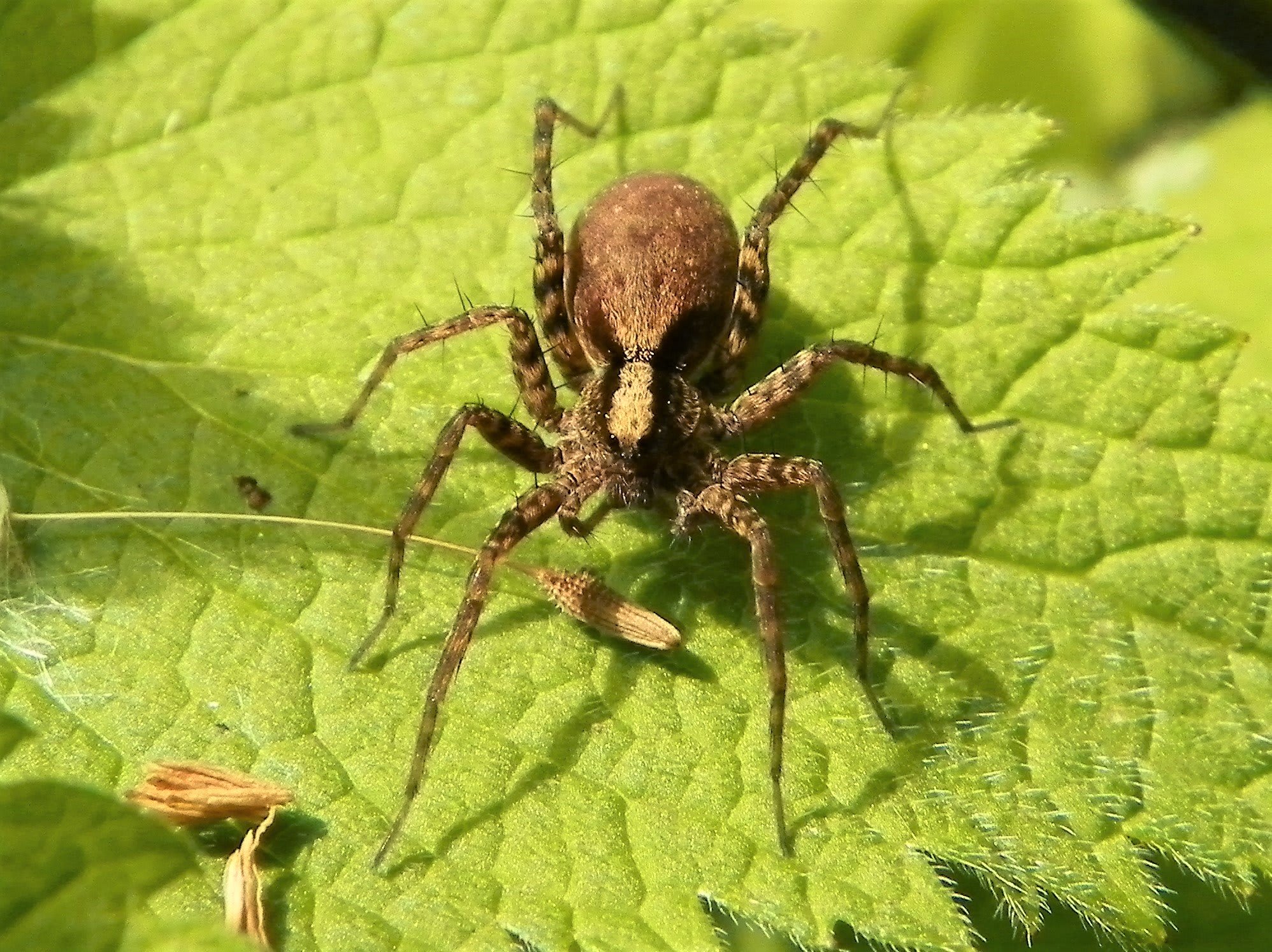
Some spiders are built to withstand freezing temperatures. These cold-hardy varieties produce antifreeze-like chemicals in their bodies, preventing ice crystals from forming. The wolf spider is a great example; it often stays active under leaf litter or snow.
Another cold-resistant spider is the funnel-web spider, which creates insulated webs close to the ground. Have you noticed spiders still moving outside during chilly days? These species have adapted to survive through natural insulation and chemical protection.
Migratory Patterns
Not all spiders stay put when the temperature drops. Some species migrate to warmer areas or seek shelter indoors to survive winter. The orb-weaver spider, for instance, often retreats into human structures or hidden crevices as cold weather approaches.
Do you find more spiders inside your home during fall? It’s likely due to their migratory urge to find cozy spots. Understanding these patterns helps you control unwanted spider guests by sealing entry points or reducing attractants like insects.

Credit: www.reddit.com
Frequently Asked Questions
How Do Spiders Stay Warm In Winter?
Spiders survive cold weather by producing antifreeze proteins, which prevent their cells from freezing. They seek shelter in warm places like leaf litter or crevices. Some species enter a state called diapause, slowing their metabolism to conserve energy. These adaptations help them endure harsh winter conditions effectively.
Do All Spiders Hibernate In Winter?
Not all spiders hibernate; some remain active during winter. Many seek shelter in warm areas, while others enter diapause to conserve energy. Species like house spiders can live indoors, maintaining activity throughout the cold months. Each spider’s winter survival strategy depends on its species and habitat.
Can Spiders Freeze To Death?
Spiders can freeze, but many produce antifreeze proteins to survive. These proteins prevent ice from forming in their bodies, allowing them to endure freezing temperatures. Spiders also seek out insulated environments to avoid extreme cold. These adaptations help spiders survive winter without freezing to death.
Where Do Spiders Go In Cold Weather?
In cold weather, spiders seek sheltered areas like leaf litter, crevices, or indoor spaces. These locations provide insulation from harsh temperatures. Some spiders enter diapause, slowing their metabolism for energy conservation. By finding warm hiding spots, spiders can effectively survive through winter months.
Conclusion
Spiders face many challenges in cold weather. They find warm places to hide and slow down their body. Some spiders build special webs to protect themselves. Staying safe from cold helps spiders live longer. You can help by leaving leaf piles or wood stacks outside.
These spots give spiders a warm shelter. Knowing how spiders survive cold helps us appreciate nature more. Small actions create a big difference for these tiny creatures. Cold weather is tough, but spiders have smart ways to cope. They remind us to adapt and stay strong.