Are you worried about your tomato plants when the temperature drops below 40 degrees? You’re not alone.
Many gardeners ask if their beloved tomatoes can survive such cold weather. The answer isn’t as simple as yes or no. Understanding how cold affects your plants can save your garden and help you grow healthier tomatoes. Keep reading to discover what really happens to tomato plants in chilly weather and how you can protect your green friends from the cold.
Your garden’s success depends on it!
Tomato Plant Temperature Limits
Tomato plants have specific temperature needs to grow healthy and produce fruit. Understanding their temperature limits helps protect them from damage and loss. Temperatures below 40 degrees Fahrenheit can stress tomato plants and affect their development. Knowing how cold affects these plants guides better care during chilly weather.
Ideal Growing Temperatures
Tomato plants grow best between 70°F and 85°F during the day. Night temperatures should stay above 55°F for optimal growth. This range supports flowering, fruit set, and overall plant health. Temperatures below 50°F slow down growth and reduce fruit production. Above 90°F, plants may stop flowering and drop fruit.
Effects Of Cold Stress
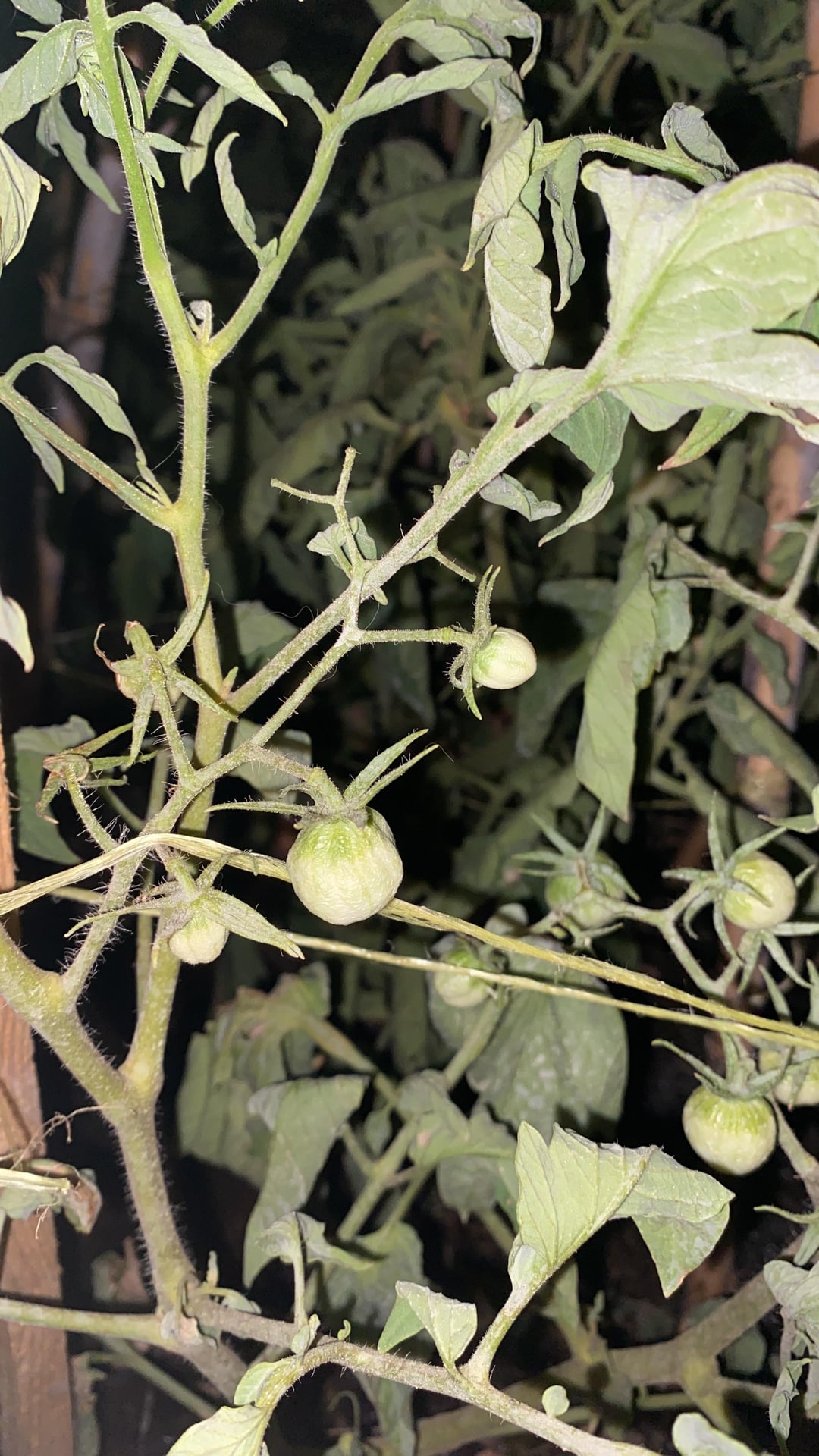
Cold stress weakens tomato plants and slows their metabolism. It can cause leaves to turn dark and wilt. Roots may stop absorbing nutrients properly. Prolonged exposure to temperatures below 40°F can kill young plants. Cold weather also reduces pollen viability, lowering fruit yield. Plants become more vulnerable to diseases after cold stress.
Signs Of Cold Damage
- Leaves turn dark green or purple and become limp.
- Yellowing or browning of leaf edges appears.
- Fruit may fail to develop or become blotchy.
- Stems become weak and may show black spots.
- Plant growth slows or stops completely.

Credit: www.reddit.com
Survival Below 40 Degrees
Tomato plants usually struggle in cold weather. Temperatures below 40 degrees Fahrenheit can harm their growth. Understanding how tomato plants survive these conditions helps gardeners protect them better.
Cold Tolerance Of Varieties
Some tomato varieties handle cold better than others. Heirloom types often have less cold tolerance. Hybrid tomatoes may resist chilly weather more effectively. Selecting cold-tolerant varieties increases survival chances below 40 degrees.
Short-term Vs Long-term Exposure
Tomatoes can survive short cold spells if protected. A sudden drop below 40 degrees might cause stress but not kill the plant. Prolonged exposure to cold weakens tomato plants and damages leaves and fruit. Consistent cold reduces their ability to recover.
Microclimate Influence
Microclimates affect how tomatoes endure cold. Areas with walls or fences can trap heat and protect plants. Sunny spots tend to warm faster during the day. Gardens sheltered from wind reduce the risk of cold damage. Using microclimate benefits helps tomatoes survive better.
Protecting Tomato Plants
Tomato plants are sensitive to cold temperatures below 40 degrees Fahrenheit. Protecting them during cold spells is essential to keep them healthy and productive. Several simple techniques can help shield tomato plants from cold damage. These methods create warmth and reduce stress on the plants.
Using Mulch And Covers
Mulch helps keep the soil warm and retains moisture. Spread a thick layer of straw, leaves, or grass clippings around the base of the plants. This acts as insulation against cold soil temperatures.
Covering plants with frost cloths, old sheets, or plastic can trap heat. Make sure the covers do not touch the leaves directly. Use stakes or frames to keep covers elevated. Remove covers during the day to allow sunlight and air circulation.
Creating Warm Microclimates
Place tomato plants near warm structures like walls or fences. These surfaces absorb heat during the day and release it at night. Group plants close together to share warmth and reduce wind exposure.
Use rocks or bricks around plants to store heat. They absorb sunlight and slowly release heat during cold nights. This helps maintain a slightly warmer environment for the tomatoes.
Indoor Relocation Strategies
Moving tomato plants indoors during cold spells can save them from frost. Place plants near bright windows or under grow lights to ensure enough light.
Avoid placing plants near cold drafts or heating vents. Maintain temperatures above 50 degrees Fahrenheit indoors. This keeps the plants comfortable and prevents cold damage.
Soil And Water Management In Cold
Managing soil and water effectively can make a big difference in helping your tomato plants survive when temperatures dip below 40 degrees. Cold weather stresses these plants, but the right soil and water care can keep them healthier and more resilient. Understanding how to balance moisture and maintain soil temperature is key to protecting your garden from the chill.
Moisture Control
Keeping the soil evenly moist without overwatering is crucial. Cold soil holds moisture longer, so avoid soggy conditions that can lead to root rot. Check the soil regularly by sticking your finger about an inch deep; it should feel damp but not wet.
Mulching around your tomato plants helps retain moisture and prevents the soil from drying out too quickly. Organic mulches like straw or shredded leaves also insulate the roots from sudden temperature drops. Have you tried using mulch to create a stable environment for your plants during cold snaps?
Soil Temperature Maintenance
Tomato roots thrive best in soil that stays above 50 degrees Fahrenheit, even if the air temperature is lower. You can use black plastic sheets or garden fabric to warm the soil during the day and hold heat at night. Another trick is placing water-filled containers near your plants; water absorbs heat during the day and releases it slowly when it cools.
Raised beds also help keep the soil warmer since they drain better and absorb sunlight more effectively. If you’ve noticed your tomato plants struggling in cold weather, experimenting with these soil-warming techniques might make a noticeable difference.
Choosing Cold-hardy Tomato Varieties
Choosing cold-hardy tomato varieties is key to growing tomatoes in chilly weather. Some tomato plants handle cold better than others. Selecting the right variety increases your chance of success when temperatures drop below 40 degrees. Cold-tolerant tomatoes can survive light frosts and still produce fruit. Focus on varieties bred for cooler climates or shorter growing seasons. These plants mature faster and resist cold damage.
Recommended Varieties
- Early Girl:Matures quickly and tolerates cool nights well.
- Stupice:A Czech variety known for cold tolerance and early harvest.
- Glacier:Developed for short seasons and cooler temperatures.
- Legend:Hardy and productive even with sudden cold snaps.
- Siberian:Thrives in cold climates and resists frost.
Seed Selection Tips
- Choose seeds labeled for cold or short-season growing.
- Buy from trusted suppliers with good reviews.
- Pick varieties that mature in 55 to 65 days.
- Look for disease-resistant traits to improve plant health.
- Start seeds indoors to give plants a strong head start.
Timing And Planting Adjustments
Tomato plants need careful timing and planting changes to survive cold weather below 40 degrees. Adjusting when and how you plant helps protect seedlings from frost. Proper timing can give plants a stronger start and better growth in cooler climates.
Starting Seeds Indoors
Start tomato seeds indoors 6 to 8 weeks before the last frost date. Use a warm spot with plenty of light to help seeds sprout. Keep soil moist but not soggy. Indoor starting protects young plants from cold weather and gives them a head start.
Move seedlings to bigger pots once they grow two sets of leaves. This helps roots develop well before outdoor planting.
Delayed Outdoor Transplanting
Wait to transplant tomato seedlings outside until the soil warms above 50 degrees Fahrenheit. Cold soil slows growth and can damage roots. Delay planting to avoid frost damage and cold stress on plants.
Use protective covers like row blankets or cloches during unexpected cold nights. This extra layer helps maintain warmth around young plants. Transplant on a sunny, calm day to reduce shock and help plants settle faster.
Common Mistakes To Avoid
Tomato plants are sensitive to cold weather. Many gardeners make mistakes that harm their plants during chilly days. Avoiding these errors helps tomato plants survive temperatures below 40 degrees. Understanding common mistakes can save your crop and improve growth.
Overwatering In Cold Weather
Cold soil slows down water absorption. Overwatering causes roots to stay wet for too long. This leads to root rot and weak plants. Water only when the top inch of soil feels dry. Use small amounts to avoid waterlogging. Proper watering helps tomato plants stay healthy in cold weather.
Ignoring Frost Warnings
Frost can kill tomato plants quickly. Many gardeners ignore frost alerts and lose their crops. Cover plants with cloth or plastic when frost is expected. Move potted tomatoes indoors or to a sheltered spot. Taking simple precautions prevents frost damage and keeps plants alive.

Credit: www.reddit.com
:max_bytes(150000):strip_icc()/GettyImages-1682181526-7b3ee1de16b743f0beab9afc9c4b933e.jpg)
Credit: www.thespruce.com
Frequently Asked Questions
Can Tomato Plants Tolerate Temperatures Below 40 Degrees?
Tomato plants struggle in temperatures below 40 degrees Fahrenheit. Cold weather can stunt their growth and damage foliage. It’s crucial to provide protection, such as using row covers or moving potted plants indoors, to ensure they survive and thrive when temperatures drop unexpectedly.
What Temperature Is Too Cold For Tomato Plants?
Tomato plants find temperatures below 50 degrees Fahrenheit challenging. When temperatures dip below this, growth slows down significantly. Prolonged exposure to cold can cause wilting, yellowing leaves, and even plant death. It’s essential to monitor weather forecasts and take protective measures when needed.
How Can I Protect Tomatoes From Cold Weather?
To shield tomatoes from cold, use frost blankets or row covers. You can also mulch around the base to retain heat. For potted plants, consider bringing them indoors or into a greenhouse. These methods can help maintain a warmer environment, safeguarding plants from cold damage.
Do Tomato Plants Recover From Cold Damage?
Tomato plants can recover from mild cold damage with proper care. Trim affected leaves and ensure optimal growing conditions. Gradually exposing them to warmer temperatures can aid recovery. Consistent watering and feeding will also support their health. However, severe cold damage may be irreversible, necessitating new plantings.
Conclusion
Tomato plants struggle to survive below 40 degrees Fahrenheit. Cold temperatures can damage their leaves and slow growth. Protecting plants with covers or moving them indoors helps. Choosing cold-tolerant tomato varieties can improve chances. Watch the weather forecast and act early.
Healthy plants need warmth and sunlight to thrive. Growing tomatoes in cold weather takes care and attention. With the right steps, you can keep tomato plants alive. Don’t let the cold stop your gardening efforts. Keep trying and learning for better results next season.