Have you ever wondered if turtles can live without water? It’s a question that might surprise you.
You may think turtles need water all the time, but the truth isn’t that simple. Understanding how turtles survive without water can change the way you care for them or how you see these fascinating creatures. Keep reading, and you’ll discover some surprising facts that could change everything you thought you knew about turtles and their relationship with water.
Turtle Species And Water Needs
Turtles come in many shapes and sizes, and their need for water varies widely depending on their species. Understanding the difference between aquatic and terrestrial turtles can help you provide the right care or simply satisfy your curiosity about how they survive. Let’s look at how different turtles rely on water and what makes their habitats unique.
Aquatic Vs. Terrestrial Turtles
Aquatic turtles spend most of their time in water. They rely on it for swimming, feeding, and even breathing through specialized skin or cloacal respiration. For example, red-eared sliders are well-known aquatic turtles that need constant access to clean water to thrive.
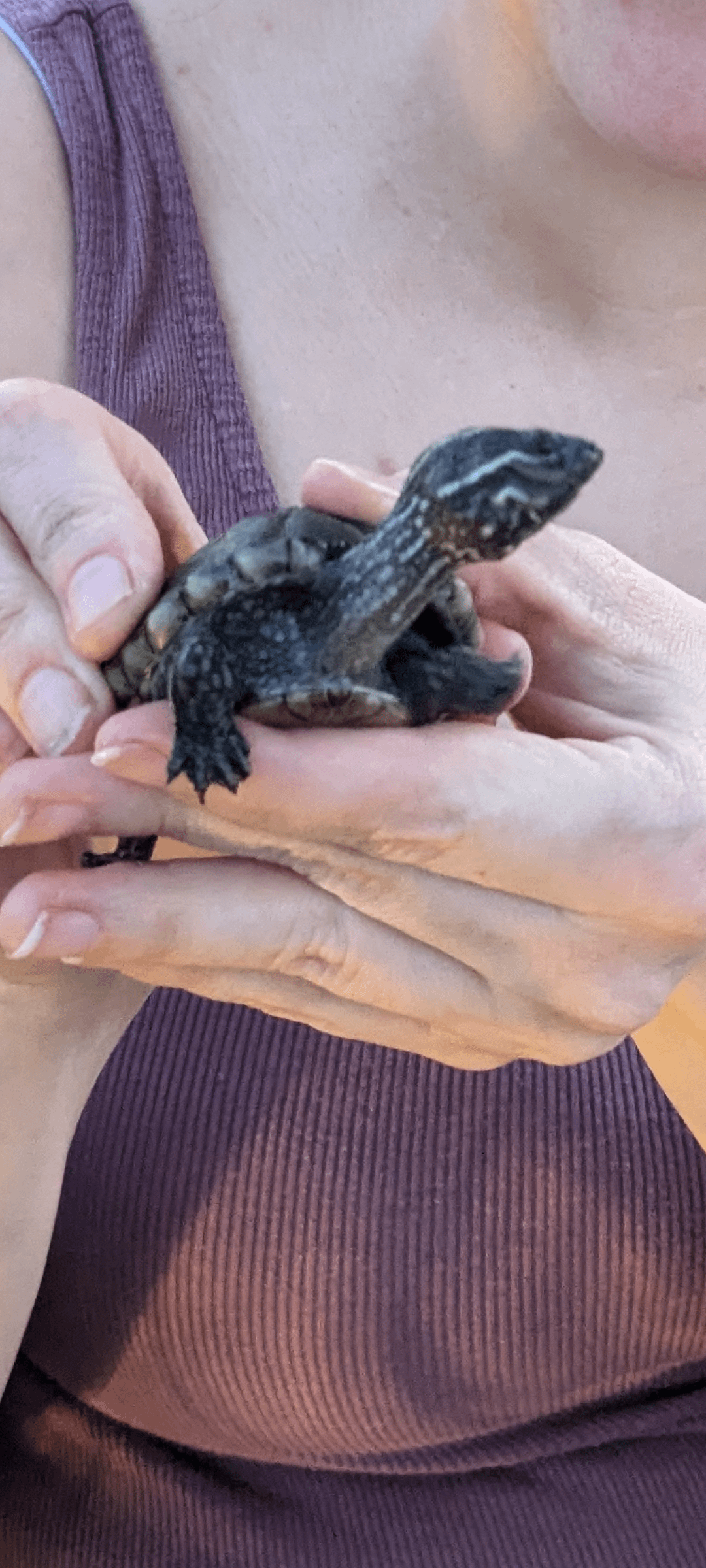
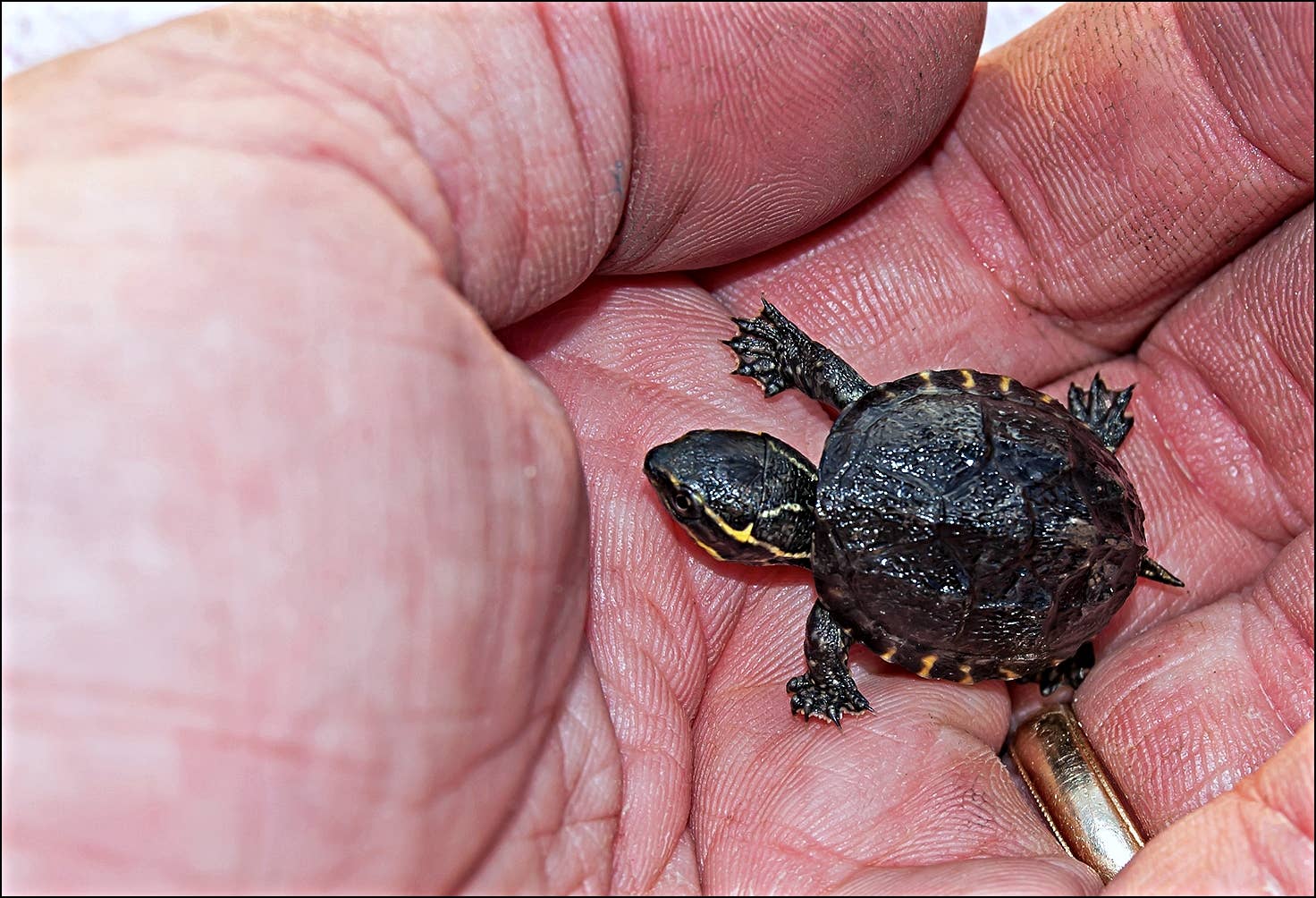
On the other hand, terrestrial turtles, like box turtles, live primarily on land. They do need water to drink and keep their skin moist but do not depend on swimming or being submerged. Their habitats usually include moist soil and shaded areas to prevent dehydration.
Do you know which type of turtle you’re dealing with? This knowledge can help you understand their water needs better.
Adaptations To Different Habitats
Different turtles have evolved specific adaptations to survive in their environments. Aquatic turtles have webbed feet or flippers to help them swim efficiently. Their shells are streamlined to reduce water resistance.
Terrestrial turtles have sturdier legs and domed shells that protect them from predators on land. They also have behaviors like burrowing or seeking shade to avoid drying out.
These adaptations show how turtles balance their water needs with their surroundings. Have you ever seen a turtle digging a burrow or basking near a pond? Observing these behaviors can reveal a lot about their survival strategies.
Water’s Role In Turtle Survival
Water plays a crucial role in the survival of turtles, affecting various aspects of their daily life. Without access to water, turtles face significant challenges that can impact their health and longevity. Understanding water’s importance helps you care better for these resilient creatures.
Hydration And Temperature Regulation
Turtles rely on water to stay hydrated, which is vital for their bodily functions. Dehydration can lead to serious health issues, including kidney failure and lethargy.
Water also helps turtles regulate their body temperature. Since turtles are cold-blooded, they depend on water to cool down or warm up, depending on their environment.
Have you ever noticed a turtle basking in the sun and then dipping into the water? This behavior is a natural way for them to maintain a stable body temperature.
Feeding And Digestion
Water is essential for turtles’ feeding habits and digestion. Many aquatic turtles hunt and consume prey in water, which helps them capture food efficiently.
Even land turtles need water to soften their food, making digestion easier and nutrient absorption more effective.
Without adequate water, turtles can suffer from constipation or malnutrition, as their digestive systems struggle to process dry food.
How Long Can Turtles Go Without Water?
Turtles need water to live, but some can survive without it for a while. The time a turtle can go without water depends on its species and environment. Water is crucial for their hydration, digestion, and temperature control. Yet, some turtles adapt to dry conditions better than others. Understanding how long turtles can survive without water helps in caring for them properly.
Species That Tolerate Dry Conditions
Some turtles live in dry areas and handle little water well. These species have special traits to survive droughts. Examples include:
- Box turtles – They live on land and get moisture from food.
- Desert tortoises – They store water and dig burrows to stay cool.
- Wood turtles – They spend time on land and can survive short dry periods.
These turtles can stay without water for weeks or months. They reduce activity and conserve water inside their bodies.
Signs Of Dehydration In Turtles
Turtles show clear signs when they lack water. Watch for these symptoms:
- Sunken eyes or dull skin color
- Dry or cracked shell
- Loss of appetite and weakness
- Reduced movement and lethargy
- Sticky or dry mouth and nose
Dehydration can cause serious health problems. Providing fresh water regularly is vital for turtle health.
Credit: pethelpful.com
Turtle Behavior In Dry Environments
Turtles are often linked with water, but many species adapt surprisingly well to dry conditions. Understanding how turtles behave in dry environments reveals their resilience and survival strategies. These behaviors help them manage the challenge of limited water access.
Burrowing And Estivation
Turtles use burrowing to escape harsh dry conditions. They dig into moist soil or hide under leaf litter to stay cool and retain moisture. This behavior reduces water loss and shields them from predators.
Estivation is a form of dormancy turtles enter during extreme dryness. Your turtle might slow its metabolism and remain inactive for weeks or months. This helps conserve energy and water until the environment improves.
Seasonal Water Availability
Turtles adjust their activity based on seasonal water changes. During wet seasons, they become more active, feeding and breeding near water sources. When water dries up, they retreat to safe, damp spots or burrows.
Have you noticed how your pet turtle behaves differently with the seasons? Their natural instincts guide them to survive dry spells by balancing activity and rest. Observing these patterns can help you provide better care.
Common Misconceptions About Turtles And Water
Turtles often get misunderstood about their water needs. Many believe turtles must live in water all the time. This is not true for all species. Some turtles can survive without constant water access. Misunderstandings can lead to poor care and harm. Knowing the facts helps provide better homes for turtles.
Myths About Turtles Needing Constant Water
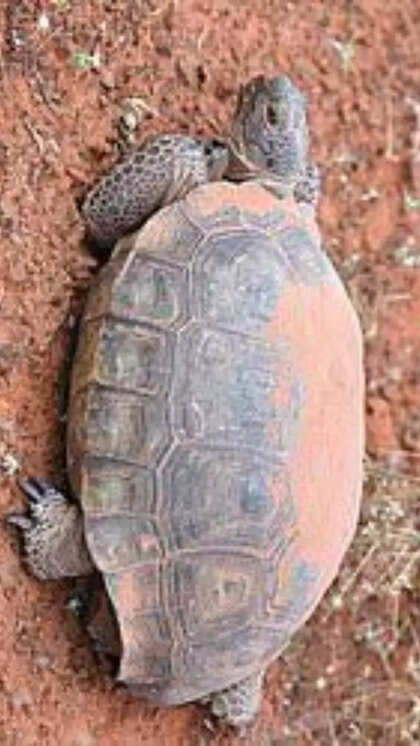
People think turtles always need water to survive. This is false. Some turtles, like box turtles, live mostly on land. They only need water to drink and soak occasionally.
Another myth is turtles swim all day long. Wild turtles spend hours on land for food and rest. Water is important but not their only home.
Not all turtles are aquatic. Many prefer dry places and burrows. Water is part of their life, not their whole life.
Differences Between Pet And Wild Turtle Care
Wild turtles adapt to their natural habitat. They find water and land themselves. Pets depend on humans for habitat setup.
Pet turtles need a balance of water and dry space. Aquatic turtles need water tanks for swimming and eating. Semi-aquatic turtles need both water and land areas.
Owners must learn species needs. Giving too much or too little water harms turtles. Proper care means mimicking their natural environment.
Credit: timesofindia.indiatimes.com
Tips For Keeping Turtles Healthy Without Constant Water
Keeping turtles healthy without constant access to water requires thoughtful care and attention to their unique needs. While turtles do rely on water for hydration and comfort, they can thrive in environments that balance dry land with occasional moisture. The key lies in creating habitats that support their natural behaviors and ensuring they stay properly hydrated without needing to be submerged all the time.
Creating Suitable Habitats
Design a habitat that mimics your turtle’s natural environment as closely as possible. Provide a mix of dry areas and damp spots so your turtle can choose where to rest and hydrate. Use materials like soil, sand, or moss to create comfortable dry zones, and include shaded areas to prevent overheating.
Consider adding a shallow water dish that’s easy for your turtle to access but shallow enough to avoid constant immersion. This encourages your turtle to drink and soak briefly without needing a full aquatic setup.
Have you noticed how turtles love to bask? Including a basking spot with gentle heat helps regulate their body temperature and supports healthy metabolism. This setup keeps your turtle active and reduces stress, which is essential when water access is limited.
Maintaining Proper Hydration
Hydration is critical even if your turtle isn’t living in water all the time. Offer fresh water daily in a shallow bowl, making sure it’s clean and easy for your turtle to reach. You can also mist your turtle lightly with water to help with hydration and prevent dry skin.
Feeding your turtle water-rich foods like leafy greens, cucumbers, and melons can boost hydration naturally. This is especially helpful if your turtle isn’t drinking much water on its own.
Have you tried soaking your turtle occasionally? A brief soak in lukewarm water, about 10-15 minutes, can replenish fluids and support shedding. Just be sure to supervise and keep the water shallow enough to prevent drowning risks.
Credit: timesofindia.indiatimes.com
Frequently Asked Questions
Can Turtles Live Without Water?
Turtles cannot survive without water for long. They need it for hydration and maintaining their bodily functions. Aquatic turtles require water for swimming, feeding, and digestion. Terrestrial turtles, while less dependent, also need access to water to stay healthy.
How Long Can Turtles Stay Out Of Water?
Turtles can stay out of water for a few days. However, their health can deteriorate quickly without hydration. Aquatic turtles are more sensitive to dehydration. They need regular access to water to thrive. Prolonged absence from water can cause severe health issues.
Do Turtles Need Water To Breathe?
Turtles can breathe air, but aquatic turtles need water to help regulate their breathing. They absorb some oxygen through their skin while submerged. This is crucial for their survival. Terrestrial turtles primarily rely on air but still require water for hydration.
What Happens If Turtles Lack Water?
If turtles lack water, they become dehydrated and stressed. This can lead to serious health problems, including organ failure. Their skin may dry out, and they might stop eating. Ensuring a consistent water supply is vital for their well-being.
Conclusion
Turtles need water to live and stay healthy. Some turtles can survive on land for a while. They store water inside their bodies to stay hydrated. Without water for too long, turtles can get sick or die. Water helps them cool down and find food.
So, water is very important for turtles’ survival. Taking care of their habitat means protecting water sources too. This keeps turtles safe and strong. Remember, water and turtles are closely connected.