When an emergency strikes, having the right food on hand can make all the difference for you and your loved ones. But what exactly should you buy to be prepared without wasting space or money?
You want food that lasts long, provides good nutrition, and is easy to store. You’ll discover the essential foods to keep in your emergency kit, helping you stay safe and comfortable when it matters most. Keep reading to find out how to build your perfect emergency food supply.

Credit: www.forbes.com
Non-perishable Staples
Non-perishable staples form the backbone of any emergency food supply. These foods last a long time without refrigeration or special storage. They provide essential nutrients and energy during tough times. Stocking up on these staples ensures you have reliable meals ready. Choose items that store well and suit your taste. Variety keeps your diet balanced and helps avoid meal fatigue.
Canned Vegetables And Fruits
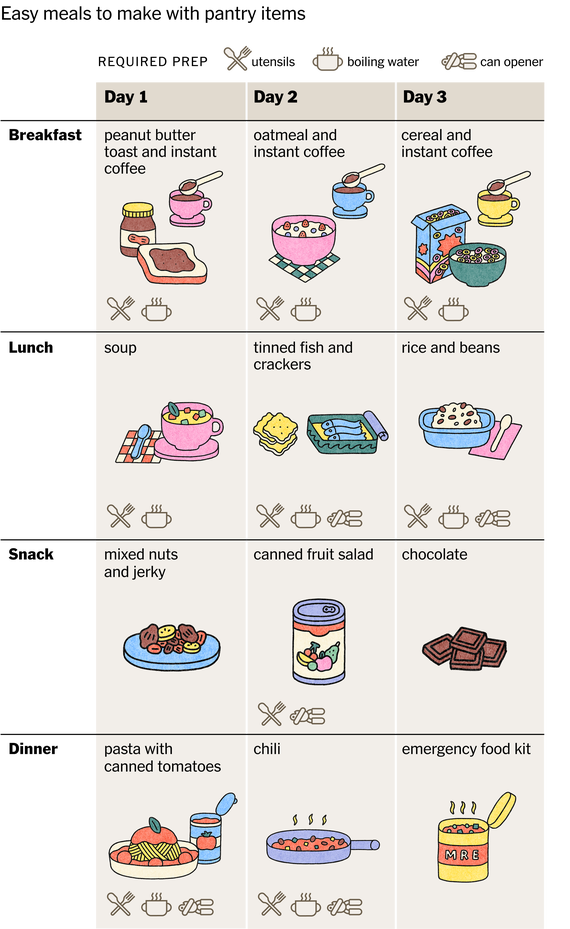
Canned vegetables and fruits offer convenience and long shelf life. They keep vitamins and minerals locked in. Canned tomatoes, corn, green beans, and peas are versatile options. Fruits like peaches, pineapple, and apples provide natural sweetness. Choose cans with easy-open lids for quick access. Check expiration dates and rotate stock regularly.
Dry Grains And Legumes
Dry grains and legumes are excellent sources of carbohydrates and protein. Rice, oats, quinoa, and barley store well for months or years. Beans, lentils, and chickpeas deliver fiber and essential nutrients. These items require water and cooking but fill you up. Store in airtight containers to keep pests and moisture out. Buying in bulk saves money and reduces packaging waste.
Shelf-stable Dairy Alternatives
Shelf-stable dairy alternatives provide calcium and protein without refrigeration. Powdered milk, evaporated milk, and shelf-stable plant milks last for months. Soy, almond, and oat milks come in sealed cartons. These products work well in cooking or drinking. Keep some on hand for recipes and morning cereals. Store in a cool, dry place away from sunlight.
Credit: www.forbes.com
High-energy Foods
High-energy foods are essential for emergencies. They provide the body with fuel to keep going. These foods store well and offer quick energy. They help maintain strength and focus during tough times. Choosing the right high-energy foods ensures better survival and comfort.
Nuts And Seeds
Nuts and seeds are rich in healthy fats and protein. They keep hunger away for a long time. These foods are lightweight and easy to store. Examples include almonds, walnuts, sunflower seeds, and pumpkin seeds. They can be eaten raw or roasted for better taste.
Energy Bars And Trail Mix
Energy bars offer a quick, compact source of calories. They often contain nuts, grains, and dried fruit. Trail mix combines nuts, seeds, and dried fruits. It is a natural source of energy and fiber. Both options are easy to carry and consume on the go.
Nut Butters
Nut butters like peanut and almond butter are dense in calories. They provide fats, protein, and essential nutrients. Nut butters are versatile and can be spread or eaten alone. Store them in sealed containers for longer shelf life. They are a good option for sustained energy.
Ready-to-eat Meals
Ready-to-eat meals are essential for emergency food supplies. They need no cooking or minimal preparation. These meals provide quick, nutritious energy during power outages or natural disasters. They also have a long shelf life, making them ideal for storage.
Freeze-dried Options
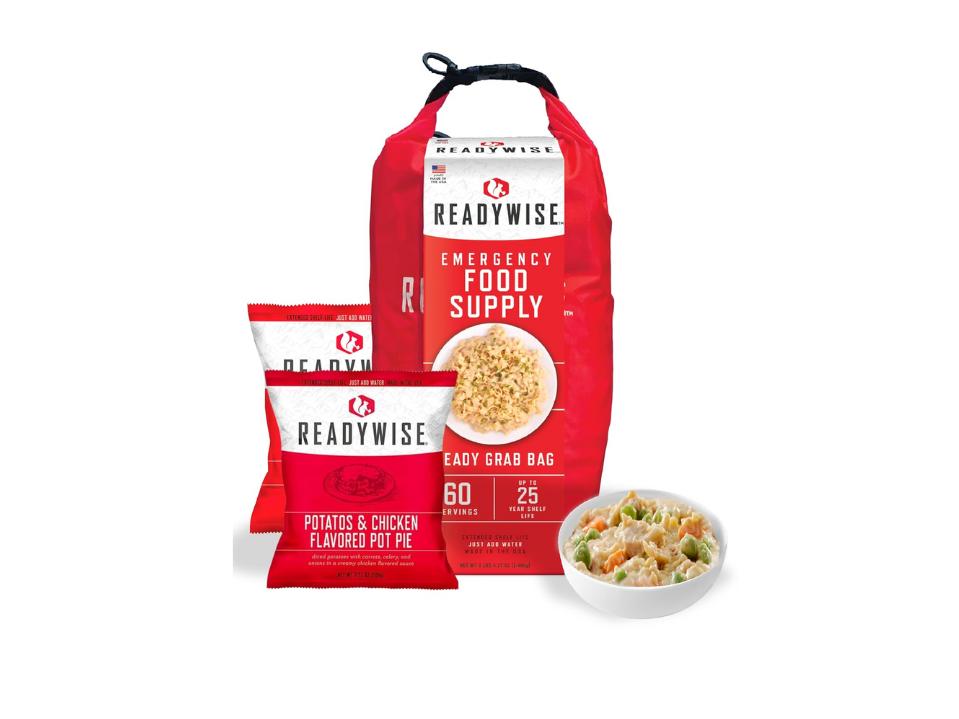
Freeze-dried meals keep most nutrients and flavor. Water removes from food at very low temperatures. This process preserves food for years without refrigeration. Just add hot water, wait a few minutes, and the meal is ready. Freeze-dried options include fruits, vegetables, meat, and complete dishes.
Mres (meals Ready To Eat)
MREs are military-style meals designed for easy use. Each package contains a main dish, snacks, and a heating element. They do not require cooking or refrigeration. MREs are high in calories and balanced for nutrition. They are compact and convenient for emergency kits.
Instant Soups And Noodles
Instant soups and noodles are lightweight and quick to prepare. Just add hot water and wait a few minutes. They come in many flavors and varieties. These meals provide warmth and comfort during tough times. They are a smart addition to any emergency food supply.

Credit: trueprepper.com
Hydration Essentials
Hydration is crucial during emergencies. Your body needs water to function, especially when stress and conditions can increase dehydration risk. Planning what to buy for hydration can make a big difference in how well you cope.
Bottled Water
Bottled water is the most straightforward hydration option. It’s easy to store and use right away without any preparation.
Keep a supply of sealed bottles with long shelf lives. Look for bottles made from BPA-free plastic to avoid chemicals leaching into the water over time.
Think about how much water each person needs daily. The general recommendation is one gallon per person per day for drinking and basic hygiene.
Water Purification Tablets
Water purification tablets are lifesavers when clean water isn’t available. They make questionable water sources safe to drink.
These tablets are lightweight and compact, perfect for emergency kits or backpacks. Just drop them into water, wait the recommended time, and you have safe drinking water.
Have you checked the expiration dates on your tablets? Old tablets lose effectiveness, so replace them regularly to stay prepared.
Electrolyte Drinks
Electrolyte drinks help replace salts and minerals lost through sweat or illness. Staying hydrated isn’t just about water; your body needs these minerals too.
Powdered electrolyte mixes are a smart buy. They take up little space and can be added to water as needed.
Choose options with low sugar to avoid dehydration from excess sugar intake. Have you considered how electrolyte balance affects your energy and recovery in emergencies?
Special Dietary Needs
Special dietary needs require careful planning for emergency food supplies. People with allergies, infants, or those avoiding gluten need safe and nutritious options. Stocking the right foods helps ensure health and comfort during tough times.
Gluten-free Choices
Gluten-free foods must be safe and easy to store. Choose items that last long and provide energy.
- Rice and quinoa
- Gluten-free oats
- Canned beans and lentils
- Nut butters
- Gluten-free pasta and crackers
Check labels carefully to avoid cross-contamination. Pack snacks that are simple and ready to eat.
Baby And Infant Foods
Babies need special foods that are gentle and nutritious. Include formula, baby cereals, and pureed fruits.
- Powdered or ready-to-feed formula
- Jarred or pouch purees
- Infant rice cereal
- Teething biscuits
- Water and sterilized bottles
Rotate foods to keep supplies fresh. Always have enough for several days or weeks.
Allergy-friendly Items
Allergy-friendly foods protect from reactions and provide nutrition. Avoid common allergens like nuts, dairy, and soy if needed.
- Allergen-free granola bars
- Rice cakes
- Canned vegetables and fruits
- Meat or vegetable broths
- Alternative milk such as oat or coconut milk
Label foods clearly and store them separately. Keep emergency medication handy in case of exposure.
Storage And Rotation Tips
Proper storage and rotation of emergency food supplies keep them fresh and safe. It reduces waste and ensures you always have good food ready. Organizing food properly helps during emergencies when quick access matters.
Proper Packaging
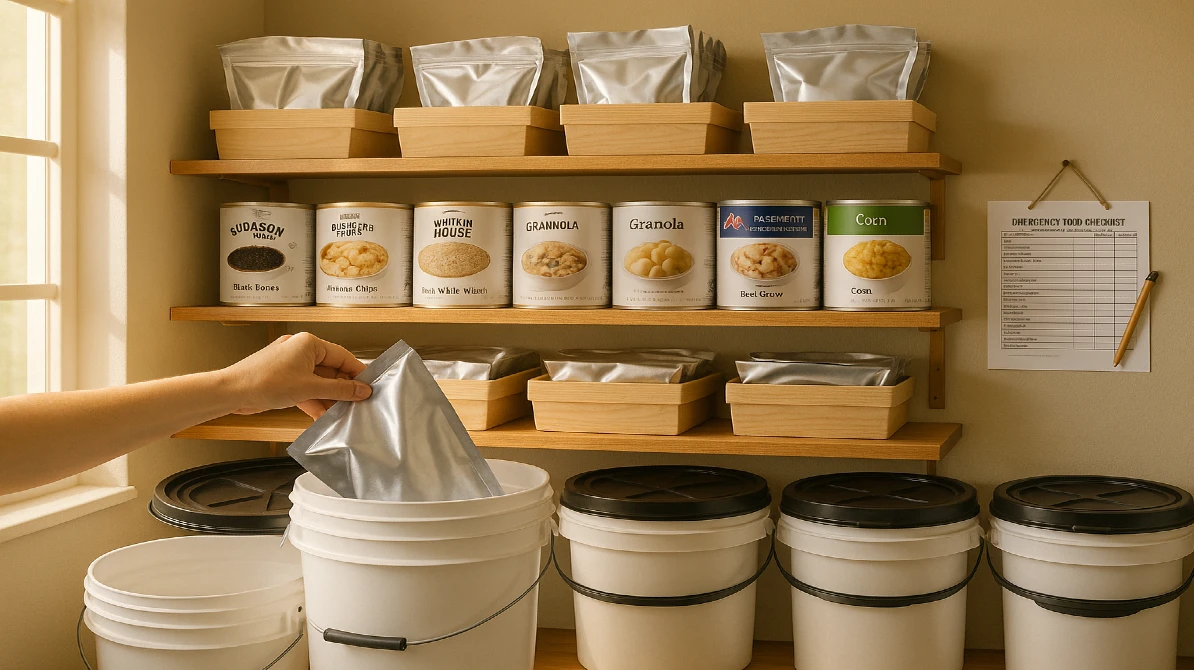
Choose airtight containers to protect food from moisture and pests. Use vacuum-sealed bags or jars for dry goods. Label each package with the content and date of storage. Avoid storing food in open or damaged packaging. Keep packaging clean and sealed tightly.
Shelf Life Management
Note expiration dates clearly on all items. Store newer food behind older supplies to use older items first. Check your stock regularly for expired or damaged food. Replace expired items promptly to maintain a fresh supply. Rotate canned and dry goods every 6 to 12 months.
Organizing Your Supplies
Sort food by type and use for easy access. Keep heavy items on lower shelves for safety. Use clear bins or labeled boxes to group similar foods. Maintain a checklist of all stored items and update it regularly. Store food in a cool, dry place away from sunlight.
Frequently Asked Questions
What Are The Best Non-perishable Foods For Emergencies?
Non-perishable foods are essential for emergencies. Stock up on canned goods, dried fruits, nuts, and grains. These items have a long shelf life and are nutrient-dense. They provide essential energy and nutrition when fresh food is unavailable. Make sure to rotate your stock regularly to ensure freshness.
How Much Water Should I Store For Emergencies?
It’s recommended to store at least one gallon of water per person per day. This amount covers both drinking and sanitation needs. Aim for a minimum of three days’ supply. Remember to check expiration dates on bottled water and replace them as needed to ensure safety.
What Are Essential Proteins To Store For Emergencies?
Canned beans, tuna, and chicken are great protein sources for emergencies. These items are easy to store and have a long shelf life. They provide essential nutrients and energy. Consider including protein bars and powdered milk as additional options for variety and nutrition.
Can I Include Snacks In My Emergency Food Supply?
Yes, snacks can be part of your emergency food supply. Opt for healthy options like granola bars, nuts, and dried fruits. These snacks are nutritious, easy to store, and provide a quick energy boost. Avoid snacks with high sugar content, as they may not sustain energy levels effectively.
Conclusion
Choosing the right food for emergencies keeps you safe and ready. Pick items that last long and need little water or heat. Canned goods, dried fruits, and nuts are smart choices. Don’t forget to include some comfort foods too. Store enough for all family members and rotate supplies regularly.
Planning ahead reduces stress during tough times. Stay prepared, stay calm, and protect your loved ones. Simple steps make a big difference when emergencies happen.