Imagine waking up one day without access to your usual grocery store or kitchen supplies. How would you feed yourself and your family?
Having emergency food stores isn’t just about being ready for the unexpected—it’s about protecting your peace of mind and health when things go wrong. You might think it won’t happen to you, but emergencies can strike anytime, anywhere. You’ll discover why building your own emergency food supplies is a smart, simple step that could make all the difference when you need it most.
Keep reading to learn how you can stay prepared and secure no matter what comes your way.

Credit: trueprepper.com
Need For Emergency Food Stores
Having emergency food stores is a key part of being ready for uncertain times. Emergencies can come without warning and disrupt daily life. Food is a basic need that must be met even in tough situations. Proper food storage helps ensure safety and comfort during emergencies.
Unpredictable Natural Disasters
Natural disasters like floods, earthquakes, and storms can strike suddenly. They may block access to stores and food supplies. Emergency food stores provide a reliable source of nutrition. They help people stay strong and healthy when help is delayed.
Supply Chain Disruptions
Supply chains can break down due to many reasons. Transportation delays, factory shutdowns, or political issues can limit food availability. Having a food reserve reduces reliance on outside sources. It keeps families fed during times of shortage.
Power Outages And Food Spoilage
Power cuts often cause refrigerators to stop working. Fresh food can spoil fast without electricity. Emergency food stores contain non-perishable items that last long. This prevents hunger and food waste during outages.
Preparedness For Extended Emergencies
Some emergencies last for days or weeks. Extended crises require more than short-term solutions. Emergency food stores offer enough supplies to cover longer periods. This helps maintain health and morale until normal conditions return.

Credit: ca.news.yahoo.com
Choosing The Right Emergency Foods
Choosing the right emergency foods is vital for preparedness. It ensures you have enough energy and nutrients during tough times. The right choices can keep you healthy and strong. Careful selection prevents waste and saves storage space. Focus on foods that last long and meet your body’s needs.
Non-perishable Food Options
Non-perishable foods do not spoil quickly. They are perfect for emergency storage. Examples include canned goods, dried beans, rice, pasta, and powdered milk. These foods stay safe without refrigeration. They are easy to store and use when needed.
Nutritional Balance And Variety
Eating a variety of foods helps you stay healthy. Include proteins, carbohydrates, fats, vitamins, and minerals. Balance prevents fatigue and illness. Mix canned vegetables, nuts, grains, and protein sources. Variety also keeps meals interesting and enjoyable.
Special Dietary Needs
Some people need special diets. This includes allergies, diabetes, or gluten intolerance. Stock foods that match these needs. Read labels carefully to avoid harmful ingredients. Preparing for special diets protects everyone’s health.
Long Shelf Life Considerations
Foods with a long shelf life reduce the risk of spoilage. Choose items sealed in airtight containers or cans. Store foods in a cool, dry place to extend freshness. Rotate stock regularly to use older items first. This practice ensures your emergency food is always safe to eat.
Proper Storage Techniques
Proper storage techniques are essential for maintaining the quality and safety of your emergency food stores. Without the right approach, even the best food supplies can spoil or become unusable. Taking time to store food correctly ensures your reserves remain ready when you need them most.
Ideal Storage Conditions
Temperature plays a crucial role in preserving emergency food. Aim to keep your food in a cool, dry place away from direct sunlight. A stable environment around 50-70°F (10-21°C) slows down spoilage and extends shelf life.
Humidity control is just as important. High moisture can cause mold or deterioration, so store food in areas with low humidity or use dehumidifiers if needed. Have you checked your storage space’s temperature and humidity lately?
Rotation And Expiry Management
Even emergency food has an expiration date. Organize your supplies so that you use the oldest items first. Label packages with purchase or expiration dates to avoid confusion and waste.
Set reminders to review your food stores every few months. Rotating stock keeps your emergency food fresh and prevents surprises when you open a package. What system do you use to keep track of your food’s freshness?
Safe Packaging Methods
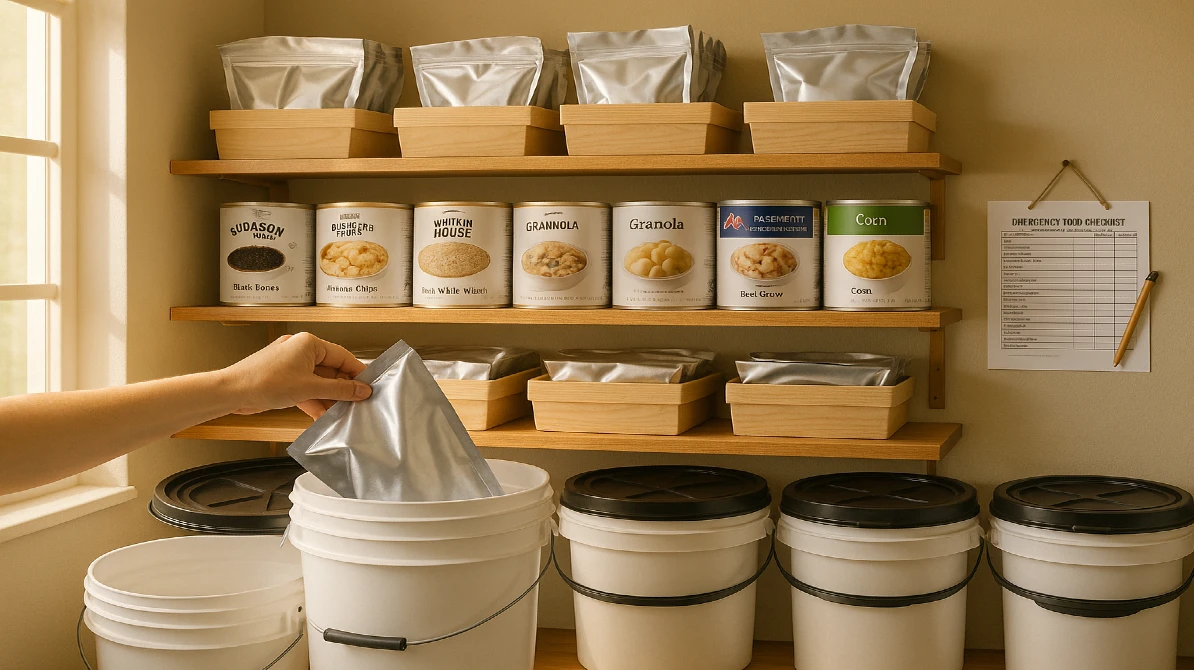
Proper packaging protects food from pests, moisture, and air exposure. Use airtight containers like Mylar bags with oxygen absorbers or vacuum-sealed packs. These options help maintain flavor and nutrition over time.
Glass jars with tight lids or heavy-duty plastic containers also work well for dry foods. Avoid storing food in thin plastic bags, which can tear easily and let in air or contaminants.
Space Optimization
Efficient use of space makes managing emergency food easier and ensures quick access. Stack containers neatly and label them clearly to find items without moving everything around. Consider shelving units to maximize vertical space.
Think about grouping similar items together, such as grains, canned goods, or freeze-dried meals. Organizing by category saves time during an emergency and helps you keep better control over your inventory. How could a better layout improve your food storage?
Emergency Food Safety Tips
Having emergency food stores is crucial, but keeping that food safe is just as important. Without proper safety measures, your emergency supplies could become harmful rather than helpful. These emergency food safety tips will help you protect your health and make sure your food stays edible when you need it most.
Sanitation And Hygiene
Clean hands are your first defense against foodborne illness. Always wash your hands thoroughly before handling any emergency food.
Keep your storage area clean and free from pests. Wipe down surfaces regularly and store food in sealed containers to prevent contamination.
Remember, even if food looks fine, poor hygiene can introduce bacteria. How often do you think about cleaning your emergency food space?
Safe Water Usage
Water safety is a top priority when preparing and consuming emergency food. Use only potable water for cooking and cleaning.
If you’re unsure about your water source, boil water for at least one minute to kill harmful germs. Storing bottled water is also a smart move for emergencies.
Consider how much water you’ll need not just for drinking but for food preparation too. Have you planned your water reserves carefully?
Avoiding Cross-contamination
Cross-contamination can ruin your food stores quickly. Keep raw and cooked foods separate at all times.
Use different utensils and cutting boards for different types of food, especially meats and vegetables. Label your containers clearly to avoid mix-ups.
Think about your last meal prep—did you keep raw and ready-to-eat foods apart? This habit is even more critical during emergencies.
Handling Food During Power Loss
Power outages are common in emergencies and can affect your food safety. Avoid opening refrigerators or freezers to keep cold air trapped inside as long as possible.
If the power is out for more than four hours, check perishable items carefully before consuming. When in doubt, throw it out.
Have non-perishable food options ready that don’t require refrigeration. How well prepared are you to handle a sudden loss of power?
Additional Preparedness Measures
Having emergency food stores is just one part of being ready for unexpected events. Other important steps help keep you and your family safe and calm during crises. These extra measures make your preparation stronger and more effective.
First Aid And Medical Supplies
Stocking first aid kits is essential. Include bandages, antiseptics, pain relievers, and any prescription medicines. Medical supplies help treat injuries and reduce health risks. Keep items organized and easy to find. Check expiration dates often and replace used or old products.
Emergency Cooking Solutions
Food stores need a way to be cooked or heated. Portable stoves, camping grills, or fuel-powered cookers work well. Choose options that are safe and easy to use indoors or outdoors. Having cooking tools ensures you can prepare meals even without electricity.
Communication And Planning
Clear communication is vital during emergencies. Keep a list of emergency contacts and share your plans with family members. Use radios, charged phones, or other devices to stay in touch. Planning helps everyone know what to do and where to go.
Regular Drills And Updates
Practice emergency plans regularly. Drills help identify problems and improve readiness. Review and update your food stores, supplies, and plans often. Staying current ensures you face emergencies with confidence and calm.
Credit: practicalselfreliance.com
Frequently Asked Questions
Why Store Emergency Food Supplies?
Storing emergency food ensures you’re prepared for unexpected situations like natural disasters or economic instability. It provides peace of mind knowing you have essential resources. Having a stockpile helps you maintain self-sufficiency and supports your family during crises. It’s a proactive approach to safeguarding your well-being.
How Long Can Emergency Food Last?
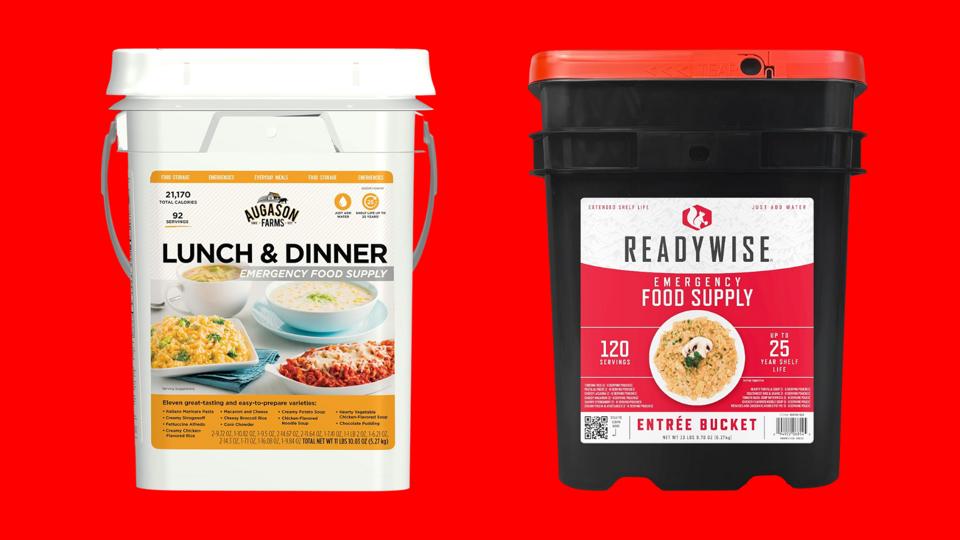
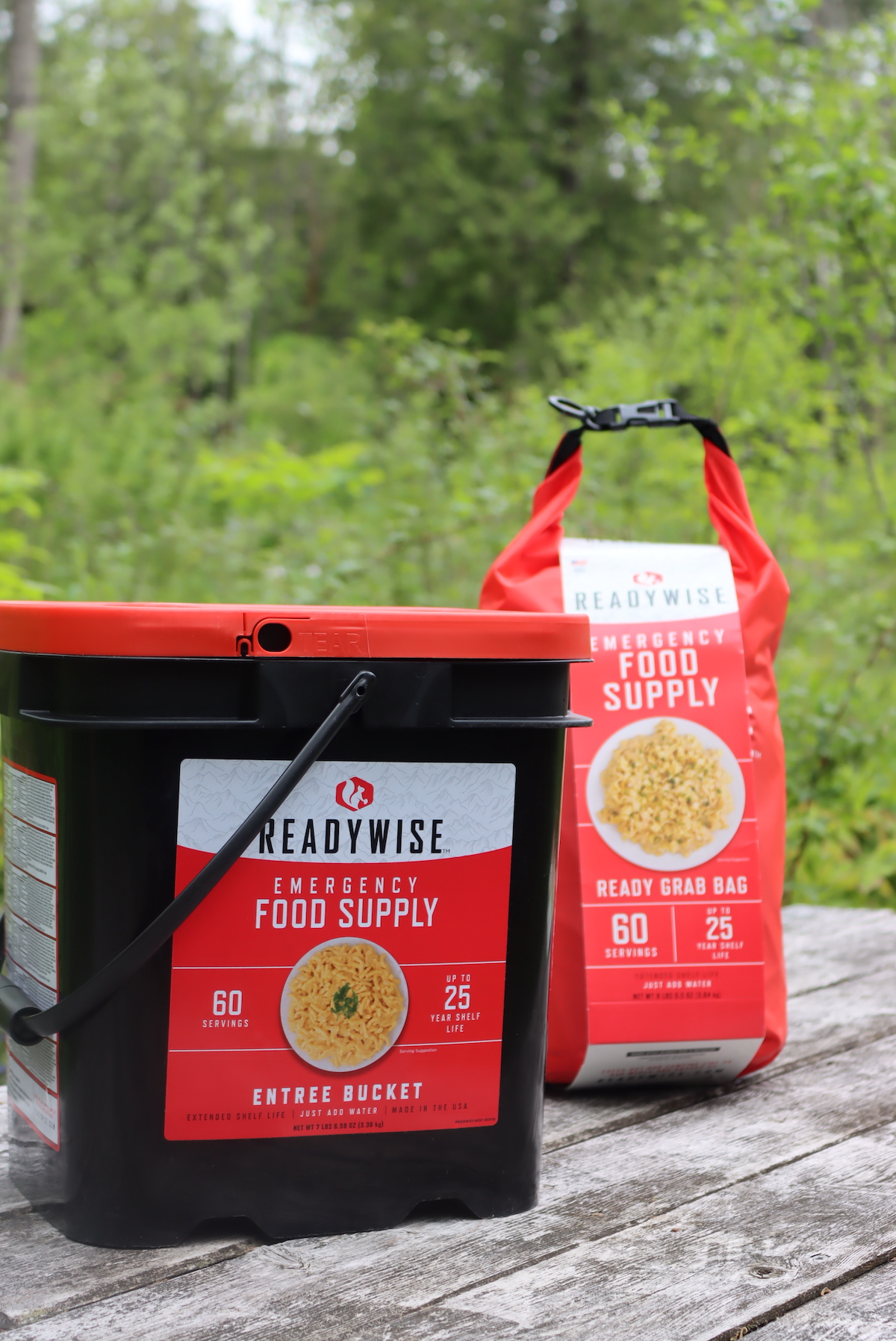
Emergency food can last from 1 to 25 years, depending on the product. Proper storage conditions like cool, dry environments extend shelf life. Always check expiration dates on packaging. Rotate your stock regularly to ensure freshness and safety. Long-lasting foods include freeze-dried meals, canned goods, and grains.
What Foods Should I Include In My Emergency Stash?
Include non-perishable items like canned goods, grains, nuts, and freeze-dried meals. Choose foods high in nutrition and calories. Don’t forget water, as it’s essential for survival. Consider dietary needs and preferences. Stock a variety of items to ensure balanced nutrition during emergencies.
How Much Emergency Food Is Enough?
Aim for at least a two-week supply per person in your household. Adjust based on local risks and personal comfort levels. Consider storage space and budget constraints. Monitor consumption rates and replenish supplies as needed. Having enough food ensures you’re prepared for extended emergencies.
Conclusion
Having emergency food stores ensures you stay safe during crises. It gives peace of mind knowing food is available anytime. Emergencies can happen without warning. Being prepared helps you avoid stress and hunger. Simple steps like storing non-perishable food make a big difference.
Keep your family nourished when supplies run low. Emergency food stores are a smart, practical choice. They help you face uncertain times with confidence. Don’t wait for disaster to start preparing. Safety begins with readiness.