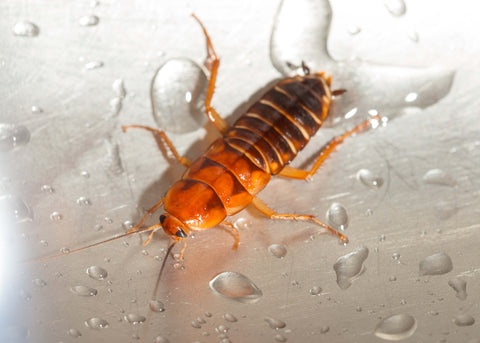
Have you ever wondered how long a cockroach can survive without water? It’s a question that might seem simple, but the answer could surprise you.
If you’re dealing with these persistent pests or just curious about their survival skills, understanding their water needs can give you an edge. Keep reading, because what you learn here might change how you think about keeping your home pest-free.

Credit: www.callnorthwest.com
Cockroach Survival Basics
Understanding the basics of cockroach survival helps you grasp just how resilient these pests can be. Their ability to live without water or food reveals a lot about their adaptability. Knowing these facts can change how you approach pest control and prevention.
Role Of Water In Cockroach Life
Water is essential for cockroaches, just like for any living creature. They need moisture to regulate their body functions and stay active. Without water, a cockroach’s survival time significantly decreases.
Interestingly, cockroaches can survive for about a week without water, but this depends on the environment’s humidity. In dry conditions, they become dehydrated quickly. Have you ever noticed cockroaches near sinks or leaky pipes? That’s because they seek out water sources constantly.
Comparison With Food Dependency
Cockroaches can survive much longer without food than without water. In fact, they can live up to a month without eating, relying on stored fat reserves. This shows how crucial water is compared to food for their immediate survival.
This difference means that cutting off water access is often more effective than just removing food sources. If you want to keep cockroaches away, consider fixing leaks and reducing moisture in your home. What simple steps can you take today to limit their water supply?

Credit: cockroachfacts.com
Water Deprivation Duration
Water deprivation duration is a key factor in understanding cockroach survival. Cockroaches need water to live but can endure without it for some time. Their ability to survive without water varies by species and environment. This section explores how long cockroaches can last without water and what affects this time.
Maximum Survival Time Without Water
Cockroaches can survive without water for up to one week. Some species may last slightly longer under ideal conditions. On average, most cockroaches live about 5 to 7 days without any water source.
They get moisture from food, but pure water is essential for longer survival. Without water, their bodily functions slow down. Eventually, dehydration causes death.
Factors Affecting Survival Span
- Species:Different species have varied tolerance to water loss.
- Temperature:High heat increases dehydration speed.
- Humidity:More humidity helps cockroaches conserve water.
- Access to Food:Moist food can extend survival without water.
- Age and Health:Younger and healthier cockroaches resist dehydration better.
Adaptations For Water Conservation
Cockroaches are among the toughest creatures on Earth, partly because they have unique ways to save water. Their survival without water for days depends on special adaptations that limit water loss and help them use moisture efficiently. Understanding these adaptations can change how you think about pest control and even inspire solutions for water conservation in other fields.
Physical Adaptations
Cockroaches have a tough, waxy outer shell that acts like a waterproof shield. This coating reduces water evaporation, helping them keep moisture inside their bodies longer than many other insects.
Their tiny breathing holes, called spiracles, can open and close to control water loss. When the air is dry, cockroaches close these spiracles tightly to prevent moisture from escaping.
Interestingly, their ability to absorb water vapor directly from the air allows them to survive in very dry conditions. This means they don’t always need liquid water to stay hydrated.
Behavioral Strategies
Cockroaches are smart about when and where they look for water. They often come out at night when humidity is higher, reducing the chance of drying out.
They tend to hide in moist areas like under sinks or near leaky pipes, places where water droplets or dampness are more likely to be found. Have you ever noticed them disappear during the day only to reappear near a water source at night?
When water is scarce, cockroaches reduce their activity to conserve energy and minimize water loss. You can think of this as a survival mode that helps them stretch limited resources.
Effects Of Dehydration
Dehydration affects cockroaches in many serious ways. Water is essential for their survival. Without it, their bodies start to shut down slowly. Understanding the effects of dehydration helps explain how cockroaches cope with dry conditions.
Physiological Impact
Dehydration causes a loss of body fluids in cockroaches. Their cells begin to shrink and lose function. This leads to reduced muscle strength and slower movements. The respiratory system also struggles without enough moisture. Eventually, vital organs fail due to lack of water. The cockroach’s body temperature may rise, causing stress. Prolonged dehydration results in permanent damage and death.
Behavioral Changes
Dehydrated cockroaches change how they act. They become less active and hide more often. Searching for water becomes their main focus. They avoid bright lights to reduce water loss. Their feeding habits may decrease since digestion needs water. Some cockroaches move closer to moist areas or sources of water. These changes help them survive longer without water.
Cockroach Water Sources
Cockroaches need water to survive. They find moisture in many places around homes and outdoors. Water helps them stay alive and active. Understanding where cockroaches get their water reveals how they live in tough conditions. These sources range from common spots to unexpected places. Knowing these helps in controlling their presence.
Common Hydration Sources
- Leaky pipes and faucets
- Condensation on windows or walls
- Water in sinks and drains
- Pet water bowls
- Wet mops and sponges
- Standing water in plant saucers
These common spots provide easy access to water for cockroaches. They often stay close to these areas to drink. Moisture from these sources keeps them alive for days without other water.
Unusual Water Sources
- Damp cardboard or paper
- Ice cubes melting in trash
- Water droplets on cold beverage cans
- Moisture inside food packaging
- Bathroom towels left damp
- Small puddles from air conditioners
Cockroaches can survive on tiny amounts of water from strange places. They extract moisture from damp materials and small droplets. These unusual sources show how adaptable cockroaches are in finding water.
Implications For Pest Control
Understanding how long a cockroach can survive without water offers valuable insight for controlling these persistent pests. Since cockroaches rely heavily on moisture, cutting off their water supply can weaken them significantly. This knowledge helps you design smarter pest control strategies that target their vulnerabilities effectively.
Using Water Deprivation Tactics
Targeting water sources is a practical way to make your home less inviting to cockroaches. Fix leaking pipes, wipe down sinks, and avoid leaving pet water bowls out overnight. Even small drops of water can sustain these pests for days, so maintaining dryness is key.
By removing easy access to moisture, you force cockroaches to venture out more frequently, increasing their exposure to traps and baits. Have you noticed roaches clustering near your kitchen sink? That’s a clear sign they’re thirsty. Addressing these hotspots can reduce their survival chances.
Combining Methods For Effectiveness
Water deprivation alone rarely solves a cockroach problem. Combining it with other control methods, like baiting and sealing entry points, creates a stronger defense. Baits become more effective when cockroaches are desperate for water, making them more likely to consume toxic gels.
Sealing cracks and crevices complements this approach by limiting their hiding spots and routes to moisture. Think about it: would you stay in a place with no food or water and no escape? Neither will cockroaches. Combining tactics gives you a better shot at long-term control.

Credit: www.callnorthwest.com
Frequently Asked Questions
How Long Can Cockroaches Live Without Water?
Cockroaches can survive up to one week without water. They require moisture to sustain their bodily functions. In dry environments, they may seek out sources of moisture to survive longer. Ensuring your home is free from water sources can help control cockroach infestations.
Do Cockroaches Need Water More Than Food?
Yes, cockroaches need water more than food to survive. They can live up to a month without food but only about a week without water. Maintaining dry environments can significantly reduce their chances of survival.
How Do Cockroaches Find Water In Homes?
Cockroaches are attracted to moisture-rich areas like kitchens and bathrooms. They often find water in leaky pipes, sinks, and wet floors. Keeping these areas dry and repairing leaks can help prevent cockroach infestations.
Can Cockroaches Absorb Water From The Air?
Cockroaches can absorb moisture from humid environments to some extent. However, they still require direct water sources to thrive. Reducing humidity levels in your home can make it less hospitable for cockroaches.
Conclusion
Cockroaches can survive several days without water, but not long. They need moisture to live and stay active. Without water, their bodies dry out quickly. This limits how long they can survive. Knowing this helps control infestations better. Keep your home dry to make it less inviting.
Small efforts can reduce cockroach problems significantly. Understanding their limits gives you an advantage. Stay informed and protect your living space.