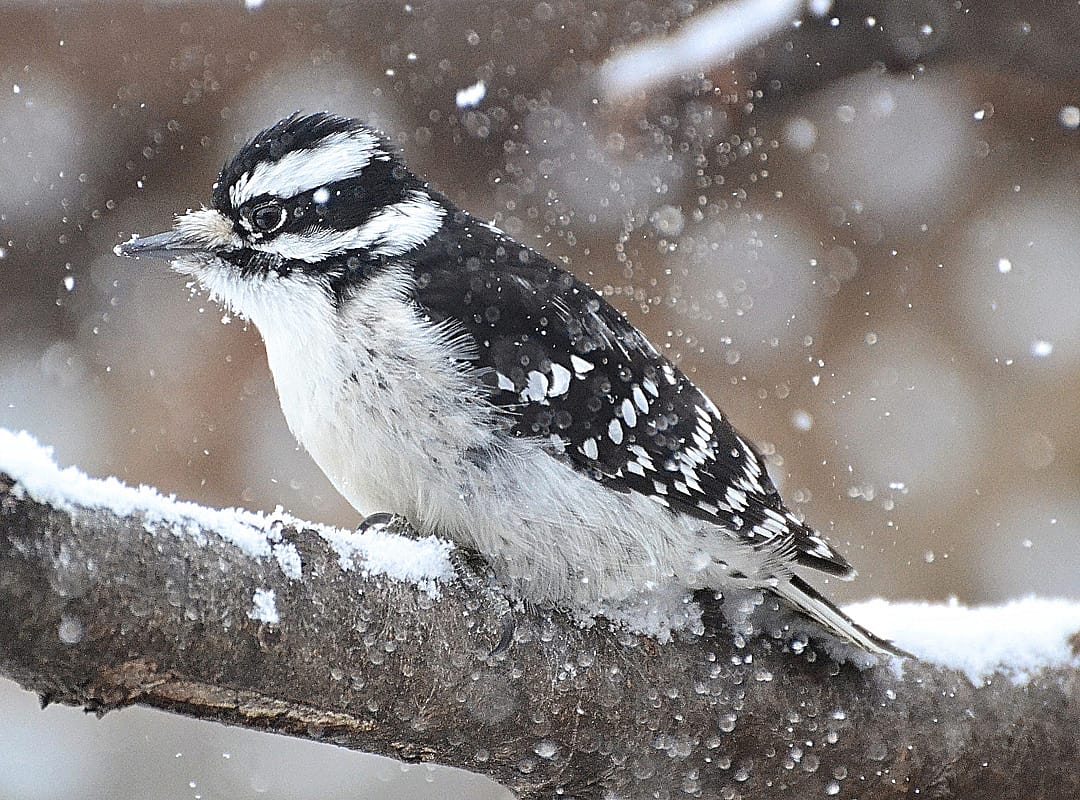
Have you ever wondered how birds manage to stay alive and active when the cold weather sets in? While you might bundle up with layers and a warm drink, birds face chilling temperatures without a coat or heater.
Understanding their secret survival tricks can surprise you and change the way you see these feathered friends. Keep reading to discover the fascinating ways birds beat the cold and what you can learn from their amazing adaptations.
Feather Insulation
Feather insulation plays a critical role in how birds survive the cold weather. Their feathers create a natural barrier that traps heat close to their bodies. This insulation keeps them warm even during harsh winter conditions, allowing them to stay active and healthy.
Down Feathers And Warmth
Down feathers are soft and fluffy, located beneath the outer feathers. They trap air, which acts as an insulating layer to keep the bird’s body heat from escaping.
Think about how you feel cozy in a down jacket—that’s the same principle birds use. Without these feathers, birds would lose heat quickly and struggle to survive cold days.
Preening And Waterproofing
Preening is a bird’s way of maintaining its feathers. By spreading oil from a gland near their tail, birds waterproof their feathers, preventing cold water from soaking in.
This waterproof layer is essential because wet feathers lose insulating ability. Have you noticed how birds seem to shake off water and fluff their feathers afterward? That’s them restoring their insulation and staying warm.
Body Heat Regulation
Birds have unique ways to keep their body temperature steady in cold weather. Their survival depends on how well they control heat loss and generate warmth inside. Body heat regulation is vital for birds to stay active and healthy during winter. They use several strategies to manage their body heat effectively.
Shivering And Muscle Activity
Shivering is a common way birds produce heat quickly. Small muscle movements create warmth without moving the whole body. This muscle activity burns energy, raising the bird’s body temperature. Birds can shiver for long periods to maintain heat during cold spells. This process helps them survive chilly nights and freezing winds.
Counter-current Heat Exchange
Birds use a clever system called counter-current heat exchange in their legs. Warm blood flows down from the body and passes close to cold blood returning from the feet. This exchange keeps the blood warm before it reaches the body core. It prevents heat loss in the legs, which have little fat or feathers. This system helps birds stay warm while standing on ice or snow.
Behavioral Adjustments
Birds use different behaviors to survive cold weather. These behaviors help them save heat and energy. They change how they act to stay warm and safe during winter. Behavioral adjustments are key to their survival.
Huddling And Roosting
Many birds gather closely to share body heat. Huddling reduces heat loss and keeps them warmer. Birds often roost in groups on branches or inside tree holes. They fluff their feathers to trap warm air around their bodies. Roosting in sheltered spots protects them from wind and cold.
Migration And Seasonal Movement
Some birds fly to warmer places during winter. This migration helps them find food and better conditions. Seasonal movement is common in many bird species. Birds use landmarks and the sun to navigate. They return when the weather improves and food is more available.

Credit: www.cbc.ca
Metabolic Adaptations
Birds have remarkable ways to keep their bodies warm during freezing temperatures. Their metabolic adaptations play a crucial role in survival by helping them generate and conserve energy. These changes allow birds to stay active and healthy, even when the cold seems unbearable.
Increased Food Intake
To fuel their warm bodies, birds eat more during cold weather. They seek out high-energy foods like seeds, nuts, and insects that provide quick calories. Have you noticed how birds at feeders seem extra hungry in winter? That’s because they need more fuel to keep their metabolism running fast.
Eating frequently helps birds maintain their body temperature. If you want to support local wildlife, offering easy-to-digest food can make a big difference. It’s a simple way to help birds survive the chill.
Fat Storage For Energy
Birds don’t just eat more—they also store fat to use later. This extra fat acts as an energy reserve, which they burn to generate heat when food is scarce. Think of it as their built-in winter survival kit.
Some species build up fat layers weeks before cold sets in. This preparation is vital because it provides a steady energy supply during long, cold nights. Next time you see a plump bird, remember that fat is helping it survive, not just making it look round.
Physical Adaptations
Birds have special body traits that help them survive cold weather. These traits reduce heat loss and protect them from freezing temperatures. Physical adaptations are key to their survival in harsh climates.
Reduced Extremities
Many cold-weather birds have smaller beaks and shorter tails. This limits the surface area exposed to cold air. Less surface area means less heat escapes from their bodies.
Smaller extremities also reduce frostbite risk. Birds keep their vital body heat inside. This adaptation helps maintain their core temperature during freezing days.
Specialized Feet And Legs
Birds have unique feet and legs to handle ice and snow. Their skin has fewer blood vessels near the surface. This lowers heat loss through their legs and feet.
Some birds have a special blood flow system called “rete mirabile.” It warms the cold blood returning from their feet. Warm blood keeps their legs from freezing.
Scaly skin on their feet also acts as insulation. It protects against cold surfaces and sharp ice. This adaptation helps them stand and walk on snow without losing too much heat.

Credit: www.aquascapeinc.com
Unique Survival Strategies
Birds have developed some fascinating ways to survive harsh winter conditions. Their unique strategies help them save energy and stay warm despite freezing temperatures. Understanding these tactics can give you a new appreciation for their resilience and might even inspire practical ideas for your own cold-weather challenges.
Torpor And Energy Conservation
Some birds enter a state called torpor to conserve energy during cold nights. This temporary drop in body temperature slows their metabolism, reducing the calories they need to survive. Imagine your body cooling down just enough to save energy but still staying alive—that’s what torpor does for birds.
Hummingbirds are masters of this strategy. At night, they lower their heart rate drastically, sometimes to just a few beats per minute. This helps them stretch their limited energy reserves until the sun rises and they can feed again.
Could you imagine if you could rest in a way that saves energy without losing alertness? Birds show us that small adjustments in how we manage energy can make a big difference in survival.
Nest Construction For Warmth
Birds don’t just rely on their bodies to stay warm—they build smart nests designed to trap heat. Many species use soft materials like feathers, moss, and animal fur to create an insulating layer. This works much like the insulation in your home, keeping cold air out and warmth in.
Take the example of the American Goldfinch, which lines its nest with thistle down. This fluffy material acts like a natural blanket, protecting eggs and chicks from chilly winds. Some birds even build nests in cozy spots, such as tree cavities or dense shrubs, to shield themselves from the elements.
Have you noticed how some birds add fresh green leaves or aromatic herbs to their nests? These not only add warmth but can also repel parasites, showing that survival tactics often serve multiple purposes.
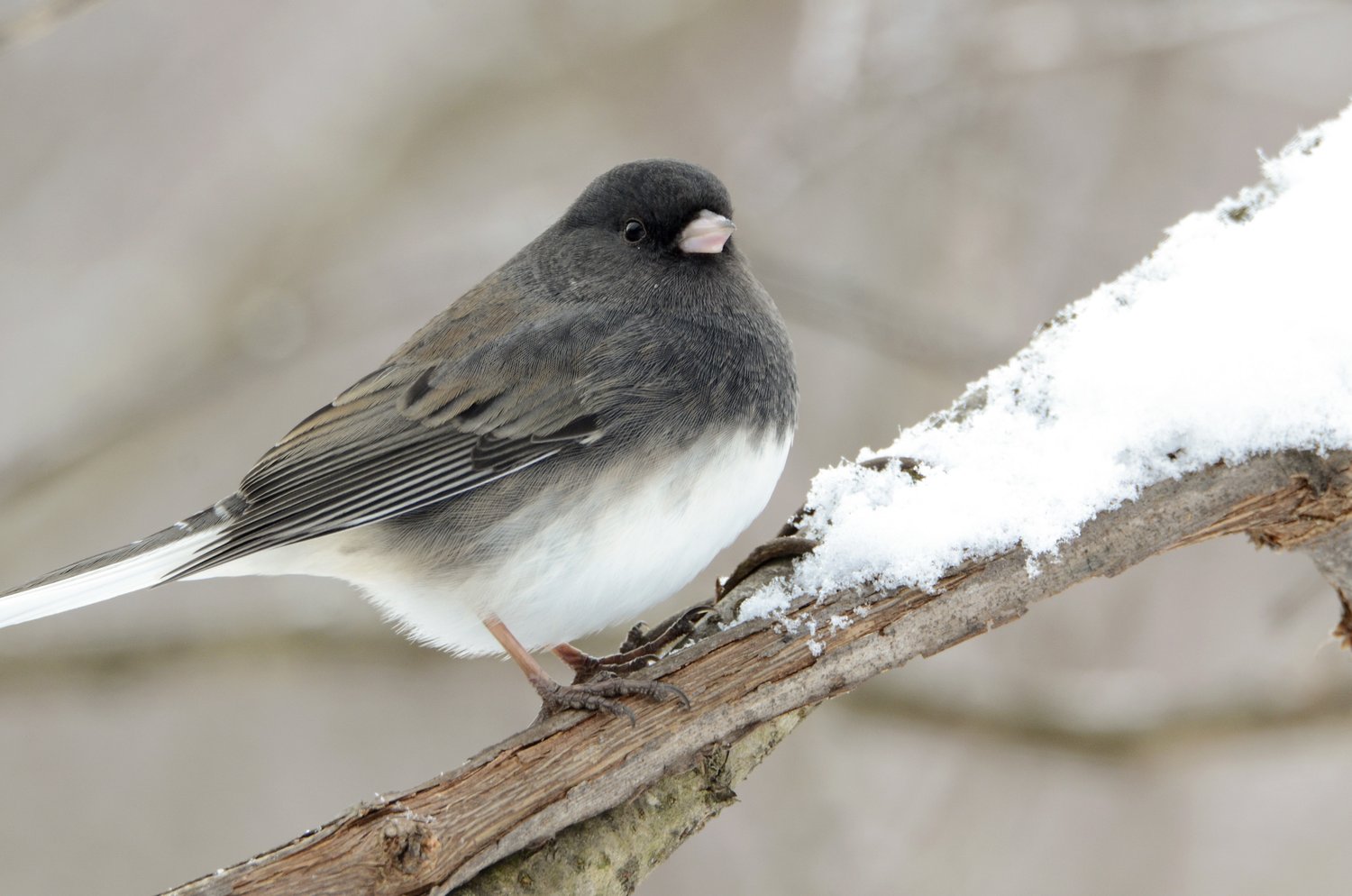
Credit: swibirds.org
Frequently Asked Questions
How Do Birds Stay Warm In Winter?
Birds stay warm by fluffing their feathers to trap heat. They also shiver to generate warmth and use their high metabolism to maintain body heat. Some species huddle together or roost in cavities to conserve energy and warmth.
What Do Birds Eat During Cold Months?
During cold months, birds eat high-energy foods like seeds, nuts, and suet. These foods provide necessary fats and calories. Some birds also rely on stored food or visit feeders. Insects and berries might be available, depending on the region.
Do All Birds Migrate To Escape Cold?
Not all birds migrate. Some species are adapted to survive harsh winters. Birds like chickadees, cardinals, and woodpeckers stay and use various survival strategies. Migration depends on the species and the availability of food and shelter.
How Do Birds Find Shelter In Winter?
Birds find shelter by roosting in dense foliage, tree cavities, or birdhouses. They also use evergreen trees and shrubs for protection. Some species build communal roosts or use natural and man-made structures to shield themselves from harsh weather.
Conclusion
Birds use clever ways to stay warm in cold weather. They fluff their feathers to trap heat. Some birds eat more to get extra energy. Many find shelter in trees or bushes. Their bodies work hard to keep them alive.
Nature helps birds survive harsh winters well. Watching birds in winter shows their strong will. They adapt quickly to changes around them. Cold weather is tough, but birds handle it. Their survival tricks inspire us to face challenges too.


