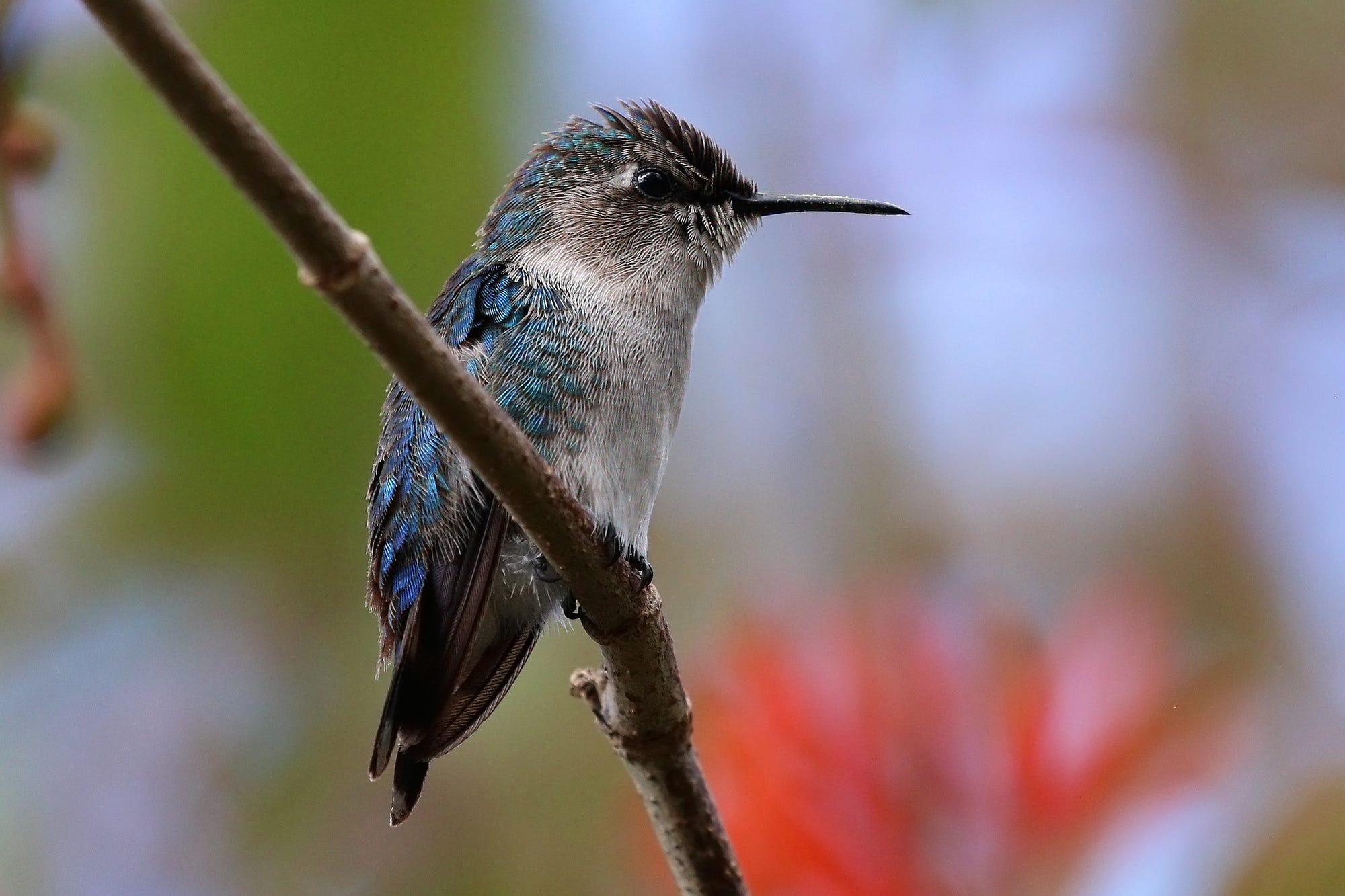
Have you ever wondered how tiny hummingbirds manage to survive when the cold weather sets in? These little creatures seem so delicate, yet they endure freezing temperatures that would challenge many other animals.
Understanding their secret survival tricks not only fascinates you but also reveals nature’s incredible resilience. Keep reading, and you’ll discover the surprising ways hummingbirds stay warm and alive when the chill arrives. Your curiosity about these amazing birds is about to be rewarded!
Credit: www.nationalgeographic.com
Hummingbirds And Cold Weather
Hummingbirds are known for their vibrant colors and incredible energy, but how do they handle cold weather when temperatures drop? These tiny birds have developed fascinating ways to survive chilly nights and unexpected cold spells. Understanding their strategies can help you create a more bird-friendly environment during colder months.
How Hummingbirds Enter Torpor To Conserve Energy
Hummingbirds use a unique state called torpor to survive cold nights. During torpor, their body temperature drops significantly, slowing down their metabolism. This helps them save energy when food is scarce and temperatures are low.
You might notice a hummingbird appearing unusually still or sluggish early in the morning. This is because it is just waking up from torpor, regaining energy to become active again.
Feeding Habits That Support Cold Weather Survival
To prepare for cold weather, hummingbirds eat more nectar and insects during the day to build up fat reserves. This extra energy acts like a fuel tank for the long, cold nights.
If you feed hummingbirds in your garden, consider adding sugar water feeders and keep them clean and full. This can make a real difference in helping these birds maintain their energy balance.
Choosing Sheltered Roosting Spots
Hummingbirds look for protected areas to roost, such as dense shrubs or tree branches shielded from wind. These spots help reduce heat loss and provide some insulation during frosty nights.
Have you ever noticed hummingbirds hiding in your garden bushes on cold evenings? That’s their way of staying warm and safe.
How Weather Affects Their Migration Patterns
Cold weather influences whether hummingbirds migrate or stay put. Some species move to warmer areas, while others adapt to colder climates by relying on torpor and extra feeding.
Understanding these patterns can help you predict when hummingbirds might visit your area and how you can support them.

Credit: medium.com
Adaptive Strategies
Hummingbirds face harsh cold with smart survival skills. They use special ways to save energy and stay warm. These adaptive strategies help them live through cold nights and chilly days. Their bodies change to protect them from freezing temperatures.
Torpor: Nature’s Energy Saver
Torpor is a deep sleep hummingbirds enter at night. Their body temperature drops a lot. This slows down their heart rate and breathing. Energy use falls by up to 95%. It helps them save energy when food is scarce. In this state, they look like small, still balls.
Feather Insulation
Hummingbirds fluff their feathers to trap warm air. This creates a cozy layer around their bodies. Their feathers are dense and soft, perfect for insulation. They also tuck their bills under feathers to keep heat in. This natural coat helps block cold wind and hold body heat.
Metabolic Rate Adjustments
Hummingbirds increase their metabolism during cold times. This produces more body heat to fight the chill. They eat more nectar and insects to fuel this process. Their muscles generate heat without moving much. These changes keep their bodies warm and active enough to survive.
Behavioral Changes
Hummingbirds change their behavior to survive cold weather. These small birds face many challenges as temperatures drop. Their survival depends on smart choices and quick reactions. Behavioral changes help them stay warm and find enough food. Understanding these changes reveals how hummingbirds adapt to harsh conditions.
Seeking Shelter
Hummingbirds look for safe places during cold weather. They hide in dense bushes, tree branches, or even cavities. These spots protect them from wind and rain. Shelter keeps their body heat from escaping. Hummingbirds often stay still to save energy. This calm behavior helps them survive freezing nights.
Altering Feeding Patterns
Cold days change how hummingbirds eat. They visit flowers more often during warmer daylight hours. Their feeding speed increases to build energy reserves. Hummingbirds also look for sugar-rich nectar or tree sap. Sometimes, they feed on small insects for protein. These changes keep their energy high for warmth and flight.
Migration Patterns
Many hummingbirds move to warmer places as cold arrives. They travel thousands of miles to find better food and climate. Migration timing depends on weather and food availability. Some stay longer if food is still around. Migration is a crucial behavior for surviving winter’s cold grip.
Physiological Mechanisms
Hummingbirds face cold weather with unique body changes. Their small size makes staying warm difficult. To survive, they rely on special physiological mechanisms. These changes help them save energy and keep vital functions working. Understanding these mechanisms reveals how hummingbirds endure chilly nights and frost.
Fat Reserves And Energy Storage
Hummingbirds build fat before cold spells. Fat acts as stored energy during scarce food times. This energy fuels their rapid heartbeat and wing movement. They increase fat layers under their skin for insulation. Fat reserves become critical for their survival in cold weather.
Blood Flow Regulation
Blood flow adjusts to control heat loss. Hummingbirds reduce blood flow to their extremities. This limits heat loss through legs and feet. Vital organs receive more warm blood to stay active. This selective blood flow helps keep core body temperature steady.
Muscle Activity
Muscle activity generates internal heat. Hummingbirds shiver by rapidly contracting muscles. This shivering raises their body temperature quickly. Their flight muscles also help warm them before flying. Muscle heat production is a key defense against the cold.
Environmental Factors Impacting Survival
Hummingbirds face many challenges during cold weather. Their survival depends on several environmental factors. These factors influence how they find food, keep warm, and choose where to live. Understanding these helps explain how hummingbirds adapt and survive harsh conditions.
Temperature Fluctuations
Hummingbirds are sensitive to sudden temperature changes. Cold nights can lower their body temperature dangerously. To survive, they enter a state called torpor, which slows their metabolism. This helps save energy until the sun warms them again.
Availability Of Food Sources
Food is scarce in cold weather. Hummingbirds rely on nectar from flowers and small insects. When flowers freeze or insects hide, finding food becomes hard. Birds may travel farther or visit feeders to get enough energy.
Habitat Selection
Choosing the right habitat is vital for survival. Hummingbirds look for places with shelter and food. Dense bushes and evergreen trees offer protection from wind and cold. These spots also often have more flowers and insects during winter.

Credit: medium.com
Human Role In Hummingbird Survival
Hummingbirds face tough challenges during cold weather. Their small size and fast metabolism make it hard to survive freezing temperatures. Humans play an important role in helping these tiny birds through harsh winters. Simple actions can provide food, shelter, and safety. These efforts improve their chances of survival significantly.
Providing Feeders In Winter
Many hummingbirds rely on natural nectar sources. In winter, flowers are scarce. People can offer sugar water feeders as a vital food supply. Use a solution of four parts water to one part sugar. Avoid honey or artificial sweeteners.
- Keep feeders clean to prevent mold and bacteria.
- Place feeders in sheltered spots away from wind.
- Refill feeders regularly to ensure fresh nectar.
Creating Safe Habitats
Hummingbirds need safe places to rest and hide from predators. Planting native shrubs and trees provides natural cover. Evergreens are especially useful during winter months. Avoid using pesticides or chemicals in these areas.
- Provide dense bushes for shelter from wind and cold.
- Leave dead branches for perching and roosting.
- Install small nesting boxes designed for hummingbirds.
Conservation Efforts
Supporting conservation helps hummingbird populations grow stronger. Join local groups focused on bird protection. Participate in citizen science projects tracking hummingbird sightings. Promote awareness about the importance of hummingbird habitats.
- Advocate for protection of natural habitats.
- Support laws preventing habitat destruction.
- Donate to organizations working on hummingbird research.
Frequently Asked Questions
How Do Hummingbirds Stay Warm In Cold Weather?
Hummingbirds survive cold weather by entering a state called torpor. This drastically reduces their metabolic rate. During torpor, their heart rate and body temperature drop. This helps them conserve energy. They also fluff up their feathers to trap heat. Some species migrate to warmer areas.
Can Hummingbirds Survive Freezing Temperatures?
Hummingbirds can survive freezing temperatures for short periods. They rely on their torpor state to conserve energy. Their feathers provide insulation against the cold. However, prolonged exposure to extreme cold can be fatal. They often migrate to avoid harsh winters.
What Do Hummingbirds Eat In Winter?
In winter, hummingbirds primarily feed on nectar from flowers. They also consume insects and tree sap. Some rely on feeders stocked with sugar water. This provides essential energy. It’s crucial to keep feeders clean and full. This helps them survive when natural food is scarce.
Do All Hummingbirds Migrate In Winter?
Not all hummingbirds migrate in winter. Some species, like the Anna’s Hummingbird, stay in colder regions. They adapt by using torpor and finding alternative food sources. Migration depends on the species and environmental conditions. It helps them avoid areas with insufficient food.
Conclusion
Hummingbirds survive cold weather through smart habits. They slow their body down to save energy. This state, called torpor, helps them stay warm at night. They also eat a lot during the day to build fat. Finding shelter in dense bushes keeps them safe from wind.
These tiny birds show nature’s amazing ways to cope. Their survival tricks teach us about resilience and adaptation. Watching hummingbirds brave the cold inspires respect for their strength. Nature always finds a way.


