Are you prepared for unexpected situations? When emergencies strike, having the right food can make a world of difference.
Imagine the peace of mind knowing you have a reliable stash of emergency food ready to keep you and your loved ones safe and nourished. But what should you actually have in your emergency food supply? This is a question many people ponder, yet few have clear answers to.
In this guide, we’ll delve into the essentials you need, ensuring you’re not just prepared, but fully equipped for any situation. With each bite, you’ll feel secure, knowing you’ve made the best choices for your emergency food supply. Stay with us, and discover how to transform uncertainty into confidence with just a few simple steps.
Key Criteria For Emergency Food
Choosing the right emergency food is crucial for survival and comfort during tough times. Not all food suits emergency situations. Some types last longer, provide better nutrition, or are easier to prepare. Understanding key criteria helps pick the best options. This guide covers the essential factors to consider.
Shelf Life
Emergency food must last a long time without spoiling. A long shelf life reduces waste and ensures food availability. Look for canned goods, dried foods, and freeze-dried meals. Check expiration dates and storage conditions. Proper packaging extends shelf life.
Nutritional Value
Food should provide energy and essential nutrients. Balanced meals help maintain strength and health. Include proteins, carbohydrates, fats, vitamins, and minerals. Avoid foods high in sugar or empty calories. Nutrient-rich food supports the body during stress.
Ease Of Preparation
Simple cooking suits emergency situations. Choose food that needs little or no cooking. Ready-to-eat meals, canned foods, and snacks work well. Water availability might be limited, so minimal preparation is best. Time and fuel-saving options are ideal.
Portability And Storage
Food must be easy to carry and store. Compact, lightweight items fit better in emergency kits. Consider vacuum-sealed or dehydrated foods. Store food in waterproof and pest-proof containers. Proper storage protects food quality and safety.
Top Grains And Legumes
Grains and legumes are essential staples for any emergency food supply. They store well, provide lasting energy, and pack a nutritional punch. Choosing the right types can keep you nourished and satisfied when fresh food isn’t an option.
Rice And Quinoa
Rice is a classic emergency grain because it lasts for years when stored properly. It’s easy to cook and pairs well with almost any dish. Quinoa, on the other hand, offers more protein and fiber than rice, making it a smart choice if you want to boost your meals’ nutrition.
Have you ever tried cooking quinoa in bulk and freezing portions? It saves time and keeps your emergency meals quick and simple. Consider having both rice and quinoa in your stockpile for variety and balanced nutrition.
Beans And Lentils
Beans and lentils are powerhouse legumes that give you protein, fiber, and essential minerals. They’re budget-friendly and have a long shelf life, especially when dried. Black beans, chickpeas, and red lentils are versatile options you can use in soups, stews, and salads.
If you haven’t soaked and cooked dried beans before, try it now to understand the process. It helps you prepare better during emergencies. Keep canned beans as a backup—they’re ready to eat and still nutritious.
Oats And Barley
Oats aren’t just for breakfast; they’re a reliable grain to keep on hand. They cook fast and provide slow-releasing energy. Barley adds a chewy texture and extra vitamins to your meals, especially in hearty soups or casseroles.
Think about how adding oats or barley can stretch your other ingredients. They fill you up and make your emergency meals feel more complete. Have you stocked enough to last through a week of unexpected events?
Canned And Preserved Proteins
Proteins are essential for energy and muscle repair during emergencies. Canned and preserved proteins last long and require no refrigeration. They provide a reliable source of nutrition when fresh food is unavailable. These options are easy to store and prepare.
Canned Meats And Fish
Canned meats like chicken, beef, and turkey offer a quick protein source. Canned fish such as tuna, salmon, and sardines provide healthy omega-3 fats. These items have a long shelf life and stay edible for years. They are ready to eat straight from the can or can be heated.
Nut Butters
Nut butters like peanut, almond, and cashew are rich in protein and healthy fats. They come in sealed jars or pouches that store well. Nut butters do not need cooking and are easy to spread on crackers or bread. They provide a good energy boost and taste good.
Dehydrated And Freeze-dried Options
Dehydrated and freeze-dried proteins keep nutrients and last longer. These include beef jerky, dried chicken, and freeze-dried eggs. They are lightweight and ideal for small storage spaces. Rehydrating with water brings them back to a tasty, soft texture. Perfect for quick meals or snacks during emergencies.

Credit: readywise.com
Fruits And Vegetables For Emergencies
Fruits and vegetables are essential for a balanced emergency food supply. They provide vital vitamins, minerals, and fiber that keep your body functioning well during stressful times. Choosing the right types and forms of produce can make a big difference in how long your emergency stock lasts and how nutritious it remains.
Canned And Jarred Vegetables
Canned and jarred vegetables are convenient and have a long shelf life, making them a smart choice for emergency storage. These options often retain much of their nutritional value and can be eaten straight from the can or jar. Look for low-sodium varieties to keep your diet healthier during emergencies.
Think about how a simple can of green beans or tomatoes can add variety and nutrients to your meals when fresh produce isn’t available. Have you checked the expiration dates and storage conditions of your canned goods lately?
Dried Fruits
Dried fruits are compact, lightweight, and packed with natural sugars to keep your energy up. They don’t require refrigeration and can last for months when stored properly. Favorites like raisins, apricots, and mango slices can serve as quick snacks or sweet additions to cereal and oatmeal.
Since dried fruits are calorie-dense, they’re excellent if you need an energy boost. However, watch out for added sugars or preservatives that can reduce their health benefits. How often do you snack on dried fruit outside of emergencies?
Freeze-dried Produce
Freeze-dried fruits and vegetables offer the best of both worlds: they maintain most of their original taste, texture, and nutrients while lasting for years. These products rehydrate quickly and can be a lifesaver for cooking soups or stews. Popular options include freeze-dried berries, peas, and corn.
Though freeze-dried items tend to be pricier, their long shelf life and nutrient retention make them worth the investment. Do you have any freeze-dried foods in your emergency kit, or is it time to add some?
Essential Fats And Oils
Essential fats and oils are crucial for your emergency food supply. They provide long-lasting energy, support brain function, and help absorb vitamins. Without enough fats, your body won’t perform well, especially during stressful situations.
Cooking Oils
Choose oils that stay fresh for a long time and handle heat well. Olive oil and coconut oil are great picks because they have a long shelf life and many health benefits.
Keep your oils in dark, cool places to avoid spoilage. Small bottles are easier to store and use without waste. Ask yourself: do you have enough oil to cook and add flavor to your meals?
Nuts And Seeds
Nuts and seeds are natural sources of healthy fats, protein, and fiber. Almonds, walnuts, chia seeds, and flaxseeds can keep for months if stored properly in airtight containers.
They are perfect snacks or meal add-ons, providing energy without cooking. Consider how you’ll use them—sprinkle over dishes or eat on their own when you need a quick boost.
Shelf-stable Butter Alternatives
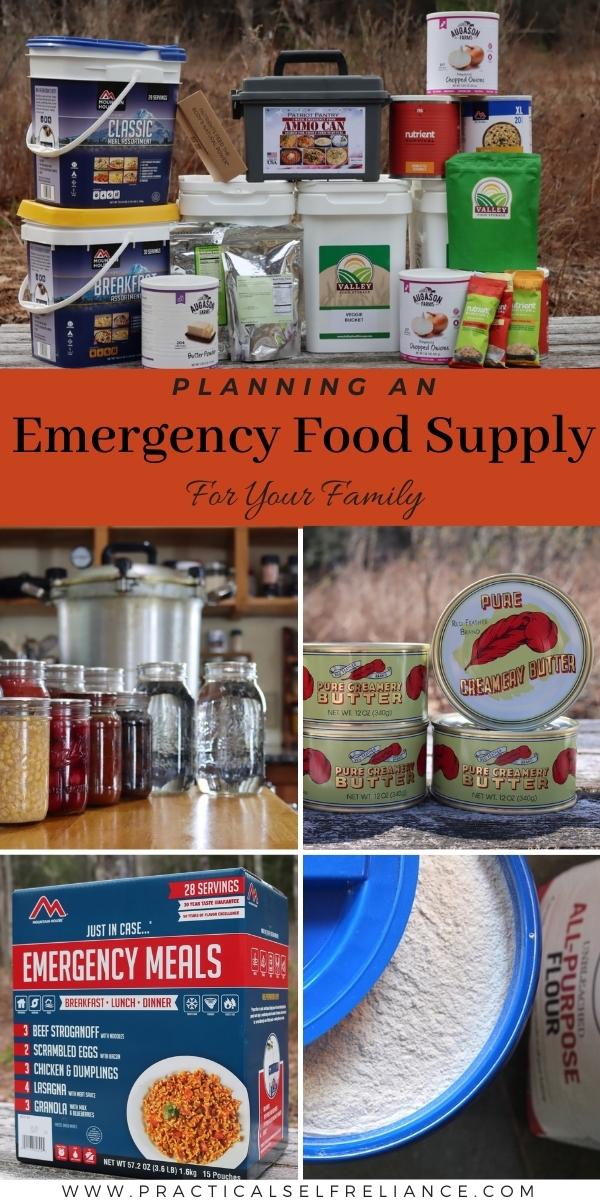
Shelf-stable butter alternatives like ghee and clarified butter last longer than regular butter. They add rich flavor and healthy fats to your emergency meals.
These alternatives don’t require refrigeration, making them ideal for stockpiling. Think about the taste and cooking needs in your emergency food plan—will these fats fit in smoothly?
Credit: practicalselfreliance.com
Hydration And Beverage Choices
Staying hydrated during an emergency is not just about quenching your thirst—it’s about maintaining your body’s essential functions. Without proper fluids, your energy drops, focus falters, and your health can quickly decline. Choosing the right beverages and storing enough water is crucial for your survival kit.
Water Storage Essentials
Water is your top priority. Aim to store at least one gallon per person per day, covering drinking and basic hygiene needs.
- Use food-grade water containers with tight-sealing lids to prevent contamination.
- Keep water in a cool, dark place to preserve freshness.
- Consider water purification tablets or filters as backups if your stored water runs out.
Have you checked the expiry date on your stored water lately? Rotating your supply every six months keeps it safe and fresh.
Electrolyte Mixes
Water alone might not be enough, especially if you’re sweating or physically active during an emergency. Electrolytes help maintain your body’s fluid balance and nerve function.
- Stock up on powdered electrolyte packets or tablets—they’re lightweight and last long.
- Choose mixes with balanced sodium, potassium, and magnesium for optimal hydration.
- Avoid mixes high in sugar; they can actually increase dehydration.
Have you tried adding electrolyte mixes to your water during workouts? It’s a simple way to test what works for you before an emergency hits.
Powdered Drinks
Powdered drinks offer variety and nutrition beyond plain water. They’re easy to store and quick to prepare.
- Consider powdered milk or protein shakes for added calories and nutrients.
- Instant coffee or tea powders can boost morale and provide warmth.
- Keep a selection of flavored drink powders to encourage drinking more fluids, especially for kids.
Have you noticed how a warm cup of tea can calm your nerves? Small comforts like this make a big difference in tough times.
Special Considerations
Choosing the right emergency food means thinking beyond just shelf life and calories. You need to factor in your unique health needs and what will keep you going mentally and physically during tough times. Paying attention to special considerations ensures your emergency food supply truly supports you.
Food Allergies And Sensitivities
Your emergency food stash must be safe for everyone who might need it. If you or your family members have allergies—like nuts, gluten, or dairy—avoid those ingredients completely. Even a small exposure can cause serious health issues.
Label your food clearly and keep alternative options handy. For example, if someone is lactose intolerant, have shelf-stable plant-based milks or dairy-free protein bars ready. This way, you won’t have to worry about allergic reactions when stress is already high.
Caloric Needs And Dietary Restrictions
Think about how many calories each person needs daily, especially if you have kids, seniors, or people with medical conditions. Emergency situations might mean more physical effort, so energy demands could rise. Packing a mix of carbohydrates, proteins, and fats helps maintain stamina and health.
If you follow a special diet like keto, vegan, or low-sodium, your emergency food must reflect that. For example, vegans should have canned beans, nuts, and dried fruits instead of meat-based options. Matching your dietary needs prevents malnutrition or digestive problems during emergencies.
Comfort And Morale Boosters
Emergency food isn’t just about survival—it can also boost your morale. Having familiar tastes or favorite snacks can ease anxiety and improve your mood. Think about including a few treats like chocolate, tea bags, or instant coffee.
These small comforts remind you of normal life and can create moments of joy in difficult times. What simple snack or drink lifts your spirits? Adding it to your emergency kit could make a big difference when you need it most.

Credit: nutrientsurvival.com
Storage Tips And Rotation
Proper storage and rotation keep emergency food safe and fresh. Without good storage, food can spoil or lose nutrition. Rotating food means using older items first. This prevents waste and ensures readiness.
Optimal Storage Conditions
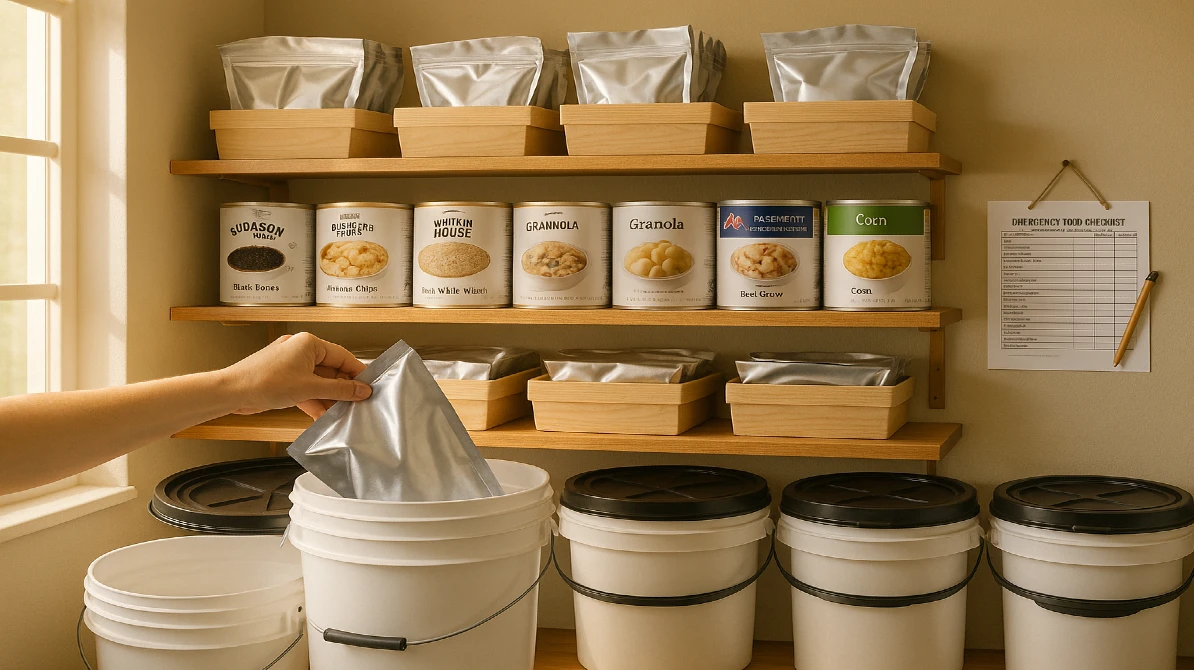
Store food in a cool, dry place away from sunlight. Heat speeds up spoilage and reduces shelf life. Avoid damp areas to stop mold growth. Use airtight containers to protect from pests and moisture. Keep food off the floor to prevent damage.
Labeling And Inventory
Label each food item with the purchase date. Write the expiration or best-by date clearly. Keep an inventory list to track what you have. Update the list after adding or using food. This helps avoid buying duplicates and missing expired items.
Regular Food Rotation Practices
Follow the “first in, first out” rule. Use older food before newer supplies. Check your emergency food every few months. Remove items past their expiration date. Replace used or expired food promptly. This keeps your stock fresh and ready.
Frequently Asked Questions
What Are The Best Emergency Food Items To Store?
The best emergency foods are non-perishable, nutrient-dense, and easy to prepare. Examples include canned beans, rice, dried fruits, nuts, and energy bars. These foods have long shelf lives and provide essential energy and nutrients during emergencies.
How Long Can Emergency Food Last Safely?
Emergency foods can last from months to years, depending on storage. Canned goods often last 1-5 years, while dried foods can last up to 25 years. Store food in cool, dry places to maximize shelf life and prevent spoilage.
Should I Include Water In My Emergency Food Supply?
Yes, water is essential for survival and food preparation. Store at least one gallon per person per day for drinking and cooking. Consider water purification tablets or filters for extended emergencies without fresh water access.
Can I Store Fresh Food For Emergencies?
Fresh foods have a limited shelf life and are not ideal for long-term emergencies. Instead, focus on shelf-stable options like freeze-dried or dehydrated foods, which retain nutrients and can last much longer without refrigeration.
Conclusion
Choosing the right emergency food keeps you safe and prepared. Focus on foods that last long and need no cooking. Think about nutrition, taste, and how easy they are to store. Don’t forget water and special items for kids or pets.
Rotate your supplies regularly to keep them fresh. Simple, reliable choices make tough times easier. Start building your emergency food kit today. Peace of mind is worth every effort.