Imagine waking up one day to a sudden emergency—power outage, natural disaster, or unexpected crisis. What foods do you have ready to keep you and your loved ones safe and nourished?
Having the right supplies can make all the difference between stress and calm, chaos and control. You’ll discover the essential foods to stock up on now, so you’re prepared no matter what happens. Keep reading to learn how simple choices can protect your health and peace of mind when it matters most.
Non-perishable Staples
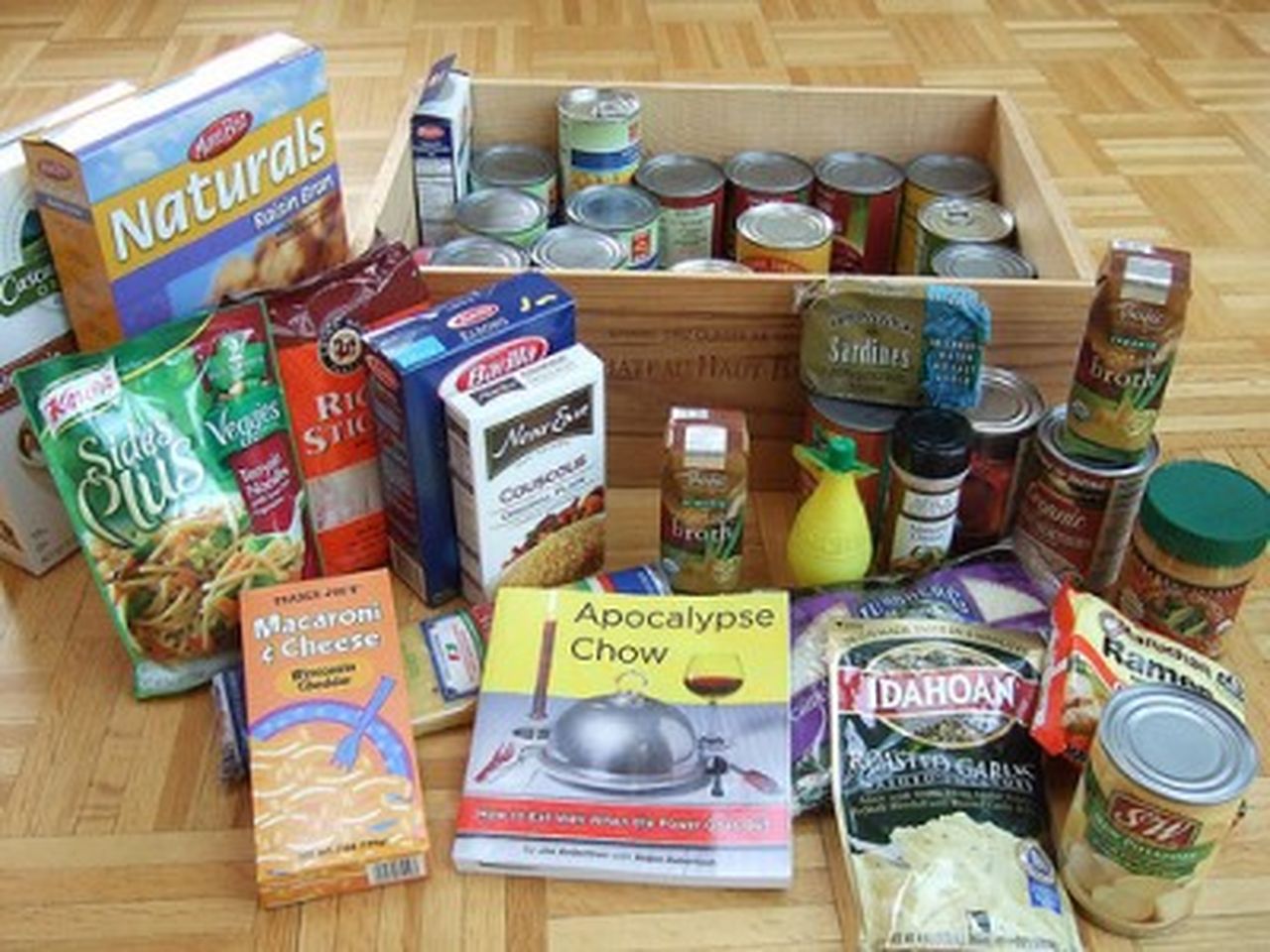
Non-perishable staples are essential for emergency food supplies. They last long without refrigeration. These foods provide energy and nutrients during tough times. Stocking a variety ensures balanced meals. Choose items that suit your taste and cooking options.
Canned Vegetables And Fruits
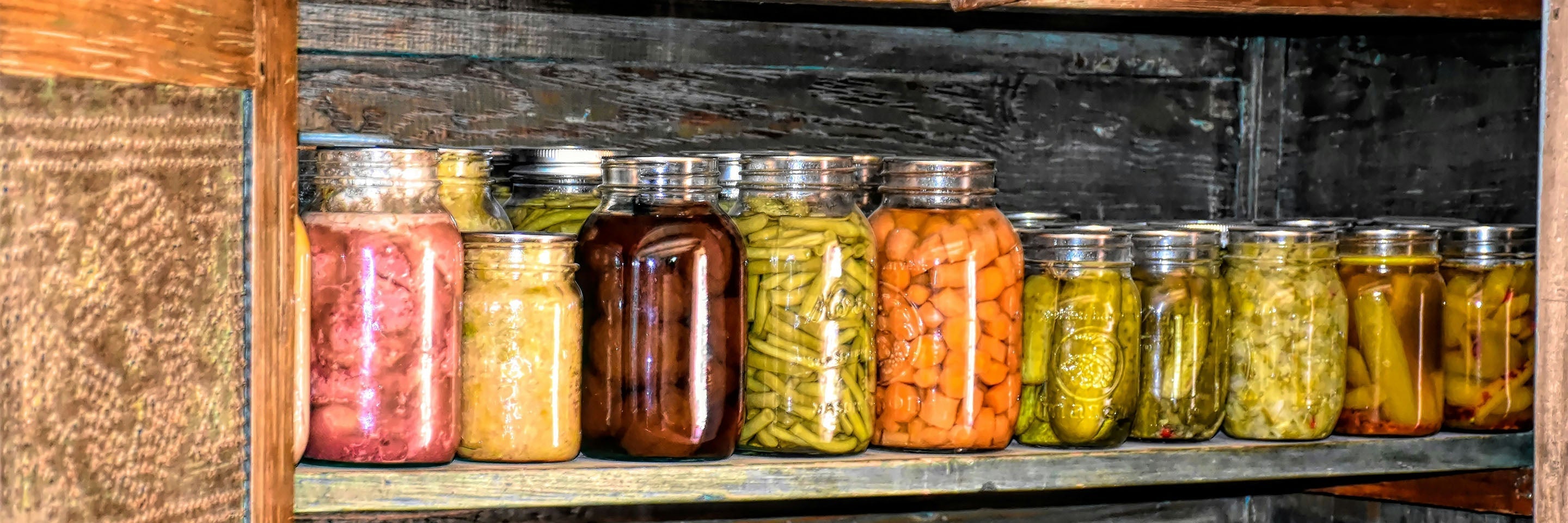
Canned vegetables and fruits keep well for months or years. They contain important vitamins and fiber. Choose low-sodium vegetables to reduce salt intake. Fruits packed in juice or water are better than syrup. Always check cans for dents or leaks before buying. Rotate stock to use older cans first.
Dry Grains And Legumes
Grains like rice, oats, and pasta provide carbohydrates for energy. Legumes such as beans, lentils, and chickpeas offer protein and fiber. Store them in airtight containers to avoid pests. These foods are easy to cook and fill you up. Keep enough quantity for several days or weeks.
Shelf-stable Proteins
Shelf-stable proteins include canned tuna, chicken, and peanut butter. They supply essential amino acids for body repair. Jerky and dried beans also last long without refrigeration. Choose varieties with low added salt or sugar. These proteins complement grains and vegetables well.
High-energy Snacks
High-energy snacks are vital during emergencies. They provide quick fuel and keep energy levels steady. These snacks are easy to store and carry, making them perfect for any emergency kit. They help maintain strength and focus when food options are limited.
Nuts And Seeds
Nuts and seeds are excellent sources of healthy fats and protein. They give long-lasting energy and keep hunger at bay. Examples include almonds, walnuts, sunflower seeds, and pumpkin seeds. These snacks are lightweight and have a long shelf life. They also contain important vitamins and minerals that support the body during stress.
Energy Bars
Energy bars are compact and packed with nutrients. They often combine carbohydrates, protein, and fats for balanced energy. Choose bars with natural ingredients and minimal sugar. They are easy to eat on the go and help maintain stamina. Energy bars can be stored for months without losing quality.
Dried Fruits
Dried fruits offer a sweet and nutritious boost. They contain natural sugars and fiber for quick energy and digestion support. Common options include raisins, apricots, and dates. Dried fruits are lightweight and last a long time without refrigeration. They also provide essential vitamins to keep the body strong.
Hydration Essentials
Keeping yourself hydrated during an emergency is not just important—it can be life-saving. Water is the foundation of survival, but simply having water isn’t always enough. You need to think about how to store it, make it safe, and keep your body’s electrolyte balance in check.
Bottled Water
Bottled water is the easiest and most reliable hydration source during emergencies. Store at least one gallon per person per day, and rotate your stock every six months to keep it fresh. Choose sealed bottles from trusted brands to avoid contamination.
Remember, if you’ve ever found yourself stranded or without tap water, you know how crucial a ready supply can be. Don’t wait until the last minute to buy or replace your water stash.
Electrolyte Powders
Water alone won’t replace the salts and minerals your body loses during stress or heat. Electrolyte powders help maintain your body’s balance and prevent dehydration symptoms like dizziness or cramps. Pack lightweight sachets or tablets that you can easily add to your water supply.
Think about how you feel after intense exercise—that refreshing boost comes from replenishing electrolytes. Why not prepare for emergencies the same way?
Water Purification Methods
Sometimes bottled water runs out, or you need to use natural sources like rivers or rainwater. Having a way to purify water is essential to avoid sickness. Consider carrying water purification tablets, portable filters, or even boiling equipment.
Do you know how to make unsafe water safe? Practicing these methods before an emergency can save you from serious health risks when it matters most.
Credit: mountainhouse.com
Special Dietary Considerations
Emergencies require quick thinking, but they also demand careful planning—especially if you or your family have special dietary needs. Your survival food stash shouldn’t just fill your stomach; it must also support your health and well-being during stressful times. Ignoring specific diets can lead to discomfort or worse, so knowing what to pack is key.
Gluten-free Options
If you have celiac disease or gluten sensitivity, gluten-free emergency foods are a must. Stock up on naturally gluten-free grains like rice, quinoa, and certified gluten-free oats.
Don’t forget canned beans and lentils—they provide protein and fiber without gluten. Also, gluten-free snacks such as nut bars or rice cakes can be lifesavers when you need something quick and safe.
Have you checked the labels on your emergency supplies lately? Cross-contamination is a hidden risk in many processed foods.
Vegan And Vegetarian Picks
Maintaining a plant-based diet during emergencies means focusing on protein and nutrient-rich foods that last. Consider canned or dried beans, chickpeas, and lentils—they’re easy to store and cook.
Freeze-dried vegetables and fruits keep your vitamin intake high without refrigeration. Nut butters and seeds offer healthy fats and energy when fresh options aren’t available.
Think about your usual meals—can you find shelf-stable versions of your favorite vegan or vegetarian staples?
Allergy-friendly Foods
Allergies can turn emergency eating into a dangerous challenge. Identify safe foods that avoid your allergens and keep plenty of them on hand.
For nut allergies, try seeds like pumpkin or sunflower seeds as alternatives. Those allergic to dairy can rely on shelf-stable plant-based milk powders or canned coconut milk.
Have you ever faced the frustration of hunting for safe food during a crisis? Preparing ahead with allergy-friendly options will save you from that stress.
Storage Tips For Longevity
Proper storage is key to keeping emergency food supplies fresh and safe. It extends the life of your food and protects it from damage. Follow simple tips to make your food last longer and stay ready for use.
Proper Container Choices
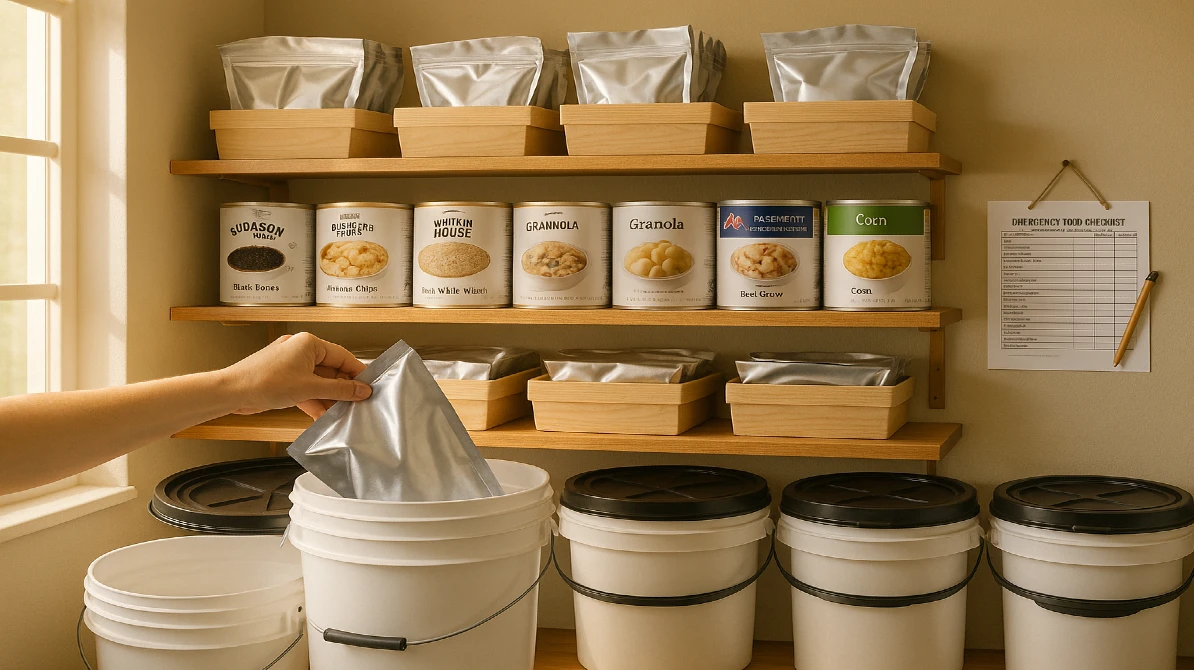
Choose airtight containers to keep air and moisture out. Use glass jars, heavy-duty plastic bins, or metal cans made for food storage. Avoid containers that can break or allow pests inside. Label each container with the food type and date of storage.
Ideal Storage Conditions
Store food in cool, dry places away from sunlight. Heat and humidity speed up spoilage. A basement or pantry works well if it stays between 50-70°F (10-21°C). Keep food off the floor to prevent moisture damage and pests. Maintain good air circulation around containers.
Rotation And Shelf-life
Use a rotation system to consume older items first. Check expiration dates regularly. Replace food before it expires. Keep a list to track stored items and their shelf lives. Some foods last years, like dried beans and rice. Others, like canned goods, last 1-5 years.

Credit: trueprepper.com
Meal Planning For Emergencies
Preparing meals for emergencies requires thoughtful planning. Focus on foods that last long and meet basic needs. Planning helps ensure you have enough energy and nutrients during tough times. Choose items that store well and are easy to cook. Keep a variety of foods to avoid boredom and maintain health.
Balancing Nutrition
Include proteins, carbohydrates, and fats in your emergency meals. Proteins support muscle and immune health. Carbohydrates provide quick energy. Fats help keep you full and support brain function. Also add vitamins and minerals from canned or dried fruits and vegetables. A balanced meal keeps your body strong during stress.
Easy-to-prepare Meals
Choose foods that need little cooking or no cooking at all. Canned beans, ready-to-eat soups, and instant oatmeal work well. Consider meals that require only water or heating. Avoid foods needing many ingredients or long cooking times. Simple meals save time and energy in emergencies.
Portion Control
Plan meal sizes to match your daily calorie needs. Avoid waste by storing food in single-serving packages. Use measuring cups or scales to portion meals before storing. Proper portions prevent overeating and ensure supplies last longer. Keeping control helps manage food during uncertain times.
Cooking Without Power
Cooking without power can feel overwhelming at first, but it doesn’t have to be. With the right food choices and a bit of creativity, you can still enjoy satisfying meals during an emergency. Understanding how to prepare food without electricity is a key skill that ensures you stay nourished and comfortable.
No-cook Meal Ideas
You might think cooking always requires heat, but many nutritious meals need no cooking at all. Think about foods like peanut butter sandwiches, canned tuna or chicken, and fresh fruits and vegetables. These foods are not only easy to store but also require zero preparation.
Try combining canned beans with chopped raw veggies and a simple dressing for a quick, filling salad. Ready-to-eat cereals, nuts, and dried fruits also make excellent snacks or meal additions that keep well without refrigeration. Have you considered how many meals you can create with just a few no-cook staples?
Alternative Cooking Methods
When power is out, alternative cooking methods become lifesavers. You can use a camping stove, a portable grill, or even a solar oven to prepare hot meals. These tools allow you to boil water, heat canned foods, and cook simple dishes with minimal hassle.
Don’t forget about a charcoal grill or a fire pit if you have access to outdoor spaces. Cooking over an open flame takes some practice but can be rewarding. What’s your comfort level with cooking outside or using unconventional equipment?
Fuel Sources For Cooking
Choosing the right fuel source is crucial for cooking without power. Propane and butane canisters are popular for portable stoves because they’re easy to store and light to carry. Charcoal and wood are great if you plan to cook outdoors and have time to manage a fire.
Consider keeping a supply of solid fuel tablets or alcohol burners for compact and lightweight cooking options. Always ensure you have proper ventilation and safety gear when using these fuels indoors or in enclosed spaces. Are you prepared with the right fuel for your emergency cooking needs?

Credit: trueprepper.com
Frequently Asked Questions
What Are Essential Foods For Emergencies?
Essential foods for emergencies include canned goods, dry grains, and protein-rich items like beans. These non-perishable foods have a long shelf life. They provide necessary nutrients and energy during emergencies. Consider water, nuts, and dried fruits for additional sustenance. Having a balanced variety ensures nutritional needs are met.
How Long Can Emergency Food Last?
Emergency food typically lasts from 6 months to several years. Canned goods, when stored properly, can last up to 5 years. Dried goods like rice and pasta can last over a year. Always check expiration dates and rotate supplies regularly to maintain freshness.
Can You Store Fresh Food For Emergencies?
Fresh food has limited storage potential for emergencies. However, certain items like root vegetables and apples can last weeks. Use preservation methods like dehydration or canning to extend their shelf life. Always prioritize non-perishable foods for long-term emergency preparedness.
What Foods Provide The Most Energy?
Foods rich in carbohydrates and fats provide the most energy. Include items like peanut butter, granola bars, and oats in your emergency kit. These foods offer sustained energy and are easy to store. Pair them with protein sources for a balanced intake.
Conclusion
Having the right foods ready can make tough times easier. Choose items that last long and give good energy. Water and canned goods are smart choices. Don’t forget snacks that boost your mood and strength. Plan and store food carefully to avoid waste.
Keep your emergency food supply fresh and checked. Being prepared helps you stay safe and calm. Small steps today bring big peace of mind tomorrow. Stay ready, stay strong.