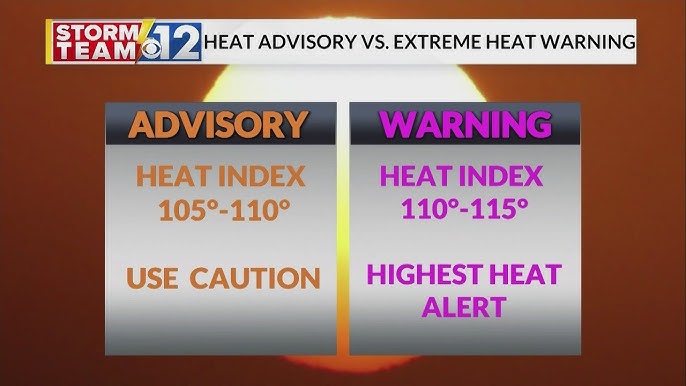
When the temperature soars to 115 degrees, staying safe and comfortable becomes a real challenge. You might feel the heat pressing down on you, making every step harder.
But don’t worry—this extreme heat doesn’t have to control your day. With the right tips and tricks, you can protect your body, keep your cool, and even enjoy your time outside. Keep reading, and you’ll discover simple ways to survive and thrive when the mercury hits 115 degrees.
Your comfort and safety are just a few smart choices away.
Preparing For Extreme Heat
Extreme heat can be dangerous and requires careful preparation. Staying safe in 115-degree weather means planning ahead. You must protect your body, stay hydrated, and change your daily habits. Small changes can make a big difference in how you handle the heat.
Choosing Appropriate Clothing
Wear light-colored clothes to reflect sunlight. Choose loose, breathable fabrics like cotton or linen. Avoid dark colors that absorb heat. Hats with wide brims protect your face and neck. Sunglasses shield your eyes from the sun’s rays. Lightweight clothing helps your body stay cool and dry.
Stocking Up On Water
Water is essential in extreme heat. Keep plenty of water at home and work. Carry a water bottle with you at all times. Drink small amounts often instead of large gulps. Avoid sugary or caffeinated drinks that cause dehydration. Ice packs or cold water can cool your body quickly.
Adjusting Daily Routines
Change your schedule to avoid the hottest hours. Early mornings and late evenings are cooler times for outdoor activities. Rest indoors during peak heat periods, usually from 10 a.m. to 4 p.m. Use fans or air conditioning to stay comfortable. Eat light meals to reduce body heat and save energy.
Staying Cool Indoors
Surviving 115-degree weather means finding ways to stay cool indoors. The heat outside can be extreme, but your home can be a safe, cool place. Simple changes inside make a big difference. Focus on air movement, shade, and water to fight the heat. These tips help keep your body temperature down and reduce discomfort.
Using Fans And Air Conditioning
Fans move air and help sweat evaporate from your skin. Place fans near windows at night to bring in cooler air. Ceiling fans should turn counterclockwise to push air down. Air conditioning cools your home quickly. Keep doors and windows closed when AC runs to save energy. Clean filters often to improve airflow and cooling. Set the thermostat around 78 degrees for balance of comfort and efficiency.
Creating Shade And Ventilation
Close curtains, blinds, or shades during the hottest parts of the day. Use light-colored or reflective window coverings to block heat. Ventilate your home early morning and late evening when temperatures drop. Open windows on opposite sides for cross breeze. Use door draft stoppers to keep hot air out. Plant trees or install awnings outside windows to add natural shade. This lowers indoor temperatures and reduces air conditioning needs.
Cooling Techniques With Water
Water cools your body quickly. Use a spray bottle to mist your face and arms. Keep a damp cloth on your neck or forehead for relief. Take cool showers or baths to lower body heat. Place a bowl of ice or cold water in front of a fan for cooler air. Drink plenty of water to stay hydrated. Avoid drinks with caffeine or alcohol as they dehydrate you faster.
Protecting Yourself Outdoors
Facing 115-degree weather outdoors demands serious care to keep your body safe and functioning. The heat can sneak up on you, causing dehydration, heat exhaustion, or worse. Protecting yourself means making smart choices about sun exposure, skin care, and finding relief from direct sunlight.
Limiting Sun Exposure
You might think you need to stay indoors all day, but that’s not always possible. Instead, plan your outdoor activities during cooler parts of the day, like early morning or late evening.
Wear lightweight, loose-fitting clothing that covers your skin to block harsh sun rays. A wide-brimmed hat can shield your face and neck, areas easily burned.
Ask yourself: Could shifting your schedule or changing your outfit reduce your heat risk today?
Applying Sunscreen
Sunscreen is your shield against harmful UV rays, especially when temperatures soar. Use a broad-spectrum sunscreen with at least SPF 30, and apply it generously to all exposed skin.
Don’t forget spots like ears, the back of your neck, and tops of your feet. Reapply every two hours, or more often if you’re sweating or swimming.
Think about this: Are you reapplying sunscreen enough to keep your skin protected during peak heat?
Seeking Shade Regularly
Shade is your best friend in extreme heat. Take frequent breaks under trees, umbrellas, or shelters whenever you’re outside.
If you don’t have natural shade, carry a portable umbrella or pop-up tent. Even short periods away from direct sun can lower your body temperature and prevent heat-related illness.
Next time you step outside, consider: Where will you find shade to cool down before the heat drains your energy?
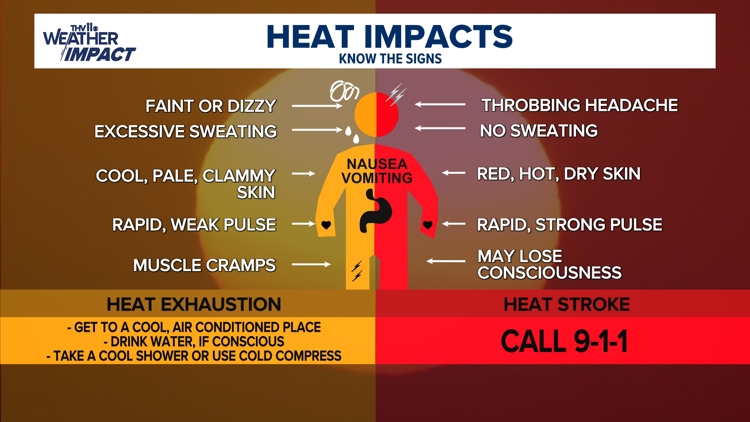
Credit: www.thv11.com
Recognizing Heat-related Illnesses
Recognizing heat-related illnesses is critical during extreme heat. These conditions can develop quickly and become life-threatening. Knowing the signs helps you act fast to protect yourself and others.
Heat illnesses range from mild to severe. Early detection can prevent serious health issues. Pay close attention to how your body feels in 115-degree weather.
Symptoms Of Heat Exhaustion
- Heavy sweating
- Weakness or tiredness
- Dizziness or fainting
- Cold, pale, or clammy skin
- Nausea or vomiting
- Headache
- Muscle cramps
Heat exhaustion happens when your body loses too much water and salt. It often starts with feeling very tired and sweaty.
Signs Of Heat Stroke
- High body temperature (above 103°F)
- Hot, red, dry skin or sweating stops
- Rapid pulse
- Confusion or strange behavior
- Loss of consciousness
- Seizures
Heat stroke is a medical emergency. The body stops cooling itself and temperature rises dangerously.
Emergency Actions To Take
- Move the person to a cooler place immediately
- Call emergency services if heat stroke is suspected
- Remove excess clothing
- Cool the person with water, wet cloths, or fans
- Offer small sips of water if conscious and alert
- Do not give fluids if the person is unconscious
- Stay with the person until help arrives
Nutrition And Hydration Tips
Surviving 115-degree weather demands more than just staying indoors or wearing light clothes. Your nutrition and hydration habits play a crucial role in keeping your body cool and functioning well. Paying attention to what you eat and drink can make a big difference in how you feel throughout the day.
Foods That Help Stay Hydrated
Eating foods with high water content can boost your hydration without you even realizing it. Watermelon, cucumber, oranges, and strawberries are excellent choices because they contain over 90% water. Including these in your meals or snacks can help maintain your fluid levels naturally.
Leafy greens like lettuce and spinach also contribute to hydration while providing essential vitamins. You might not think of food as a way to stay hydrated, but these options can ease the burden on your water intake, especially when the heat is relentless.
Avoiding Dehydrating Drinks
Many drinks actually make dehydration worse, especially in extreme heat. Coffee, tea, and sodas contain caffeine, which can increase urine output and leave you feeling more thirsty. Alcohol is another culprit that you should avoid because it impairs your body’s ability to retain water.
Instead of reaching for these beverages, try to stick with water or infused water with slices of lemon or mint. Have you noticed how sugary drinks can sometimes leave you feeling more drained? That’s because they can spike your blood sugar and then cause a crash, worsening dehydration.
Electrolyte Balance
When you sweat in 115-degree weather, you lose more than just water—you lose electrolytes like sodium, potassium, and magnesium. These minerals help your muscles work properly and keep your nerves firing. Without enough electrolytes, you may experience cramps, dizziness, or fatigue.
Sports drinks are a quick fix but often contain a lot of sugar. A better option is to eat salty snacks in moderation, drink coconut water, or add a pinch of salt and a squeeze of citrus to your water. Have you ever felt weak or lightheaded during a hot day despite drinking plenty of water? It might have been an electrolyte imbalance.

Credit: www.reddit.com
Protecting Vulnerable Groups
Extreme heat is dangerous for many people, especially those who need extra care. Protecting vulnerable groups like children, elderly, and pets is vital during 115-degree weather. Their bodies handle heat less well, so watch them closely. Taking simple steps can prevent heat illnesses and keep them safe.
Caring For Children And Elderly
Children and older adults have weaker heat tolerance. Their bodies lose water faster and cannot cool down easily. Keep them indoors during the hottest hours, usually from 10 a.m. to 4 p.m. Dress them in light, loose clothing and use hats to shield from the sun.
Offer plenty of water often. Avoid sugary or caffeinated drinks. Check for signs of heat exhaustion like dizziness, headache, or weakness. Never leave children or elderly alone in cars or direct sunlight. Use fans or air conditioning to keep rooms cool.
Pet Safety In Extreme Heat
Pets are also at risk in high temperatures. They cannot sweat like humans and cool down slower. Provide fresh water at all times. Keep pets indoors or in shaded areas during peak heat. Avoid walking dogs on hot pavement to protect their paws.
Watch for signs of overheating: heavy panting, drooling, or lethargy. Never leave pets inside parked cars. Use cooling mats or wet towels to help pets stay cool. Regularly check their health and contact a vet if heat stress appears.
Adapting Your Environment
Adapting your environment is one of the smartest moves to stay safe and comfortable during extreme heat. Changing the space around you can lower temperatures significantly and reduce the strain on your body. Small shifts in how you design and maintain your home and yard can make a big difference when the mercury hits 115 degrees.
Landscaping For Cooler Spaces
Plants are natural air conditioners. Trees with wide canopies provide shade that cools your yard and home, cutting down on direct sunlight. Choose drought-resistant trees and shrubs to save water while still creating cool spots.
Adding grass or ground cover plants helps reduce heat reflection from bare soil or pavement. Think about placing a garden or green wall near windows to block sunlight before it heats your home. Have you tried growing vines on trellises? They create refreshing shade and add beauty.
Using Reflective Materials
Reflective surfaces bounce sunlight away rather than absorbing it. Installing reflective roofing materials or light-colored paint on exterior walls can lower the temperature inside your home by several degrees. This simple change can reduce your need for constant air conditioning.
Consider reflective window films that block heat while still letting in natural light. Even your driveway or patio can benefit from lighter-colored pavers or coatings to stop heat buildup. Are you aware of how much heat your current surfaces absorb daily?
Improving Home Insulation
Good insulation keeps the heat out and the cool air in. Adding insulation in your attic and walls creates a barrier that stops hot air from sneaking inside. This means your home stays cooler without cranking the AC.
Seal gaps around doors and windows to prevent hot air from leaking in. Use weather stripping or caulk to close any cracks you find. Have you checked your home for air leaks lately? It’s a simple fix that pays off big during a heatwave.

Credit: www.reddit.com
Frequently Asked Questions
What Should I Wear In 115 Degree Weather?
Wear light, breathable fabrics like cotton or linen. Choose loose-fitting clothes to allow air circulation. Light colors reflect sunlight, keeping you cooler. A wide-brimmed hat and sunglasses provide additional protection. Avoid dark colors and synthetic materials that trap heat. Always apply sunscreen to exposed skin to prevent sunburn.
How Can I Stay Hydrated In Extreme Heat?
Drink water frequently throughout the day, even if you’re not thirsty. Avoid alcohol and caffeine as they dehydrate you. Include hydrating foods like watermelon and cucumber in your diet. Electrolyte drinks can also help replenish lost minerals. Always carry a water bottle when outdoors.
What Are Signs Of Heat Exhaustion?
Signs include heavy sweating, weakness, dizziness, and nausea. You might also experience headache and fast heartbeat. If you notice these symptoms, rest in a cool place immediately. Drink water or electrolyte-rich fluids. Seek medical attention if symptoms worsen or persist.
Can I Exercise Safely In 115 Degree Weather?
Exercise during cooler parts of the day, like early morning or late evening. Choose shaded areas or indoor spaces. Stay hydrated and take frequent breaks. Listen to your body and stop if you feel unwell. Modify your routine to reduce intensity and duration.
Conclusion
Surviving 115-degree weather takes careful planning and smart choices. Stay hydrated by drinking water often. Wear light, loose clothes to keep cool. Avoid being outside during the hottest hours. Find shade or air-conditioned places whenever possible. Rest regularly to prevent heat exhaustion.
Listen to your body and act fast if you feel dizzy or tired. These simple steps help protect your health in extreme heat. Stay safe, stay cool, and take care of yourself every day.