Have you ever wondered what would happen if you tried to survive on just water? It sounds simple—after all, water keeps you alive every day.
But can you really live without food, relying only on water? Your body needs fuel, but how long can it go without it? This question isn’t just about curiosity; it touches on your health, survival, and limits. Keep reading to discover the surprising facts about your body’s resilience and what truly happens when you depend solely on water.
You might be shocked by the answers.

Credit: www.youtube.com
Survival Limits Without Food
Surviving without food is a daunting challenge that tests your body’s limits in ways you might not expect. Understanding how long you can last without eating and the critical role water plays can help you prepare mentally and physically for extreme situations. Let’s break down what really happens when your body runs out of food but still has access to water.
How Long Can Humans Last
On average, a person can survive without food for about 30 to 40 days, but this varies widely depending on factors like body fat, overall health, and activity level. Your body starts by using stored glucose and fat for energy, then moves on to muscle tissue once those reserves run low.
Think about someone stranded in the wild with just water—how long could you really hold on? The answer depends on how well your body adapts to starvation, but pushing beyond 40 days without food is rare and dangerous.
Role Of Hydration In Survival
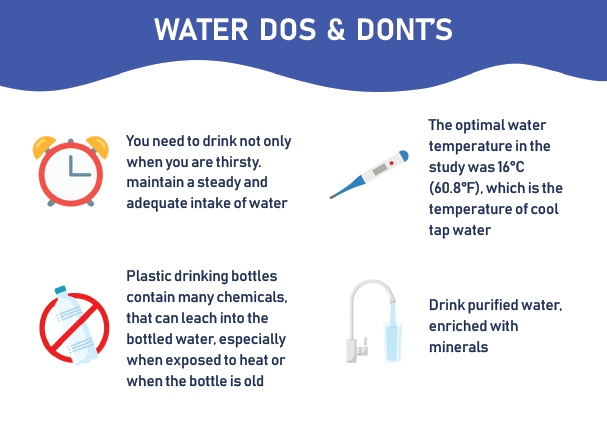
Water is the lifeline that keeps your organs functioning during starvation. Without water, survival drops from weeks to mere days because dehydration quickly impairs your body’s ability to regulate temperature and remove waste.
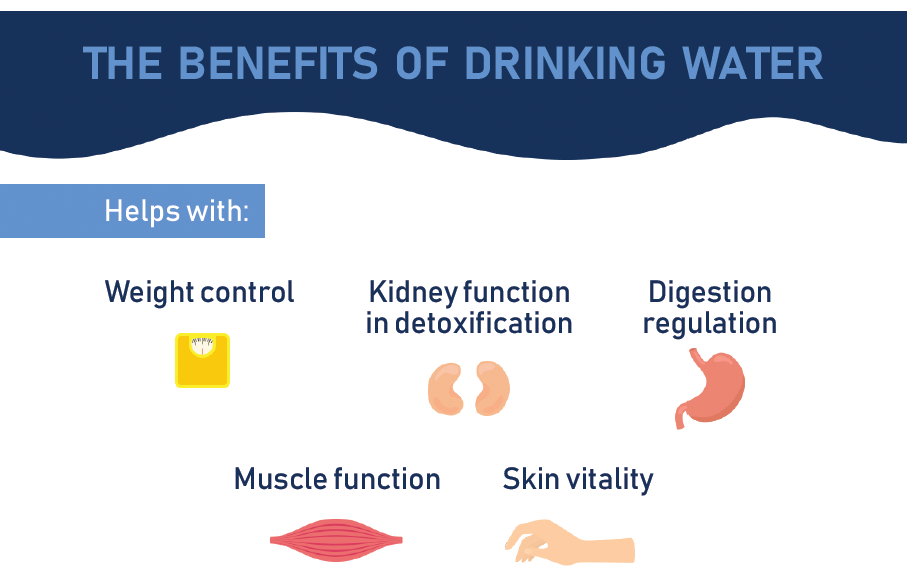
Even when food is absent, drinking water can extend your survival significantly. Staying hydrated helps maintain blood pressure, supports kidney function, and keeps your energy levels from plummeting too fast.
- Water helps flush out toxins your body produces while breaking down fat.
- Hydration reduces the strain on your heart and brain during starvation.
- It prevents severe complications like kidney failure and heat stroke.
Have you ever wondered why rescue teams prioritize water over food in emergencies? It’s because without hydration, your chances of surviving even a few days drop dramatically.
Effects Of Water-only Diet
Choosing a water-only diet has significant effects on the body and mind. It means drinking only water and no food for a period. This diet can cause strong changes, both physical and mental. Understanding these effects helps to know what happens inside the body during such a fast.
Physical Impact On The Body
The body starts using stored fat for energy. This process causes weight loss but also leads to muscle loss. Without food, the body misses important nutrients like vitamins and minerals. This can cause weakness, dizziness, and tiredness.
The digestive system slows down because it has no food to process. Blood sugar levels can drop, causing headaches and shakiness. The immune system may weaken, making it easier to get sick. Long water-only diets can cause dehydration if water intake is not enough.
Mental And Emotional Consequences
Hunger affects mood and concentration. Many people feel irritable or anxious during a water-only diet. Energy levels drop, causing difficulty in focusing on tasks. Some may experience mood swings or feelings of depression.
The brain needs glucose from food to function well. Without it, mental clarity can decrease. Sleep patterns may also change, leading to insomnia or restless nights. Emotional stress rises as the body struggles to cope with lack of nutrients.
Risks Of Prolonged Fasting
Fasting on just water might sound like a quick way to reset your body or lose weight, but it carries serious risks that you should not ignore. Going without food for extended periods deprives your body of essential nutrients it needs to function properly. Understanding these risks can help you make safer and smarter choices about fasting.
Nutrient Deficiencies
Your body relies on vitamins, minerals, and other nutrients to keep your organs running smoothly. When you fast for too long, you miss out on these vital nutrients, which can lead to deficiencies.
For example, lack of vitamin B12 can cause fatigue and nerve damage. Iron deficiency might lead to anemia, making you feel weak and dizzy. Without enough calcium and vitamin D, your bones can become fragile over time.
Have you ever felt tired or lightheaded after skipping meals? That’s your body signaling it needs more than just water to stay healthy.
Potential Health Complications
Extended fasting can cause serious health problems beyond nutrient shortages. One common issue is muscle loss, as your body starts breaking down muscle tissue for energy.
Low blood sugar levels can make you feel shaky, confused, or even faint. Your immune system may weaken, making it harder to fight off infections. In some cases, prolonged fasting can lead to heart problems due to electrolyte imbalances.
Ask yourself: Is risking these complications worth the benefits you hope to gain? Listening to your body and consulting a healthcare professional can help you avoid dangerous outcomes.
Credit: www.watergen.com
Famous Water Fasting Cases
Famous cases of water fasting have drawn attention for their extreme nature and surprising outcomes. People have tested the limits of surviving on just water, revealing both the body’s resilience and its vulnerabilities. These stories often inspire curiosity and caution alike, prompting us to ask: How long can you truly live without food, relying solely on water?
Notable Experiments And Results
One of the most well-documented water fasts involved Angus Barbieri, who fasted for 382 days under medical supervision. He consumed only water and vitamins, losing over 270 pounds. This extraordinary case shows that with proper monitoring, the human body can survive prolonged fasting far beyond typical expectations.
Other experiments reveal shorter fasts lasting from several days to a few weeks. These often result in rapid weight loss, but also carry risks such as muscle loss, fatigue, and nutrient deficiencies. It’s important to recognize that individual responses vary widely depending on health status and prior nutrition.
- Angus Barbieri’s 382-day fast with medical oversight
- Short-term fasts lasting up to 30 days in controlled settings
- Variable effects on energy levels and body composition
Medical Perspectives
Doctors emphasize that water fasting is not safe without professional supervision. The body’s metabolism slows down, and essential nutrients may become depleted, leading to serious complications. Medical experts warn against attempting long fasts on your own.
However, some specialists acknowledge potential benefits of short-term water fasting when done correctly. These include improved insulin sensitivity and reduced inflammation. Still, the key is balance and knowing when to stop before harm occurs.
Are you willing to risk your health for rapid results? Understanding the medical viewpoint helps you decide if water fasting fits your wellness goals or if safer alternatives are better.
Safe Practices For Water Fasting
Water fasting demands careful attention to safety. Staying healthy during a fast means understanding key practices. These help avoid risks and support your body’s needs. Read the guidelines below to fast safely.
Guidelines And Precautions
- Start with short fasts before longer ones.
- Drink plenty of clean water every day.
- Rest often and avoid heavy activities.
- Stop fasting if you feel dizzy or weak.
- Do not fast if you have health issues without doctor approval.
- Avoid fasting during pregnancy or breastfeeding.
- Break your fast gently with light, easy-to-digest foods.
When To Seek Medical Advice
Contact a healthcare provider if you:
- Experience severe headache or confusion.
- Feel persistent nausea or vomiting.
- Have chest pain or trouble breathing.
- Notice irregular heartbeat or fainting.
- Have a history of eating disorders or chronic illness.
- Plan to fast longer than three days.
Credit: www.watergen.com
Alternatives To Water-only Survival
Surviving on only water is a tough challenge. The body needs more than hydration to stay alive and healthy. There are better ways to keep your body functioning in tough times. These alternatives help provide nutrients and energy, not just water. Understanding these options improves survival chances and overall well-being.
Nutrient-rich Hydrating Options
Some natural liquids hydrate and nourish your body. Coconut water is one example. It contains electrolytes like potassium and magnesium. These help maintain fluid balance and support muscle function. Broth made from bones or vegetables offers minerals and some calories. Fresh fruit juices provide vitamins and water at the same time. Herbal teas hydrate and deliver antioxidants. These drinks support hydration and add essential nutrients missing from plain water.
Balanced Survival Strategies
Relying only on water is risky and unsustainable. Combining water with small food portions extends survival. Include high-energy foods like nuts and seeds. These supply fats and proteins to keep energy levels up. Eating fruits and vegetables offers vitamins and fiber. Planning meals with hydration keeps the body strong. Rest and shelter also play key roles. Balance water intake with nutrient sources and care for overall health.
Frequently Asked Questions
Can You Live Only On Water?
Living solely on water is not sustainable. The human body requires essential nutrients, vitamins, and minerals from food. Water alone cannot provide these. Prolonged water-only consumption can lead to malnutrition, energy deficiency, and health complications. It is crucial to maintain a balanced diet for overall health and well-being.
How Long Can You Survive On Water Alone?
Survival on water alone is limited to a few weeks. The body can endure without food for about three weeks, but this varies. Deprivation of essential nutrients leads to muscle loss, organ failure, and weakened immunity. Incorporating a balanced diet is essential for long-term survival and health maintenance.
What Happens If You Drink Only Water?
Drinking only water leads to nutrient deficiencies. Essential proteins, fats, and carbohydrates are absent, causing energy loss and muscle deterioration. Prolonged periods can affect organ function and immune response. A balanced diet is necessary to provide the body with vital nutrients and maintain optimal health.
Is Drinking Only Water Safe For Weight Loss?
Drinking only water for weight loss is unsafe and unhealthy. It causes muscle loss, nutrient deficiencies, and metabolic slowdown. Rapid weight loss can harm organs and overall health. A balanced diet with proper hydration and physical activity is a safe approach to sustainable weight loss.
Conclusion
Surviving on just water is not safe for long. The body needs food for energy and nutrients. Water alone cannot keep you healthy. Without food, muscles and organs weaken quickly. Always aim for a balanced diet with water and food.
Your body works best with both. Stay aware of your health needs every day. Drinking water helps, but food is essential too. Think of water as a helper, not the only source. Take care of your body with good food and water.