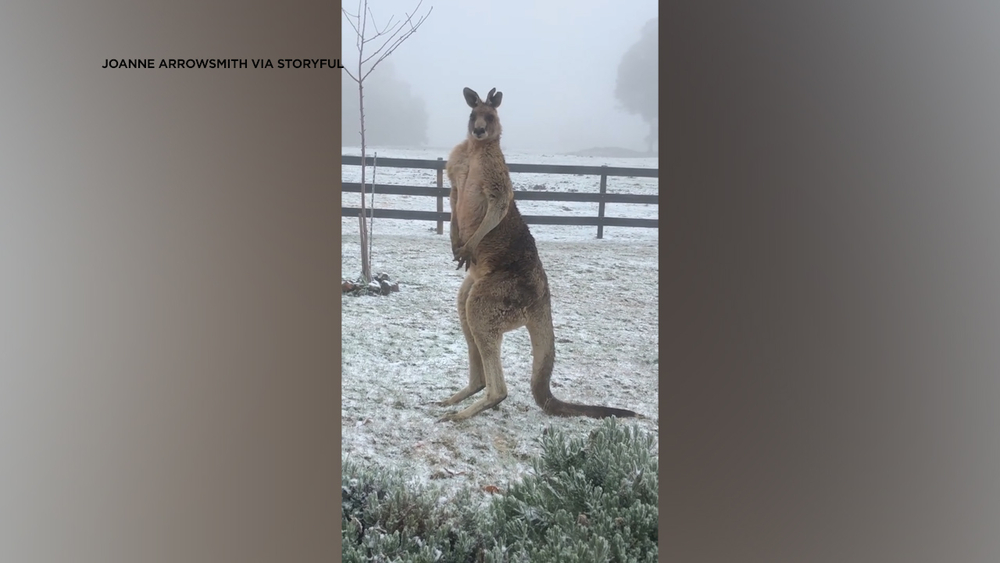
Have you ever wondered if kangaroos, those iconic animals of the Australian outback, can survive cold weather? You might picture them hopping around under the blazing sun, but what happens when temperatures drop?
Understanding how these unique creatures cope with chilly conditions will surprise you. Keep reading to discover fascinating facts about kangaroos and how they adapt—or struggle—in the cold. Your curiosity about nature’s resilience is about to be rewarded.
Kangaroo Habitats
Kangaroos live in diverse habitats across Australia. Their homes range from dry deserts to cooler forests. These animals adjust well to different climates. Their survival depends on how well they adapt to their surroundings. Understanding kangaroo habitats helps explain their ability to survive cold weather.
Typical Climate Zones
Kangaroos mainly live in three types of climate zones:
- Arid and semi-arid zones with hot days and cold nights
- Temperate zones with mild summers and cool winters
- Coastal zones with moderate temperatures year-round
Each zone has unique weather patterns. Some areas can get very cold in winter. Kangaroos in these zones must find ways to stay warm and safe.
Adaptation To Environment
Kangaroos use several strategies to live in various climates. Their thick fur helps keep body heat during cold weather. They often rest in sheltered spots to avoid harsh winds. Kangaroos reduce activity during the coldest times of the day. This behavior lowers energy use and conserves warmth. Their strong legs allow quick movement to sunny areas for warmth. These adaptations make kangaroos capable of surviving colder climates than expected.

Credit: www.youtube.com
Physical Adaptations
Kangaroos have special physical features that help them survive cold weather. These adaptations protect their bodies from harsh conditions. Understanding these traits shows how kangaroos live through colder seasons.
Fur And Insulation
Kangaroos have thick fur that keeps them warm. The fur traps air close to the skin, creating a layer of insulation. This layer slows down heat loss. Their fur is denser in winter and lighter in summer. It also repels moisture, helping kangaroos stay dry in cold, wet weather.
Body Temperature Regulation
Kangaroos control their body heat very well. They lower their activity during cold times to save energy. Blood flow to their skin changes to keep warm blood inside. Their large tails and ears help release heat when needed. This balance helps kangaroos stay comfortable in cold weather without wasting energy.
Behavioral Changes In Cold
Kangaroos are usually seen hopping around under the warm Australian sun, but their behavior changes noticeably when the temperature drops. These animals adjust their daily routines and habits to cope with colder weather, ensuring their survival. Understanding these behavioral changes gives you a clearer picture of how adaptable kangaroos really are.
Seeking Shelter
When cold weather hits, kangaroos often look for places that offer protection from wind and rain. You might notice them moving closer to dense bushes, rocky outcrops, or even man-made structures. These shelters help them conserve body heat and avoid harsh conditions.
Sometimes, kangaroos cluster together in these sheltered spots, sharing warmth in a way that might surprise you. This social behavior reduces heat loss and keeps them safer during cold spells. Have you ever seen a group of kangaroos huddled tightly? That’s no accident—it’s a smart survival tactic.
Altered Activity Patterns
Cold weather also changes when and how kangaroos are active. They tend to reduce their movement during the coldest parts of the day, saving energy and staying warm. Instead, they become more active during the warmer hours, like midday, when the sun offers natural heat.
You might find that kangaroos rest longer in the mornings and evenings during winter months. This shift helps them avoid unnecessary energy loss. Observing these altered patterns can teach you a lot about how animals manage their energy in challenging environments.

Credit: wodnesprawy.pl
Survival Challenges
Kangaroos face serious survival challenges in cold weather. Their bodies and habits suit warm climates. Cold temperatures bring new risks. Food becomes harder to find. Their bodies lose heat faster. These issues affect their health and chances to survive.
Food Scarcity
Kangaroos mainly eat grasses and plants. Cold weather slows plant growth. Grass and leaves become dry or die. Finding enough food becomes difficult. Hunger weakens kangaroos over time. Young kangaroos suffer most from lack of food. Scarcity forces them to travel more, using energy they need to stay warm.
Risk Of Hypothermia
Kangaroos have thin fur compared to cold-weather animals. Their skin loses heat quickly in cold air. Without shelter, kangaroos risk hypothermia. Hypothermia lowers body temperature dangerously. It slows their movements and reflexes. Weak kangaroos become easy prey for predators. Staying warm is critical but hard during cold spells.
Kangaroos In Cold Regions
Kangaroos are often linked with warm, sunny environments. Yet, some kangaroo species live in places with cold winters. Understanding how these animals survive cold weather is important to learn about their adaptability. Cold regions test their ability to find food, keep warm, and stay active. Observing kangaroos in these areas reveals how they manage the challenges of low temperatures.
Observations From Southern Australia
Southern Australia has cooler climates, especially during winter. Kangaroos here face frost, cold winds, and sometimes snow. They grow thicker fur to help keep their bodies warm. In colder months, kangaroos tend to rest more during the coldest parts of the day. They seek shelter in dense bushes or sunny spots to avoid strong winds. Their metabolism slows down to save energy when food is less available.
Farmers and wildlife watchers note kangaroos huddle together at night. This behavior helps share body heat. They also change their diet slightly, eating more fibrous plants that grow in cold weather. These adaptations show kangaroos can handle colder weather better than many expect.
Case Studies From Captivity
Kangaroos in zoos and wildlife parks provide useful data about cold weather survival. Caretakers observe kangaroos during winter to ensure their health. In captivity, kangaroos receive shelter and extra food, helping them stay strong. They often show less stress compared to wild kangaroos in cold weather.
Studies reveal kangaroos can adapt to colder climates if given proper care. Their fur changes texture, becoming denser and softer. Zoo staff sometimes provide heated areas or blankets during extreme cold. These measures improve kangaroo comfort and survival rates in cold conditions.
Captive kangaroos also show behavioral changes such as reduced movement and more resting. They maintain body heat by staying close to heat sources or other kangaroos. These findings suggest kangaroos have natural ways to survive cold but benefit from support in harsh climates.
Human Impact And Conservation
Kangaroos are iconic creatures known for thriving in Australia’s warm climate, but their survival is increasingly challenged by human activities. Understanding how these factors affect kangaroos in colder weather helps you appreciate the importance of conservation efforts. Your actions and support can directly influence their ability to adapt and thrive.
Climate Change Effects
Climate change is shifting weather patterns, making cold spells more unpredictable and severe in some areas. Kangaroos rely on stable temperatures and access to food, which becomes scarce when cold weather disrupts plant growth.
Have you noticed unusual weather swings in your area? These changes stress kangaroo populations, forcing them to expend more energy staying warm and finding food. This makes survival tougher, especially for younger or weaker animals.
Human-driven climate change also alters water availability. Droughts followed by sudden cold snaps put extra pressure on kangaroos, highlighting why reducing carbon footprints matters for their future.
Habitat Protection Efforts
Protecting kangaroo habitats is key to helping them cope with cold weather challenges. Conservation groups work to preserve native bushland, ensuring kangaroos have shelter and food during harsh conditions.
You can support these efforts by advocating for protected areas and sustainable land management. Simple actions like planting native vegetation or supporting wildlife corridors make a big difference.
Local communities also play a role. When people understand the link between habitat health and kangaroo survival, they become active participants in conservation. What steps can you take today to safeguard these habitats?
Credit: www.discovermagazine.com
Frequently Asked Questions
Do Kangaroos Adapt To Cold Climates?
Kangaroos can adapt to cold climates by seeking shelter and huddling together. Their thick fur provides insulation against the cold. However, they are native to Australia, where winters are mild. Extreme cold can be challenging for them.
What Temperature Is Too Cold For Kangaroos?
Kangaroos can tolerate temperatures slightly above freezing. However, prolonged exposure to temperatures below 5°C (41°F) can be stressful. They rely on seeking shelter and staying active to generate warmth.
How Do Kangaroos Keep Warm In Winter?
Kangaroos keep warm by basking in the sun during the day. They also huddle in groups for warmth and seek shelter in vegetation. Their thick fur acts as natural insulation against the cold.
Are Kangaroo Habitats Affected By Cold Weather?
Yes, cold weather can affect kangaroo habitats. Reduced vegetation growth limits food availability. Kangaroos may migrate to warmer areas. They prefer regions with milder winters to maintain access to food and warmth.
Conclusion
Kangaroos are not built for cold weather. Their bodies suit warm climates best. They avoid cold by resting in sheltered spots. Thick fur helps, but not enough for freezing cold. They rely on sunny days to warm up. In very cold places, kangaroos struggle to survive.
Nature designed them for warmth, not frost. Understanding this helps us protect their natural homes. Kangaroos thrive where the sun shines bright. Cold weather limits their movement and food sources. They adapt but only to mild cold, not harsh winters.


