Are you worried about fleas sticking around when the temperature drops? You might think cold weather keeps these pests away, but the truth might surprise you.
Understanding whether fleas can survive the chill is key to protecting your home and pets. Keep reading, and you’ll discover how fleas behave in cold weather—and what you can do to keep them from taking over, no matter the season.
Flea Biology And Cold Weather
Understanding flea biology helps explain their survival in cold weather. Fleas are tough pests. Their ability to live through winter depends on their life stage and surroundings. Each stage reacts differently to low temperatures.
Flea Life Cycle
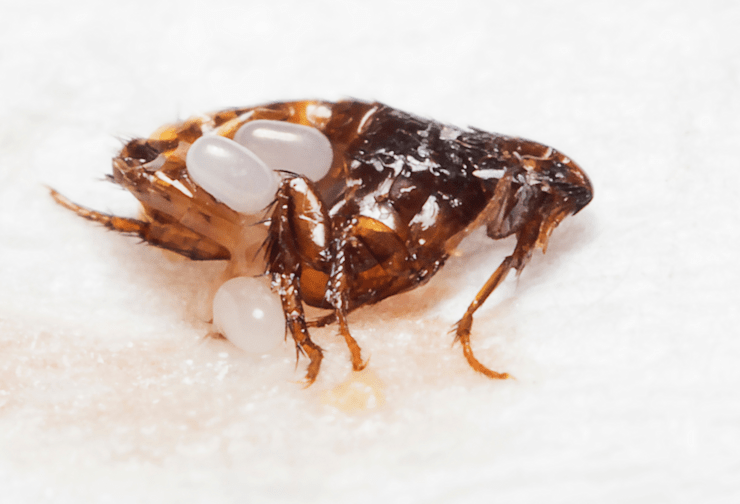
Fleas have four main stages:
- Egg
- Larva
- Pupa
- Adult
Eggs and larvae need warmth and humidity to grow. They often hide in carpets, pet bedding, or soil. Pupae can stay dormant for months, waiting for the right conditions. Adults feed on warm-blooded animals and avoid cold by staying close to them.
Temperature Sensitivity
Fleas prefer temperatures between 70°F and 85°F. Below 50°F, their development slows down significantly. Extreme cold can kill adult fleas, but eggs and pupae may survive indoors. Fleas often hide in heated homes or animal fur during winter. This shelter helps them live through cold months and reemerge in spring.
How Cold Affects Fleas
Cold weather changes the way fleas behave and survive. Understanding how chilly temperatures affect these tiny pests can help you protect your home and pets better. Let’s look at how the cold impacts fleas in different stages of their life cycle.
Survival Mechanisms
Fleas are tough little creatures. They don’t die immediately when it gets cold. Instead, they find warm places like animal fur, carpets, or cracks in the floor to hide.
Some fleas enter a state called diapause, where their development pauses until conditions improve. This helps them survive through freezing temperatures. You might wonder, how long can they stay in this state? Sometimes, it can be months.
Impact On Eggs And Larvae
Flea eggs and larvae are more sensitive to cold than adults. Freezing temperatures can kill many eggs, but some may survive if they are protected in carpets or soil.
Larvae avoid the cold by burrowing deep into carpets or soil where the temperature is more stable. If you want to reduce flea problems, think about how your home’s warmth and humidity affect their eggs and larvae survival.
Fleas In Different Climates
Fleas adapt differently depending on the climate they live in. Understanding how these tiny pests behave in various weather conditions can help you protect your home and pets better. Let’s look closer at how fleas survive in cold regions versus places with mild winters.
Cold Regions
In areas where winter temperatures drop well below freezing, fleas face a tough challenge. Most adult fleas die off during harsh winters, but their eggs, larvae, and pupae often survive by hiding in warm places like animal bedding or inside homes.
If you live in a cold region, you might not see many fleas outside during winter. However, they can still thrive indoors where the temperature is stable. Have you checked your pet’s sleeping area for flea activity during the cold months?
Mild Winters
Mild winter climates allow fleas to remain active much longer. Fleas can continue to breed year-round, making it harder to break their life cycle. This means you might notice flea problems even in the winter months.
In these regions, regular flea treatments and cleaning are crucial all year. You should inspect your pets and living spaces frequently. Are you maintaining a flea control routine even when the weather seems cooler?

Credit: moxieservices.com
Common Myths About Fleas And Cold
Many people believe cold weather kills all fleas instantly. This idea is common but not entirely true. Fleas are tough pests that can survive in different conditions. Understanding these myths helps in better flea control during winter.
Do Fleas Die In Winter?
Cold weather slows flea activity but does not kill them all. Adult fleas hide in warm places like inside homes or on pets. Flea eggs and larvae can survive in carpets and furniture. They stay safe until temperatures rise again. Winter alone is not enough to get rid of fleas.
Effectiveness Of Freezing Temperatures
Freezing temperatures below 32°F (0°C) can kill fleas, but only if exposure lasts long. Fleas must face freezing air directly for several days to die. Snow and cold air outside rarely reach fleas hiding indoors. Flea eggs and pupae are more resistant to cold than adult fleas. Freezing is not a reliable method for flea control inside homes.
Preventing Flea Infestations In Winter
Preventing flea infestations during winter can seem less urgent because cold weather slows down flea activity. However, fleas can survive indoors where temperatures stay warm. Taking action before these pests multiply saves you from a bigger hassle later.
Indoor Control Methods
You might think fleas disappear once the temperature drops, but they often hide in your carpets, furniture, and pet bedding. Regular vacuuming is a simple yet powerful way to remove flea eggs and larvae before they hatch.
Washing your pet’s bedding in hot water weekly kills fleas and their eggs effectively. Consider using flea sprays or powders made for indoor use to treat carpets and upholstery, especially if you’ve spotted flea activity.
Have you checked your pets recently? Using flea treatments like topical spot-ons or oral medications keeps your furry friends protected and cuts the flea life cycle inside your home.
Outdoor Precautions
Even in cold weather, fleas can survive in sheltered outdoor areas like leaf piles or shaded spots. Clearing away debris and keeping your yard tidy reduces potential flea habitats.
Trim bushes and grass regularly to allow sunlight to reach the ground, which helps lower flea populations. You can also apply outdoor flea control products around your yard to create a barrier against these pests.
Think about where your pets spend time outside. Limiting their access to flea-prone zones during winter reduces the chance of bringing fleas indoors.
Credit: www.itchpet.com
When To Seek Professional Help
Knowing when to call in professional help for a flea problem can save you time, money, and a lot of frustration. Fleas might seem easy to handle at first, but they often hide in places you don’t expect. If you notice fleas persisting despite your efforts, it’s a sign you might need expert intervention.
Signs Of Persistent Infestation
Are you still finding flea bites on your skin or your pets weeks after trying home remedies? That’s a strong indication the infestation is sticking around. Fleas multiply quickly, and their eggs can hide in carpets, bedding, and cracks, making them tough to eliminate completely.
Look out for these warning signs:
- Repeated flea bites or scratching on your pets
- Visible fleas on your pets or in your home
- Flea dirt (tiny black specks) on pet fur or furniture
- Unexplained itching and discomfort in your household
If these signs persist despite your cleaning and treatment efforts, it’s time to consider professional help. Ignoring them can lead to a bigger problem that’s harder to control.
Choosing Pest Control Services
Not all pest control services handle fleas the same way. You want a company that understands flea behavior and uses safe, effective treatments suited for your home and pets.
When selecting a service, ask about:
- The types of treatments they use and if they are pet-friendly
- How many visits or follow-ups are included
- Guarantees or warranties on their work
- Customer reviews and success stories
Don’t hesitate to get multiple quotes and ask detailed questions. A good pest control company will explain their process clearly and help you understand what to expect.
Have you tried everything but still see fleas? Reaching out to professionals could be the key to ending your flea troubles for good.
Credit: emeraldanimal.com
Frequently Asked Questions
Do Fleas Die In Cold Weather?
Fleas don’t necessarily die in cold weather but become dormant. They thrive in warmer temperatures. In winter, they may seek shelter indoors where it’s warmer. It’s crucial to maintain flea prevention efforts year-round to avoid infestations.
Can Fleas Live Indoors During Winter?
Yes, fleas can live indoors during winter. Heated homes provide an ideal environment for fleas to survive. They can infest carpets, pet bedding, and furniture. Regular cleaning and using flea treatments on pets can help control indoor flea populations.
How Do Fleas Survive Cold Temperatures?
Fleas survive cold temperatures by seeking warmth. They may enter homes or attach to animals for heat. Fleas lay eggs in warm areas, ensuring their life cycle continues. Maintaining a clean environment and using flea prevention methods can help control their numbers.
What Temperature Kills Fleas Instantly?
Fleas die instantly at temperatures below 30°F (-1°C). However, these temperatures are not common indoors. For effective flea control, maintain cleanliness and use appropriate flea treatments. Regular vacuuming and washing pet bedding can help eliminate flea eggs and larvae.
Conclusion
Fleas can survive cold weather, but not very well. They hide in warm places like pet fur or inside homes. Cold alone does not kill all fleas. Keeping your pets clean helps stop fleas from spreading. Regular cleaning of your home also lowers flea risks.
Watch for signs of fleas even in winter months. Staying alert can protect your family and pets. Taking simple steps now can prevent bigger problems later. Fleas are tough but not unbeatable in cold weather.


