Are you wondering if your Datil pepper plants can handle chilly temperatures? You’re not alone.
Many pepper lovers ask the same question because these fiery little peppers are special. Knowing whether your Datil pepper can survive cold weather helps you protect your plants and enjoy a great harvest. Keep reading to find out exactly what you need to do to keep your peppers thriving, no matter the forecast.
Datil Pepper Basics
The Datil pepper is a unique chili with a rich history and distinct traits. Understanding its basics helps gardeners care for it properly. This pepper is popular for its heat and flavor. It stands out among other chili varieties.
Origin And Characteristics
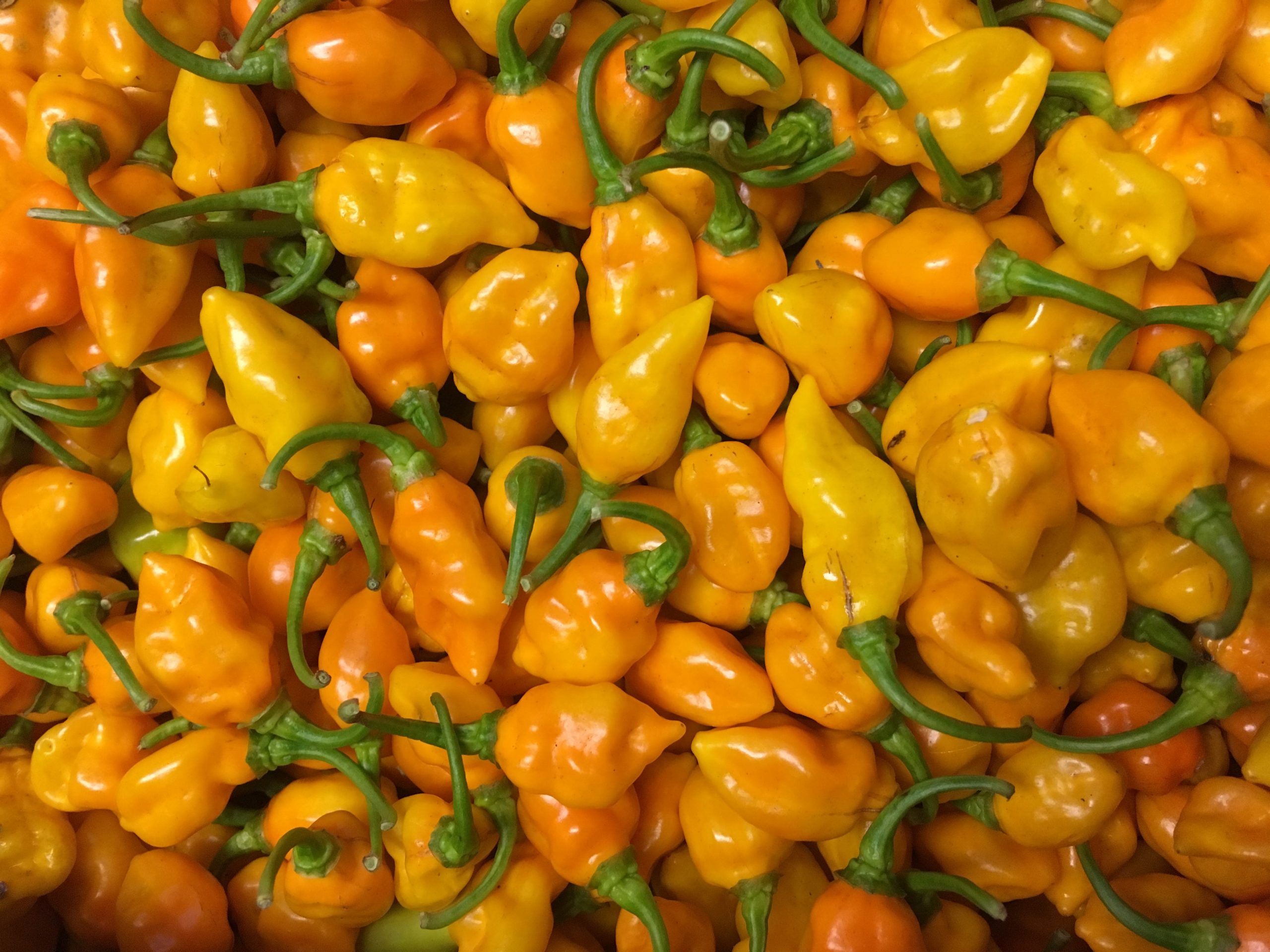
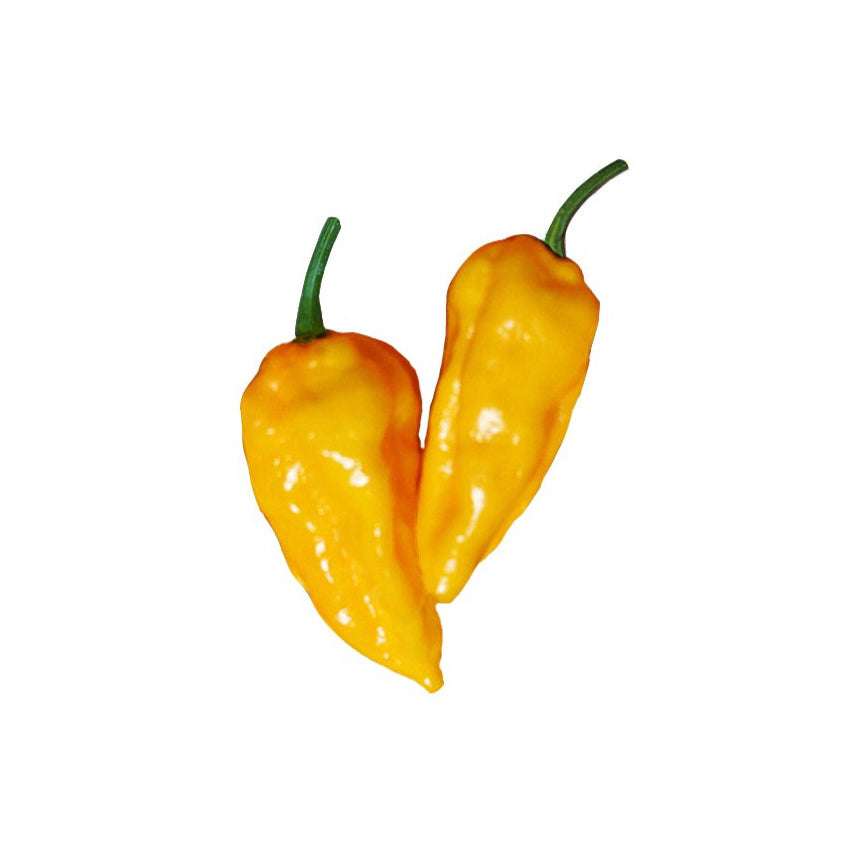
The Datil pepper comes from St. Augustine, Florida. It is small and bright yellow or orange. Its shape is similar to the habanero but slightly longer. The pepper has a strong, sweet heat. It rates 100,000 to 300,000 on the Scoville scale. This makes it hotter than jalapeños but milder than some ghost peppers. Its flavor is fruity and slightly smoky.
Climate Preferences
Datil peppers grow best in warm climates. They prefer temperatures between 70°F and 85°F. They need full sun for most of the day. The plant requires well-drained soil with good nutrients. Datil peppers do not like frost or cold weather. Cold temperatures can stunt growth or kill the plant. Protecting them from cold is essential for survival. Gardeners often grow them in pots to move indoors during cold snaps.
Credit: www.sandiaseed.com
Cold Weather Challenges
Cold weather poses serious challenges to growing Datil peppers. These peppers thrive in warm conditions, so sudden drops in temperature can stunt their growth or even kill the plant. Understanding how cold affects them helps you protect your crop effectively.
Effects Of Frost On Peppers
Frost is one of the biggest threats to Datil peppers. Even a light frost can damage the leaves and stems, causing the plant to weaken or die.
When frost hits, water inside the pepper cells freezes and expands. This expansion breaks the cell walls, leading to blackened, wilted foliage and poor fruit development.
Have you ever noticed your pepper plants turning mushy after a cold night? That’s frost damage at work. To keep your peppers safe, try covering them with frost cloths or moving potted plants indoors during cold snaps.
Temperature Thresholds
Datil peppers struggle when temperatures dip below 50°F (10°C). Growth slows, and the risk of disease increases.
Frost occurs at 32°F (0°C) or lower, which is usually fatal for these peppers. Even brief exposure to temperatures in the low 40s can cause stress.
Keeping your peppers above these critical thresholds is key. You might use heaters, row covers, or plant peppers in containers that can be moved indoors. Have you considered monitoring nighttime temperatures closely to catch cold spells early?
Preparing Plants For Cold
Preparing datil pepper plants for cold weather helps them survive frost and low temperatures. Taking simple steps can protect the plant and keep it healthy. Proper preparation reduces stress and damage caused by cold. Start early before temperatures drop too low. Focus on soil quality, plant location, and pruning habits to boost cold tolerance.
Soil And Location Choices
Choose well-draining soil to avoid root rot during cold spells. Raised beds help water drain away quickly. Position plants where they get full sun during the day. Walls or fences that reflect heat can provide extra warmth. Avoid low spots where cold air settles. Mulch around the base to keep soil temperature stable.
Pruning And Maintenance
Trim dead or weak branches before cold weather arrives. Removing excess growth improves air circulation and light penetration. This reduces disease risk and strengthens the plant. Cut back large branches to prevent breakage from frost or wind. Keep the plant clean by removing fallen leaves and debris. Healthy plants resist cold better and recover faster.
Protective Techniques
Datil peppers are sensitive to cold weather, but you can protect them using simple techniques. These methods help the plants survive chilly nights and frost. They keep the roots warm and the leaves safe. Proper protection boosts the chances of healthy growth and fruit production.
Using Mulch And Covers
Mulch acts as an insulating blanket for the soil. It keeps the roots warmer during cold spells. Use straw, leaves, or wood chips around the base of the plants. This prevents heat loss and stops the soil from freezing.
Covering plants with frost cloths or garden fabric shields them from frost. Use lightweight material that allows air and light to pass through. Secure the covers to prevent wind from blowing them away. Remove the covers during the day to avoid overheating.
Indoor And Greenhouse Options
Moving datil pepper plants indoors protects them from cold temperatures. Place pots near sunny windows to give enough light. Keep the room temperature above 50°F (10°C) for best results.
Greenhouses create a controlled environment for peppers. They trap heat and protect plants from frost. Use heaters or heat lamps if needed. Ventilate during warm days to avoid overheating. Greenhouses extend the growing season and improve survival rates.
Watering And Nutrients In Cold
Watering and nutrients play a crucial role in helping Datil peppers survive cold weather. During chilly months, your plant’s needs change, and overwatering or underfeeding can stress it. Paying attention to these changes can keep your pepper healthy and productive even when temperatures drop.
Adjusting Watering Schedules
In cold weather, Datil peppers require less water because their growth slows down. Too much water can cause root rot and other problems. Check the soil moisture before watering—if the top inch feels dry, it’s time to water.
You might notice your plant soaking up less water than usual. This is normal and means you should cut back on watering frequency. Using a moisture meter can help you avoid guesswork and keep your plant happy.
Fertilizer Tips For Winter
During colder months, Datil peppers don’t need as much fertilizer since their growth slows. Feeding them too much can lead to salt buildup in the soil, harming the roots. Use a balanced, diluted fertilizer once every 3-4 weeks to provide gentle nourishment.
Consider switching to a fertilizer with higher potassium to support the plant’s cold stress resistance. I once boosted my pepper’s winter survival by adding a small dose of potassium-rich fertilizer, and it made a noticeable difference. Have you tried adjusting your feeding routine during winter to see how your plants respond?
Signs Of Cold Damage
Cold weather can harm Datil pepper plants in subtle and obvious ways. Recognizing signs of cold damage early helps save your plant. These signs show how frost or low temperatures affect the leaves, stems, and fruits. Knowing what to watch for allows quick action to protect your peppers.
Identifying Frostbite
Frostbite on Datil pepper plants looks like dark, water-soaked spots on leaves. Leaves may turn black or brown and become limp. The stems can show soft, mushy areas that feel weak to touch. Fruits exposed to frost often develop dark patches and may shrivel. Sometimes the damage is only visible after the plant thaws. Check both sides of leaves and inspect new growth carefully.
Recovery Strategies
Remove frost-damaged leaves and fruits gently to prevent disease. Move plants indoors or cover them with frost cloths during cold nights. Keep soil moist but avoid overwatering, as roots can rot in cold. Use mulch around the base to keep soil temperature steady. Prune damaged stems after frost risk ends to encourage healthy growth. Patience is key; plants may recover slowly over several weeks.
Extending Growing Season
Extending the growing season can make a big difference when cultivating Datil peppers, especially in colder climates. These peppers thrive in warmth, so finding ways to protect them from frost and chilly nights is key. You can stretch the time your plants produce fruit by starting early indoors or using clever heat sources outside.
Starting Seeds Indoors
Starting Datil pepper seeds indoors gives your plants a head start before the cold weather arrives. Use seed trays or small pots filled with seed-starting mix, and keep them in a warm spot—ideally between 75-85°F (24-29°C). This warmth helps the seeds sprout faster and stronger.
Place seedlings near a south-facing window or under grow lights to ensure they get enough light. You’ll notice healthier, sturdier plants ready to transplant outdoors once temperatures rise. Have you tried starting your peppers indoors? It’s surprising how much easier it is to manage the growing conditions this way.
Using Heat Sources Outdoors
Once your Datil peppers are outside, cold nights can still threaten their survival. Using heat sources like cloches, row covers, or even small outdoor heaters can protect them from frost. A simple way is to cover plants with fabric or plastic at night to trap warmth.
Some gardeners use heat mats or thermal blankets around the base of plants. This extra warmth keeps the soil temperature stable and roots healthy. Have you noticed how even a small heat boost can keep your peppers thriving on chilly evenings?
- Use insulated covers to protect against sudden temperature drops
- Place heat mats under containers if growing in pots
- Bring potted plants indoors during extreme cold spells
By combining indoor seed starting with outdoor heat protection, you can enjoy a longer, more productive season for your Datil peppers. What creative ways have you found to keep your peppers warm and growing?
Credit: www.etsy.com

Credit: www.reddit.com
Frequently Asked Questions
Can Datil Peppers Tolerate Frost?
Datil peppers are sensitive to frost and cold temperatures. They thrive in warm climates and need protection from frost. When frost is expected, consider using row covers or moving plants indoors. Maintaining a temperature above 50°F ensures healthy growth and survival.
Frost damage can be irreversible and affect the pepper yield.
How Cold Is Too Cold For Datil Peppers?
Datil peppers struggle when temperatures drop below 50°F. Prolonged exposure to such cold can stunt growth and damage plants. For optimal health, keep them in a warm environment. Protecting them from cold snaps is essential. Ensuring they stay warm will enhance their growth and productivity.
How To Protect Datil Peppers From Cold?
To protect datil peppers from cold, use row covers or frost blankets. These provide insulation against chilly temperatures. Consider moving potted plants indoors during cold spells. Regularly monitor weather forecasts to prepare in advance. Ensuring consistent warmth supports healthy growth and maximizes yield.
Do Datil Peppers Need Indoor Care In Winter?
Yes, datil peppers benefit from indoor care during winter. Cold-sensitive, they thrive in temperatures above 50°F. Indoor environments offer the warmth they need. Provide adequate sunlight and water indoors. This care ensures they remain healthy and ready for planting outdoors when temperatures rise.
Conclusion
Datil peppers do not handle cold weather well. They need warmth to grow strong. Protecting plants from frost helps them survive winter. Using covers or moving pots indoors works best. Healthy soil and good care improve their chances. Growing peppers in mild climates gives better results.
Remember, these peppers thrive in warm, sunny spots. Keep an eye on temperatures during cold months. With the right care, your datil peppers can live longer. Growing them takes patience but brings tasty rewards.


