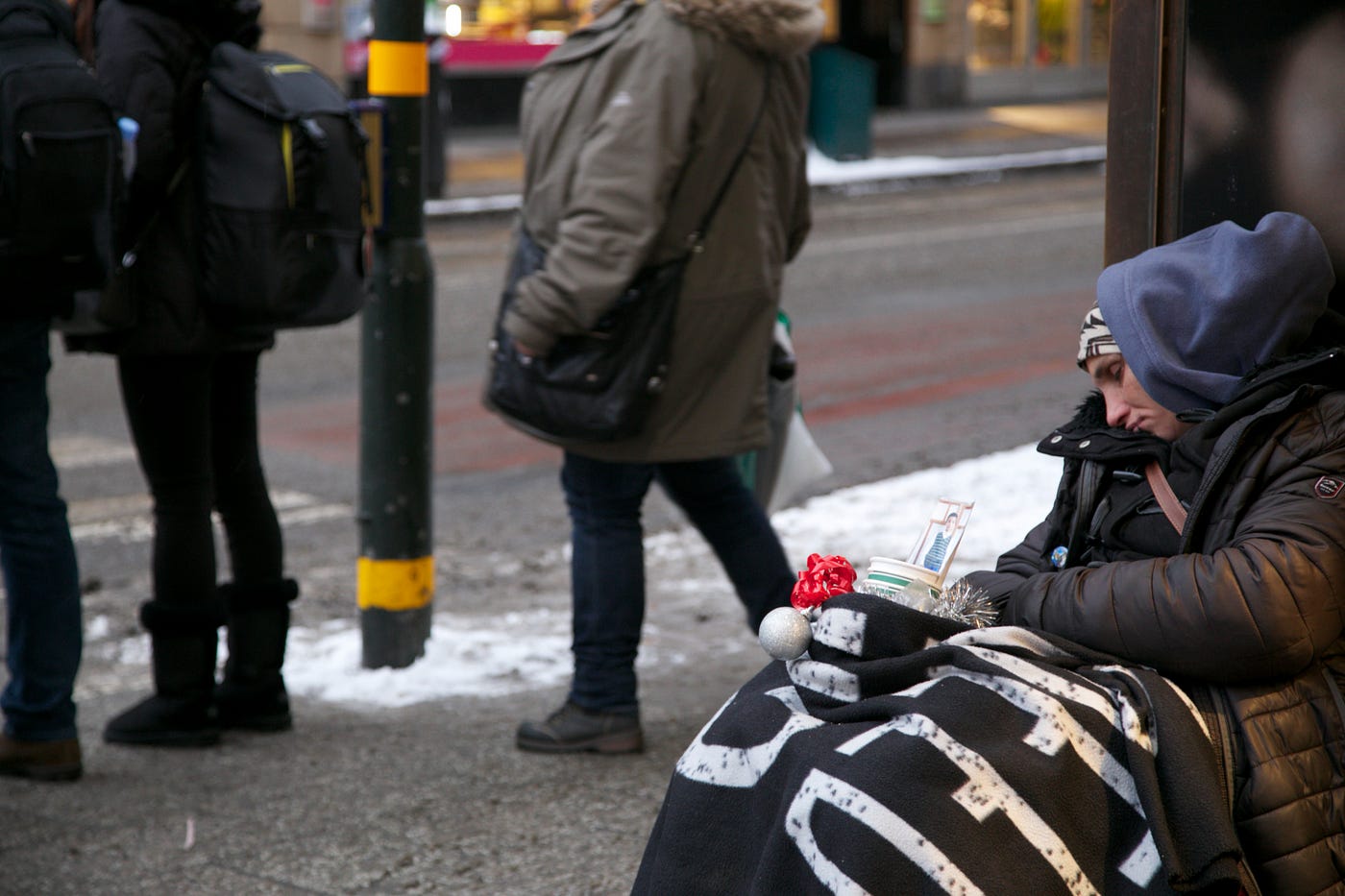
When cold weather hits, it can be tough to stay safe and warm—especially if you don’t have a home. You might feel overwhelmed, scared, or unsure where to turn.
But there are simple steps you can take right now to protect yourself from the biting cold. This guide will show you how to find shelter, keep your body warm, and stay healthy when the temperatures drop. Keep reading—your safety and comfort matter, and you can get through this.

Credit: www.youtube.com
Preparing For Cold Weather
Preparing for cold weather is vital for anyone facing homelessness. The right preparation helps avoid serious health problems. It also improves comfort and safety during harsh nights.
Choosing suitable clothing, using layering techniques, and protecting your hands, feet, and head are key steps. These actions keep body heat in and cold air out. Small changes can make a big difference in staying warm.
Choosing The Right Clothing
Wear clothes that block wind and keep warmth close. Thick, water-resistant fabrics work best. Avoid cotton because it traps moisture and cools the body. Wool and synthetic materials keep you warm even when damp.
- Pick jackets with insulation and a hood.
- Find pants made of thick, warm fabric.
- Use shirts and sweaters that fit well but allow layering.
Layering Techniques
Layering creates pockets of warm air between clothes. Start with a thin, tight base layer to keep skin dry. Add a middle layer for insulation, like fleece or wool. Finish with an outer shell that stops wind and rain.
- Wear at least three layers for best warmth.
- Adjust layers during the day to avoid sweating.
- Remove layers if you feel hot, add if cold.
Protecting Extremities
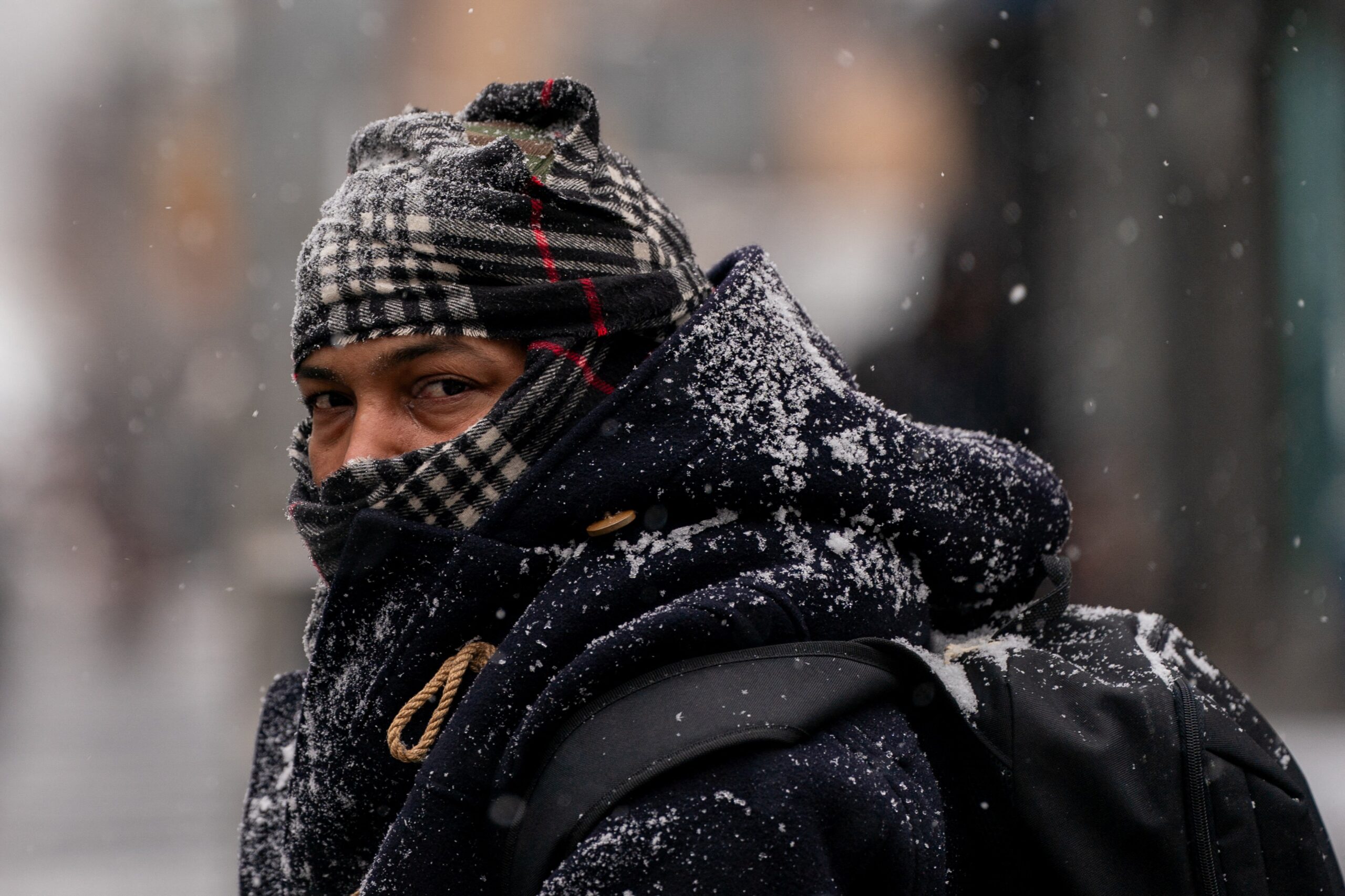
Fingers, toes, ears, and nose lose heat fast. Wear gloves or mittens that block wind and keep dry. Thick socks and waterproof boots protect your feet. Use a hat or scarf to cover your head and face.
- Choose mittens over gloves for better warmth.
- Wear two pairs of socks if possible.
- Cover ears with a warm hat or ear warmers.
Finding Shelter And Warmth
Finding shelter and warmth is critical during cold weather for anyone without a home. Exposure to low temperatures can cause serious health risks. Protecting your body from wind and moisture helps keep your core temperature stable. Safe shelter offers a shield against the harsh elements. Warmth reduces the chance of frostbite and hypothermia. It also provides a sense of security and comfort during difficult times.
Locating Emergency Shelters
Emergency shelters provide a safe, warm place to stay. Many cities open shelters during cold spells. Seek places run by charities, churches, or local governments. They often offer beds, meals, and basic medical care. Check local community centers or libraries for shelter lists. Arrive early to secure a spot. Keep identification and any belongings ready. Respect shelter rules to maintain your place.
Using Public Spaces Safely
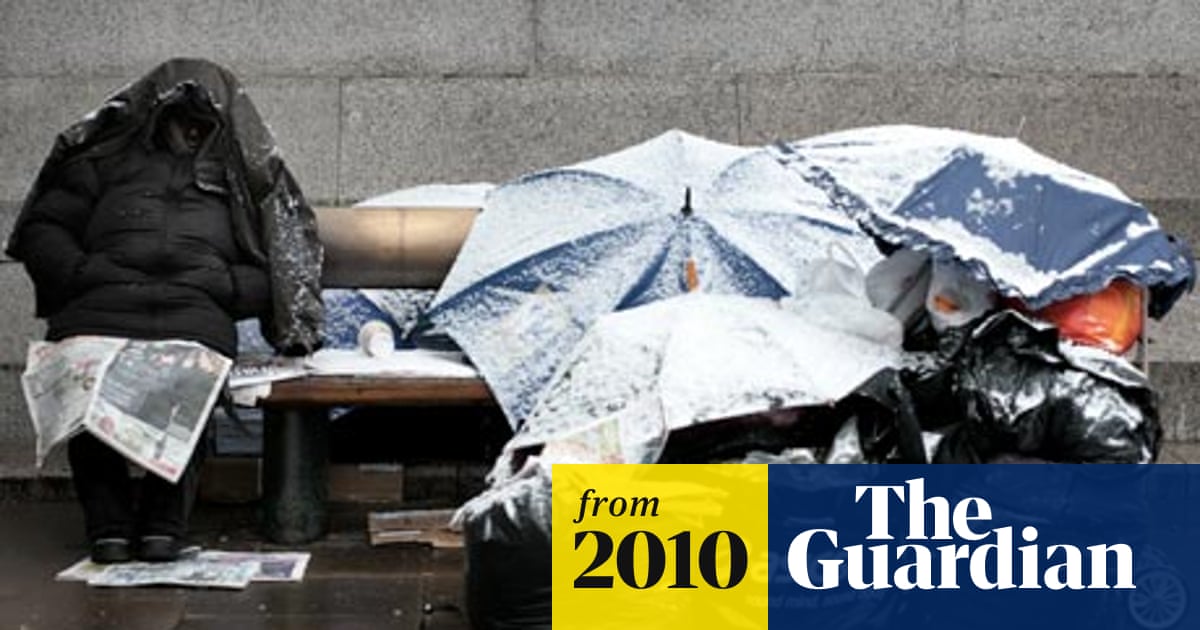
Public spaces can offer temporary refuge from cold winds. Bus stops, train stations, and 24-hour businesses are common spots. Choose well-lit areas with foot traffic for safety. Avoid isolated or dark locations. Cover yourself with blankets, newspapers, or extra clothes. Stay dry and avoid sitting directly on cold surfaces. Remain alert to your surroundings. Plan exits for emergencies or changes in weather.
Creating Makeshift Shelters
Makeshift shelters can block wind and trap body heat. Use materials like cardboard, tarps, or plastic sheets. Build a small enclosure close to walls or natural windbreaks. Layer blankets or clothes inside for insulation. Elevate yourself from the ground using leaves, branches, or newspapers. Seal gaps with available materials to keep warmth inside. Keep the shelter small to conserve heat. Check for safe locations away from hazards like flooding or heavy snow.
Staying Dry And Insulated
Staying dry and insulated is crucial when facing cold weather without stable shelter. Wet clothes can quickly drain your body heat, while poor insulation lets the cold seep in. Focusing on keeping moisture out and trapping warmth can make a significant difference in your comfort and safety.
Avoiding Wet Clothing
Wet clothes chill your body faster than the cold air itself. If you get caught in rain or snow, try to remove damp layers as soon as possible. Carrying a plastic bag or tarp can help protect your clothes from moisture during unexpected weather.
Have you noticed how a single wet sock can ruin your whole day? Changing into dry socks or layering with waterproof materials can keep your feet warm and prevent frostbite. Protecting your hands and head from moisture is equally important since heat escapes quickly from those areas.
Using Natural Insulators
Nature offers several materials that trap heat effectively. Leaves, pine needles, and dry grass can serve as excellent insulators around your body or bedding. These materials create tiny air pockets that hold warmth close to your skin.
Collecting and stuffing these natural items inside your clothing or sleeping bag adds an extra layer of protection. Have you ever tried lining your jacket with dry leaves? It can surprisingly boost warmth without adding weight.
Building Insulated Bedding
A well-insulated bed keeps cold air from stealing your body heat during sleep. Start by layering dry leaves or cardboard under you to block the cold ground. Add blankets, newspapers, or extra clothing on top to trap heat.
Think about how you can create a barrier between you and the cold earth. Even a simple pile of leaves can work wonders. Have you experimented with different bedding setups to find what holds your warmth best?
Credit: www.theguardian.com
Securing Food And Hydration
Securing food and hydration during cold weather is crucial for your survival and health. Without enough calories and fluids, your body struggles to maintain warmth and energy. Finding reliable sources and managing what you have can make all the difference.
Accessing Warm Meals
Warm meals provide both comfort and essential energy. Look for local shelters, churches, or community centers that offer free hot meals. Many places increase their services during cold months—don’t hesitate to ask around or check online resources on your phone.
Carrying a small thermos with soup or hot drinks can help keep you warm on the go. Even a simple cup of hot tea can boost your body temperature and morale. Have you ever noticed how just a warm meal can change your entire day?
Staying Hydrated In Cold Weather
It’s easy to forget about drinking enough water when it’s cold outside, but hydration is just as important as in summer. Dry winter air and heavy clothing can cause dehydration without you realizing it.
Carry a refillable water bottle and try to drink regularly, even if you don’t feel thirsty. Melt snow safely by boiling it if you have the means. Remember, staying hydrated helps your body regulate temperature and keeps your energy up.
Safe Food Storage Tips
Keeping your food safe in cold weather can be tricky but vital. Use insulated bags or containers to protect food from freezing or spoiling. Avoid leaving food exposed to the elements for too long.
Store perishable items close to your body or inside your clothing layers to keep them from freezing solid. Can you think of creative ways to shield your supplies while staying mobile? Small hacks like using empty water bottles filled with warm water can create makeshift warmers.
Managing Health Risks
Managing health risks during cold weather when you’re homeless is more than just staying warm—it’s about knowing the signs of dangerous conditions and acting fast. Your body can only handle so much cold before serious harm sets in. Understanding the symptoms and immediate actions can save your life or the life of someone nearby.
Recognizing Hypothermia And Frostbite
Hypothermia happens when your body temperature drops below 95°F (35°C). You might feel very tired, confused, or start shivering uncontrollably. Notice if your speech slurs or if you seem clumsy—these are warning signs.
Frostbite affects your skin and tissues, usually on fingers, toes, nose, and ears. The skin may turn white, gray, or blue and feel numb or hard. If you see blisters or skin that looks waxy, act immediately.
Emergency First Aid Steps
- For Hypothermia:Get out of the cold and into a warm place as soon as possible.
- Remove wet clothing and cover yourself with blankets, coats, or anything dry.
- Use your body heat to warm someone by holding them close.
- Avoid rubbing the skin—this can cause more damage.
- If conscious, sip warm (not hot) drinks to help raise body temperature.
- For Frostbite:Do not walk on frostbitten feet or toes if possible.
- Warm the affected areas gently with warm (not hot) water, around 99-104°F (37-40°C).
- Keep the frostbitten parts elevated and avoid breaking any blisters.
- Do not use direct heat like a stove or fire—it can burn numb skin.
Seeking Medical Help
Some symptoms require urgent medical attention. If the person is unconscious, has severe shivering, or shows signs of confusion or loss of coordination, call for help immediately.
Frostbite that causes blistering or skin turning black needs professional care fast. Cold injuries can worsen quickly and cause permanent damage if untreated.
Don’t hesitate to ask shelters, outreach workers, or emergency services for help. Your health is worth fighting for, and people are there to support you.
Credit: www.osvnews.com
Staying Connected And Informed
Staying connected and informed plays a key role in surviving cold weather while homeless. Knowing where to find help and staying updated on weather changes can protect against harsh conditions. Building a network of support adds safety and comfort during tough times.
Using Community Resources
Community centers, shelters, and outreach programs offer essential services. They provide warm places, food, and clothing. These resources often share updates about weather alerts and safety tips. Visiting them regularly helps access vital assistance.
Accessing Weather Updates
Weather changes fast during cold seasons. Stay aware by checking weather reports daily. Public libraries and shelters usually have TVs or radios for updates. Some shelters offer phone charging stations to stay connected. Knowing the forecast helps plan where to stay safe.
Building Support Networks
Connecting with others creates a safety net. Friends or fellow community members can share information and resources. Grouping together can increase warmth and protection. Support networks reduce loneliness and improve chances of staying safe.
Long-term Survival Strategies
Surviving cold weather while homeless demands long-term strategies. These plans improve safety and comfort through harsh seasons. Preparing ahead helps reduce risks and find stability.
Planning For Seasonal Changes
Track weather patterns and prepare supplies early. Collect warm clothing, blankets, and waterproof gear. Store extra food and water before winter arrives. Find safe spots that offer shelter from wind and snow. Adjust daily routines to avoid the coldest hours. Plan routes to places offering warmth like shelters or libraries.
Improving Personal Safety
Stay visible and stay connected with others. Form small groups for support and protection. Avoid isolated areas during cold nights. Keep your belongings secure and close. Learn basic first aid for frostbite and hypothermia. Use reflective materials to increase visibility at night. Carry a whistle or noise maker for emergencies.
Exploring Housing Options
Research local shelters and temporary housing programs. Apply early as spots fill quickly in winter. Look for community centers offering warm spaces during the day. Seek help from social services for long-term housing solutions. Consider shared living arrangements to reduce costs and increase safety. Keep important documents safe and accessible for applications.
Frequently Asked Questions
How Can The Homeless Stay Warm In Winter?
The homeless can stay warm by layering clothing and using blankets. Finding shelter in public buildings or community centers is helpful. Utilizing resources like soup kitchens and warming centers can also provide warmth. Staying dry and avoiding alcohol can prevent heat loss.
What Are Essential Winter Survival Tips For Homeless People?
Wearing multiple layers and waterproof clothing is crucial for warmth. Using cardboard or newspapers as insulation can help. Seeking out emergency shelters and staying informed about available resources are vital. Avoiding alcohol and staying hydrated are also essential for survival in cold weather.
Where Can Homeless Find Shelter During Cold Weather?
Homeless individuals can find shelter in emergency shelters, churches, and community centers. Some cities offer warming centers specifically during winter. It’s important to check local resources and organizations that provide temporary housing. Public transportation systems can also be temporary shelters during extreme cold.
How Do Homeless People Protect Themselves From Frostbite?
To avoid frostbite, homeless individuals should cover all exposed skin. Wearing gloves, hats, and thick socks are essential. It’s important to stay dry and seek shelter from the wind. Regularly moving fingers and toes can help maintain circulation and prevent frostbite.
Conclusion
Surviving cold weather while homeless takes careful planning. Stay warm by layering clothes and finding shelter. Keep moving to maintain body heat. Drink warm fluids when possible. Seek help from local shelters and services. Protect your hands, feet, and head from frostbite.
Small steps can make a big difference. Stay strong and look after yourself daily. Remember, safety and warmth are key to survival. Each day is a chance to stay safe and healthy.


