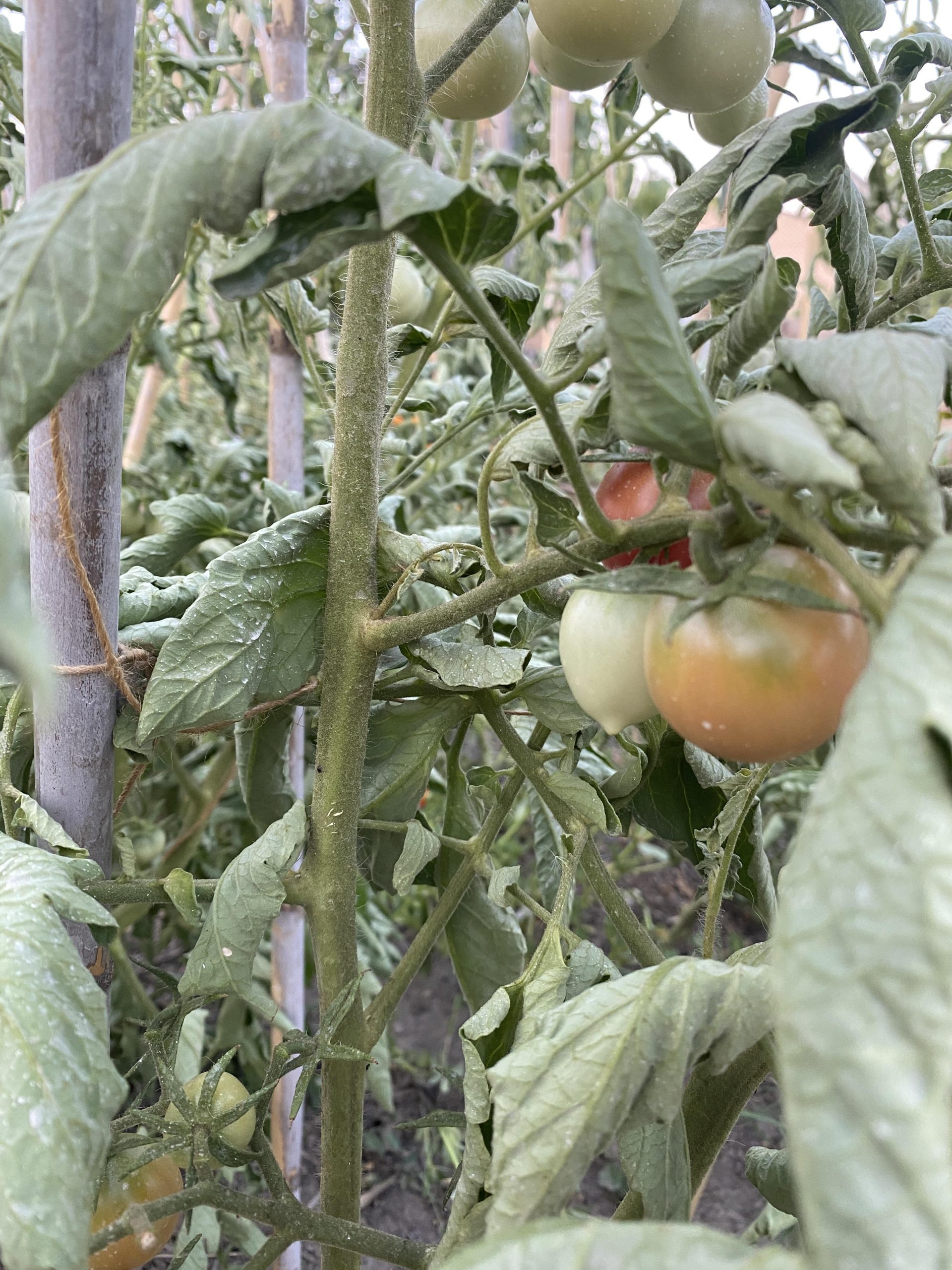
Are you worried about your tomato plants when the temperature drops to 30 degrees? You’re not alone.
Many gardeners wonder if their tomatoes can handle such cold weather. The truth is, cold temperatures can seriously affect your plants, but understanding how they react can help you protect your garden. Keep reading to discover whether your tomato plants can survive 30-degree weather and what you can do to keep them healthy and thriving.
Tomato Plants And Heat Stress
Tomato plants face many challenges in hot weather. Temperatures around 30 degrees Celsius can cause heat stress. This stress affects plant growth and fruit production. Understanding how heat impacts tomatoes helps gardeners protect their plants.
Effects Of High Temperatures
High heat slows down tomato plant growth. Leaves may curl or wilt to reduce water loss. Flowers can drop before forming fruit. Pollination becomes less effective, leading to fewer tomatoes. Prolonged heat can cause fruit to develop poorly. The skin may crack or turn sunburned.
Signs Of Heat Damage
- Leaves look dry, curled, or scorched at edges.
- Flowers fall off early without making fruit.
- New growth slows or stops.
- Fruits show uneven ripening or sunburn spots.
- Plant stems may weaken and droop.

Credit: www.reddit.com
Optimal Temperature Range For Growth
Tomato plants grow best within a specific temperature range. Too hot or too cold, and their growth slows or stops. Understanding this range helps gardeners protect their plants. Ideal temperatures support strong stems, healthy leaves, and abundant fruit.
The optimal daytime temperature for tomato plants is between 70°F and 85°F (21°C to 29°C). Night temperatures should stay between 55°F and 70°F (13°C to 21°C). These conditions encourage steady growth without stress.
Day Vs Night Temperature Needs
Tomatoes need warmer days and cooler nights. Warm days help leaves and stems grow well. Cooler nights slow growth slightly but support energy use for fruit development.
High day temperatures above 85°F (29°C) can cause leaf damage. Night temperatures below 55°F (13°C) may slow fruit ripening. Both extremes affect plant health.
Impact On Flowering And Fruit Set
Tomato flowers form best between 70°F and 85°F (21°C to 29°C) during the day. Night temperatures above 70°F (21°C) can cause flowers to drop. Fruit set reduces in very hot or cold nights.
Stable temperatures encourage flowers to develop into fruits. Large swings in temperature stress the plant. This stress leads to fewer tomatoes and smaller harvests.
Survival Strategies At 30 Degrees
Tomato plants face a tough challenge at 30 degrees Celsius, but survival isn’t impossible. Your approach to handling the heat can make all the difference in keeping your plants healthy and productive. Let’s look at how choosing the right varieties and adjusting your watering routine can help your tomatoes thrive even in high temperatures.
Heat-tolerant Tomato Varieties
Not all tomato plants respond the same to heat. Some varieties are bred specifically to handle temperatures around 30 degrees Celsius and above. Varieties like ‘Heatmaster’, ‘Solar Fire’, and ‘Phoenix’ have shown strong resilience to heat stress.
These heat-tolerant tomatoes keep setting fruit when others might stop. Growing these can save you from losing your entire harvest. Have you tried any heat-resistant types before? If not, it might be worth experimenting to see how they perform in your garden.
Adjusting Watering Practices
Watering is crucial at high temperatures, but it’s easy to get it wrong. Overwatering can drown roots, while underwatering stresses the plant. The key is to keep the soil consistently moist but not soggy.
Water your tomatoes early in the morning to reduce evaporation and help the plant absorb moisture throughout the day. Mulching around the base can also keep soil cooler and retain water longer. Have you noticed how your plants respond to different watering schedules during hot spells? Adjusting when and how much you water can be a game-changer for survival at 30 degrees.
Protective Measures For Extreme Heat
Extreme heat can stress tomato plants, causing leaves to wilt and fruit to drop prematurely. Protecting your plants during 30-degree weather is crucial to keep them healthy and productive. Using the right strategies, you can help your tomatoes survive and even thrive despite the heat.
Shade Solutions
Providing shade reduces the amount of direct sunlight hitting your tomato plants. You can use shade cloths with 30-50% density to filter sunlight without blocking it completely. Another option is placing your plants near taller plants or structures that cast natural shade during the hottest part of the day.
Have you noticed how some plants under trees handle heat better? That’s the kind of protection tomato plants need during extreme heat spikes. Even a temporary shade setup during peak afternoon sun can make a big difference.
Mulching Benefits
Mulch acts as a barrier, keeping soil moisture in and lowering soil temperature. Organic mulches like straw, grass clippings, or shredded leaves work well for tomatoes. They not only retain moisture but also improve soil health over time.
Imagine watering your plants less often while they stay cool and hydrated—that’s what mulching offers. It’s a simple step that saves water and shields roots from extreme heat stress.
Ventilation Tips For Greenhouses
If you grow tomatoes in a greenhouse, proper airflow is key to preventing heat buildup. Open vents or windows during the hottest hours to allow hot air to escape and cooler air to enter. Installing fans can also help circulate air and reduce humidity.
Have you ever stepped into a stuffy greenhouse on a hot day? Your tomato plants feel the same way. Keeping air moving prevents heat stress and helps maintain a stable environment for growth.
Soil And Nutrient Management
Soil and nutrient management plays a vital role in helping tomato plants survive 30 degree Celsius weather. High temperatures stress the plants and affect their growth. Proper care of soil and nutrients ensures the plants stay healthy and produce good fruit. Focus on keeping soil conditions stable and nutrients balanced during hot days.
Maintaining Soil Moisture
Tomato plants need consistent moisture in hot weather. Dry soil causes stress and reduces fruit quality. Use mulch to keep soil cool and reduce water evaporation. Water deeply but less often to encourage strong roots. Check soil moisture regularly by touching the soil surface. Avoid waterlogging, which harms roots and invites diseases.
Fertilizing In Hot Weather
Fertilizing during hot days requires care. Avoid over-fertilizing, as plants absorb nutrients slower in heat. Use balanced fertilizers with nitrogen, phosphorus, and potassium. Apply small doses more frequently rather than a large amount at once. Organic fertilizers work well to improve soil health and moisture retention. Monitor plant leaves for signs of nutrient deficiency or burn.

Credit: www.reddit.com
Timing And Planting Techniques
Timing and planting techniques play a crucial role in whether your tomato plants can survive in 30-degree weather. Planting at the right time helps avoid exposing young, vulnerable plants to harsh cold. Using smart planting methods can give your tomatoes a better chance of thriving even when temperatures dip unexpectedly.
Best Planting Seasons
The ideal planting seasons for tomatoes are spring and early summer. Starting your seeds indoors 6-8 weeks before the last frost date gives seedlings time to strengthen. Transplant them outdoors only after the danger of frost has passed and soil temperatures reach at least 60°F.
Late summer planting is possible in warmer climates, but watch the weather closely. If a cold snap is forecasted, be ready to protect your plants. Have you noticed how tomatoes struggle when planted too early or too late? Timing your planting can reduce stress and improve fruit production.
Using Containers For Mobility
Growing tomatoes in containers lets you move plants away from cold drafts or frosty ground. Containers warm up faster in the sun, which helps root development in cooler weather. You can bring pots indoors or into a sheltered spot during unexpected cold spells.
Choose containers with good drainage and fill them with high-quality potting mix. Smaller pots dry out quickly, so monitor moisture levels closely. Have you tried moving your tomato plants inside during chilly nights? It often saves them from damage and keeps your harvest on track.
Monitoring And Adjusting Care
Monitoring and adjusting care is key for tomato plants in 30-degree weather. High temperatures stress plants quickly. Careful observation helps catch problems early. Adjusting water, shade, and nutrients supports plant health. This keeps your tomatoes growing strong despite the heat.
Daily Plant Checks
Check tomato plants every day, especially during hot spells. Look for changes in leaf color and texture. Wilting leaves signal water needs. Dry soil means it’s time to water. Inspect stems for any spots or damage. Catching issues early prevents big problems later.
Pay attention to fruit too. Sunscald appears as pale, dry patches on tomatoes. This means too much direct sun. Moving plants to shade or using covers helps prevent damage. Daily checks also reveal pests or diseases early.
Responding To Heat Stress Symptoms
Heat stress shows in several ways on tomato plants. Leaves may curl, turn brown, or drop. Flowers might fall before fruit forms. Fruit can crack or ripen unevenly. Acting fast helps plants recover.
- Increase watering to keep soil moist but not soggy.
- Apply mulch to keep soil cool and retain moisture.
- Use shade cloth or create shade during peak sun hours.
- Prune dense foliage to improve air flow and reduce heat buildup.
- Feed plants with balanced fertilizer to support growth.
Adjusting care based on these signs helps tomato plants survive and thrive in 30-degree heat.
:strip_icc()/bhg-Eva-Kolenko-tomatoes-BP_hOYI1aR8AT8aYBZUC7O-63eae6afafbc49cf88e86e2fb01c5798.jpg)
Credit: www.bhg.com
Frequently Asked Questions
Can Tomatoes Survive Freezing Temperatures?
Tomato plants struggle at 30 degrees Fahrenheit, as frost can damage or kill them. They thrive in warmer conditions. Protect them with covers or move them indoors during cold spells to ensure survival.
How To Protect Tomato Plants In Cold Weather?
Use frost cloths, blankets, or row covers to shield plants from cold. Water them well, as moist soil retains heat better. Move potted tomatoes indoors during cold nights for extra protection.
What Temperature Is Too Cold For Tomatoes?
Tomatoes cannot tolerate temperatures below 50 degrees Fahrenheit for prolonged periods. Cold temperatures can stunt growth and damage plant tissues. Ensure they are kept in a warmer environment for optimal health.
Can I Grow Tomatoes In Winter?
Growing tomatoes in winter is challenging due to cold temperatures. Use a greenhouse or indoor setup with grow lights for successful winter cultivation. Ensure consistent warmth and light for best results.
Conclusion
Tomato plants struggle to survive in 30-degree weather. Such cold can damage their leaves and slow growth. Protecting plants with covers or moving pots indoors helps. Choosing cold-hardy tomato varieties also improves chances. Watching weather forecasts lets you act before frost arrives.
Healthy soil and proper watering support plant strength. Growing tomatoes in colder climates needs extra care and attention. Small steps make a big difference in plant survival. Keep trying, and your tomatoes can still thrive despite the chill.


