Have you ever wondered if your tomato plants can survive when the cold weather hits? You’ve put time and care into growing those juicy fruits, and the last thing you want is to see them wither when temperatures drop.
Understanding how cold affects tomatoes can save your garden and help you enjoy fresh tomatoes longer. Keep reading to discover simple tips and essential facts that will protect your plants and keep your harvest thriving, even when the chill sets in.

Credit: savvygardening.com
Tomato Cold Sensitivity
Tomatoes are warm-season plants sensitive to cold temperatures. Cold weather can stunt their growth and damage their leaves and fruit. Understanding tomato cold sensitivity helps gardeners protect their plants. Knowing how cold affects tomatoes aids in planning the growing season.
Effects Of Cold On Tomato Plants
Cold temperatures slow down tomato plant growth. Leaves may turn yellow or develop brown spots. Cold can cause flowers to drop, reducing fruit production. The fruit might become soft or develop blotches. Prolonged cold can kill young plants. Cold stress weakens tomatoes, making them prone to diseases.
Critical Temperature Thresholds
| Temperature | Effect on Tomatoes |
|---|---|
| Above 50°F (10°C) | Normal growth and fruit production |
| 45°F to 50°F (7°C to 10°C) | Growth slows; flowers may drop |
| 32°F to 45°F (0°C to 7°C) | Leaves show damage; fruit quality declines |
| Below 32°F (0°C) | Frost damage; plant death likely |
Signs Of Cold Damage
Recognizing the signs of cold damage on your tomato plants is crucial to saving your harvest. Cold weather can stress the plants in subtle ways before you notice any serious harm. Catching these early signs helps you react quickly and protect your tomatoes from further injury.
Leaf Discoloration And Wilting
One of the first signs you’ll see is leaf discoloration. Leaves might turn pale green, yellow, or even take on a bluish tint. This happens because cold temperatures disrupt chlorophyll production, which your plants need to stay healthy.
Wilting is another clear indicator. Even if the soil is moist, cold-damaged leaves lose their firmness and droop. You might notice the edges curling or becoming brittle too. Have you checked your tomato leaves after a chilly night yet?
Fruit Quality Changes
Cold weather doesn’t just affect leaves; it impacts the fruit as well. Tomatoes exposed to cold may develop a blotchy or uneven color. The skin can become tough or leathery, making the fruit less appetizing.
The texture often changes too. Instead of juicy and firm, cold-affected tomatoes can feel mushy or mealy inside. These quality issues can reduce your crop’s market value or simply spoil your dinner plans.
Choosing Cold-resistant Varieties
Choosing cold-resistant tomato varieties is essential for gardeners in cooler areas. These varieties can handle low temperatures better than regular tomatoes. They stay healthy longer and produce fruit even when the weather turns chilly.
Picking the right type of tomato helps avoid crop loss and extends the growing season. Cold-resistant plants often have shorter growing times and stronger stems. They tolerate frost and cool nights, which protects your garden investment.
Best Tomato Varieties For Cool Climates
- Siberian:Known for fast growth and frost tolerance.
- Glacier:Thrives in cooler temperatures and produces sweet fruit.
- Stupice:A Czech variety that grows well in cold weather.
- Sub Arctic Plenty:One of the earliest producers for cold gardens.
- North Star:Compact and cold-hardy, perfect for short seasons.
Seed Selection Tips
- Choose seeds labeled for cool or short-season climates.
- Look for varieties with early maturity dates.
- Pick seeds from trusted suppliers with quality guarantees.
- Buy seeds that mention disease resistance for better plant health.
- Start seeds indoors to give plants a head start before transplanting.
:max_bytes(150000):strip_icc()/GettyImages-1340725843-6fe9e3402741404c8c5b96f3022d7bdc.jpg)
Credit: www.thespruce.com
Preparing Tomatoes For Cold
Preparing your tomato plants for cold weather takes more than just hoping they survive the drop in temperature. You need to get the soil ready and time your planting carefully. These steps will give your tomatoes the best chance to thrive despite chilly conditions.
Soil And Site Preparation
Healthy soil is the foundation for cold-hardy tomatoes. Start by checking your soil’s drainage; tomatoes hate sitting in waterlogged ground. If your soil is heavy clay, mix in organic matter like compost or aged manure to improve texture and warmth retention.
Choose a planting site that gets plenty of sunlight, ideally south-facing. Sunlight warms the soil and air, protecting your plants from cold snaps. Avoid low spots where cold air and frost tend to settle.
Timing Of Planting
Plant your tomatoes after the last expected frost date in your area. Planting too early exposes young plants to damaging cold. If you want an early start, consider starting seedlings indoors or using protective covers outdoors.
Have you ever noticed how much faster tomatoes grow when the days get longer? Timing your planting to match these natural cues helps your plants build strength before cold weather arrives.
Protective Techniques
Tomatoes are sensitive to cold temperatures, but several protective techniques help them survive chilly weather. These methods keep the plants warm and safe from frost damage. Using simple materials and structures, gardeners can extend the growing season and protect their tomato crops.
Using Mulch And Coverings
Mulch acts as an insulator for tomato roots. Applying straw, leaves, or grass clippings around the base keeps soil temperatures stable. Coverings such as frost cloths or old sheets protect plants from cold air at night. Secure the coverings with rocks or stakes to prevent wind from blowing them away. Removing coverings during the day allows sunlight to warm the plants.
Building Cold Frames And Cloches
Cold frames are small, transparent boxes that trap heat from the sun. They create a warm microclimate around tomato plants. Cloches are bell-shaped covers, often made of glass or plastic, placed over individual plants. Both structures shield tomatoes from frost and wind. Cold frames and cloches also help retain moisture, reducing water stress during cold periods.
Indoor And Greenhouse Options
Growing tomatoes indoors or in greenhouses provides full control over temperature. Greenhouses use sunlight and heat to maintain warmth. Indoor growing under grow lights offers warmth and light during cold months. These options protect tomatoes from extreme cold and pests. They allow year-round growth in cooler climates.
Watering And Feeding During Cold
Watering and feeding tomatoes during cold weather need careful attention. Cold slows down plant growth and water use. Overwatering can cause root problems. Underwatering can stress the plants. Feeding should support the plant without forcing growth too fast.
Adjusting Watering Schedules
Tomatoes need less water in cold weather. Soil stays moist longer due to lower temperatures. Check soil moisture before watering. Water only when the top inch feels dry. Use lukewarm water to avoid shocking roots. Water early in the day to let leaves dry. Avoid watering late at night to prevent fungal diseases.
Fertilizer Use In Cold Weather
Plants absorb nutrients slower in cold soil. Use fertilizers with balanced nutrients, not too strong. Avoid high nitrogen fertilizers that encourage leaf growth. Choose formulas with more phosphorus and potassium. Apply fertilizer sparingly to avoid root burn. Organic options like compost tea support gentle feeding. Feed tomatoes once every two to three weeks during cold spells.
Post-cold Weather Care
After a cold snap, your tomato plants need careful attention to bounce back strong. Post-cold weather care can make the difference between losing your crop and enjoying a fruitful harvest. How you assess and treat your plants now sets the stage for their recovery and future growth.
Assessing Plant Health
Start by closely inspecting your tomato plants for signs of cold damage. Look for wilted leaves, blackened stems, or mushy spots which indicate frost injury.
Check the soil moisture too. Cold weather often slows water uptake, so ensure the soil isn’t overly dry or soggy.
Ask yourself: Are the main stems still firm, or do they feel soft and brittle? Firm stems mean your plant still has a chance to recover.
Pruning And Recovery Tips
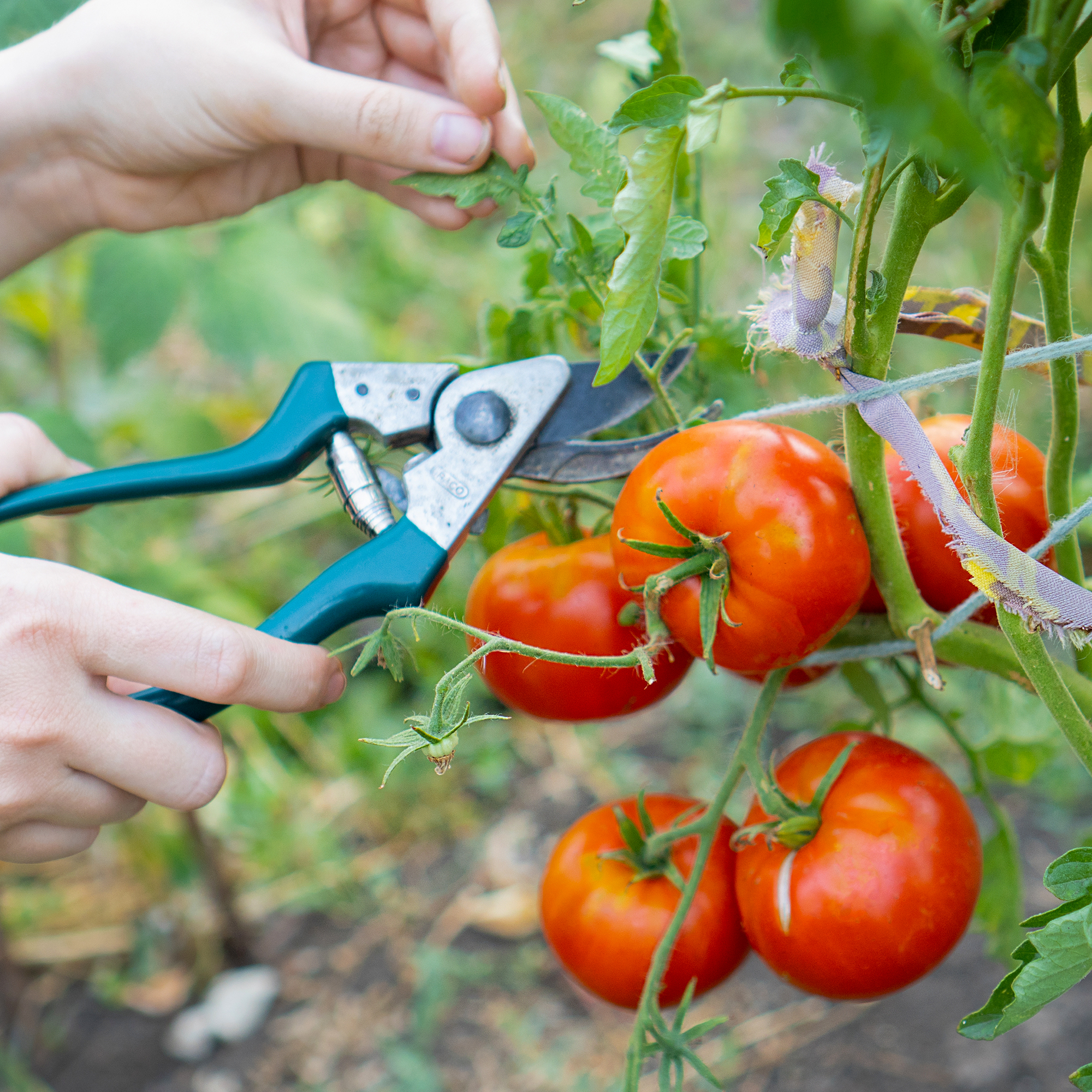
Trim away any dead or damaged leaves and stems carefully to help your tomato plants focus energy on healthy growth. Use clean, sharp pruning shears to avoid spreading disease.
If you see new shoots emerging below the damaged areas, gently prune the old parts to encourage fresh growth. Sometimes cutting back severely affected branches can save the entire plant.
Keep your plants well-watered but avoid waterlogging. Adding a layer of mulch can regulate soil temperature and moisture, aiding recovery.
Have you considered giving your tomatoes a boost with a balanced fertilizer? A light feeding can support new growth but avoid over-fertilizing, which stresses recovering plants.
Credit: www.gardeningknowhow.com
Frequently Asked Questions
Can Tomatoes Withstand Frost?
Tomatoes are sensitive to frost and cold temperatures. Frost can damage or kill the plants. To protect them, consider covering the plants with blankets or using row covers. Bringing potted tomatoes indoors during cold nights can also help ensure their survival.
What Temperature Is Too Cold For Tomatoes?
Tomatoes struggle in temperatures below 50°F (10°C). Prolonged exposure to cold can stunt growth and affect fruit development. Ideally, tomatoes thrive in temperatures between 70°F and 85°F (21°C to 29°C). Maintaining this range ensures healthy growth and optimal fruit production.
How Can I Protect Tomatoes From Cold?
Protect tomatoes by using frost cloths or row covers. Mulching around the base can also help retain warmth. If potted, move plants indoors during chilly nights. Additionally, consider using water-filled plastic bottles to radiate heat during nighttime.
Can Tomatoes Recover From Cold Damage?
Tomatoes can recover from mild cold damage if temperatures improve quickly. Prune damaged leaves to encourage new growth. Provide optimal warmth and care to help the plant recover. Severe frost damage, however, may require replanting new seedlings.
Conclusion
Tomatoes do not grow well in cold weather. Frost and freezing temperatures can harm the plants. Protect young tomato plants with covers or bring pots indoors. Choose cold-tolerant tomato varieties for better chances. Keep soil warm and avoid watering too much in cold.
Growing tomatoes in cold climates needs extra care and attention. With the right steps, you can enjoy fresh tomatoes despite cold weather. Try these tips and see how your plants survive the chill.


