Have you ever wondered how long fish can survive without water? It’s a surprising question because fish live in water, right?
But what happens if they are out of it for a while? Understanding this can help you care better for your pet fish or even save a fish in an emergency. You’ll discover the amazing ways fish manage to stay alive without water and what limits their survival.
Keep reading—you might be shocked by what fish can really do!
Fish And Water Dependence
Fish depend heavily on water for survival. Water is not just their home but also a vital source for breathing and other life functions. Without water, fish struggle to breathe and stay alive. Understanding their dependence on water helps explain how long they can survive outside it.
Why Fish Need Water
Water provides fish with oxygen. Fish absorb oxygen dissolved in water to breathe. It also supports their body structure and movement. Water keeps their skin moist, which is necessary for many fish species. Without water, fish cannot carry out these basic life processes.
Role Of Gills In Respiration
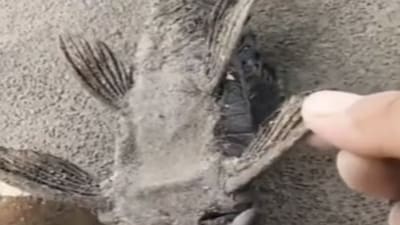
Gills are the main organs fish use to breathe. They extract oxygen from water and release carbon dioxide. Gills have thin walls and many blood vessels to help this process. When fish are out of water, gills collapse and cannot function well. This stops oxygen intake and causes fish to suffocate quickly.
Credit: www.news18.com
Survival Time Without Water
Fish rely on water to breathe and survive. Without water, their bodies face severe stress. The time they can live without water varies greatly. Several factors influence this survival time. Understanding these limits helps in fish care and rescue.
Average Time Limits
Most fish survive only a few minutes outside water. Small, hardy fish might last up to an hour. Some species, like lungfish, can survive days without water. But typical aquarium fish usually cannot exceed 10 minutes. Lack of oxygen causes rapid damage to their gills.
Factors Affecting Survival Duration
- Species:Some fish have adaptations for air breathing.
- Humidity:High moisture slows gill drying and extends survival.
- Temperature:Cooler air lowers metabolism, helping fish last longer.
- Size:Larger fish often survive longer due to body moisture.
- Stress level:Calm fish use less oxygen and survive longer.
Fish Species With Exceptional Survival
Some fish species can survive out of water for an impressive time. Their unique traits help them live in harsh conditions. These fish have special adaptations that protect them from drying out and allow breathing air. Exploring these species shows nature’s amazing survival skills.
Lungfish Adaptations
Lungfish can breathe air through lungs, like land animals. They survive in mud during dry seasons by burrowing and forming a mucus cocoon. This keeps their body moist and safe from heat. Lungfish can live without water for months, waiting for rains to return.
Mudskippers And Amphibious Behavior
Mudskippers are fish that spend much time on land. They use their strong pectoral fins to move on mud and rocks. Mudskippers breathe through their skin and the lining of their mouth and throat. This helps them absorb oxygen from the air. They can survive several hours or days outside water.
Other Notable Species
- Climbing Perch: Can breathe air and walk on land using fins.
- Walking Catfish: Moves across land to find water and breathe air.
- Electric Eel: Survives in oxygen-poor water and can gulp air.
These fish show how life adapts to survive tough environments. Their skills help them live without water longer than most fish.

Credit: www.youtube.com
Mechanisms Behind Air Survival
Fish usually live in water, which gives them oxygen through their gills. Without water, they cannot breathe the usual way. Some fish have special ways to survive without water for a while. These ways help them get oxygen, save energy, and keep their bodies moist.
Alternative Breathing Methods
Certain fish use parts of their body other than gills to breathe air. Some have lungs or lung-like organs that take in oxygen directly from the air. Others can absorb oxygen through their skin or the lining of their mouth. These adaptations let them survive outside water for hours or even days.
Metabolic Slowdown
Fish can slow down their metabolism to save energy when out of water. This means they use less oxygen and produce less waste. Their body functions become very slow, helping them survive longer without fresh oxygen. It is like going into a low-power mode until they return to water.
Moisture Retention Strategies
Keeping the body moist is crucial for fish outside water. Some fish produce mucus to cover their skin and reduce water loss. Others burrow into wet mud or hide under leaves to stay damp. Moisture helps their skin and breathing surfaces work properly until they find water again.
Environmental Influences
Fish survival outside water depends heavily on their environment. Several factors affect how long they can live without water. Understanding these influences helps explain why some fish survive longer than others in dry conditions.
Temperature Effects
Temperature changes impact fish survival time significantly. Warmer temperatures increase fish metabolism. This causes them to use oxygen faster. High temperatures can dry out their skin quickly. Cold temperatures slow down metabolism. Fish can survive longer in cooler air. Extreme heat shortens survival time greatly.
Humidity Impact
Humidity controls how fast fish lose moisture. High humidity keeps fish skin moist longer. This reduces stress and dehydration risks. Low humidity causes rapid water loss. Fish dry out and die quickly. Environments with steady humidity help fish survive better. Dry air is dangerous for fish out of water.
Oxygen Availability
Fish need oxygen to breathe, even outside water. Some fish can absorb oxygen through their skin. This ability depends on oxygen levels in the air. Low oxygen reduces survival time. Well-oxygenated air helps fish live longer. Enclosed spaces with poor air circulation harm fish survival.

Credit: x.com
Implications For Fish Care
Understanding how long fish can survive without water has clear implications for how you care for them. Fish depend heavily on water not just for breathing but also for maintaining body temperature and overall health. Knowing their limits helps you avoid life-threatening situations and ensures your aquatic pets stay safe and comfortable.
Transporting Fish Safely
Transporting fish requires careful planning to keep them moist and oxygenated. Using sealed bags filled partially with water and oxygen can extend their survival time outside a tank. Have you ever watched a bag of fish during a trip? The less movement and stress, the better their chances.
Make sure to avoid exposing the fish to extreme temperatures during transport. Keeping the water cool but not cold reduces metabolic stress. Carry extra water and a portable aerator if the journey is long.
Handling During Water Changes
Water changes are essential but can be risky if fish are left out of water for too long. Prepare all equipment before removing your fish to minimize air exposure. Even a minute without water can cause stress that affects their health.
If you need to temporarily hold fish, use a wet container or a shallow dish with some tank water. This simple step can prevent damage to their delicate skin and gills. Have you noticed how fish react differently to brief air exposure? It’s a reminder to act quickly and gently.
Emergency Measures For Stranded Fish
If a fish accidentally lands outside the water, act immediately. Keep the fish wet by covering it with a damp cloth or spray it gently with water. This helps maintain moisture and reduces stress.
Quickly return the fish to water with proper aeration and monitor for signs of distress. If you have experienced this situation, you know how crucial those first few minutes are. Do you have a plan ready for such emergencies? Having one can make all the difference.
Surprising Survival Stories
Fish are often seen as creatures completely dependent on water to survive. Yet, some surprising stories show that certain fish can endure far longer without water than you might think. These survival tales challenge what you believe about aquatic life and open your eyes to nature’s resilience.
Real-life Cases
Consider the lungfish, which can survive months buried in mud, breathing air until water returns. Another example is the climbing perch, known to walk on land and live for up to 6 hours out of water. These cases reveal that some fish adapt in extraordinary ways to harsh conditions.
Have you ever wondered how fish manage to survive in such extreme environments? Their ability to slow down metabolism and use specialized organs helps them endure without water. This shows the importance of adaptation in survival.
Scientific Studies
Research has shown that certain species reduce oxygen consumption drastically when out of water. Scientists measure survival times and observe behaviors that help fish conserve energy. For instance, mudskippers use their skin and mouth linings to absorb oxygen from the air.
Studies also explore the limits of fish endurance without water, revealing that environmental factors like humidity and temperature play a huge role. This insight can help you understand how climate change might affect aquatic life survival.
Lessons Learned
These stories teach you not to underestimate the toughness of fish. You can apply this knowledge if you keep fish as pets or work in aquatic conservation. For example, knowing that some species can survive brief periods out of water helps you handle emergencies better.
What could these survival mechanisms mean for future fish care or habitat protection? Recognizing fish resilience encourages you to respect their needs and vulnerabilities. It also inspires innovative ways to support aquatic ecosystems under stress.
Frequently Asked Questions
How Long Can Fish Breathe Outside Water?
Fish can only survive a few minutes to hours outside water. This varies depending on species and environmental conditions. Some fish have adaptations that allow them to survive longer. However, being outside water is generally harmful to fish, leading to stress, dehydration, and potentially fatal conditions.
Why Do Fish Need Water To Survive?
Fish need water for oxygen exchange through their gills. Water supports their buoyancy and regulates body temperature. It also provides essential nutrients and a medium for excretion. Without water, fish can’t breathe or maintain their physiological functions, leading to death.
Can Some Fish Survive Without Water Longer?
Yes, some fish, like lungfish, can survive without water for months. They enter a state of aestivation, slowing metabolism and breathing air. However, most fish species lack such adaptations and can’t survive long without water. They need water to breathe and function properly.
What Happens If Fish Are Out Of Water Too Long?
When fish are out of water too long, they suffocate due to lack of oxygen. Their gills collapse, and they dehydrate quickly. Prolonged exposure leads to stress, organ failure, and death. It’s crucial to return fish to water promptly to prevent fatal consequences.
Conclusion
Fish need water to breathe and live. Without water, their survival time is very short. Some fish can survive a few minutes out of water. Others, like lungfish, can last for months in wet mud. Still, most fish die quickly without water.
This shows how important water is for fish life. Always handle fish carefully and return them to water fast. Protecting their natural habitat helps fish stay healthy and alive. Remember, water is the key to fish survival.