Have you ever wondered how long an octopus can survive out of water? It’s a surprising question because we usually see these creatures deep underwater, but sometimes they end up on land or in shallow pools.
Understanding how long they can live without water will change the way you think about these amazing animals. If you’re curious about their unique survival skills and what happens when they’re out of their natural habitat, keep reading—you’ll discover facts that might shock you and reveal just how tough octopuses really are.
Octopus Breathing Basics
Understanding how octopuses breathe is key to knowing how long they can survive out of water. Their unique respiratory system allows them to extract oxygen efficiently underwater, but it also limits their time on land. Let’s break down the basics of octopus breathing to see how these fascinating creatures manage their oxygen needs.
How Octopuses Breathe Underwater
Octopuses use gills to breathe, much like fish. Water enters through a funnel, passes over the gills, and oxygen is absorbed into their blood.
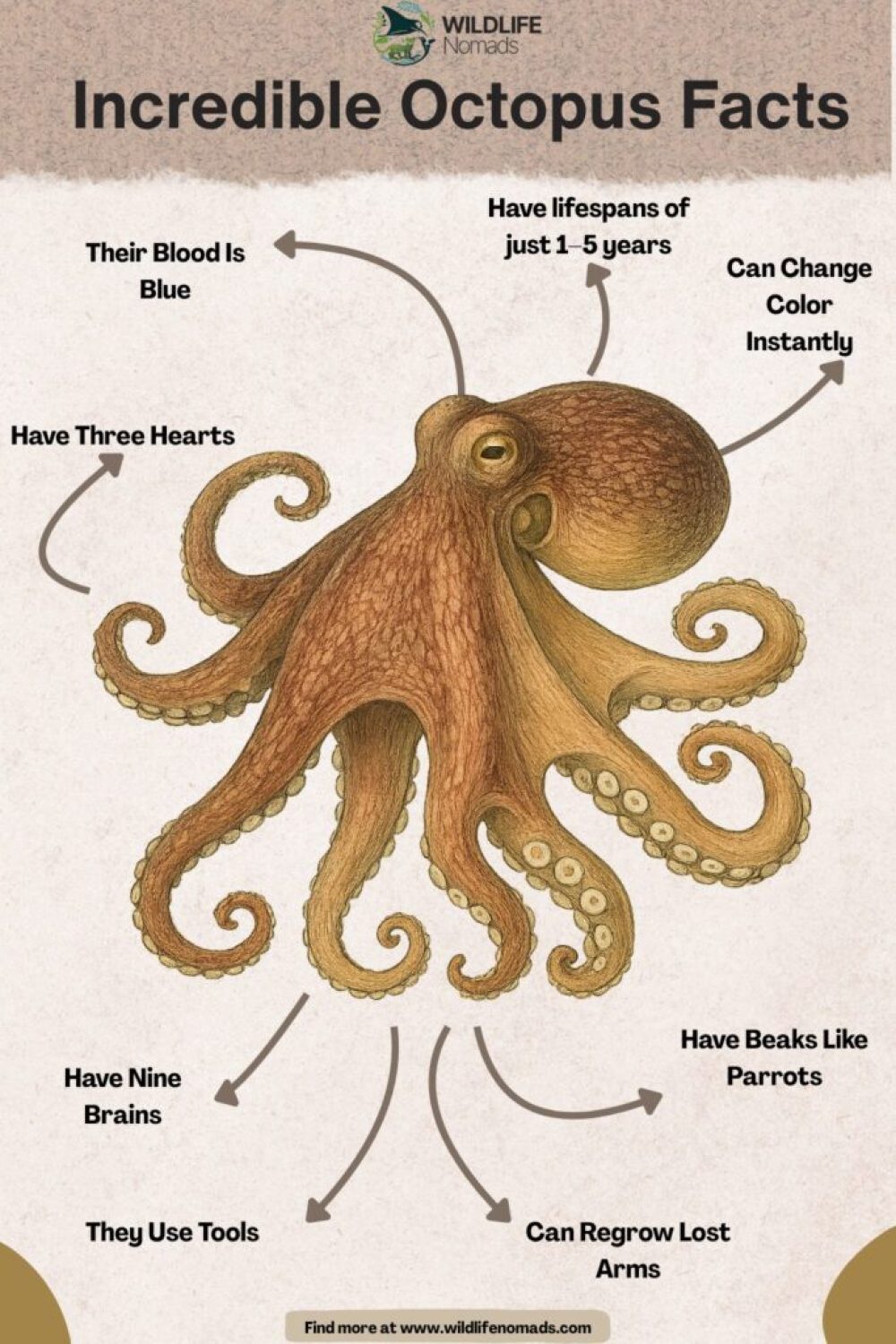
Their blood contains a copper-rich protein called hemocyanin, which carries oxygen efficiently in cold, low-oxygen environments. This makes them well adapted to the deep sea but also sensitive to changes when out of water.
Have you ever wondered why octopuses rarely leave the water? Their gills need a constant flow of water to function properly, which is why staying moist is vital for their survival.
Oxygen Absorption Through Skin
Besides gills, octopuses can absorb some oxygen through their skin. This ability helps them survive short periods out of water, as long as their skin remains wet.
However, this skin absorption is limited. It can’t replace gill function for long, so the octopus must return to water soon or risk suffocation.
Next time you see an octopus crawling on a rock, think about how it’s relying on its skin to breathe. How long do you think it can last before it needs to head back to the water?
Survival Time Out Of Water
Octopuses are marine animals that rely on water for breathing. Their gills extract oxygen from water, making it hard to survive out of it. Yet, some octopus species can tolerate brief times on land. Understanding their survival time outside water reveals how they adapt and stay safe.
Typical Duration On Land
Most octopuses can survive only a few minutes out of water. Usually, this time ranges between 5 and 10 minutes. Some species, like the common octopus, may last up to 30 minutes if conditions are cool and moist. They lose moisture quickly and risk suffocation without water. Prolonged exposure causes stress and damage to their bodies.
Factors Affecting Survival Time
- Moisture:Damp environments help octopuses breathe through their skin.
- Temperature:Cooler air slows moisture loss and extends survival.
- Species:Some species are better adapted for short land ventures.
- Activity Level:Resting octopuses survive longer than active ones.
- Size:Smaller octopuses lose water faster and have shorter survival.
Overall, the survival time out of water depends on multiple factors. Octopuses use their abilities carefully to avoid danger on land.
Adaptations For Land Survival
Octopuses are fascinating creatures, especially when you consider their ability to survive outside water for short periods. Their survival on land depends on several unique adaptations that help them manage moisture and navigate the unfamiliar environment. Understanding these adaptations can change how you view these intelligent animals and their resilience.
Moisture Retention Mechanisms
Octopuses have soft, porous skin that dries out quickly, so they rely heavily on moisture retention to survive on land. They often keep their bodies moist by covering themselves with water from their surroundings or seeking damp places like tide pools and wet rocks.
Specialized skin cells help reduce water loss by creating a thin protective layer. This layer slows evaporation, allowing octopuses to stay out of water longer than you might expect—sometimes up to 20 minutes or more.
Have you ever noticed how some octopuses squirt water onto their skin? This behavior isn’t random; it’s a clever trick to keep their skin wet and functional while exploring on land.
Behavioral Adjustments
Octopuses don’t just rely on physical traits; their behavior plays a crucial role in land survival. They choose to move mostly during cool, moist conditions like night or early morning to avoid drying out.
When out of water, they adopt slow, deliberate movements to minimize exposure and conserve moisture. You might see them crawling carefully, using their arms to stay close to damp surfaces.
Some species even hide under seaweed or in shaded crevices to stay cool and moist. These behavioral choices show how adaptable octopuses are, making you wonder how much more they could teach us about survival outside their usual habitat.

Credit: www.wildlifenomads.com
Risks Of Being Out Of Water
Octopuses are fascinating creatures with unique abilities to survive briefly out of water, but this comes with serious risks. Being out of their natural aquatic environment exposes them to dangers that can quickly affect their health and safety. Understanding these risks helps you appreciate why octopuses rarely leave water and what happens when they do.
Dehydration And Stress
Octopuses need moisture to keep their skin and gills functioning properly. Out of water, they rapidly lose moisture through their skin, leading to dehydration within minutes. This moisture loss disrupts their ability to breathe, causing severe stress that can affect their nervous system.
Imagine holding your breath in a dry, hot room; the struggle is similar for an octopus trying to breathe through dry skin. Stress hormones spike, weakening their immune response and making recovery difficult if they return to water too late. Have you ever considered how delicate an octopus’s balance really is?
Predator Vulnerability
On land or exposed surfaces, octopuses lose the protection their watery environment provides. They become easy targets for birds, crabs, and other predators waiting for a chance to attack. Their usual camouflage tactics are less effective outside water, increasing their risk further.
Even the most agile octopus can’t escape quickly on land. Their movements slow and awkward, which makes them vulnerable. Next time you see an octopus out of water, think about how exposed and defenseless it really is.
Scientific Studies And Observations
Scientific studies and observations help us understand how octopuses survive outside water. Researchers test their limits in labs and note real-life cases in nature. These insights reveal how octopuses manage air exposure and what risks they face.
Lab Experiments On Air Exposure
Scientists have conducted lab experiments to observe octopuses out of water. They found that some species can survive for several minutes to hours. Survival time depends on the species, humidity, and temperature.
In controlled settings, octopuses reduce their activity to save energy. Their skin helps keep moisture, slowing dehydration. Some experiments show octopuses can absorb oxygen through their skin during air exposure.
These studies prove octopuses have special adaptations. They can tolerate short periods out of water. Yet, longer exposure increases stress and risk of damage.
Wild Encounters And Case Reports
In the wild, octopuses sometimes leave water to escape predators or hunt. Observations report octopuses moving across wet rocks or tidal pools. Some survive for 10 to 20 minutes out of water during these journeys.
Fishermen and divers have also noted octopuses surviving brief air exposure. Some species appear more tolerant, especially those in intertidal zones. Still, prolonged exposure can harm their skin and breathing ability.
These real-world cases support lab findings. They show octopuses’ impressive but limited ability to cope with air exposure. Nature tests their survival skills beyond the water’s edge.
Implications For Conservation
Understanding how long octopuses survive out of water helps shape conservation efforts. These creatures are sensitive to changes in their environment. Their ability to endure short periods outside water affects their survival in natural habitats and human care. Protecting octopus populations requires knowledge of their limits and the risks they face.
Impact Of Tide Pools And Shoreline Changes
Tide pools provide temporary refuge for octopuses stranded during low tides. These pools offer moisture and oxygen but can dry quickly. Shoreline development often reduces the number of safe tide pools. Pollution and habitat loss also threaten these critical areas.
Rising sea levels and coastal erosion change the shape of shorelines. These changes can limit the places octopuses hide and rest. Fewer tide pools mean higher stress and lower survival rates for octopuses out of water.
Human Interaction And Handling Tips
Humans often encounter octopuses in tide pools and shallow waters. Handling them carelessly can cause harm or death. Octopuses breathe through gills and need moisture to survive. Even a few minutes out of water can be dangerous.
- Keep hands wet before touching an octopus.
- Limit time out of water to less than five minutes.
- Handle gently to avoid stress and injury.
- Return them quickly to their natural habitat.
Respecting these tips helps protect octopus health. It reduces their risk of dying from exposure. Careful interaction supports conservation and helps maintain healthy octopus populations.
Surprising Octopus Behaviors On Land
Octopuses are known as masters of the ocean, but their behavior on land can catch you off guard. They don’t just flop helplessly when they leave water; instead, they display surprising skills that suggest a remarkable adaptability. Watching an octopus navigate outside its natural habitat challenges how you think about these creatures.
Crawling And Exploration
Octopuses use their strong, flexible arms to crawl across rocks and sand with surprising speed. Their ability to move on land isn’t just about survival—it’s about curiosity and problem-solving. You might see them squeezing through tight spaces or climbing obstacles, showing they are comfortable exploring unfamiliar terrain.
Have you ever wondered how they manage to keep their skin moist? This is crucial because their gills need moisture to breathe. They often choose damp environments and move quickly to prevent drying out, which tells you how sensitive they are to changes outside water.
Use Of Tools Outside Water
Octopuses don’t stop using tools when they leave the ocean. They have been observed carrying coconut shells or shells for shelter, even on land. This behavior hints at their intelligence and their ability to plan ahead, something rare in the animal kingdom.
Think about this: if an octopus can carry a shell across a beach to protect itself, what does that say about its survival instincts? It’s a powerful reminder that these creatures don’t just react to their environment—they actively shape it.
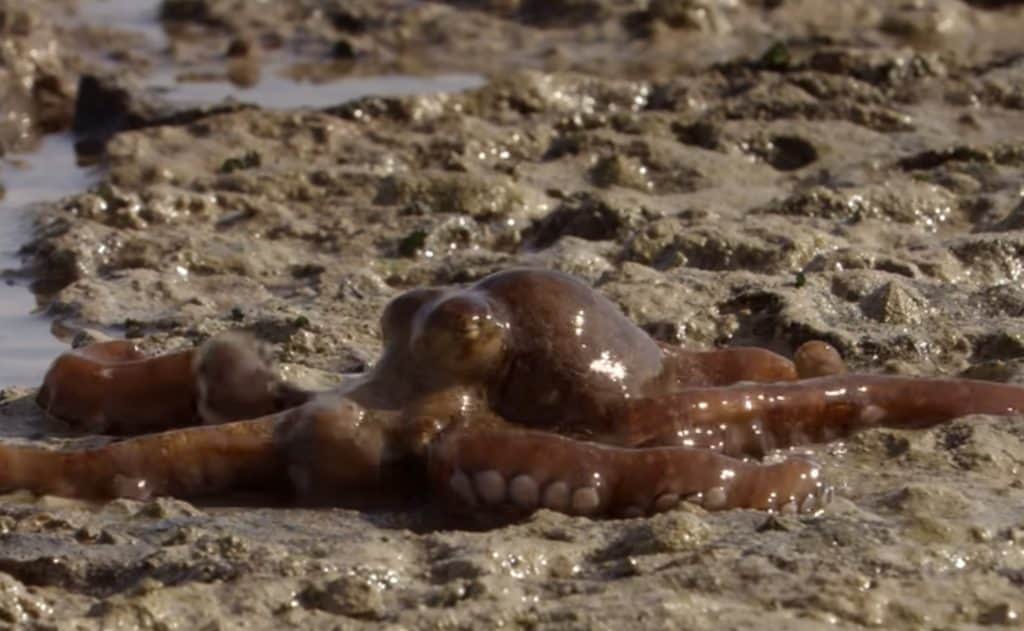
Credit: a-z-animals.com
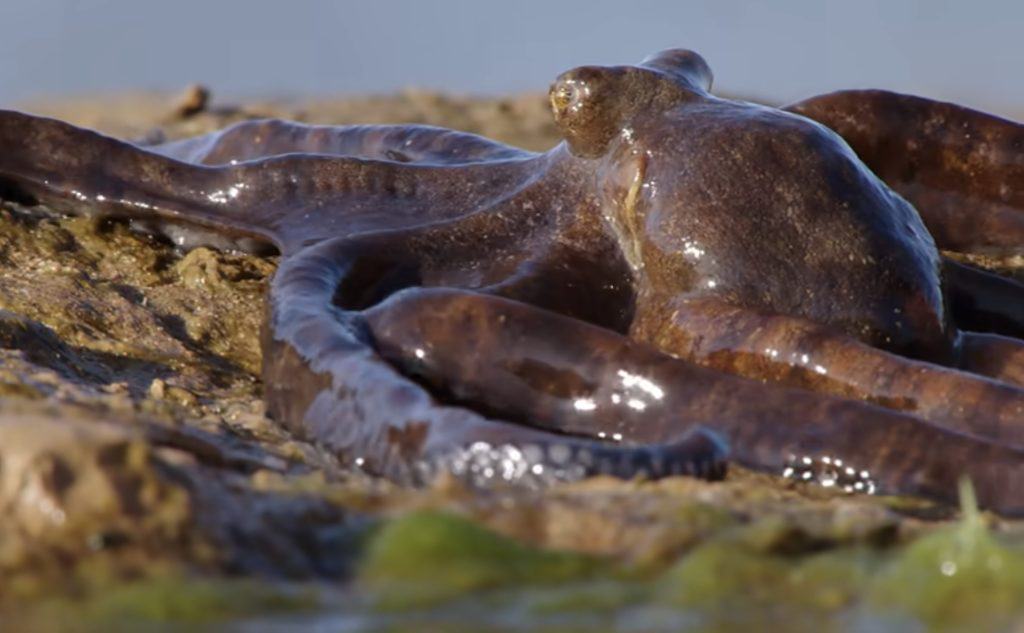
Credit: a-z-animals.com
Frequently Asked Questions
How Long Can An Octopus Stay Out Of Water?
An octopus can survive out of water for about 20 to 30 minutes. This time varies depending on environmental factors. They need moisture to breathe through their skin. Without water, they quickly dehydrate and suffocate.
What Happens If An Octopus Is Out Of Water Too Long?
If out of water too long, an octopus will suffocate and die. They rely on water for oxygen absorption. Without it, their skin dries out, and they can’t breathe. Timely return to water is crucial for their survival.
Why Do Octopuses Leave Water Occasionally?
Octopuses may leave water to explore or escape predators. They are curious and intelligent creatures. However, they risk dehydration and suffocation when out of water. They usually return quickly to their aquatic environment for safety.
Can Octopuses Breathe On Land?
Octopuses cannot breathe on land as they need water for oxygen exchange. They absorb oxygen through their skin and gills. On land, their skin dries out, preventing effective breathing. Staying in water is essential for their respiratory function.
Conclusion
Octopuses can survive outside water for a short time only. Their skin needs moisture to breathe and stay healthy. Without water, they quickly dry out and struggle to get oxygen. Usually, they last just a few minutes on land. This shows how important water is for their life.
Watching these creatures reminds us how nature suits animals perfectly. Keep them safe in their natural homes. Understanding this helps us respect ocean life more.