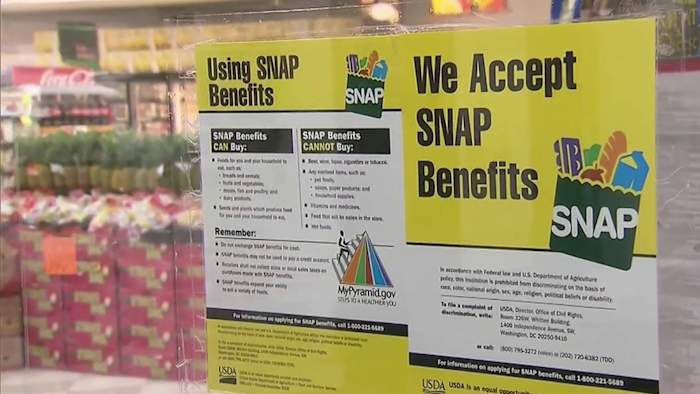
Are you worried about how the coronavirus might affect your access to food? You’re not alone.
Many people are asking the same question: Will we get emergency food stamps because of the coronavirus? If you rely on food assistance or are struggling to put meals on the table, this topic is crucial for you. You’ll discover what emergency food stamp programs are available, how to apply, and what changes might be coming your way.
Keep reading to find out how you can get the help you need during these challenging times.

Credit: www.cbc.ca
Impact Of Coronavirus On Food Security
The coronavirus pandemic has deeply affected food security worldwide. Many people lost jobs or income. This made it harder to buy enough food. Food banks and aid programs saw more demand. The risk of hunger increased sharply for vulnerable groups. Governments and organizations had to act fast to help.
Rising Food Insecurity During The Pandemic
Food insecurity grew rapidly during the pandemic. Millions of households faced uncertainty about their next meal. School closures stopped free or reduced-price meals for many children. Supply chain disruptions caused food shortages and price spikes. These factors combined to increase hunger across communities.
Challenges Faced By Low-income Families
Low-income families struggled the most with food access. Job losses meant less money for groceries. Public transportation limits made shopping harder. Many had to rely on food assistance programs. Waiting in long lines and limited resources added to stress. These hardships showed the urgent need for emergency food support.
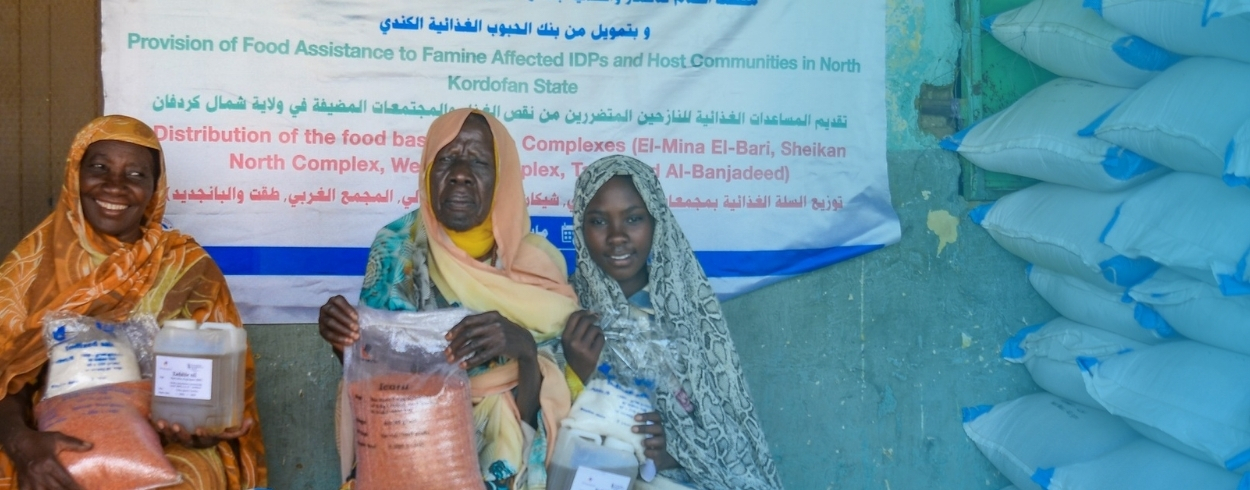
Credit: foodgrainsbank.ca
Emergency Food Stamp Programs
Emergency Food Stamp Programs provide quick support for families facing food insecurity. These programs aim to help people who have lost income or face hardships during crises like the coronavirus pandemic. They offer temporary food assistance through the Supplemental Nutrition Assistance Program (SNAP) or similar state-run services.
These programs ensure families do not go hungry while they recover financially. They help cover the cost of groceries and essential food items. Emergency benefits often come with faster approval and increased benefit amounts to address urgent needs.
What Are Emergency Food Stamps?
Emergency food stamps are temporary benefits given during a crisis. They help people buy food when their income drops suddenly. These benefits are part of SNAP or special state programs designed for emergencies.
The goal is to provide immediate relief for families struggling to afford food. Emergency food stamps may have fewer application requirements. They often give more benefits than usual to meet increased needs.
Eligibility Criteria For Emergency Benefits
Eligibility for emergency food stamps depends on several factors:
- Loss of income due to job loss or reduced hours
- Household size and income level
- Residency in an area affected by a declared emergency
- Current participation in regular SNAP benefits
- Special conditions set by state agencies
Applicants must provide proof of financial hardship. States may waive some usual rules to speed up the process. Meeting these criteria can help families get food assistance faster.
Government Response To Food Assistance
The government acted quickly to help people facing food insecurity during the coronavirus crisis. Many families lost jobs or saw reduced income. This made it hard to buy enough food. To ease this struggle, officials expanded food assistance programs. These efforts aimed to reach more people in need. Both federal and state governments took steps to provide support.
Federal Initiatives And Relief Packages
The federal government increased funding for food programs. The Supplemental Nutrition Assistance Program (SNAP) saw temporary boosts. These boosts allowed more benefits per household. Emergency allotments gave extra money to current recipients. New applications were processed faster to help more families. The government also distributed food through school meal programs. Special grants helped food banks get more supplies. These federal actions aimed to reduce hunger quickly.
State-level Food Stamp Extensions
States adapted federal rules to fit local needs. Many states extended food stamp benefits automatically. This helped avoid gaps in assistance during the pandemic. Some states allowed new groups to qualify for benefits. Others simplified the application process to speed approval. State agencies worked closely with community groups. This partnership helped reach vulnerable populations. These state efforts complemented federal programs well.
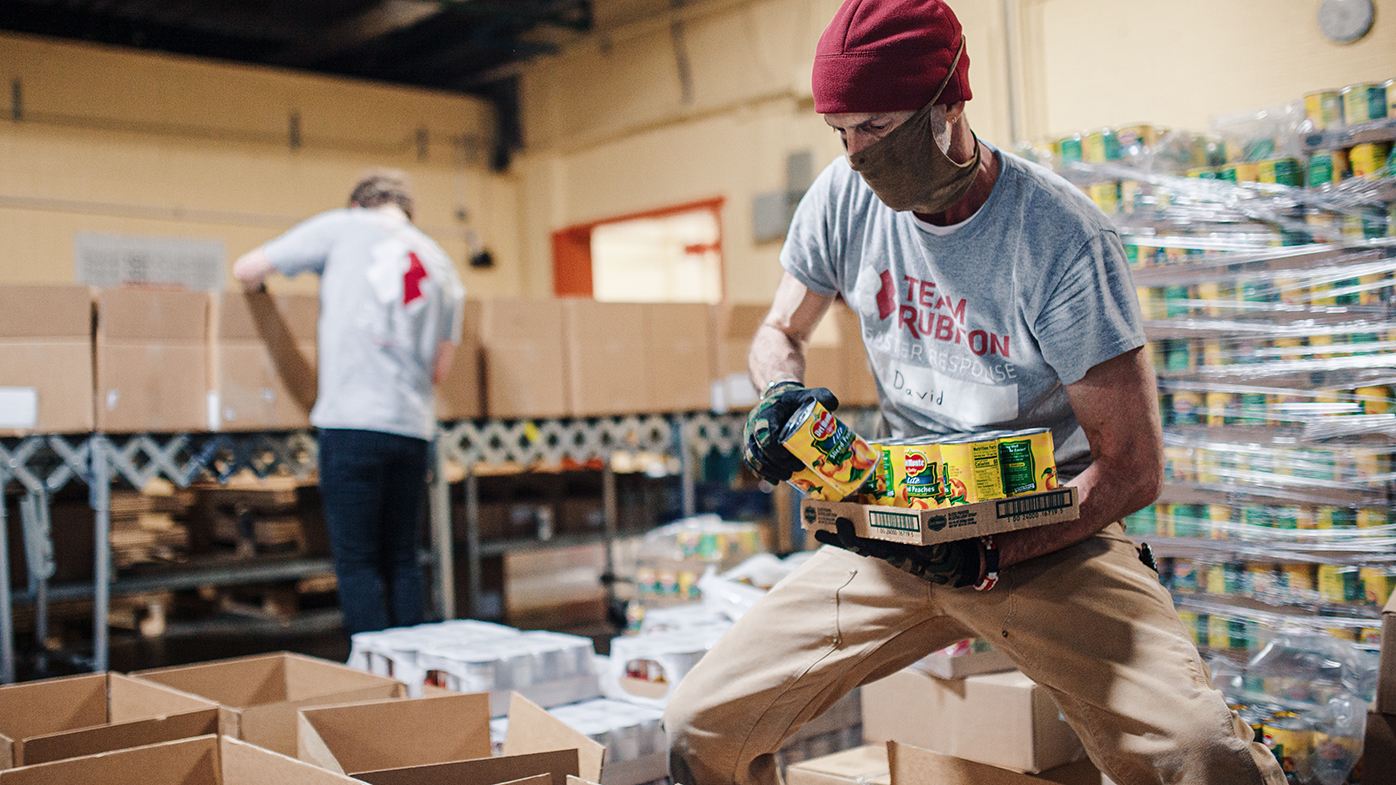
Credit: www.bms.com
How To Apply For Emergency Food Stamps
Applying for emergency food stamps is a vital step for many families during the coronavirus crisis. The process is straightforward and designed to provide quick assistance. Understanding how to apply helps you get support without delays.
Knowing the required documents and application options speeds up approval. Both online and in-person methods are available to suit different needs and situations. This guide breaks down the steps clearly.
Application Process And Required Documents
Start by filling out the application form with accurate information. Provide details about your household size, income, and expenses. This helps determine your eligibility for emergency food stamps.
Prepare these documents before you apply:
- Proof of identity (ID card or driver’s license)
- Proof of address (utility bill or lease agreement)
- Income verification (pay stubs, tax returns, or benefits statements)
- Social Security numbers for all household members
- Proof of expenses (rent, utilities, medical bills)
Submit all documents along with your application to avoid delays. Incomplete applications may take longer to process or could be denied.
Online And In-person Application Options
You can apply online through your state’s official benefits website. This option offers convenience and 24/7 access. Upload your documents directly and track your application status easily.
For those without internet access, visit your local social services office. Staff there will assist you in completing the application. Bring all required documents to speed up the process.
Phone assistance is also available in many states. Call the local food stamp office to get help or schedule an appointment. Choose the option that fits your needs best.
Additional Food Assistance Resources
Many people face food insecurity due to the coronavirus crisis. Emergency food stamps help, but other resources can also provide crucial support. These resources include local food banks and various government aid programs. They offer quick and reliable food assistance to those in need.
Local Food Banks And Community Programs
Local food banks provide free groceries to families and individuals. Many community programs offer meals or food packages regularly. These services often work with volunteers and donations to help more people. Food banks usually require simple registration or no paperwork at all. Community centers and churches often host food drives and distribution events.
Some programs deliver food to seniors or people with disabilities. Others focus on children or low-income families. Visiting a local food bank can be a fast way to get food during tough times. Checking nearby community programs can increase access to fresh and healthy food.
Other Government Aid Programs
Besides emergency food stamps, several government programs offer food support. The Special Supplemental Nutrition Program for Women, Infants, and Children (WIC) helps pregnant women and young children. The National School Lunch Program provides free or reduced-price meals to students. SNAP benefits can also increase during emergencies or through state initiatives.
Some states offer additional food assistance or crisis intervention programs. Local agencies can provide information about these programs. Applying for more than one program can improve food security during the pandemic. Understanding all options helps families get the support they need.
Frequently Asked Questions
What Are Emergency Food Stamps?
Emergency food stamps, also known as Disaster SNAP (D-SNAP), offer temporary food assistance during crises like the coronavirus pandemic. These benefits help households affected by emergencies access essential food supplies. The program aims to provide quick relief to ensure families can maintain adequate nutrition during challenging times.
Who Qualifies For Emergency Food Stamps?
Eligibility for emergency food stamps depends on several factors, including income loss, disaster impact, and household size. Applicants must demonstrate that they have been adversely affected by the coronavirus crisis. Each state has specific guidelines, so it’s essential to check local requirements to determine eligibility.
How Can I Apply For Emergency Food Stamps?
Applying for emergency food stamps typically involves contacting your state’s SNAP office. Many states offer online applications or phone assistance to streamline the process. It’s important to provide necessary documentation, such as proof of income loss and household information, to expedite your application.
How Long Do Emergency Food Stamps Last?
Emergency food stamps are usually issued for a limited period, often one month, to address immediate needs. The duration can vary based on the disaster’s impact and individual circumstances. Extensions may be available if the crisis persists, so it’s vital to stay updated with local SNAP guidelines.
Conclusion
Emergency food stamps can help many families during tough times. The government may offer extra support because of the coronavirus. Staying informed about eligibility rules is very important. Local offices and websites share updates quickly. Applying early can improve your chances of getting help.
Keep documents ready to make the process smooth. Remember, help is available for those who need it most. Stay hopeful and reach out for assistance if necessary. Together, we can face these challenges and find support.