Have you ever wondered which food coloring came first? The vibrant hues that brighten your favorite treats didn’t just appear overnight.
Understanding where food coloring began can change the way you see your meals. Imagine knowing the story behind the colors on your plate and how they evolved to make food more exciting and appealing. Keep reading, and you’ll discover surprising facts that might make you look at your next bite in a whole new light.
Credit: press.uchicago.edu
Early Uses Of Natural Dyes
Natural dyes have been used for thousands of years to color food and fabrics. Early humans found ways to extract colors from nature. These dyes came from plants, animals, and minerals. They added beauty and meaning to food and clothing. Understanding these early sources shows how food coloring began.
Plant-based Colors
Many natural dyes come from plants. Fruits, vegetables, and flowers provide rich colors. For example, beetroot gives a deep red color. Spinach leaves create green shades. Saffron and turmeric offer yellow and orange hues. These plant dyes are safe and easy to use in food.
Animal-derived Pigments
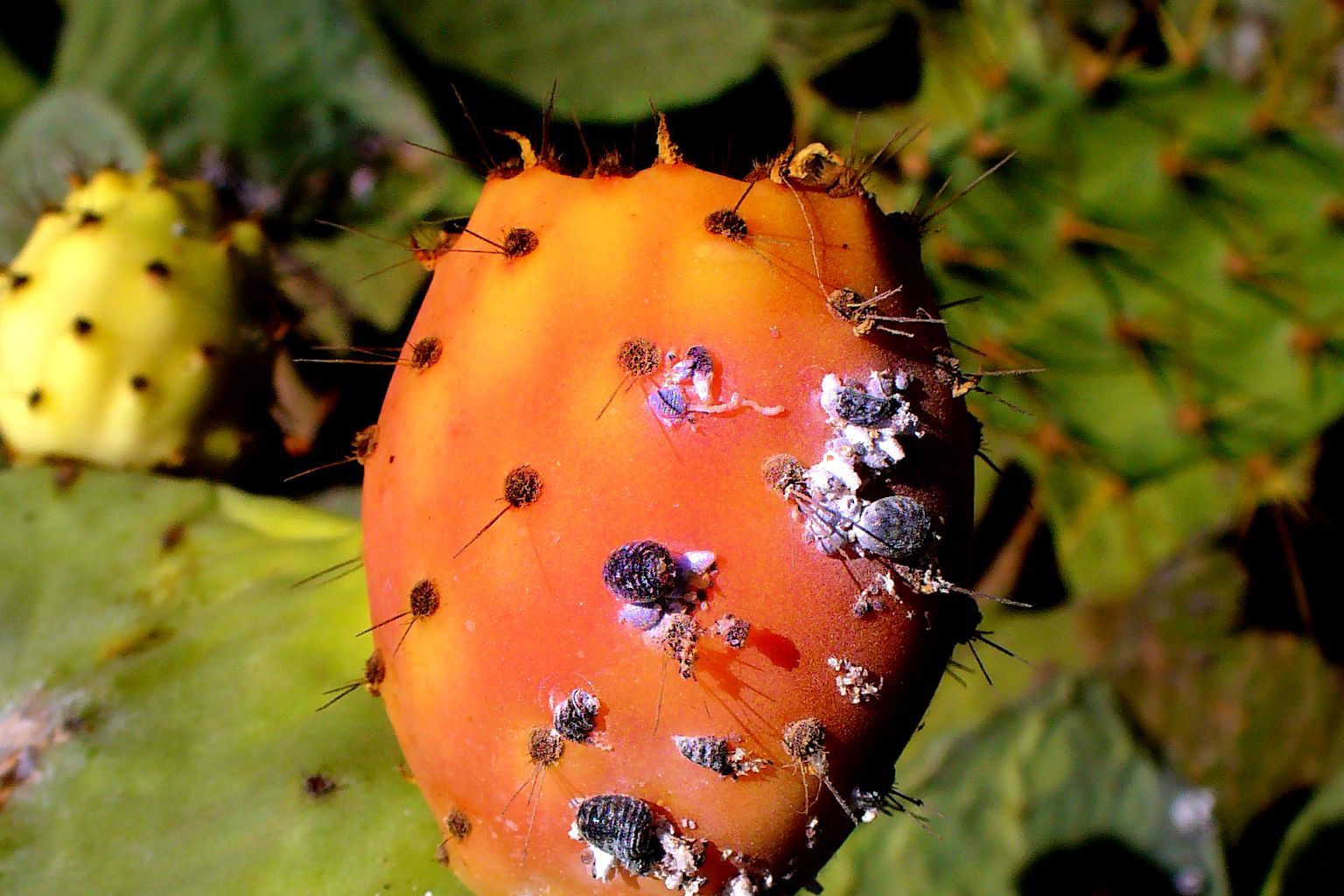
Some colors come from animals. The famous cochineal insect produces a bright red dye. This dye was highly prized in ancient times. Shellfish, like certain snails, gave purple pigments. These animal dyes were rare and expensive. They added vibrant colors to food and textiles.
Mineral Sources
Minerals also provided natural color. Some minerals create earthy tones like browns and reds. Clay and ochre were ground into powders for coloring. These mineral pigments were stable and long-lasting. They helped early people decorate food and art with natural shades.
Ancient Food Coloring Techniques
Ancient food coloring techniques show how humans first added color to their meals. People used natural ingredients to make food look attractive and appealing. These early methods came from different cultures worldwide. Each culture used local plants, minerals, and animals to create vibrant colors.
Cultural Practices In Egypt And Mesopotamia
In Egypt and Mesopotamia, food coloring was part of daily life. They used natural dyes from flowers, fruits, and spices. For example, saffron gave a golden yellow color to dishes. Red color came from crushed insects or red clay.
Color was important for celebrations and religious rituals. Brightly colored foods showed wealth and status. They mixed dyes with honey or oil to coat sweets and breads. These colors made food more exciting to eat and see.
Coloring In Ancient China And India
Ancient China and India also had rich traditions of food coloring. Both used plant-based colors for cooking and medicine. Turmeric was common in India for its bright yellow shade. It also added flavor and health benefits.
China used colors from flowers and roots. Red from hibiscus and purple from purple sweet potatoes were popular. Colorful food symbolized good luck and happiness. These natural dyes enhanced both taste and appearance.
First Synthetic Food Colorings
The first synthetic food colorings marked a major shift in the food industry. These artificial dyes offered new possibilities for making food look more appealing. Before synthetic colors, natural sources like plants and minerals were the only options. The development of synthetic dyes began in the 19th century and quickly spread to food products.
Discovery Of Coal-tar Dyes
Coal-tar dyes were the earliest synthetic colors. Chemists found these dyes while studying coal tar, a byproduct of coal processing. In 1856, William Perkin accidentally created the first synthetic dye called mauveine. This discovery opened doors to many other synthetic dyes. These dyes were cheaper and more vibrant than natural colors.
Scientists soon adapted coal-tar dyes for food use. Bright reds, blues, and yellows became possible. These dyes could be produced in large amounts. This made colorful food more affordable and consistent.
Impact On Food Industry
Synthetic food colorings changed how food looked and sold. Bright colors attracted consumers and made food more exciting. Candy, drinks, and baked goods used synthetic dyes to stand out.
Food companies gained better control over color quality. Natural dyes faded or varied in shade. Synthetic dyes stayed stable during storage and cooking. This helped maintain product appeal over time.
The rise of synthetic dyes also raised health questions. Over time, governments started regulating food colorings. Safety tests became standard before approval. Today, synthetic food colors remain common but carefully monitored.

Credit: www.nytimes.com
Transition From Natural To Synthetic
The shift from natural to synthetic food coloring marked a significant turning point in the food industry. Early natural dyes, derived from plants, insects, and minerals, were limited in variety and stability. Synthetic dyes emerged as a solution, offering a broader spectrum of vibrant colors that could withstand heat and storage.
This transition wasn’t just about color variety; it changed how manufacturers approached food aesthetics and shelf life. Yet, it also raised questions about health and safety that continue to influence consumer choices today.
Benefits And Drawbacks
Synthetic food colorings provide vivid, consistent hues that natural colors often struggle to match. They are usually cheaper to produce and have a longer shelf life, making them attractive for mass production.
However, these benefits come with drawbacks. Synthetic dyes can sometimes alter the taste and appearance of food in ways that feel less authentic. Natural colors tend to have a more subtle and appealing look but can fade quickly and are more expensive.
- Benefit:Enhanced color stability during cooking and storage.
- Benefit:Cost-effectiveness for large-scale manufacturers.
- Drawback:Potential for artificial taste or texture changes.
- Drawback:Limited variety and less vibrant tones with natural dyes.
Health And Safety Concerns
Have you ever wondered what goes into the food coloring on your plate? Synthetic dyes have faced scrutiny due to reports linking some to allergic reactions and behavioral issues in sensitive individuals.
Regulatory agencies like the FDA and EFSA monitor these additives closely, setting limits to ensure safety. Despite this, some people prefer natural colors to avoid any risks, especially when feeding children.
It’s wise to check labels and stay informed about the source of food colorings. Your choice can impact not only the appearance of your meals but also your well-being.
Modern Food Coloring Innovations
The world of food coloring has seen remarkable changes recently. Modern food coloring innovations focus not just on creating vibrant hues but also on health, sustainability, and natural sources. These advancements reshape what you find in your kitchen and on your plate, impacting both taste and appearance.
Natural Extract Revival
Natural extracts from fruits, vegetables, and spices are making a strong comeback. Consumers now want to see ingredients they recognize, which pushes manufacturers to use colors like beetroot red, turmeric yellow, and spirulina blue.
These natural options often come with added health benefits such as antioxidants. However, they can be less stable than synthetic colors, which challenges food producers to improve their formulas. Have you ever noticed how some natural food colors fade faster? That’s why ongoing research aims to make these colors more vibrant and long-lasting.
Regulatory Changes
Governments worldwide are tightening rules around food coloring ingredients. This ensures that only safe substances reach your food and reduces the risk of allergies or other health issues.
Some synthetic dyes once common in food have been banned or restricted, pushing the industry toward safer alternatives. These regulations also encourage transparency, so you can better understand what you’re consuming. How often do you check the food label for color additives?

Credit: cen.acs.org
Cultural Significance Of Food Colors
Food colors carry deep meaning in many cultures around the world. They do more than make food look good. Colors reflect beliefs, traditions, and emotions. Different shades tell stories about identity and values. People use colors in food to express joy, respect, and spirituality.
These colors often connect to nature, seasons, and history. They influence how people celebrate and share meals. Food coloring becomes a bridge between generations. It preserves culture and brings people together.
Symbolism In Different Societies
Colors symbolize different things in various societies. Red often means luck, power, or happiness. In some Asian cultures, red food coloring is popular for celebrations. White can mean purity or mourning, depending on the culture. Yellow and gold suggest wealth and prosperity in many places.
People use specific colors for important events like weddings, births, and religious rites. The choice of color connects to tradition and meaning. It shapes how people view their food and the event itself.
Festivals And Food Coloring
Food coloring plays a key role in festivals worldwide. Bright colors make food festive and inviting. During Holi in India, colorful powders inspire vibrant food colors. In Mexico, Day of the Dead treats use colorful icing and sugar skulls.
Many festivals use food color to show unity and joy. The colors help create a special atmosphere. They make the event memorable and fun. Food coloring adds life to celebrations and brings people close.
Frequently Asked Questions
What Was The First Food Coloring Used?
The first food coloring used was saffron. Ancient civilizations used it for its vibrant yellow hue. Saffron was popular in Persian, Indian, and Mediterranean cuisines. Its natural origin made it safe for consumption. However, due to its high cost, alternatives were sought over time.
How Did Ancient Cultures Color Their Foods?
Ancient cultures used natural sources like plants, minerals, and insects. Saffron, beet juice, and turmeric were popular choices. These natural colorings were safe and added nutritional value. They were used not only for aesthetics but also for their health benefits and flavors.
When Did Synthetic Food Coloring Emerge?
Synthetic food coloring emerged in the 19th century. It became popular during the industrial revolution. This innovation allowed mass production of vibrant colors. Initially, coal-tar derivatives were used, but safety concerns led to stricter regulations. Today, synthetic colors are closely monitored for safety.
Why Was Saffron Used As A Food Coloring?
Saffron was used due to its vibrant yellow color. It was also valued for its unique flavor and aroma. Additionally, saffron had medicinal properties, enhancing its appeal. Its natural origin made it safe for consumption. However, its high cost limited widespread use.
Conclusion
Food coloring has a long and interesting history. The first food colors came from natural sources like plants and insects. These early dyes made food look more appealing and tasty. Over time, people created synthetic colors for consistency and variety.
Knowing which food coloring came first helps us appreciate how food presentation evolved. Colors do more than decorate; they also affect our appetite and mood. Food coloring remains important in cooking and baking today. It connects the past with modern food art.
Simple colors tell a rich story.